Understanding Natural Feline Coat Maintenance and Limits
Cats are renowned for their meticulous hygiene routines, spending hours each day cleaning their fur. The microscopic, hook-shaped papillae covering a feline tongue work remarkably well as a natural brush, lifting loose dirt and dislodging shedding hairs. However, relying purely on cat self grooming can lead to complications such as chronic hairballs, digestive distress, and painful pelting along the friction points of the body. When loose hairs are ingested during cleaning, they accumulate in the stomach rather than shedding naturally onto your brush.
As cats mature, their physical ability to maintain their own coats typically declines. Senior felines, cats dealing with early-stage arthritis, and overweight individuals often find it difficult to twist around and clean the lower spine, tail base, and rear legs. In these neglected areas, loose undercoat hairs quickly entangle with healthy guard hairs, creating dense felt-like mats that adhere tightly against the skin. Once a mat forms, a cat's gentle licking only tightens the knot by introducing moisture and friction.
Recognizing when your pet needs external assistance is critical for preventing skin infections and severe discomfort. Professional pet grooming for cats is not a cosmetic luxury, but a fundamental component of preventive animal healthcare. Introducing an organized grooming regimen ensures that dead fur is extracted safely before it packs into impenetrable mats. Regular human intervention protects your cat from painful skin pulling, reduces ingested fur, and allows you to inspect their body for lumps, ticks, or underlying dermatological changes.
Managing Long-Haired Breeds and Dense Undercoats
Breeds with heavy, multi-layered coats require a deliberate and consistent brushing strategy to remain healthy and comfortable. Effective long hair cat grooming relies on layered combing rather than superficial brushing over the topcoat. Slicker brushes with fine wire bristles work well for lifting loose surface fur, but a metal comb with wide and narrow teeth is indispensable for penetrating deep into the undercoat. Working from the skin outward in gentle, parting motions ensures that hidden tangles are resolved before they turn into solid clumps.
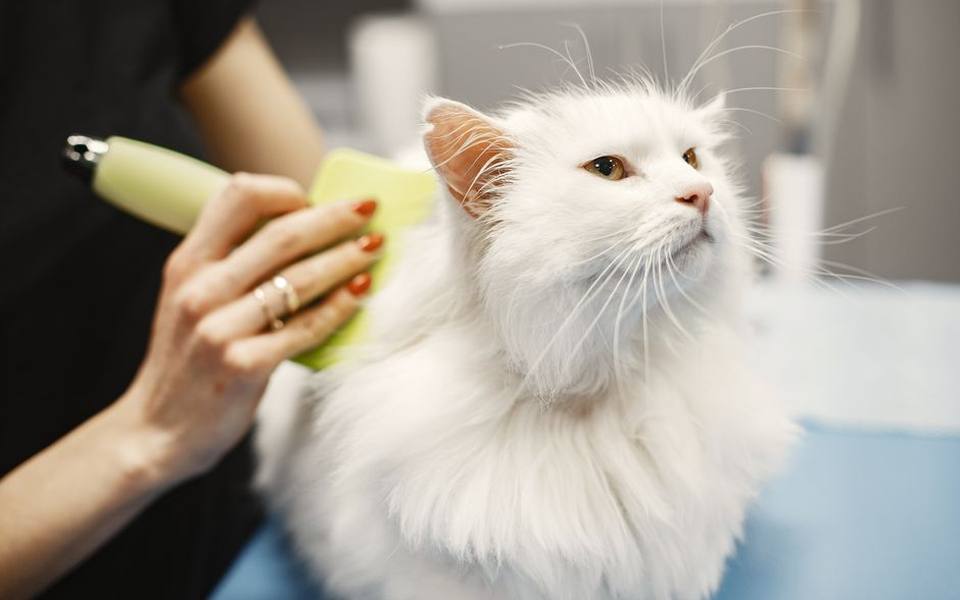
Tangles concentrate primarily in friction zones where movement rubs opposing skin surfaces together. The armpits behind the front legs, the groin area, behind the ears, and around the ruff are the most common trouble spots for long-haired felines. When combing these sensitive zones, holding the base of the hair between your fingers prevents uncomfortable pulling on delicate skin. If a comb snags, gently teasing the knot apart with your fingers or a slicker brush works far better than forcing the comb through.
Establishing a daily or every-other-day schedule typically prevents matting from progressing beyond manageable levels. Allowing mats to persist cuts off airflow to the skin, trapping moisture, dander, and external debris underneath. Over time, the restricted circulation causes hot spots, fungal growth, and bacterial dermatitis. If a long-haired cat begins flinching or vocalizing during petting, tight matting against the skin is often the primary reason, requiring gentle dematting tools or professional clipping.
Specialty Coat Maintenance for Silk-Coated Ragdolls
Ragdolls possess a distinctive coat texture that sets them apart from most other long-haired breeds. Unlike Persians or Maine Coons, Ragdolls lack a dense, woolly undercoat, presenting instead a plush, rabbit-like guard coat that feels remarkably soft to the touch. Because of this single-layer structure, ragdoll grooming requires a delicate touch. A heavy de-shedding rake designed for double-coated breeds can scratch their skin and strip out living guard hairs unnecessarily, damaging the integrity and shine of their plush coat.
When planning a routine for grooming a ragdoll cat, a dual-sided steel comb and a soft bristle brush are typically sufficient. Special attention must still be paid to the ruff surrounding the neck and the long britches along the hind legs. Although their fur is naturally less prone to heavy matting than double-coated breeds, moisture from drinking water or self-cleaning can cause sudden felt-like knots in the chest fur. Routine combing every three days keeps their silky locks flowing and prevents friction tangles.
Ragdolls are famous for their docile, cooperative temperaments, which often makes handling them during grooming far easier than handling other breeds. However, their compliant nature means they may quietly tolerate discomfort until skin irritation becomes severe. Owners should routinely inspect the underside of the belly, where the fur grows exceptionally fine and soft. Gentle handling paired with short, rewarding brushing sessions ensures that these gentle giants maintain a positive association with regular coat care throughout their lives.
The Purpose and Execution of a Sanitary Trim
A cat sanitary trim involves carefully shaving or clipping the fur around the anus, perineum, and inner thighs. For long-haired and senior cats, this procedure is one of the most practical hygiene steps an owner can implement. As cats walk, squat, and use the litter box, fine fur around the hindquarters frequently catches wet waste, dried litter granules, and stray debris. Left unmanaged, accumulated fecal matter leads to painful skin scalds, unpleasant odors throughout the house, and potential bacterial infections.
Performing this trim requires extreme caution due to the paper-thin nature of feline skin in the inguinal region. Professional groomers typically rely on a dedicated pet clipper fitted with a fine blade, such as a number ten, which cuts close without grabbing loose folds of skin. Household scissors should never be used on a cat for sanitary trimming, as a sudden twitch or tail flick can lead to accidental lacerations that require emergency veterinary stitching.
Most indoor cats benefit from refreshing their hygienic shave every four to eight weeks, depending on their individual hair growth rate. Maintaining clean hindquarters drastically reduces the need for frequent full-body baths, which can be stressful for water-averse felines. If your cat struggles with loose stools, chronic urinary issues, or mobility limitations that impair normal squatting postures, keeping the sanitary zone neatly clipped provides immediate physical relief and promotes better overall household cleanliness.
When to Consider a Full Lion Haircut
A lion hair cut for cats is a styling procedure where the cat's torso is shaved down to a uniform short length, leaving longer fur on the head, neck ruff, lower legs, and a pom-pom at the tip of the tail. While some owners request this look for seasonal convenience or aesthetic novelty, it is fundamentally a therapeutic intervention for severe coat problems. When pelted mats have formed a tight, uninterrupted shell over the skin, a close shave is often the only humane method to relieve the cat's suffering.
Opting for a lion cut haircut for cats can provide substantial relief during hot summer months, especially for dense-coated breeds living in warmer climates or homes without central cooling. It also significantly lowers the volume of shedding around the home and eliminates hairballs in cats prone to chronic regurgitation. Older cats who can no longer tolerate the daily pulling of de-tangling combs often experience a visible boost in mobility and playfulness once the heavy, restrictive weight of their unkempt coat is lifted.
However, shaving a cat down to the skin carries distinct drawbacks that owners must weigh carefully before proceeding. A shaved coat leaves feline skin vulnerable to sunburn, temperature fluctuations, and accidental scratches from rough play or outdoor foliage. In some older cats, shaved fur can take months to regrow, and the new coat may emerge with altered texture or slightly darker pigmentation. A full shave should generally be viewed as a restorative tool rather than an automatic replacement for standard daily brushing.
Bathing Techniques and Stress Management
While cats are legendary for their aversion to water, routine baths are occasionally necessary for removing stubborn grease, toxic substances, or accumulated dander. The key to a successful feline bath lies in thorough preparation and calm, deliberate handling. Setting a non-slip rubber mat on the floor of the basin prevents the cat from panicking when their paws lose traction. Keeping water depth shallow, ideally no more than two or three inches of lukewarm water, minimizes the feeling of submersion that triggers immediate flight reflexes.

Never aim a high-pressure spray nozzle directly at a cat's face or body, as the sudden hissing noise and force will escalate their fear response. Instead, using a soft washcloth or a gentle pouring cup allows you to wet and rinse the fur methodically while maintaining complete physical control. Always choose a gentle, fragrance-free pet shampoo specifically formulated for felines. Human shampoos, dish soaps, and even many canine products contain harsh detergents and pH balances that strip essential oils, causing severe skin drying and pruritus.
Drying a cat requires as much patience as washing them. High-velocity cage dryers and loud handheld blowers frequently terrify felines, causing them to bolt or hyperventilate. The safest approach involves burrito-wrapping the cat in warm, absorbent microfiber towels to wick away moisture without friction. Keeping the cat in a warm, draft-free room until they are fully dry prevents chilling, especially in kittens, older cats, or individuals whose undercoats take several hours to release retained water completely.
Tackling Parasites with Shampoos and Dips
When an unexpected flea infestation takes hold, a flea and tick bath for cats provides immediate, broad-scale physical knockdown of adult parasites crawling through the fur. The soapy lather suffocates living fleas and lifts their waste, commonly known as flea dirt, away from irritated skin. During the bath, lathering a thick ring of soap around the cat's neck before wetting the body prevents fleas from migrating upward into the sensitive ears, face, and eyes as water touches the torso.
Selecting the right product is a matter of life and death for feline companions. A flea and tick shampoo for cats must be strictly verified as cat-safe, with no chemical crossovers from canine formulas. Many dog parasite shampoos contain permethrin or synthetic pyrethroids, compounds that are rapidly toxic to cats, inducing violent muscle tremors, seizures, and organ failure. Always scrutinize packaging labels and consult your veterinarian before applying any medicinal wash to ensure the active ingredients are completely non-toxic to felines.
Historically, flea dips for cats were widely utilized in grooming salons and clinics, involving strong chemical solutions sponged onto the coat and left to air-dry without rinsing. In modern pet care, traditional dips have largely been retired due to their harsh chemical profiles, strong fumes, and the elevated risk of feline toxicity from grooming wet fur. Today, veterinarians generally recommend pairing a single gentle medicated knockdown bath with contemporary topical or oral preventative medications that protect your pet for months without toxic chemical residue.
Finding the Right Professional for Both Cats and Dogs
Finding an experienced cat dog groomer who understands the distinct behavioral and physiological differences between species is crucial for a safe salon visit. Dogs generally respond to positive verbal cues and mechanical restraint, whereas cats become increasingly agitated if held forcefully. A groomer skilled in feline care utilizes feline-specific handling methods, such as towel wraps and low-stress restraint, ensuring the cat feels secure and grounded rather than trapped throughout the grooming process.
Environmental conditions inside the facility heavily influence a cat's stress level during their appointment. Felines are hyper-sensitive to the sounds of barking dogs, rattling cages, and high-velocity dryers running in nearby stalls. Premier grooming salons often offer dedicated feline-only days, soundproofed grooming rooms, or quiet early-morning time slots to keep cats completely isolated from canine noise and visual stimuli. Asking prospective facilities about their feline separation protocols will help you gauge their commitment to stress-free care.
Many pet parents manage multiple animals under one roof and prefer finding a reliable provider who handles every family pet efficiently. While bringing your dog in for dog nail trimming and grinding services, you can evaluate whether the facility maintains a quiet, clean back room suitable for your feline. High-quality salons proudly display certifications from professional cat grooming associations, demonstrating that their staff has received rigorous training in feline skin anatomy, clipping safety, and non-sedated behavioral management.
Using Public Wash Facilities for Feline Needs
While self-serve tubs are universally associated with canines, an increasing number of pet owners explore whether self-service dog wash stations near you can accommodate a cat. In specific situations, such as dealing with a skunk encounter, severe flea outbreak, or excessive mess that would overwhelm a home bathroom, commercial facilities offer elevated tubs and specialized drainage that make the cleanup significantly easier. However, taking a cat to a public wash requires meticulous safety planning.
Before considering a public facility, verify that the building features fully enclosed washing bays with secure doors rather than open-concept floor plans. Visiting a dedicated walk-in dog wash during low-traffic hours, such as weekday mornings, minimizes noise and prevents unexpected face-to-face encounters with curious dogs. If an open wash space exposes your cat to barking, drafts, or open exterior doors, the risk of the animal panicking and escaping far outweighs the convenience of an elevated tub.
When utilizing public self-serve dog wash stations, always bring your own feline-specific shampoo, a secure harness, and several dry towels from home. Public dispensers are almost universally stocked with dog-centric washes that may contain heavy perfumes or insecticidal ingredients unsafe for cats. Keeping your cat securely harnessed and clipped to the tub's safety tether prevents sudden leaps, allowing you to wash and dry them swiftly before returning them to a covered carrier for the journey home.
Routine At-Home Maintenance Between Professional Sessions
Sustaining coat health between professional grooming visits depends on establishing a predictable, stress-free at-home brushing routine. Cats thrive on consistency, so spending three to five minutes combing your pet each evening produces far better results than subjecting them to an exhausting forty-minute session on weekends. Pairing grooming sessions with high-value treats, chin rubs, and soft praise transforms coat maintenance into an enjoyable bonding ritual rather than an adversarial wrestling match.
In addition to brushing, owners should routinely check and trim their cat's claws every two to three weeks. Overgrown claws tend to curve inward toward the paw pads, causing painful punctures and infections, particularly in senior cats whose scratching behavior has slowed down. Keeping nail tips blunt also prevents the cat from scratching themselves raw if they develop seasonal skin allergies, while making at-home combing sessions substantially safer for your hands.
Finally, make a habit of conducting a quick physical inspection while your cat is relaxed in your lap. Part the fur along the back and abdomen to examine skin hydration, check for signs of flaking or flea dirt, and feel for nascent mats behind the elbows. Catching tiny tangles early allows you to tease them out painlessly before they tighten into impenetrable pelts, keeping your cat comfortable, sleek, and well-groomed year-round.
Published 2026-09-21 · reviewed with each rebuild, last September 2026.
Find self-serve dog washes near you
The directory lists 2,264 self-serve dog washes by state and city — pick your state or use the “Near me” button in the header.
More guides
-
 Money
MoneyUnderstanding the Costs of Grooming and Washing Your Dog
-
 Service
Canine Scent Gland Care: Symptoms, DIY Steps, and Professional Costs
-
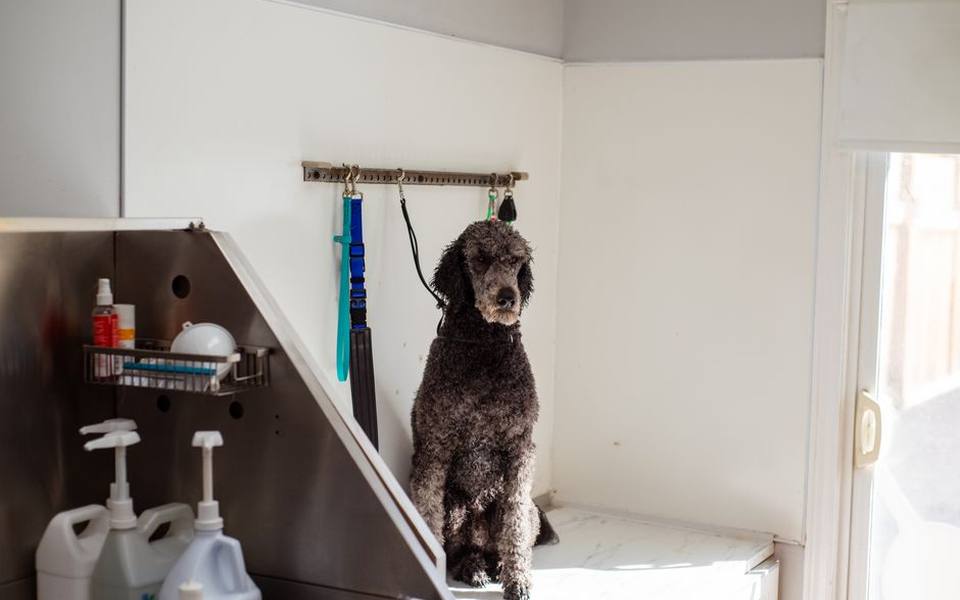 Money
MoneyDog Grooming Cost Breakdown: Salons, Mobile Vans, and Retail Chains
-
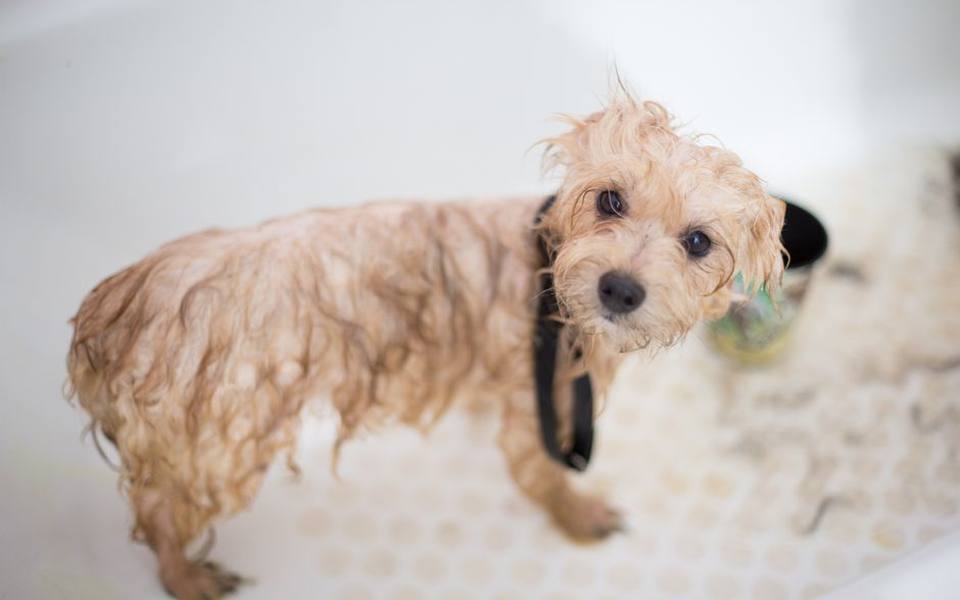 Service
Dog Anal Gland Expression: How It Works, When It Is Needed, and Typical Costs
-
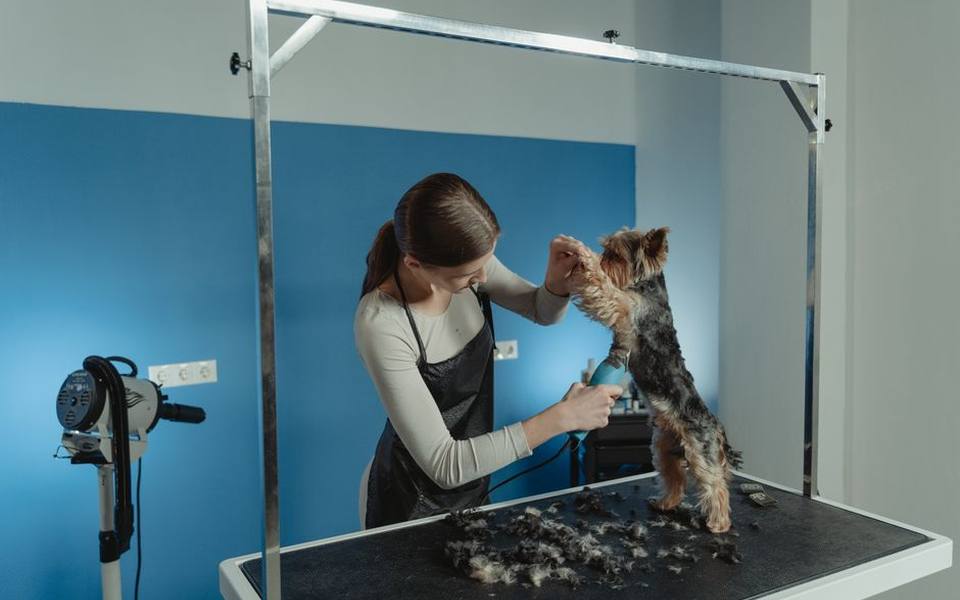 Owning
Essential Dog Grooming Tools: Choosing Clippers, Shears, and Maintaining Blades
-
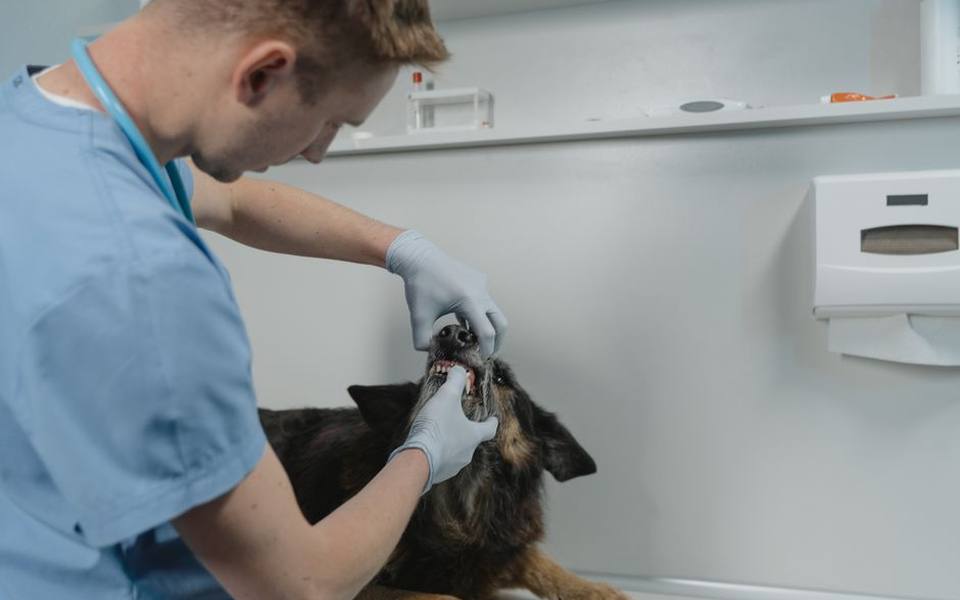 Money
MoneyDog Teeth Cleaning Costs: Vet Anesthesia vs. Non-Anesthetic Options
-
 Service
How to Choose the Best Local Dog Groomer: What to Look For
-
 Service
Self-Service Dog Wash Guide: Locations, Pricing, and How It Works
-
 Owning
Complete Dog Anal Gland Care: How to Express, Symptoms, and Safe Techniques
-
 Service
Professional Dog Grooming and Self-Wash Stations: Comparing Costs, Services, and Formats
-
 Owning
Dog Nail Trimming and Grinding Guide: Clippers, Rotary Tools, and Safe At-Home Care
-
 Service
Popular Dog Haircut Styles: Breed Cuts, Teddy Bear Trims, and Styling Rules
-
 Owning
Managing Dog Itchy Skin and Fleas: Medicated Baths, Shampoos, and Remedies
-
 Service
Complete Cat Grooming Guide: Bathing, Haircuts, Nail Trimming, and Mobile Care
-
 Owning
Dog Ear Cleaning and Flushing Solutions: Preventing Wax Build-Up and Infections
-
 Owning
Dog Anal Gland Care: Expression, Swollen Glands, and Hygiene Solutions
-
 Owning
Dog Blow Drying, Coat Coloring, and Waterless Grooming Essentials
-
 Owning
Essential Grooming Tools: Brushes, De-Matting, Odor Neutralizers, and Paw Care
-
 Owning
Canine Dental Hygiene Guide: Toothbrushes, Powders, and Tartar Control
-
 Owning
Complete Guide to Dog Training: Methods, Equipment, Classes, and Costs
-
 Owning
Ultimate Guide to Dog Haircut Styles by Breed: Puppy Cuts, Teddy Bear, and Lion Clips
-
 Owning
How to Treat Dog Itchy Skin and Allergies: Medications, Shampoos, and Home Remedies
-
 Safety
How to Trim Dog Nails Safely: Clippers vs Grinders and Techniques
-
 Service
Professional Dog Grooming Services: Costs, Salons, and At-Home Options
-
 Owning
Dog Dental Care Guide: Toothbrushes, Powders, and At-Home Cleaning
-
 Safety
Dog Ear Cleaning Solutions, Wax Buildup, and Infection Care Guide
-
 Owning
Choosing the Right Dog Shampoo for Dry Skin, Dandruff, Fleas, and Ticks
-
 Owning
Self-Serve Dog Wash Stations and Home Bathing Setup Guide
-
 Buying
Essential Professional Grooming Tools, Clippers, and Blade Care
-
 Owning
Dog Nail Trimming, Grinding, Polish, and Safe Hair Dye: A Practical Guide
-
 Service
Dog Haircuts and Breed Styling Guide: Popular Cuts, Trims, and Coat Care
-
 Owning
Dog Ear Care and Skunk Odor Removal: Cleaning, Wax, and Emergency Deodorizing
-
 Safety
Dog Flea Baths and Medicated Shampoos: OTC and Prescription Remedies
-
 Owning
Complete Guide to Raw Dog Food Nutrition and Diets
-
 Owning
Dog Birthday Cakes, Safe Treats, and Celebration Guide
-
 Service
Hiring a Dog Walker: Services, Rates, and Agency Options
-
 Service
Dog Breed Haircuts, Styling, and Coat Maintenance Guide