The Fundamentals of Hiring a Professional Dog Walker
Hiring a reliable dog walker typically begins with deciding whether you need scheduled midday relief while working long hours or specialized support for higher-energy outings. A standard session generally lasts between twenty and sixty minutes, focusing on cardiovascular movement, mental stimulation through sniffing, and vital bathroom breaks. The overall cost, expectations, and communication frequency depend heavily on whether your pet requires exclusive individual attention or thrives in a structured social pack.
Beyond physical exercise, an experienced handler acts as an observant set of eyes inside your home during the workweek. Walkers notice subtle changes in gait, appetite, stool consistency, and general mood that busy pet parents might overlook during rushed mornings. Establishing a consistent walking routine also prevents the destructive chewing, excessive barking, and house-training regression that often develop when dogs experience extended periods of social isolation and pent-up physical energy.
Choosing between an individual neighborhood contractor, an app-based booking marketplace, or a dedicated pet care agency shapes your long-term customer experience. Independent operators offer personalized relationships, whereas structured firms provide standardized safety protocols, background checks, and guaranteed backup coverage when a primary walker falls ill. Understanding these operational differences allows you to match your pet's temperament, household security preferences, and monthly budget to the most appropriate professional arrangement.
Booking Platforms Versus Dedicated Pet Care Agencies
Modern dog owners often deliberate between using app-driven gig networks and contracting an established pet sitter company. An independent dog walker on Rover or similar gig marketplaces operates as a freelance contractor setting individual rates, walk parameters, and availability schedules. These platforms provide convenient app interfaces, integrated GPS route mapping, and community-driven reviews, making them an accessible option for pet owners seeking flexible scheduling or last-minute arrangements.
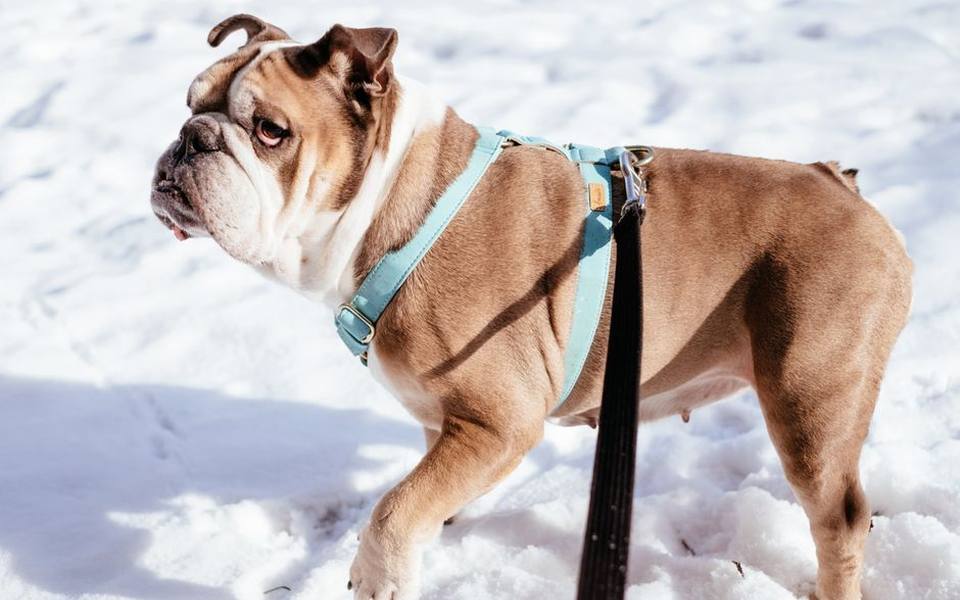
Conversely, hiring an established local dog walking company generally provides an added layer of administrative consistency and accountability. Traditional agencies typically employ their staff directly or work with thoroughly vetted, bonded contractors who undergo criminal background checks and hands-on animal handling assessments. More importantly, reputable agencies maintain robust protocols for substitute coverage, ensuring your dog never misses an essential midday relief visit if your primary handler has car trouble or takes personal leave.
Platform contractors often carry basic third-party platform protection, but this coverage may contain high deductibles or strict exclusions compared to the comprehensive commercial liability policies carried by private companies. While app-based walks often appear slightly cheaper upfront, traditional companies frequently offer bundled monthly subscriptions that balance out total costs. Your final choice depends on whether you prefer directly managing an individual freelance relationship or relying on agency administrative management.
Understanding Standard Dog Walking Rates and Pricing Models
Base dog walker rates across the country are influenced primarily by visit duration, pack size, geographic location, and specific handling needs. For a basic thirty-minute neighborhood walk, rates typically range between twenty and thirty-five dollars, while a full sixty-minute excursion generally costs between thirty and fifty-five dollars. Quick fifteen-minute bathroom visits for senior dogs or young puppies usually command lower fees, though handlers still account for travel time and overhead.
Household composition directly impacts your total billing statement. Most walking services charge an additional five to fifteen dollars per visit for a second dog from the same household, reflecting the physical effort and leash management required to steer multiple pets safely. Group pack walks, where a handler takes four to six compatible dogs from different households simultaneously, often carry a modest discount compared to dedicated private solo outings.
Hidden expenses can influence your monthly invoice if not clarified during the initial intake conversation. Many professionals apply holiday surcharges, weekend premiums, or late-booking penalties when requests occur outside standard operating windows. Additionally, requests involving medical administration, oral medication dispensing, or specialized behavioral handling usually incur moderate supplemental fees to compensate the walker for specialized care and extra time on site.
Regional Pricing Differences Across Urban Corridors and Suburbs
Where you live plays an enormous role in pricing structures. In dense, high-cost metropolitan markets like New York City, finding a reliable dog walker Upper East Side residents trust involves navigating historic walk-up brownstones, high-rise service elevators, and strict doorman key check-in protocols. These logistical layers consume substantial time, which is why hiring a dog walker UES wide typically commands higher rates, often thirty dollars or more for a concise thirty-minute visit. If your outings take place near muddy urban parks, owners frequently rely on Self-Serve Dog Washes in New York to clean their pets before heading back upstairs.
Just across the Hudson River, seeking a dog walker Jersey City residents depend on reveals similar high-density dynamics, particularly around high-rise residential towers near the waterfront. Walkers in these neighborhoods frequently negotiate multi-building security, shared dog runs, and heavy traffic along busy avenues, which naturally drives up average hourly service fees. The trade-off is high accessibility, as multiple walkers operate within identical high-density buildings, sometimes offering shared-building rate discounts.
In contrast, securing a dog walker Richmond VA families employ illustrates how mid-sized regional markets balance driving distances against service fees. Rather than navigating elevators, Richmond walkers routinely drive between detached residential neighborhoods, incurring personal vehicle wear and fuel expenses that shape their underlying price models. Overall rates in regional hubs remain somewhat lower than in dense northeastern coastal metros, typically averaging several dollars less per comparable half-hour private outing.
Tailoring Excursions for Senior Canines and Sensitive Joints
Not every canine client requires a fast-paced cardiovascular workout; many aging pets and recovering dogs need modified care. When addressing the physical needs of senior animals, exploring gentle care options for dog walker joints means planning routes that minimize steep inclines, uneven cobblestones, and slick concrete pavement. Senior pets with arthritis or degenerative joint conditions benefit immensely from slow-paced, sensory-focused sniff walks that keep circulation flowing without aggravating chronic inflammation.
A knowledgeable pet care professional understands how seasonal weather affects joint health and physical endurance. During cold winter spells, stiffness often worsens, necessitating protective booties, warming coats, and shortened outdoor exposure followed by indoor companionship. In hot summer weather, scalding asphalt damages paw pads and rapidly exhausts older canines, forcing experienced walkers to seek out shaded grassy parks and schedule excursions during cooler morning hours.
While the phrase dog walker joints is occasionally recognized in popular slang as shorthand for mini pre-rolled cigarettes sized for a short stroll, in pet care, managing joint health is serious business. Handlers should be instructed on comfortable harness placement that avoids restricting shoulder blade movement or pressing against the spine. Clear post-walk notes regarding whether your dog showed limping, hesitancy on stairs, or reluctance to rise help you monitor long-term joint health.
Adventure Treks, Group Hikes, and Open Ranch Outings
For energetic breeds requiring more physical stimulation than a standard neighborhood stroll can deliver, specialized adventure outings offer an appealing alternative. A high-energy dog walker ranch service or farm-based excursion program transports dogs out of confined urban neighborhoods to private acreage or regulated hiking trails. These extended trips allow safe pack socialization, supervised off-leash exploration, and natural terrain swimming, keeping energetic working breeds thoroughly exercised and mentally relaxed.
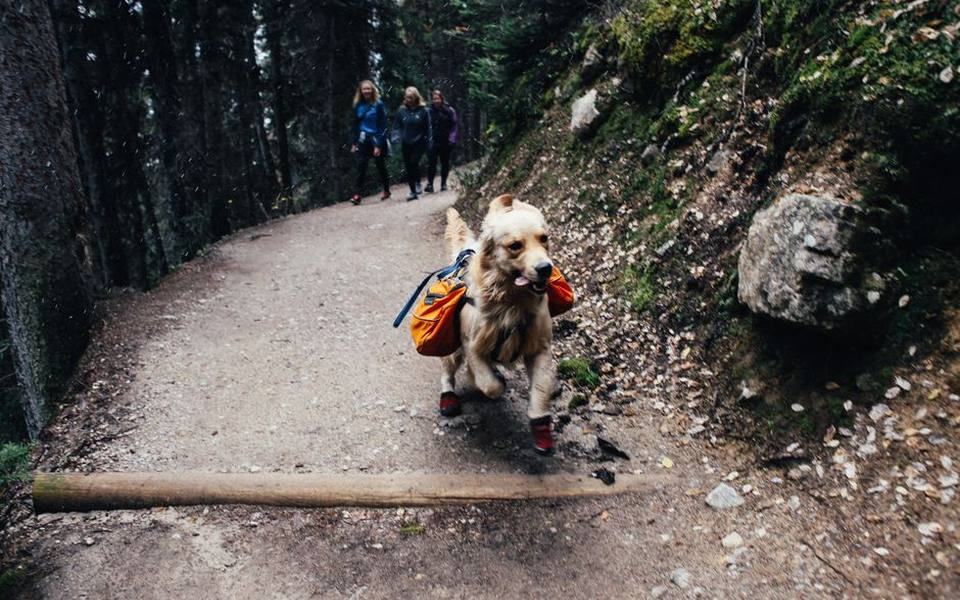
Adventure excursions typically require a much higher degree of behavioral evaluation and handler expertise than standard residential sidewalk strolls. Reputable outdoor ranch operators mandate solid recall training, balanced group pack temperament testing, and up-to-date parasite prevention before admitting new participants. Dogs travel in crated, climate-controlled transport vans, turning a standard midday walk into a three-to-five-hour wilderness experience that significantly reduces indoor boredom and destructive hyperactivity.
The pricing model for rural farm runs and trail hikes reflects the extensive travel time, fuel usage, and hands-on supervision involved. Daily fees for adventure camp visits typically run higher than conventional sixty-minute neighborhood walks, often ranging between forty-five and seventy-five dollars per trip. For busy urban owners living in apartment buildings without yards, this investment provides essential enrichment that keeps hunting, herding, and sporting dogs physically sound.
Licensing, Insurance, and Evaluating Agency Credentials
Selecting an established pet care service requires looking beyond creative branding and clever dog walking company names to evaluate actual business legitimacy. Professional agencies hold dedicated commercial general liability insurance policies and bonding that safeguard homeowners against accidental property damage, lost house keys, or animal injuries occurring under the handler's supervision. Verifying that a company maintains valid animal bailee coverage ensures veterinary expenses are addressed if an emergency arises away from your property.
Legitimate agencies establish rigorous onboarding protocols that distinguish them from casual neighborhood hobbyists. Inquire whether their staff members receive certification in pet first aid and canine CPR, how they manage leash reactivity around unfamiliar off-leash dogs, and what communication tools they use to send daily check-in reports. High-end companies frequently deploy dedicated scheduling software that provides real-time GPS tracking timestamps, arrival notifications, and photo updates upon walk completion.
Understanding employment structures also provides insight into walker reliability and long-term staff retention. Companies that classify their staff as direct W-2 employees typically exert closer oversight on training, uniform standards, and walking procedures compared to firms relying entirely on independent 1099 contractors. When walkers feel supported with fair compensation and safe working parameters, turnover decreases, giving your dog the comfort of a familiar, trusted companion week after week.
Setting Practical Expectations and Professional Boundaries
Portrayals in media have long highlighted the personal, sometimes quirky nature of urban pet care. A famous television example was the recurring dog walker on King of Queens, where character Holly Shumpert cheerfully navigated client eccentricities and eventually found herself walking an elderly father figure alongside her canine pack. While humorous on screen, real-world pet management requires clear, well-defined professional boundaries regarding communication, household access, and daily responsibilities.
Establishing direct guidelines during your initial consultation prevents uncomfortable misunderstandings regarding home security and personal space. Clarify which rooms of your residence the walker may enter, where waste bags and cleaning supplies are stored, and how keys, smart locks, or security alarm codes must be handled. Professional handlers expect clear ground rules and appreciate households that maintain an organized staging station near the entryway with fresh towels, clean leashes, and secure harnesses.
Equally important is defining how your walker should manage behavioral training reinforcement during daily strolls. If you are teaching your pet loose-leash walking, counter-conditioning reactivity to skateboards, or curbing door-dashing habits, the walker should apply consistent verbal cues and reward techniques. A unified approach between owners and pet care providers prevents confusing the dog and reinforces constructive outdoor manners over time.
Managing Inclement Weather, Dirty Paws, and Post-Walk Grooming
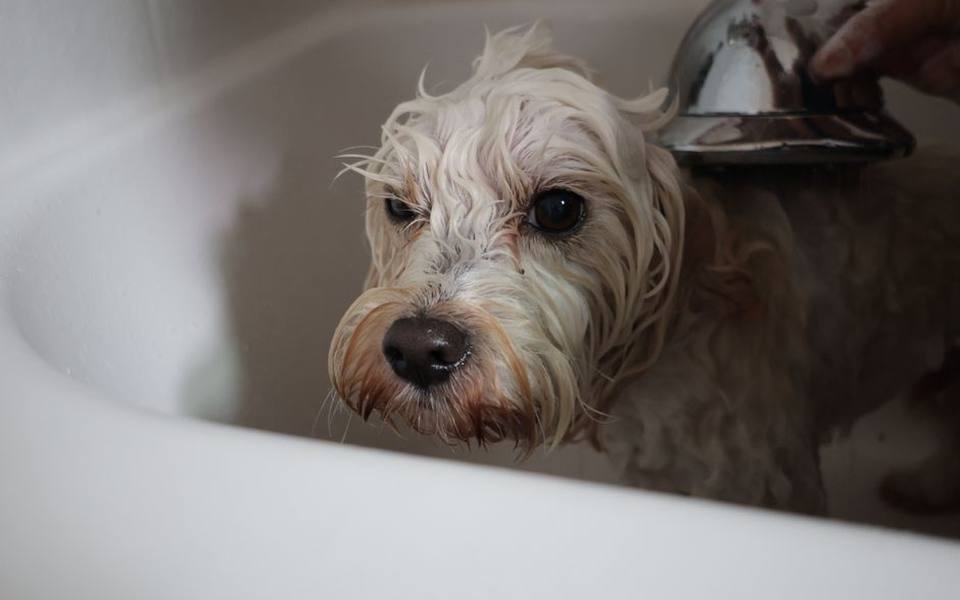
Rainy afternoons, melting winter snow, and muddy park trails can leave your dog covered in grit and dampness before returning to clean floors. To maintain household cleanliness, supply your walker with absorbent microfiber towels, dog-safe paw wipes, and leave-in conditioner spray stationed right at the entrance. Instruct handlers to thoroughly dry sensitive areas between paw pads and clean underbellies, preventing damp fur from matting or developing skin irritations.
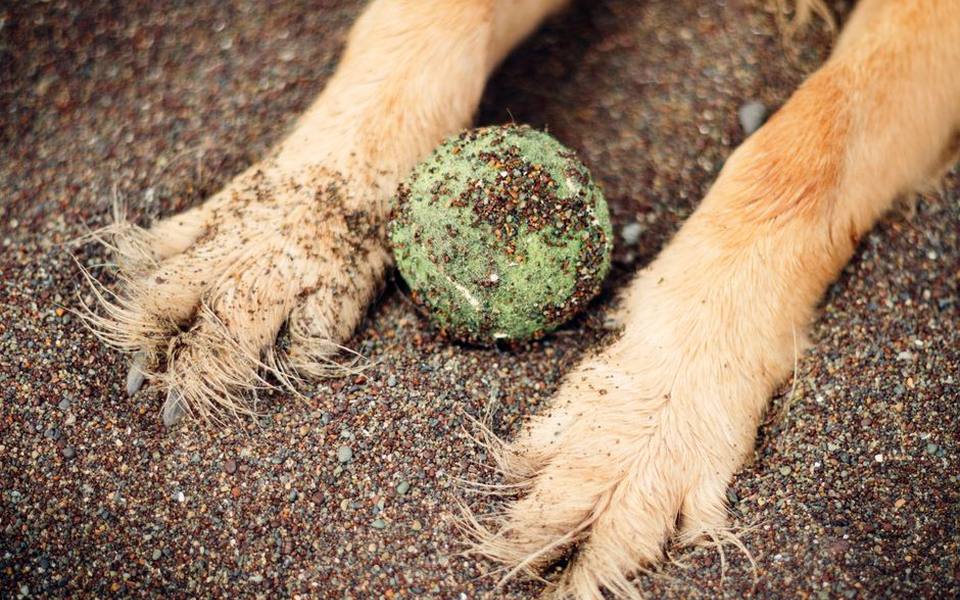
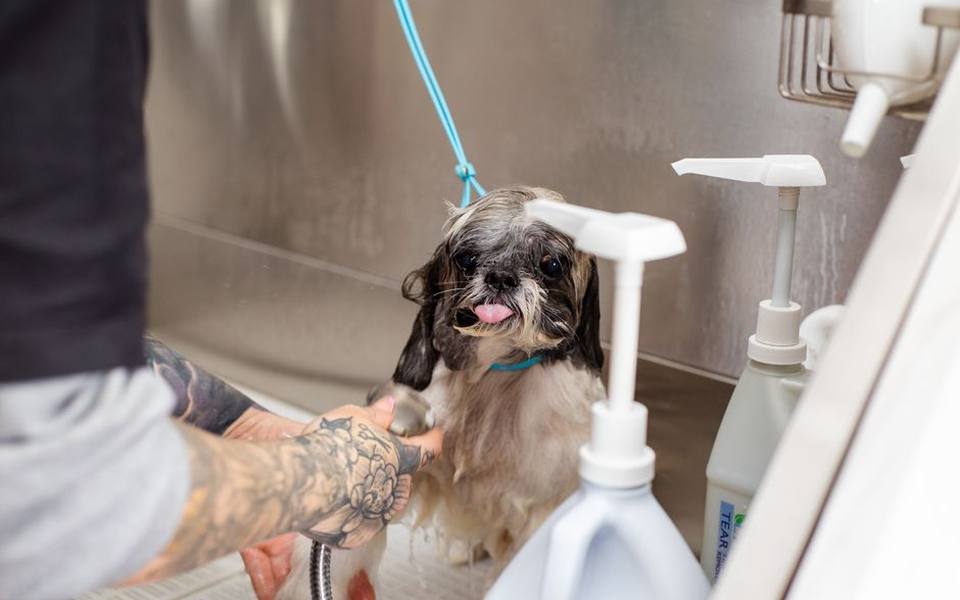
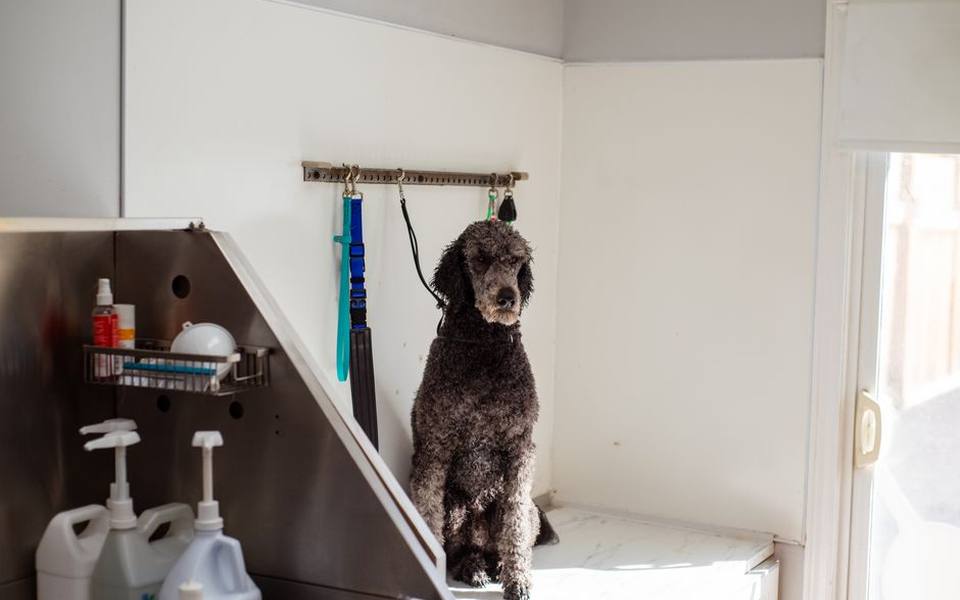
When outdoor adventures turn especially messy, routine home spot-cleaning may fall short. In those situations, knowing the locations of nearby Self-Serve Dog Wash Stations allows pet parents to complete a thorough shampoo and blow-dry without making a mess of their home bathroom. Many pet owners also look for convenient Walk-In Dog Washes over the weekend to strip away accumulated street oils and trail dirt after several days of brisk urban walks.
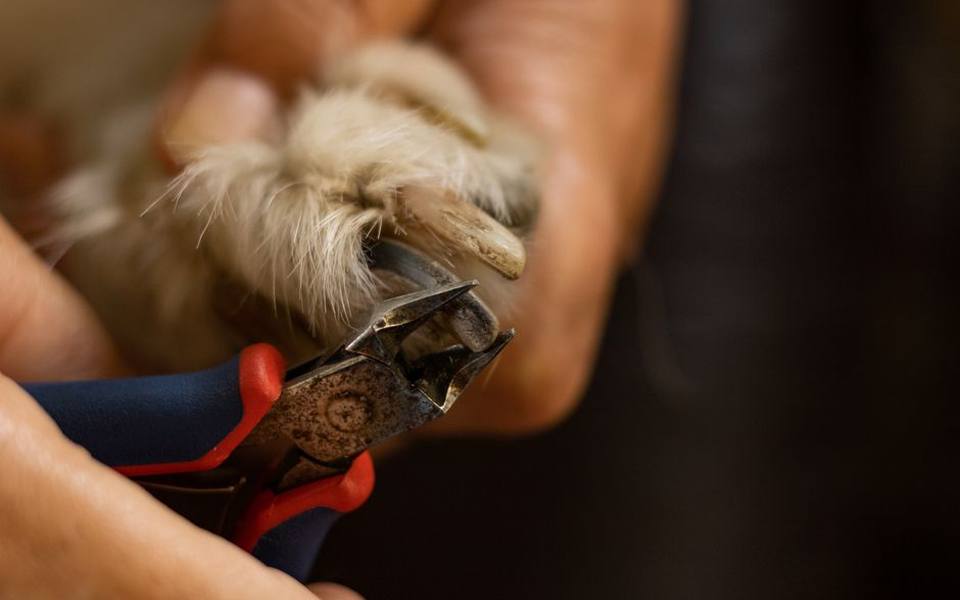
Regular sidewalk walking on abrasive concrete naturally files down canine claws, but routine nail maintenance remains essential to prevent uncomfortable skeletal misalignment. Long nails force the foot to splay outward, altering gait mechanics and placing unnecessary strain on leg joints during daily strolls. Scheduling regular visits for Dog Nail Trimming and Grinding Services ensures your companion walks comfortably on all surfaces without snagging claws or cracking nail beds.
Conducting the Consultation and Scheduling a Trial Stroll
Before handing over your home keys or signing a recurring contract, always schedule an in-person meet-and-greet in your living space. This initial meeting allows you to observe how the walker approaches your dog, whether they respect personal space, and how your pet responds to their voice and handling style. Pay close attention to whether the provider asks detailed questions regarding health history, bite history, fear triggers, and emergency contacts.
Following a successful consultation, arrange a paid trial walk while you remain nearby or observe from a short distance. This trial run reveals how comfortably the handler operates your dog's harness and leash setup, how they handle outside distractions like passing cyclists or barking yard dogs, and whether they maintain environmental awareness. An observant handler scans ahead for hazards such as discarded street food, broken glass, and approaching off-leash pets.
Finally, review the company's cancellation policies, inclement weather protocols, and billing schedules in writing. Reputable providers offer straightforward policies detailing notice windows for schedule changes, handling of severe weather warnings like blizzards or extreme heat advisories, and transparent invoicing schedules. Establishing these operational parameters upfront builds a long-term, mutually respectful partnership centered around your pet's safety, happiness, and physical well-being.
Published 2026-09-25 · reviewed with each rebuild, last September 2026.
Find self-serve dog washes near you
The directory lists 2,264 self-serve dog washes by state and city — pick your state or use the “Near me” button in the header.
More guides
-
 Money
MoneyUnderstanding the Costs of Grooming and Washing Your Dog
-
 Service
Canine Scent Gland Care: Symptoms, DIY Steps, and Professional Costs
-
 Money
MoneyDog Grooming Cost Breakdown: Salons, Mobile Vans, and Retail Chains
-
 Service
Dog Anal Gland Expression: How It Works, When It Is Needed, and Typical Costs
-
 Owning
Essential Dog Grooming Tools: Choosing Clippers, Shears, and Maintaining Blades
-
 Money
MoneyDog Teeth Cleaning Costs: Vet Anesthesia vs. Non-Anesthetic Options
-
 Service
How to Choose the Best Local Dog Groomer: What to Look For
-
 Service
Self-Service Dog Wash Guide: Locations, Pricing, and How It Works
-
 Owning
Complete Dog Anal Gland Care: How to Express, Symptoms, and Safe Techniques
-
 Service
Professional Dog Grooming and Self-Wash Stations: Comparing Costs, Services, and Formats
-
 Owning
Dog Nail Trimming and Grinding Guide: Clippers, Rotary Tools, and Safe At-Home Care
-
 Service
Popular Dog Haircut Styles: Breed Cuts, Teddy Bear Trims, and Styling Rules
-
 Owning
Managing Dog Itchy Skin and Fleas: Medicated Baths, Shampoos, and Remedies
-
 Service
Complete Cat Grooming Guide: Bathing, Haircuts, Nail Trimming, and Mobile Care
-
 Owning
Dog Ear Cleaning and Flushing Solutions: Preventing Wax Build-Up and Infections
-
 Owning
Dog Anal Gland Care: Expression, Swollen Glands, and Hygiene Solutions
-
 Owning
Dog Blow Drying, Coat Coloring, and Waterless Grooming Essentials
-
 Owning
Essential Grooming Tools: Brushes, De-Matting, Odor Neutralizers, and Paw Care
-
 Owning
Canine Dental Hygiene Guide: Toothbrushes, Powders, and Tartar Control
-
 Owning
Complete Guide to Dog Training: Methods, Equipment, Classes, and Costs
-
 Owning
Ultimate Guide to Dog Haircut Styles by Breed: Puppy Cuts, Teddy Bear, and Lion Clips
-
 Owning
How to Treat Dog Itchy Skin and Allergies: Medications, Shampoos, and Home Remedies
-
 Safety
How to Trim Dog Nails Safely: Clippers vs Grinders and Techniques
-
 Service
Professional Dog Grooming Services: Costs, Salons, and At-Home Options
-
 Owning
Dog Dental Care Guide: Toothbrushes, Powders, and At-Home Cleaning
-
 Safety
Dog Ear Cleaning Solutions, Wax Buildup, and Infection Care Guide
-
 Owning
Choosing the Right Dog Shampoo for Dry Skin, Dandruff, Fleas, and Ticks
-
 Owning
Self-Serve Dog Wash Stations and Home Bathing Setup Guide
-
 Buying
Essential Professional Grooming Tools, Clippers, and Blade Care
-
 Owning
Dog Nail Trimming, Grinding, Polish, and Safe Hair Dye: A Practical Guide
-
 Service
Dog Haircuts and Breed Styling Guide: Popular Cuts, Trims, and Coat Care
-
 Service
Cat Grooming and Styling: Lion Cuts, Bathing, and Coat Care
-
 Owning
Dog Ear Care and Skunk Odor Removal: Cleaning, Wax, and Emergency Deodorizing
-
 Safety
Dog Flea Baths and Medicated Shampoos: OTC and Prescription Remedies
-
 Owning
Complete Guide to Raw Dog Food Nutrition and Diets
-
 Owning
Dog Birthday Cakes, Safe Treats, and Celebration Guide
-
 Service
Dog Breed Haircuts, Styling, and Coat Maintenance Guide