Pinpointing Why Your Dog Cannot Stop Scratching
A dog that scratches, licks its paws, or chews its flanks continuously is reacting to inflammation within the dermal barrier. While occasional scratching is completely normal grooming behavior, persistent scratching signals an active trigger that breaks the skin and opens the door to secondary infections. Identifying the underlying cause requires careful observation of where your pet scratches most frequently. Rump and tail base itching almost always points to flea activity, while paw chewing, belly redness, and recurrent ear issues usually reflect environmental or food allergies.
External parasites represent the most frequent cause of sudden, violent itching. Fleas move quickly through the hair coat, and a single bite from a flea can cause severe flea allergy dermatitis in sensitized pets. Beyond parasites, bacterial folliculitis, yeast dermatitis, dry household air during winter heating seasons, and harsh chemical exposures from lawn fertilizers can all trigger intense skin flare-ups. Because the symptoms look remarkably similar across diverse skin conditions, treating the irritation effectively begins with inspecting the skin surface down to the follicle level under good lighting.
To check your dog properly, part the coat along the spine, belly, and inner thighs to inspect the bare skin. Look for redness, flaking, scabbing, hair loss, or tiny black specks resembling ground pepper, which often indicate flea dirt. If the skin feels excessively greasy or emits a stale, musty odor, yeast overgrowth is likely complicating the situation. Taking ten minutes to methodically examine the problem areas prevents wasting time and money on over-the-counter remedies that do not address the true medical root of the irritation.
How Flea Shampoos Work to Eliminate Live Pests
Flea shampoos are designed as rapid knockdown tools rather than long-term preventatives. Most commercial formulations rely on active pesticide ingredients such as pyrethrins, synthetic pyrethroids, or natural insecticidal surfactants that dissolve the waxy outer shell of adult fleas on direct contact. When you apply a flea wash, the chemical agent disrupts the nervous system of the insect, causing paralysis and death within minutes of exposure. This gives the dog immediate physical relief from the biting pests currently living in their coat.
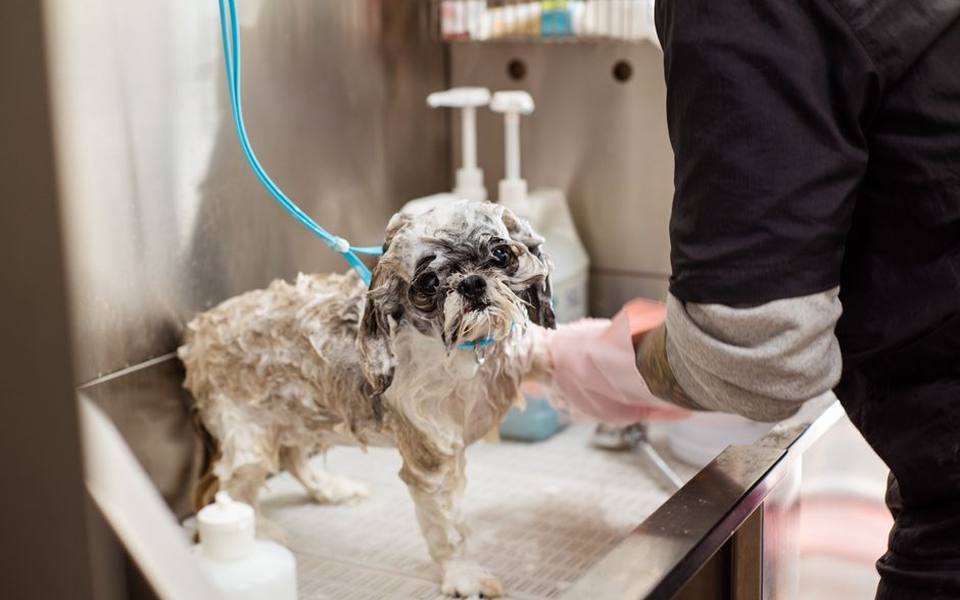
Proper application technique determines whether a flea bath succeeds or fails. Fleas instinctively scramble toward dry, warm areas such as the face, ears, and muzzle the moment warm water touches the dog. To prevent this migration, lather a thick ring of shampoo around the dog's neck before wetting the rest of the body. Once the barrier ring is established, saturate the coat and work the lather thoroughly down to the skin surface, paying particular attention to the armpits, groin, and base of the tail.
Contact time is the critical factor when using any insecticidal bath product. In most cases, the lather must remain on the dog for roughly ten full minutes before rinsing; washing it off too quickly allows adult fleas to survive and revives half-stunned parasites. After the required contact period, rinse the dog thoroughly with lukewarm water until the runoff is completely clear. Lingering shampoo residue can dry out sensitive dermal layers and worsen pre-existing skin irritation.
While an insecticidal bath clears current parasites, it provides practically zero residual protection once the coat dries. Eggs laid before the wash will hatch within days, leading to reinfestation unless paired with an environmental cleanup or ongoing preventative medication. Using a flea wash every few days is rarely recommended because repeated chemical baths strip natural protective oils, leaving the skin flaky, raw, and far more prone to secondary bacterial problems.
Comparing Oral Treatments and Topical Preventatives
Modern veterinary medicine has shifted heavily away from regular flea bathing toward systemic chewables and concentrated topical drops. Monthly oral chews, primarily belonging to the isoxazoline class, work from inside the dog's bloodstream. When a flea or tick bites the pet, it ingests the active compound and dies rapidly before it can lay viable eggs. These systemic tablets eliminate the mess of bathing, do not wash off during swimming, and prevent the human household from contacting wet pesticide residues on the dog's coat.
Fast-acting oral tablets containing ingredients like nitenpyram serve a distinct purpose during severe infestations. These short-acting pills begin neutralizing adult fleas within roughly thirty minutes, delivering rapid knockdown without leaving residual chemicals in the animal's body past twenty-four to forty-eight hours. Owners often pair these quick-kill pills with medicated soothing baths to provide immediate comfort while starting a standard monthly preventative chewable for long-term parasitic control.
Topical spot-on applications remain a reliable alternative for pets that refuse chewable tablets or suffer from sensitive gastrointestinal tracts. These concentrated liquids spread across the lipid layer of the skin within twenty-four hours, storing active ingredients within the sebaceous glands. However, frequent bathing or heavy swimming can diminish the longevity of topical treatments. When bathing a dog that uses topical drops, choose a gentle, soap-free formula and wait at least forty-eight hours after application before wetting the coat.
Soothing Irritated Skin with Colloidal Oatmeal and Aloe
When scratching stems from seasonal allergies or environmental dryness rather than parasites, soothing natural cleansers offer remarkable physical comfort. Grooming products featuring colloidal oatmeal and organic aloe vera, such as gentle oatmeal blends, work by coating the skin in protective polysaccharides and lipids. Colloidal oatmeal contains natural avenanthramides, which are anti-inflammatory compounds that calm redness and halt the histamine-driven urge to scratch without exposing raw tissue to harsh synthetics.
Aloe vera acts as a natural humectant, pulling moisture deep into parched epidermal tissue while cooling hot spots. When washing an irritated dog with an oatmeal and aloe formula, lather the pet gently using lukewarm or cool water instead of warm water. Warm water dilates surface capillaries, which intensifies itch signals and inflames already tender skin. Massaging the cool lather across the body for five to ten minutes lets the natural emollients penetrate the damaged lipid barrier.
For owners managing recurring flare-ups, dedicated self-serve dog wash stations provide an ideal setup for applying extended oatmeal soaks. These commercial facilities feature elevated tubs, adjustable spray nozzles, and steady water temperatures that make ten-minute soak times comfortable for both owner and pet. Regular gentle bathing with natural oatmeal formulas removes environmental pollens, mold spores, and outdoor dust from the coat before these allergens can penetrate the dermal layer.
Managing Sarcoptic and Demodectic Mange in Dogs
Mange is a severe dermatological condition caused by microscopic mites burrowing into the skin or colonizing hair follicles. Sarcoptic mange, also known as scabies, produces an intense, relentless itch that causes dogs to scratch themselves until they bleed. It spreads easily between dogs and concentrates around ear margins, elbows, hocks, and the chest. Demodectic mange, by contrast, involves an overgrowth of naturally occurring mites, often leading to patchy hair loss and scaly skin without the frantic itching typical of scabies.
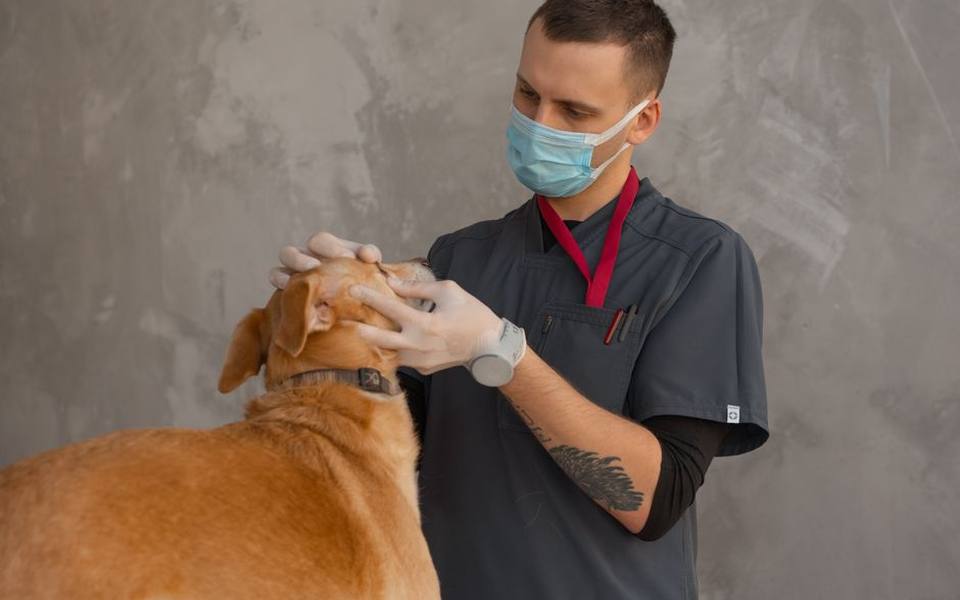
Treating mange requires veterinary confirmation through deep skin scrapings, as standard over-the-counter flea cleansers do not penetrate deep enough to kill burrowing mites. In past decades, veterinarians relied heavily on foul-smelling chemical dips applied weekly over several months. Today, modern oral flea and tick chews from the isoxazoline family provide an exceptionally effective, stress-free path to clearing both sarcoptic and demodectic mite populations in just a few scheduled doses.
Medicated baths still play an essential supporting role during mange therapy by clearing secondary bacterial crusts and loosening accumulated dander. Shampoos formulated with benzoyl peroxide or chlorhexidine flush out plugged hair follicles, preparing the skin surface for healing while oral prescriptions eliminate the active mites. Diligent cleaning of dog bedding, collars, and grooming brushes is mandatory during sarcoptic mange treatment to prevent continuous household reinfection.
Recognizing and Treating Ringworm Infections
Despite its misleading name, ringworm is not caused by a worm; it is a contagious fungal infection known scientifically as dermatophytosis. The fungus feeds on the keratin found in hair, skin, and nails, creating classic circular patches of hair loss accompanied by dry, crusty skin. The borders of these lesions often look red and slightly elevated, though some infected pets show generalized scurf or broken hair shafts without clear ring-like formations.
Ringworm spreads through direct contact with an infected animal or via contaminated objects such as clippers, bedding, and carpet fibers. Because ringworm is zoonotic, meaning it readily transfers from pets to humans, prompt treatment is critical. A veterinarian will typically confirm the diagnosis using a fungal culture, ultraviolet Wood's lamp examination, or microscopic hair evaluation before outlining a treatment protocol.
Topical antifungal therapy forms the foundation of ringworm containment. Specialized dips, such as diluted lime sulfur solutions, or medicated shampoos containing miconazole and chlorhexidine work to eliminate fungal spores directly on the hair shafts. Dogs with widespread lesions typically require systemic oral antifungal medications alongside their medicated baths. During active treatment, isolating the dog in an easily cleanable room minimizes spore distribution throughout the home.
Addressing Food and Environmental Allergies
When parasitic and fungal causes are ruled out, chronic itching usually stems from atopic dermatitis or dietary intolerances. Atopic dogs react to airborne allergens like tree pollens, ragweed, dust mites, and storage mites. These allergens absorb through an impaired dermal barrier, triggering massive histamine and cytokine release. Food allergies, while less common than environmental sensitivities, generally involve an immune reaction to primary animal protein sources like chicken or beef.
Finding true relief for an allergic dog requires a multifaceted strategy rather than a single miracle product. Dietary trials using strict hydrolyzed or novel single-protein diets over an eight-to-twelve-week window help isolate food triggers. For environmental atopy, veterinarians often prescribe targeted biological medications or immune-modulating tablets that switch off the itch receptors without shutting down the entire immune system, offering substantial relief during heavy seasonal pollen spikes.
Topical skin maintenance serves as a vital first line of defense for allergic pets. Regular bathing rinses away invisible allergens before they cross the stratum corneum. High-traffic facilities such as walk-in dog washes make it easy for owners to maintain weekly cleansing routines, removing allergens from large or heavy-coated breeds without flooding residential bathrooms or straining the owner's back.
Home Decontamination and Parasite Eradication
Treating your dog while neglecting your living environment is the most common reason flea infestations linger for months. Adult fleas living on your dog account for roughly five percent of the total population present in an infested home. The remaining ninety-five percent exists as invisible eggs, larvae, and pupae scattered across living room carpets, baseboards, dog beds, and beneath upholstered furniture.
To break the life cycle permanently, wash all pet bedding, throw blankets, and crate liners in hot water, then dry them on high heat for at least thirty minutes. High heat effectively destroys flea eggs and delicate larvae. Vacuum all carpeting, rug edges, and beneath furniture cushions every two to three days during an active outbreak. Empty the vacuum canister or discard the vacuum bag into an exterior trash receptacle immediately after cleaning so trapped pests cannot crawl back out.
Flea pupae construct tough, silk-like cocoons that resist common household aerosol sprays and chemical powders. These cocoons hatch when they detect vibrations, warmth, and carbon dioxide, signaling that a host is nearby. Regular vacuuming stimulates these dormant pupae to emerge into the open, where household treatments or newly administered pet preventatives can neutralize them before they mature enough to lay fresh batches of eggs.
Medicated Bathing Protocols at Self-Serve Dog Washes
Applying medicated baths at home can quickly turn into an exhausting struggle involving slick bathtubs, wet bathroom floors, and back strain. Dedicated self-serve facilities simplify the entire process by offering secure restraint tethers, walk-in ramps, and commercial-grade spray wands that thoroughly soak dense double coats in half the time. Across our directory of 1,434 listings in top states, owners frequently turn to self-serve stations to tackle labor-intensive flea and allergy treatments.
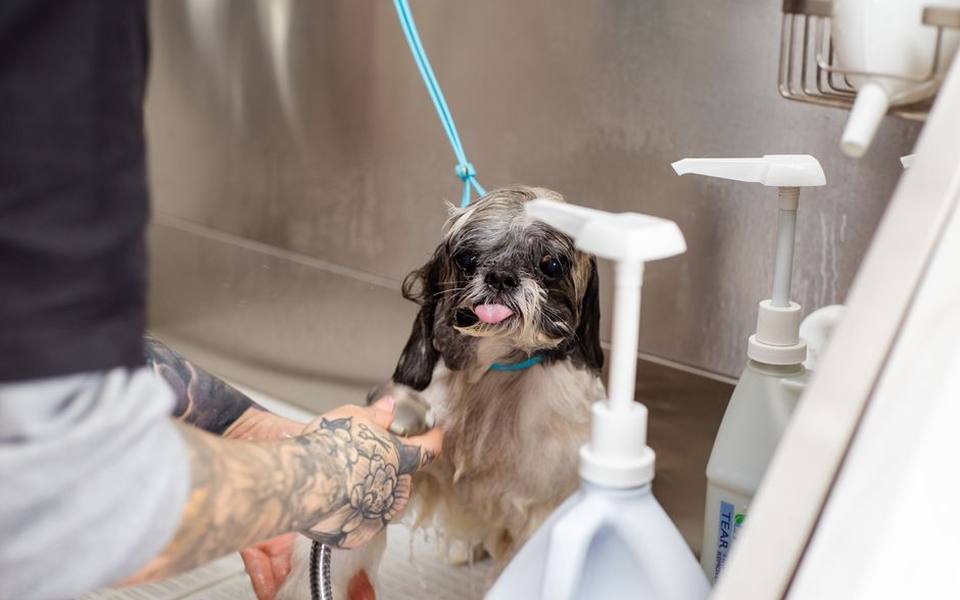
When handling an active skin condition at a public wash, bring your specific prescription or medicated bottle along, as communal wash stations rarely stock specialty antifungal or antiparasitic formulations. Always rinse the elevated wash tub thoroughly before leading your dog inside, and keep the water temperature strictly lukewarm. If unexpected flea discoveries happen late in the evening, searching for nearby 24-hour dog washes ensures you can handle the cleanup immediately instead of letting pests multiply overnight.
After lathering and observing the manufacturer's required dwell time, rinse your pet with extreme care. Medicated residues left behind can cause chemical burns, dry flaking, or worsened pruritus. Use the facility's low-heat blow dryers on a gentle setting to dry the coat, keeping warm air away from inflamed hot spots. Clean the tub basin and drain screen after you finish to keep the station sanitary for the next pet owner.
When Over-the-Counter Remedies Fail to Stop the Scratching
Home remedies and standard over-the-counter products have definite limits, and relying on them too long can allow a minor skin irritation to escalate into a deep, painful dermal infection. If your dog exhibits open sores, oozing hot spots, bleeding skin, or intense lethargy, home shampoos are no longer sufficient. Immediate veterinary evaluation is necessary to halt secondary bacterial or Malassezia yeast overgrowths using targeted systemic therapies.
Veterinarians possess diagnostic tools that take the guesswork out of skin care. Cytology swabs examined under a microscope reveal whether inflammation stems from round cocci bacteria, rod bacteria, or budding yeast organisms. Each organism demands a distinct therapeutic approach, such as prescription cephalosporin antibiotics, oral antifungals, or specific topical chlorhexidine flushes that commercial pet stores cannot legally dispense.
If regular medical therapies fail to provide durable relief, a referral to a board-certified veterinary dermatologist is the logical next step. Dermatologists perform intradermal skin testing to formulate custom allergen-specific immunotherapy, commonly delivered via under-the-skin allergy shots or sublingual oral drops. By gradually desensitizing the dog's immune system over several months, immunotherapy addresses the biological source of the itch rather than temporarily masking visible symptoms.
Published 2026-09-21 · reviewed with each rebuild, last September 2026.
Find self-serve dog washes near you
The directory lists 2,264 self-serve dog washes by state and city — pick your state or use the “Near me” button in the header.
More guides
-
 Money
MoneyUnderstanding the Costs of Grooming and Washing Your Dog
-
 Service
Canine Scent Gland Care: Symptoms, DIY Steps, and Professional Costs
-
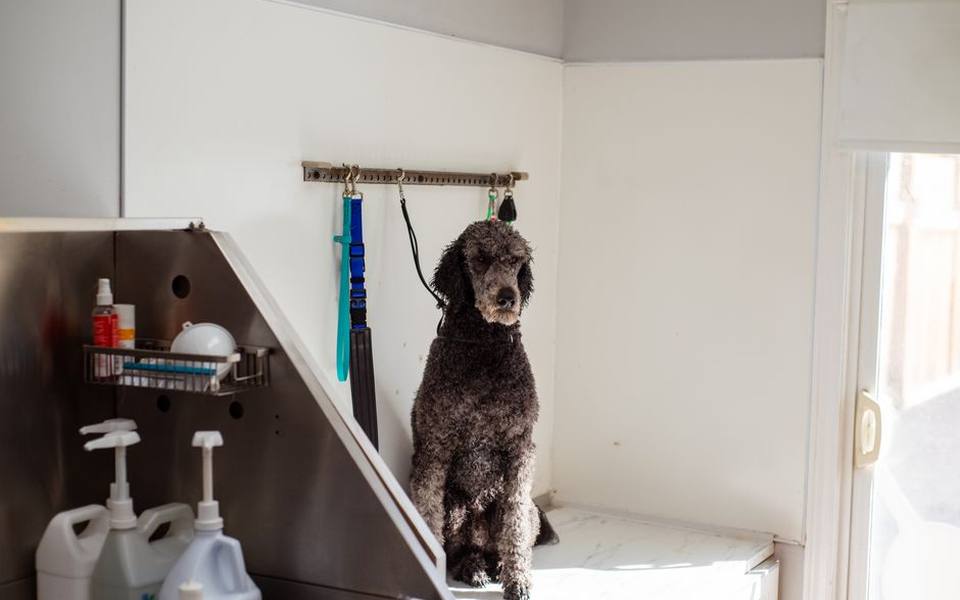 Money
MoneyDog Grooming Cost Breakdown: Salons, Mobile Vans, and Retail Chains
-
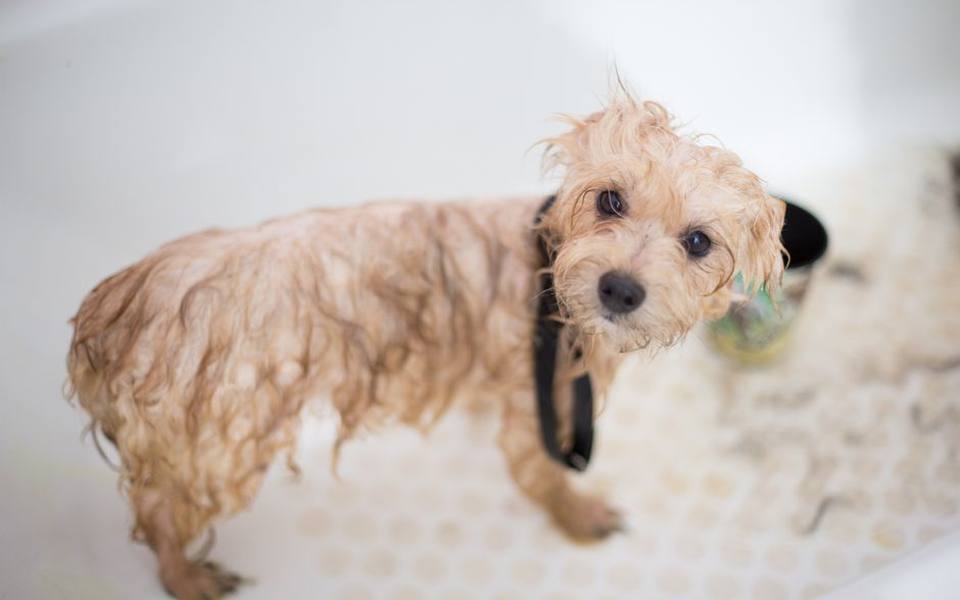 Service
Dog Anal Gland Expression: How It Works, When It Is Needed, and Typical Costs
-
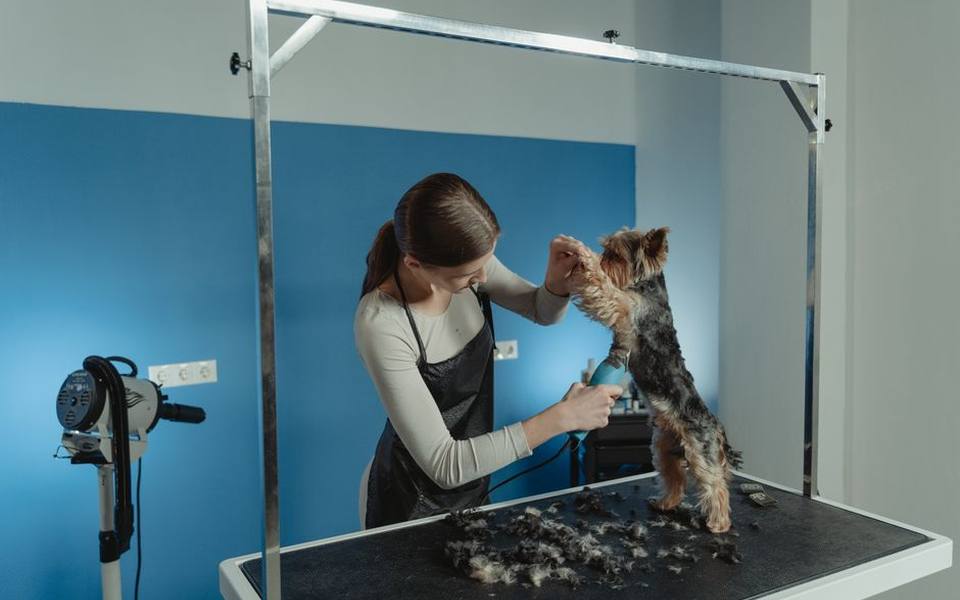 Owning
Essential Dog Grooming Tools: Choosing Clippers, Shears, and Maintaining Blades
-
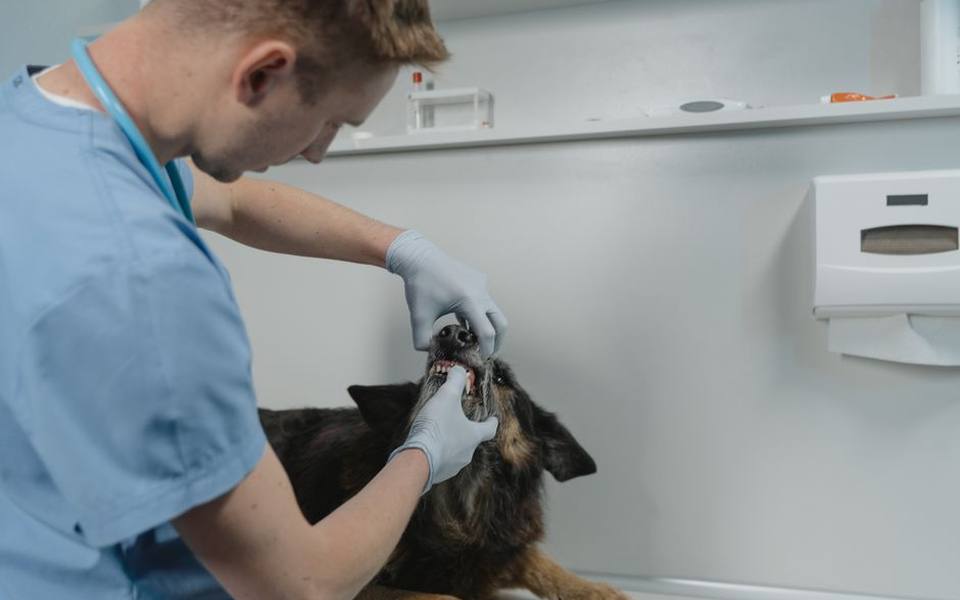 Money
MoneyDog Teeth Cleaning Costs: Vet Anesthesia vs. Non-Anesthetic Options
-
 Service
How to Choose the Best Local Dog Groomer: What to Look For
-
 Service
Self-Service Dog Wash Guide: Locations, Pricing, and How It Works
-
 Owning
Complete Dog Anal Gland Care: How to Express, Symptoms, and Safe Techniques
-
 Service
Professional Dog Grooming and Self-Wash Stations: Comparing Costs, Services, and Formats
-
 Owning
Dog Nail Trimming and Grinding Guide: Clippers, Rotary Tools, and Safe At-Home Care
-
 Service
Popular Dog Haircut Styles: Breed Cuts, Teddy Bear Trims, and Styling Rules
-
 Service
Complete Cat Grooming Guide: Bathing, Haircuts, Nail Trimming, and Mobile Care
-
 Owning
Dog Ear Cleaning and Flushing Solutions: Preventing Wax Build-Up and Infections
-
 Owning
Dog Anal Gland Care: Expression, Swollen Glands, and Hygiene Solutions
-
 Owning
Dog Blow Drying, Coat Coloring, and Waterless Grooming Essentials
-
 Owning
Essential Grooming Tools: Brushes, De-Matting, Odor Neutralizers, and Paw Care
-
 Owning
Canine Dental Hygiene Guide: Toothbrushes, Powders, and Tartar Control
-
 Owning
Complete Guide to Dog Training: Methods, Equipment, Classes, and Costs
-
 Owning
Ultimate Guide to Dog Haircut Styles by Breed: Puppy Cuts, Teddy Bear, and Lion Clips
-
 Owning
How to Treat Dog Itchy Skin and Allergies: Medications, Shampoos, and Home Remedies
-
 Safety
How to Trim Dog Nails Safely: Clippers vs Grinders and Techniques
-
 Service
Professional Dog Grooming Services: Costs, Salons, and At-Home Options
-
 Owning
Dog Dental Care Guide: Toothbrushes, Powders, and At-Home Cleaning
-
 Safety
Dog Ear Cleaning Solutions, Wax Buildup, and Infection Care Guide
-
 Owning
Choosing the Right Dog Shampoo for Dry Skin, Dandruff, Fleas, and Ticks
-
 Owning
Self-Serve Dog Wash Stations and Home Bathing Setup Guide
-
 Buying
Essential Professional Grooming Tools, Clippers, and Blade Care
-
 Owning
Dog Nail Trimming, Grinding, Polish, and Safe Hair Dye: A Practical Guide
-
 Service
Dog Haircuts and Breed Styling Guide: Popular Cuts, Trims, and Coat Care
-
 Service
Cat Grooming and Styling: Lion Cuts, Bathing, and Coat Care
-
 Owning
Dog Ear Care and Skunk Odor Removal: Cleaning, Wax, and Emergency Deodorizing
-
 Safety
Dog Flea Baths and Medicated Shampoos: OTC and Prescription Remedies
-
 Owning
Complete Guide to Raw Dog Food Nutrition and Diets
-
 Owning
Dog Birthday Cakes, Safe Treats, and Celebration Guide
-
 Service
Hiring a Dog Walker: Services, Rates, and Agency Options
-
 Service
Dog Breed Haircuts, Styling, and Coat Maintenance Guide