Understanding Coat Types Before Any Scissors Touch Hair
Choosing the right haircut begins with understanding your dog's specific coat genetics rather than simply picking an attractive picture online. Breeds with hair that grows continuously, such as Poodles, Shih Tzus, and Yorkshire Terriers, require regular cutting dog fur to prevent severe matting and skin irritation. Conversely, double-coated breeds have a dense undercoat paired with tough guard hairs that regulate body temperature through changing seasons. Knowing whether your pet has single-layer hair, a double coat, or a wiry texture determines whether clipping dogs hair is safe or likely to cause permanent follicle damage.
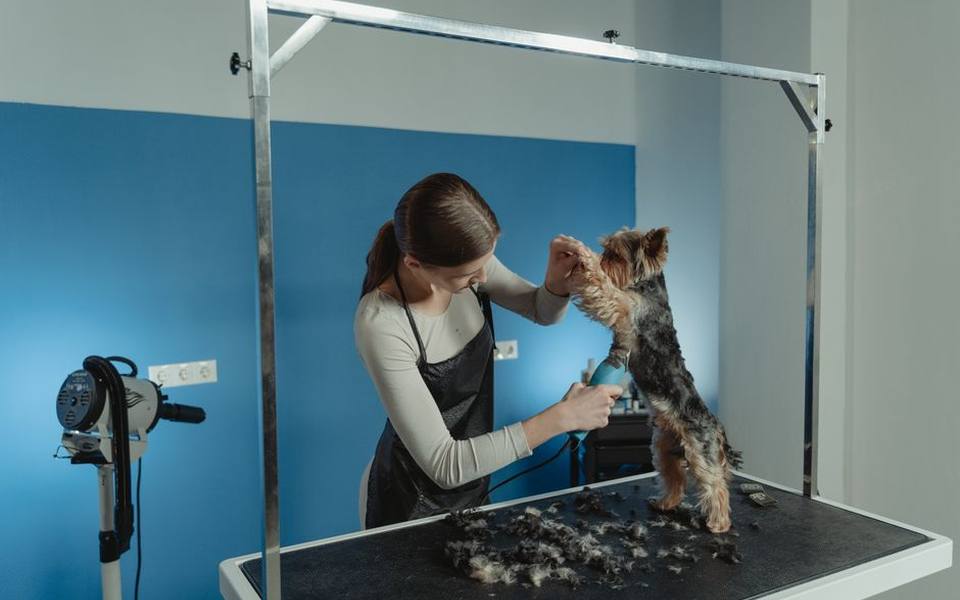
When clipping dogs hair at home or requesting a specific style at a shop, coat health dictates the length you can safely achieve. A neglected coat full of tangles forces the groomer to work underneath the mats, leaving the dog much shorter than planned. Starting with clean, detangled hair makes a dramatic difference in how the blades move across the body. Attempting to shave or shear dirty fur dulls equipment almost immediately, pulls on delicate skin, and leaves an uneven, choppy finish that takes weeks of regrowth to fix.
Skin sensitivity is another critical factor that varies widely across individual animals. Breeds prone to allergies or thin skin need protective lengths left over their backs and shoulders to shield against sunburn and environmental allergens. Before deciding on a dramatic transformation, run your hands through your dog's fur down to the skin surface to evaluate dander, hot spots, or hidden knots. That tactile check gives you an honest assessment of what styling choices will keep your companion comfortable and clean.
The Mechanics and Value of a Proper Sanitary Trim
A sanitary dog trim is one of the most critical grooming procedures for both long-haired dogs and fluffy cats, serving health and cleanliness rather than appearance. This process involves carefully clearing excess hair away from the groin, underbelly, inner thighs, and the area directly beneath the base of the tail. Without this routine maintenance, urine and feces inevitably cling to the fur, creating unpleasant odors, tracking mess onto furniture, and eventually causing painful urine scald or bacterial skin infections.
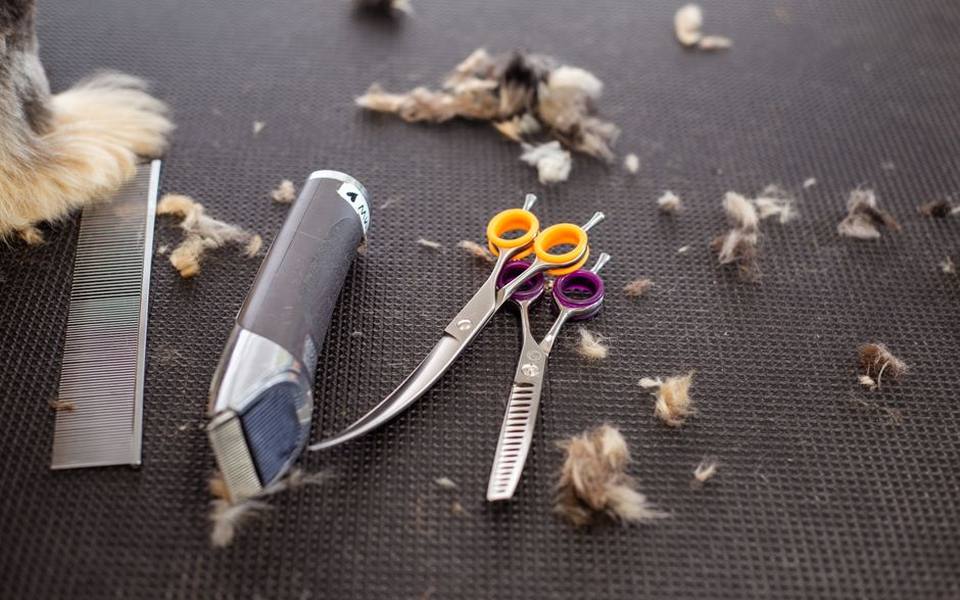
Executing a safe sanitary clearance requires the right equipment, gentle handling, and absolute precision. Professional groomers typically use a fine blade, such as a number ten clipper blade, running flat against the skin without applying downward pressure. The dog must remain completely steady during this step, as the skin folds around the tuck-up and genital areas are extremely thin and prone to accidental nicks. Owners doing maintenance at home should never use standard household scissors in these tight spots, as a sudden twitch can cause serious injury.
Frequency for sanitary maintenance depends on your dog's lifestyle, digestive health, and coat growth rate, but most pets benefit from a touch-up every three to six weeks. Many pet owners schedule a quick hygiene trim between full haircut appointments, often pairing the visit with dog nail trimming to keep the entire pet neat. Keeping these sensitive areas trimmed short makes daily bathroom breaks clean and eliminates the need for emergency spot baths after outdoor walks.
Popular Shih Tzu Haircuts: From Puppy Cuts to Summer Clips
Shih Tzus carry a dense, flowing double coat that offers remarkable versatility when it comes to styling choices. Many families prefer cute haircuts for shih tzu companions that reduce the extensive daily brushing required by a traditional floor-length show coat. The classic puppy cut remains the benchmark standard, leaving an even length of roughly one to two inches across the entire body, accompanied by rounded paws and a gently blended, circular head trim that retains the breed's expressive, teddy-like charm.
As temperatures climb, shih tzu summer haircut styles become an extremely practical alternative for active households. A proper summer clip generally reduces body length to a manageable quarter-inch or half-inch while leaving the ears and tail fuller to maintain balance. This cut prevents outdoor debris, burrs, and mud from accumulating in the coat during hikes or park visits. It also speeds up bath time significantly, allowing owners to wash and thoroughly dry their pet in a fraction of the usual time.
Face styling on a Shih Tzu requires careful balancing between cuteness and eye comfort. Because their eyes are slightly prominent, stray hairs can irritate the cornea and trigger excessive tear production, leading to red staining on the muzzle. Groomers often trim a clean inverted V-shape over the bridge of the nose or round the muzzle hair into a neat donut shape. Keeping the beard clean and combed prevents food particles from drying into rock-hard knots that pinch the lips.
The Shih Tzu Lion Cut: When and How to Style It
A bolder option that has gained significant attention is the lion cut for shih tzu pets, inspired by traditional feline trims and Asian fusion grooming trends. In this style, the clipper strips the torso, back, and rear quarters down to a short, uniform velvet length, while leaving a full, rounded ruff of hair surrounding the head, neck, and shoulders. The lower legs sometimes retain soft boots or flared cuffs, and the tail is left with a distinct plume at the tip.
While this style looks undeniably striking and simplifies daily maintenance across the torso, owners must weigh a few trade-offs. Shaving the torso down short removes the thermal buffer that naturally insulates the dog against outdoor heat and cold drafts indoors. If you take your pet out under direct midday sun, a short-clipped back can easily sunburn, especially on lighter-colored dogs. Applying pet-safe sunscreen or using a lightweight protective vest is advisable if you spend extended hours outdoors.
The lion cut is particularly useful for rescue dogs recovering from neglected coats where torso matted hair cannot be humanely brushed out, but the head and tail remain clear. It allows the damaged body coat to reset cleanly without needing to strip away the facial hair that gives the breed its endearing look. As the body hair regrows over several months, it transitions into a soft plush that can either be clipped back down or blended into a standard puppy cut.
Styling Petite Terriers: Teacup Yorkie Haircut Options
Yorkshire Terriers possess fine, silky hair that lacks a dense undercoat, giving them a sleek drape that behaves much like human hair. When examining teacup yorkie haircut styles, the primary goal is balancing protection, warmth, and proportion on an exceptionally small frame. A popular choice is the teddy bear trim, which rounds the face into a soft circle, trims the body to about an inch, and leaves the legs looking like soft cylinders, softening the sharp terrier lines.
Another classic approach is the modified schnauzer trim adapted for tiny terriers, which features a shorter back, tailored skirt along the belly, and clean leg furnishings. Because petite Yorkies have minimal body fat and thin skin, extremely close body shaving should generally be avoided unless severe matting leaves no alternative. Leaving at least a half-inch of coat ensures the dog does not shudder constantly from indoor air conditioning or brief winter excursions outdoors.
Ear detailing is a hallmark of proper Yorkie styling. Groomers use a close clipper setting to clear the top third of each upright ear on both sides, creating a crisp, pointed silhouette that prevents the heavy coat from weighing the ear leather down. Clean ears paired with trimmed foot pads and tidy bangs transform a scruffy pet into a sharp, comfortable companion that does not drag wet dirt indoors after every bathroom trip.
Maintaining the Standard Schnauzer Profile
The standard schnauzer haircut is defined by sharp geometric angles, strong character, and a distinguished silhouette that honors the breed's working heritage. In traditional show preparation, the harsh wire coat is hand-stripped to preserve its coarse water-repellent texture and deep color. However, for everyday companion dogs, pet owners typically opt for electric clipping, which softens the wire coat over time while maintaining the clean, muscular lines of the head, neck, back, and thighs.
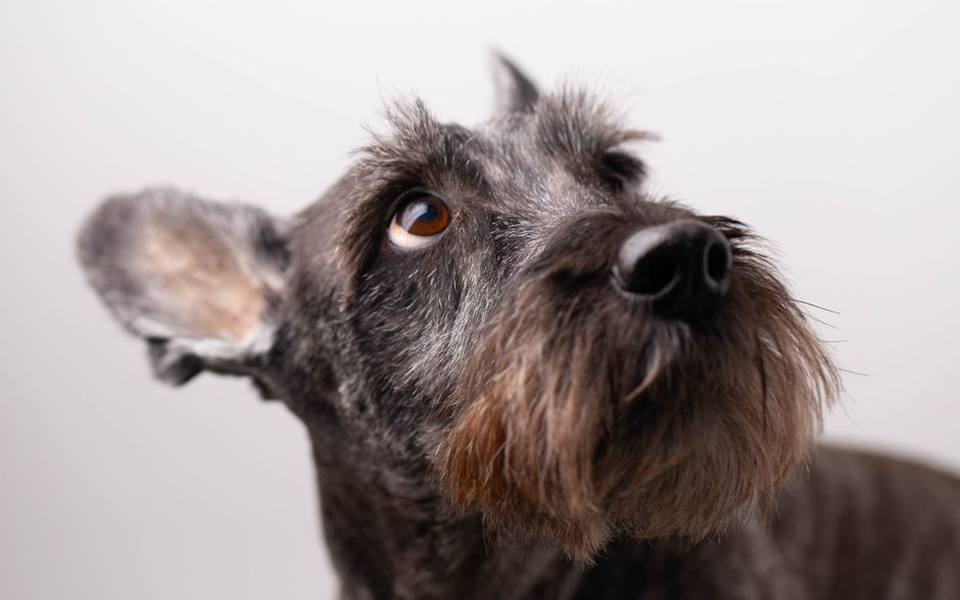
The signature elements of this style are the pronounced brick-shaped head, distinct arched eyebrows, and a full beard. The clipper cleans the throat, cheeks, and crown flat, while hand shears carve the eyebrows diagonally forward to shade the eyes without obstructing vision. The beard is combed forward and trimmed parallel along the jawline to create a boxy, powerful expression. Neglecting beard combing leads to trapped moisture, odor, and skin irritation under the chin.
Underneath the body, groomers blend a crisp chest and trim the leg furnishings into sturdy, straight pillars. The belly underline is gently angled upward from the deep chest toward the groin rather than left as a heavy, dragging fringe. Visiting walk-in dog washes periodically between professional haircut appointments provides access to high-velocity dryers, which are invaluable for blowing trail dirt and dead undercoat out of dense schnauzer furnishings.
Grooming Long-Haired Chihuahuas: Less Is Often More
Caring for a long-coated toy breed requires a very different mindset than handling non-shedding hair breeds. When tackling grooming long coat chihuahua companions, extensive shaving should almost always be avoided unless mandated by a medical issue. Because these small dogs carry a protective double coat, shaving the back can trigger post-clipping alopecia, where the guard hairs fail to regrow evenly, leaving behind patchy, dull undercoat tufts that no longer repel dirt or trap warm air.
Proper routine grooming chihuahua long hair relies primarily on de-shedding techniques, sanitary hygiene, and subtle perimeter scissor work. The dense feathering on the ears, chest ruff, tail plume, and rear breeches gives the breed its regal silhouette. Rather than clipping dogs hair across the back, use a fine slicker brush followed by a metal comb to gently lift out dead seasonal undercoat without snapping the delicate, glossy outer guard hairs.
When owners groom long haired chihuahua companions at home, the focus should land on keeping the feet neat and the sanitary region clean. The wispy fur between paw pads easily collects burrs, ice balls in winter, and household floor dust, making slick hardwood floors difficult for small dogs to navigate. Trimming paw pads flush with the paw leather and lightly shaping the hocks keeps the dog sure-footed while maintaining its natural, untrimmed elegance.
Creative Grooming: Color, Carving, and Artistic Flair
Beyond traditional breed profiles, creative grooming has developed into a thriving art form that turns pets into vibrant, walking canvasses. This specialty includes carving geometric patterns directly into dense coats, scissoring Asian-fusion teddy profiles, and applying pet-safe dye to ears, tails, and paws. Popular styles range from soft pastel accents on ear fringes to intricate carved spirals on poodles and bichon mixes, allowing owners to express personality while keeping their pets comfortable.
Safety and product chemistry are paramount whenever color or design work is introduced. Professional creative groomers rely exclusively on non-toxic, plant-based dyes and vegan temporary chalks formulated specifically for companion animals. Human hair dyes containing ammonia, hydrogen peroxide, or bleach should never be used, as they can cause severe chemical burns and toxic reactions through skin absorption or natural self-grooming. The animal's temperament must also suit the process, as detailed creative scissoring requires patience and calm behavior on the table.
Maintaining a creative cut demands dedication to frequent washing and gentle brushing. Color fades gradually with regular baths, typically lasting from a few weeks to a couple of months depending on coat porosity and shampoo formulas. For pet parents wanting just a hint of fun without full-body commitments, temporary chalk highlights or carved heart patterns on the hips offer an easy introduction that grows out naturally without altering the coat's underlying health.
Preparation Routines and Wash Station Setup
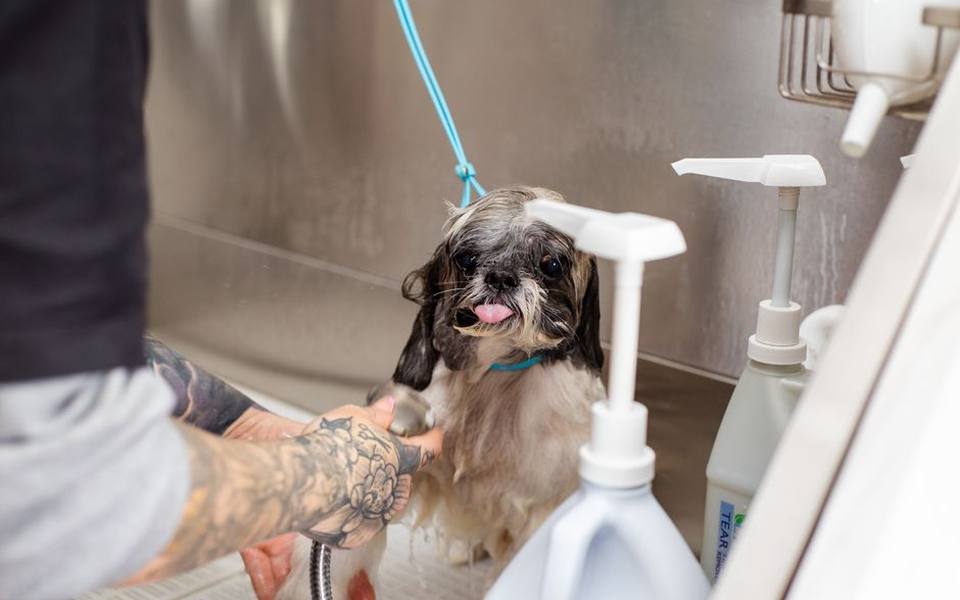
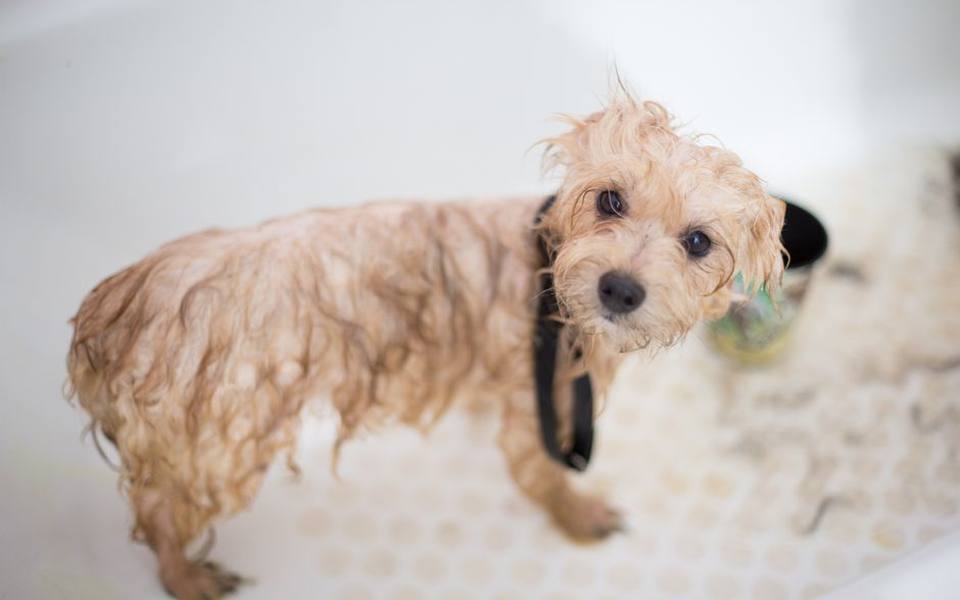
A flawless haircut is impossible without meticulous preparation in the wash tub. Cutting dirty hair not only ruins expensive shears but also produces an uneven, jagged finish because dust and grease cause hairs to bunch together irregularly. Thoroughly saturating the coat with warm water, massaging in an appropriate cleansing shampoo, and finishing with a light conditioner prepares the hair shafts to stand tall and separate neatly under the scissor blades.
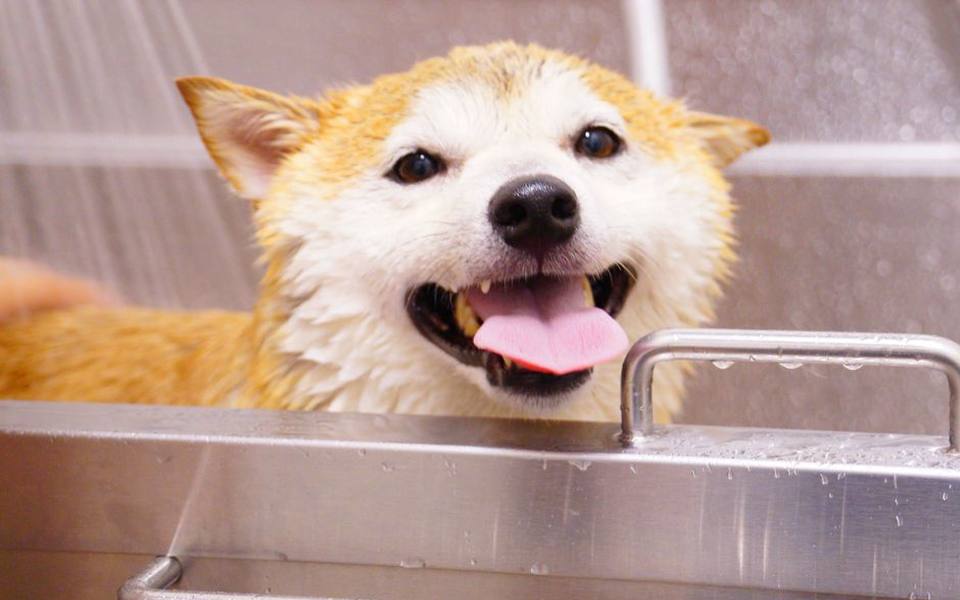
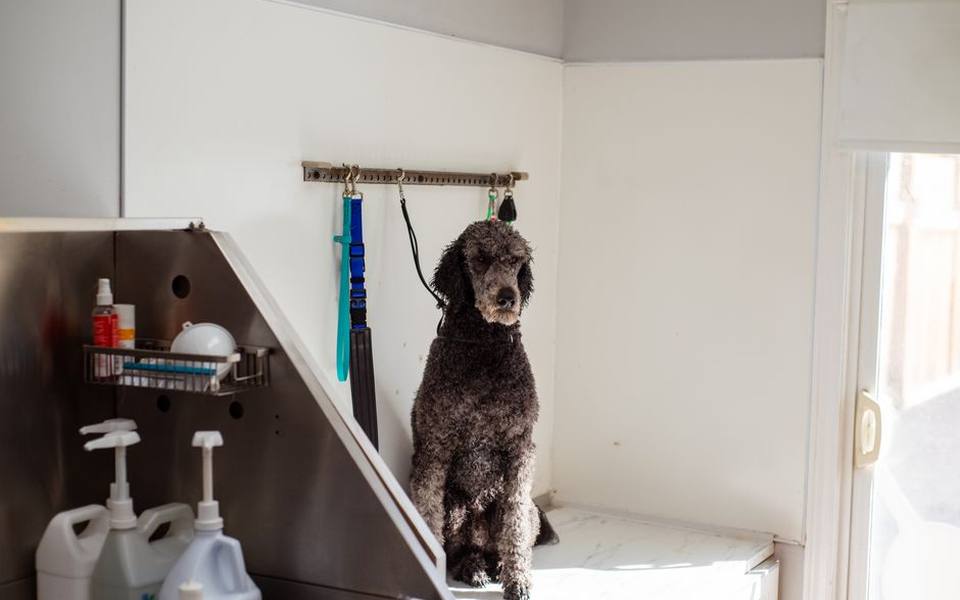
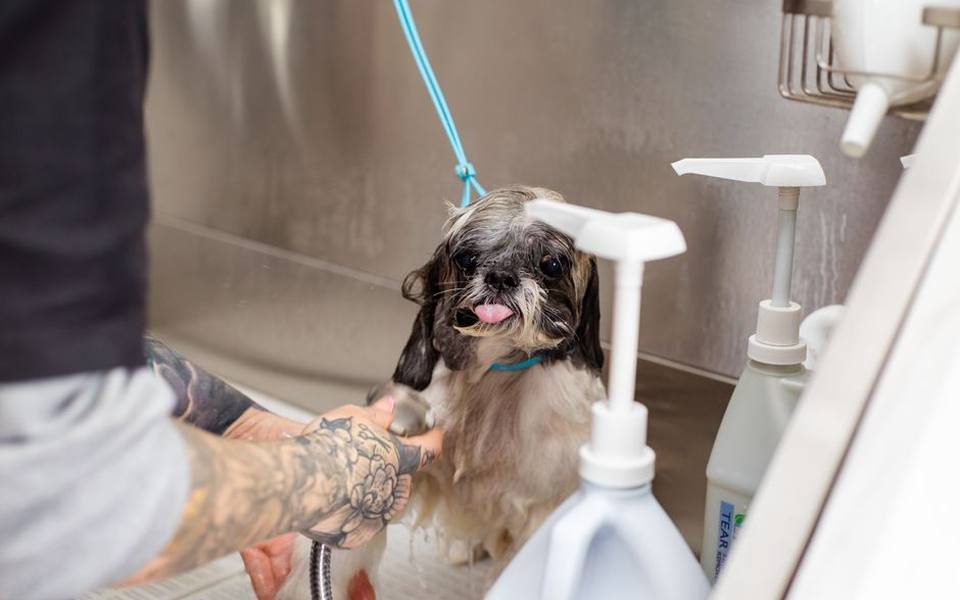
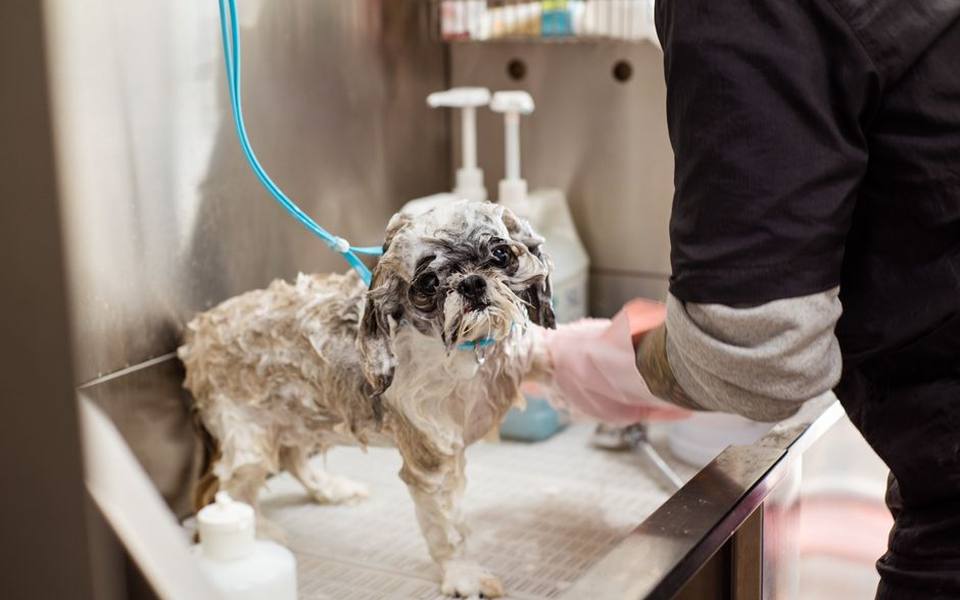
Using self-serve dog wash stations simplifies this stage considerably, especially for owners who groom at home or want to prepare their pet before a styling session. These commercial-grade tubs feature raised platforms that prevent back strain, secure restraints to keep anxious dogs safely positioned, and professional high-velocity blow dryers. High-velocity air does far more than dry the coat; it blasts loose dead hair out of the follicles, straightens minor coat curls, and separates individual strands for crisp scissoring.
Once the coat is completely dry down to the skin, comb through every inch with a steel greyhound comb before picking up clippers or scissors. If the comb snags anywhere on a hidden knot, that mat must be carefully worked loose using a slicker brush and detangling spray. Attempting to force clipper blades through unbrushed tangles pulls violently on the skin, causes blade chatter, and creates jagged gouges across what should be a smooth, even surface.
Long-Term Coat Maintenance and Daily Habits
Maintaining any stylish haircut between salon visits requires consistent daily and weekly habits rather than occasional marathon brushing sessions. A quick five-minute line-brushing routine every evening prevents tiny friction knots in the armpits, behind the ears, and along the collar line from developing into unmanageable pelted mats. Using the right tool for your dog's specific coat—such as a pin brush for fine silky hair or an undercoat rake for double coats—makes the experience enjoyable for the animal.
Bath frequency should align with lifestyle, coat length, and skin conditions. Many active owners find that a bi-weekly trip to self-service dog wash stations keeps dirt and grease from grinding down the coat while minimizing cleanup at home. Keeping the coat consistently clean preserves the structure of styled haircuts, reduces indoor pet odor, and prevents skin bacteria from multiplying under thick, neglected fur.
Finally, monitor your pet's nails, ears, and teeth alongside coat maintenance. Overgrown claws alter the dog's posture and paw shape, which can make scissor work on legs and feet look misaligned and cause orthopedic discomfort over time. Establishing a structured grooming cadence ensures your pet stays clean, comfortable, and stylish through every season of the year.
Published 2026-09-25 · reviewed with each rebuild, last September 2026.
Find self-serve dog washes near you
The directory lists 2,264 self-serve dog washes by state and city — pick your state or use the “Near me” button in the header.
More guides
-
 Money
MoneyUnderstanding the Costs of Grooming and Washing Your Dog
-
 Service
Canine Scent Gland Care: Symptoms, DIY Steps, and Professional Costs
-
 Money
MoneyDog Grooming Cost Breakdown: Salons, Mobile Vans, and Retail Chains
-
 Service
Dog Anal Gland Expression: How It Works, When It Is Needed, and Typical Costs
-
 Owning
Essential Dog Grooming Tools: Choosing Clippers, Shears, and Maintaining Blades
-
 Money
MoneyDog Teeth Cleaning Costs: Vet Anesthesia vs. Non-Anesthetic Options
-
 Service
How to Choose the Best Local Dog Groomer: What to Look For
-
 Service
Self-Service Dog Wash Guide: Locations, Pricing, and How It Works
-
 Owning
Complete Dog Anal Gland Care: How to Express, Symptoms, and Safe Techniques
-
 Service
Professional Dog Grooming and Self-Wash Stations: Comparing Costs, Services, and Formats
-
 Owning
Dog Nail Trimming and Grinding Guide: Clippers, Rotary Tools, and Safe At-Home Care
-
 Service
Popular Dog Haircut Styles: Breed Cuts, Teddy Bear Trims, and Styling Rules
-
 Owning
Managing Dog Itchy Skin and Fleas: Medicated Baths, Shampoos, and Remedies
-
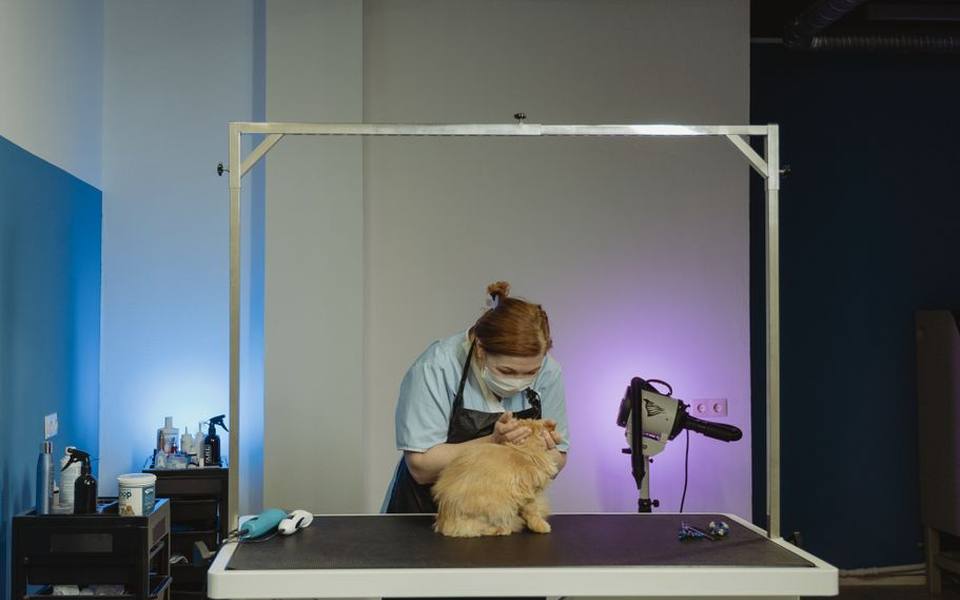 Service
Complete Cat Grooming Guide: Bathing, Haircuts, Nail Trimming, and Mobile Care
-
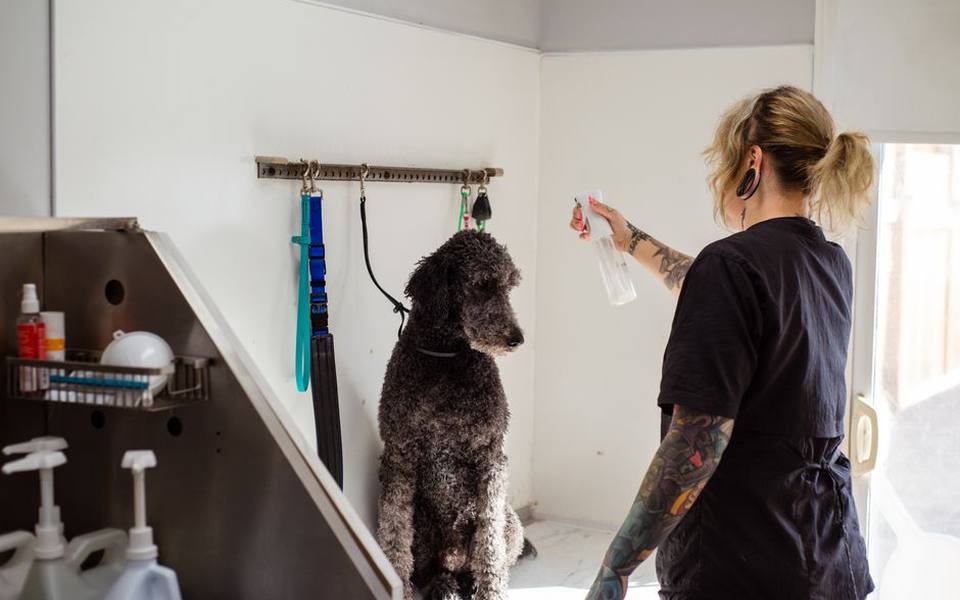 Owning
Dog Ear Cleaning and Flushing Solutions: Preventing Wax Build-Up and Infections
-
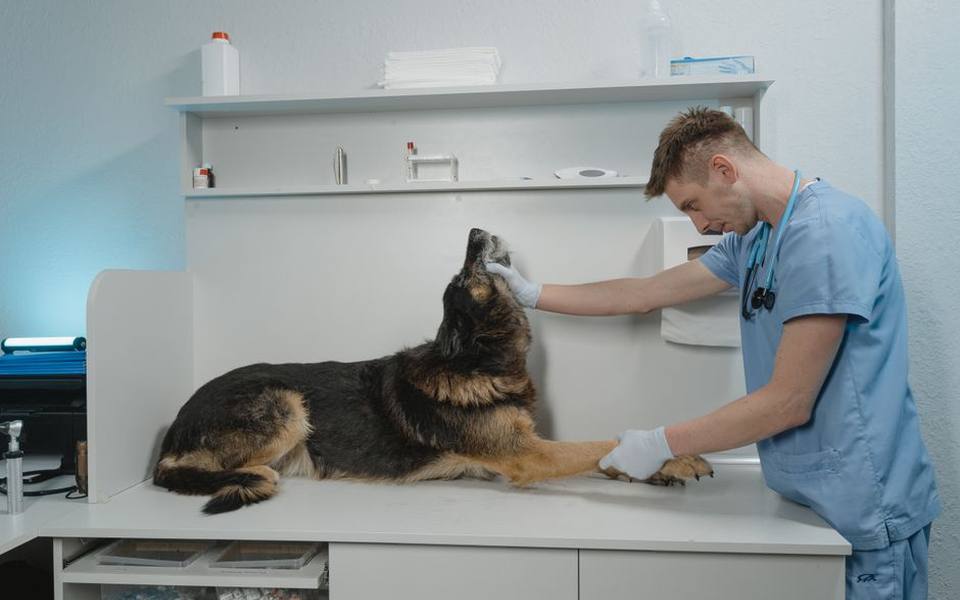 Owning
Dog Anal Gland Care: Expression, Swollen Glands, and Hygiene Solutions
-
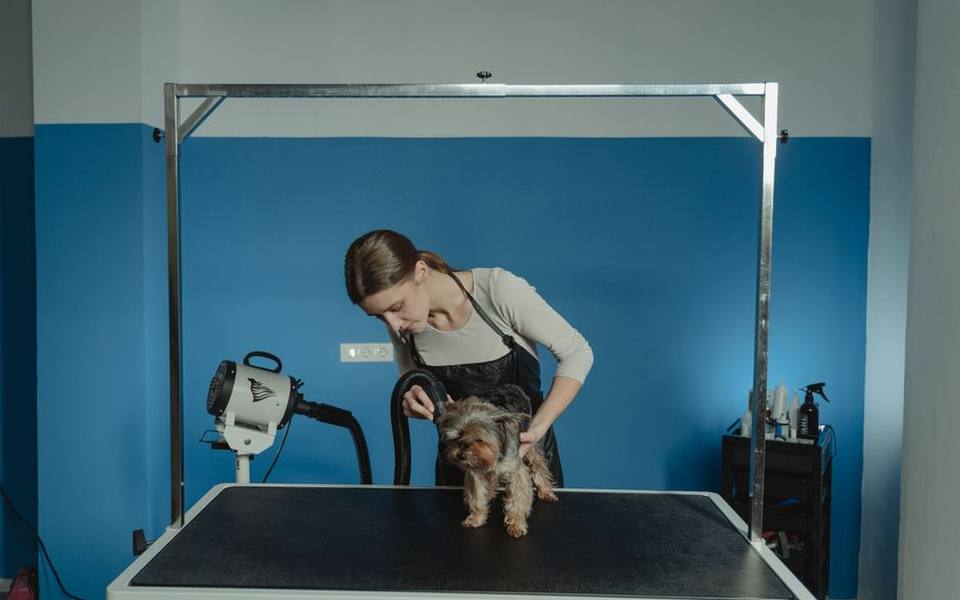 Owning
Dog Blow Drying, Coat Coloring, and Waterless Grooming Essentials
-
 Owning
Essential Grooming Tools: Brushes, De-Matting, Odor Neutralizers, and Paw Care
-
 Owning
Canine Dental Hygiene Guide: Toothbrushes, Powders, and Tartar Control
-
 Owning
Complete Guide to Dog Training: Methods, Equipment, Classes, and Costs
-
 Owning
Ultimate Guide to Dog Haircut Styles by Breed: Puppy Cuts, Teddy Bear, and Lion Clips
-
 Owning
How to Treat Dog Itchy Skin and Allergies: Medications, Shampoos, and Home Remedies
-
 Safety
How to Trim Dog Nails Safely: Clippers vs Grinders and Techniques
-
 Service
Professional Dog Grooming Services: Costs, Salons, and At-Home Options
-
 Owning
Dog Dental Care Guide: Toothbrushes, Powders, and At-Home Cleaning
-
 Safety
Dog Ear Cleaning Solutions, Wax Buildup, and Infection Care Guide
-
 Owning
Choosing the Right Dog Shampoo for Dry Skin, Dandruff, Fleas, and Ticks
-
 Owning
Self-Serve Dog Wash Stations and Home Bathing Setup Guide
-
 Buying
Essential Professional Grooming Tools, Clippers, and Blade Care
-
 Owning
Dog Nail Trimming, Grinding, Polish, and Safe Hair Dye: A Practical Guide
-
 Service
Dog Haircuts and Breed Styling Guide: Popular Cuts, Trims, and Coat Care
-
 Service
Cat Grooming and Styling: Lion Cuts, Bathing, and Coat Care
-
 Owning
Dog Ear Care and Skunk Odor Removal: Cleaning, Wax, and Emergency Deodorizing
-
 Safety
Dog Flea Baths and Medicated Shampoos: OTC and Prescription Remedies
-
 Owning
Complete Guide to Raw Dog Food Nutrition and Diets
-
 Owning
Dog Birthday Cakes, Safe Treats, and Celebration Guide
-
 Service
Hiring a Dog Walker: Services, Rates, and Agency Options