What Makes a Dog Birthday Cake Different from Human Cake
A proper birthday cake designed for dogs looks celebratory on the outside, but its nutritional architecture is completely distinct from human pastry. Standard bakery cakes rely on granulated sugar, refined wheat flour, salted butter, artificial flavorings, and chemical leavening agents that can trigger severe gastric distress, pancreatitis, or toxic reactions in canines. When preparing or buying a festive dessert for your pet, the recipe focuses on nutrient-dense whole foods like lean meats, root vegetables, unsweetened fruit purées, and dog-safe grain alternatives.
Dogs lack the metabolic enzymes necessary to process heavy loads of sucrose and saturated fats efficiently. While a human birthday dessert is meant as an occasional indulgence of empty calories, a canine cake functions best when treated as an appetizing, high-value meal replacement or a supplemental snack served in controlled portions. The structural base usually consists of pure pumpkin, ripe bananas, unsalted natural peanut butter, and simple whole eggs, which together provide moisture and structure without requiring processed sugars.
Texture also plays a major role in how dogs consume celebratory pastries. Unlike humans who chew cake slowly, dogs tend to gulp high-value food items rapidly, which means dog-specific cakes must avoid tough, gummy crusts or sticky frostings that could present a choking hazard. The goal is to provide an aromatic, easily digestible treat that feels special for the celebration while protecting the animal from intestinal upset later in the evening.
Safe Flours, Binders, and Natural Sweeteners for Baking
When baking a cake at home, choosing the right base flour is the first step toward a safe dessert. Traditional all-purpose white flour offers little nutritional value to pets and can cause digestive issues for dogs with grain sensitivities. Oat flour, chickpea flour, and coconut flour represent gentle alternatives that are easy on the canine digestive tract. Oat flour provides soluble fiber that supports gut health, while finely ground brown rice flour offers a neutral binder that creates a soft crumb.
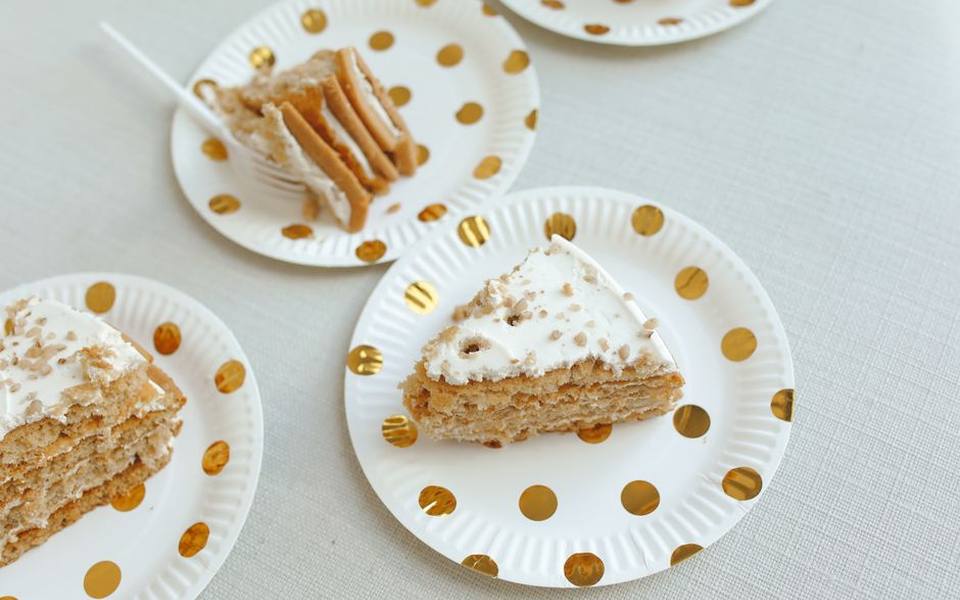
Binding ingredients replace the heavy butter and shortening used in conventional baking. Canned plain pumpkin purée stands out as one of the most reliable options because it provides consistent moisture, natural sweetness, and a high concentration of beta-carotene and dietary fiber. It is essential to verify that the canned pumpkin contains only pure squash rather than pie filling, which often contains added spices and sweeteners. Mashed sweet potatoes, unsweetened applesauce, and mashed ripe bananas also work well to bind the dry ingredients.
Natural sweeteners should be used very sparingly, if at all. While small amounts of pure honey or blackstrap molasses are technically safe for healthy adult canines, dogs do not require added sugar to appreciate their treat. In fact, their sense of smell makes savory or lightly sweet aromas like cooked pumpkin, roasted carob, and warm peanut butter far more attractive than refined sweetness. Keeping the batter free of extra sugars prevents hyperactivity and stomach irritation.
Dog-Friendly Frostings That Hold Their Shape
A cake rarely looks finished without decorative frosting, but conventional buttercream and royal icing are dangerous for pets due to their high fat and sugar content. Dog-safe frostings rely on smooth, spreadable dairy or vegetable foundations that firm up when chilled. Plain, unsweetened Greek yogurt is a favorite base among pet owners because it delivers calcium and beneficial probiotics while spreading smoothly over baked surfaces. Straining the yogurt through cheesecloth for an hour removes excess whey and creates a thicker texture.
Low-fat cream cheese offers another workable frosting alternative for dogs that tolerate dairy without signs of lactose intolerance. When whipped with a splash of water or a spoonful of pure peanut butter, it yields a pipeable consistency capable of holding lettering or decorative borders on top of the cake. For dogs with diagnosed dairy allergies, steamed and whipped white potatoes or mashed cauliflower create an identical aesthetic without using animal milk products.
Adding color to dog cake frostings should always be done with plant-based extracts rather than artificial food dyes. Beet juice yields vibrant shades of pink and red, powdered spirulina creates soft greens, and ground turmeric produces a warm golden yellow. These natural colorants provide subtle visual charm without introducing chemical additives that could upset your companion's system. Once frosted, keeping the cake refrigerated ensures the surface stays firm until it is time to serve.
Ingredients That Must Never Enter a Dog Celebration Treat
Kitchen safety during party preparation begins with strict ingredient awareness. The most hazardous substance commonly found in diet baked goods and commercial peanut butters is xylitol, frequently labeled as birch bark extract or birch sugar. Even minuscule amounts of xylitol trigger a rapid, life-threatening release of insulin in canines, leading to profound hypoglycemia, liver failure, and death within hours. Every single jar, package, and premade item must be inspected to confirm it is entirely free of this compound.
Chocolate and cocoa powders represent another well-documented hazard due to the presence of theobromine and caffeine, which dogs cannot metabolize. Baker's chocolate and dark cocoa carry the highest concentrations and can trigger cardiac arrhythmias, tremors, and internal bleeding. To achieve a chocolate appearance on a celebration cake, canine bakeries rely exclusively on roasted carob powder, an unrelated legume that carries a similar color and sweet aroma while remaining completely safe for dogs.
Additional common baking ingredients pose severe physiological risks and should never be used on or near the cake. Raisins, grapes, macadamia nuts, walnuts, nutmeg, and excessive baking soda can all produce acute toxicity or systemic organ damage. Onions, chives, and garlic, often used in savory human cooking, damage canine red blood cells and lead to hemolytic anemia. Sticking to vetted animal-safe recipes prevents accidental exposure to these common household hazards.
Ordering from a Specialty Pet Bakery Versus Baking at Home
Choosing between purchasing a custom cake from an artisanal dog bakery and making one yourself in your own kitchen typically comes down to available time, artistic skill, and dietary complexity. Commercial pet bakeries have proliferated in urban and suburban areas, offering shelf-stable dog cakes for birthday celebrations decorated with elaborate yogurt glazes, personalized nameplates, and festive biscuit toppers. These cakes typically range from small individual pupcakes to tiered creations suitable for multi-dog playdates.
Ordering from a pet bakery provides convenience and professional visual appeal, but it requires advance planning. Most specialty canine bakeries request orders several days to a week ahead of the event date, especially if you require customized ingredients for a dog with food allergies. When ordering commercially, always ask for an explicit ingredient list to verify that the bakery does not use artificial preservatives, refined corn syrups, or undisclosed animal fats that could disagree with your pet.
Baking at home, conversely, gives you total transparency over every gram of food your companion eats. It allows you to tailor the moisture level, portion size, and protein sources directly to your dog's preferences and medical history. The financial investment is modest, usually relying on pantry staples like rolled oats, eggs, and frozen vegetables. While a homemade cake might have a more rustic appearance, the reassurance of knowing every ingredient makes it an appealing choice for many pet owners.
Managing Portion Sizes and Preventing Digestive Distress
The excitement of a birthday celebration frequently tempts owners to give their dogs large servings of rich treats, which is one of the most common causes of post-party veterinary visits. Even cakes made from wholesome, natural components introduce sudden changes to the canine gut microbiome. Introducing large quantities of novel fibers, dense peanut butter, or concentrated dairy can trigger acute diarrhea, vomiting, and uncomfortable abdominal cramping within a few hours of eating.
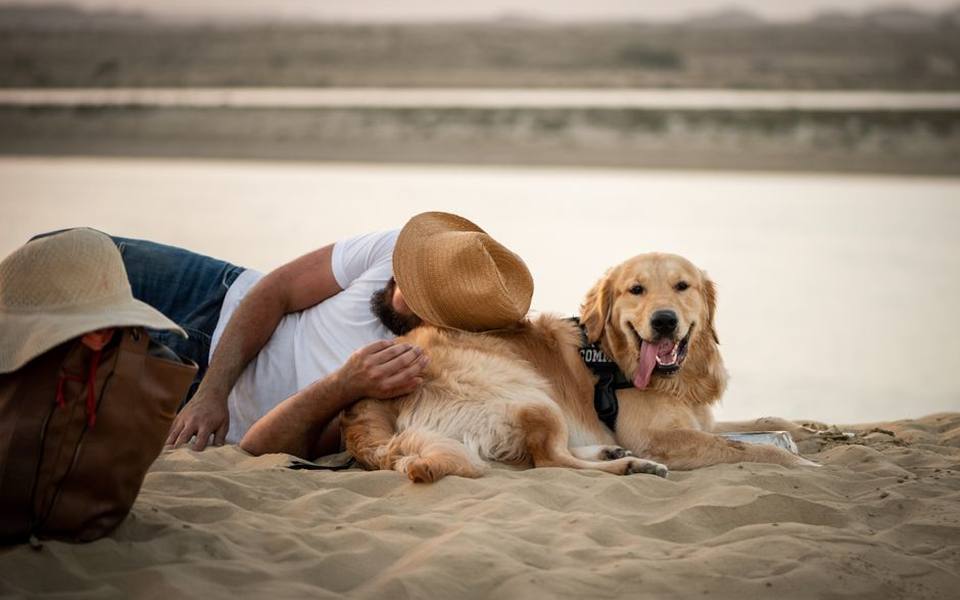
A sensible feeding strategy involves treating the cake as a symbolic celebratory bite rather than a full meal. For a medium-sized dog weighing forty to fifty pounds, a slice the size of a standard cupcake is typically more than sufficient for the day. For toy breeds, a single bite-sized cube no larger than an ice cube provides all the sensory excitement without overwhelming their delicate gastrointestinal tract. If you have baked a larger cake for visual photos, slice it into appropriate portions and freeze the remainder.
Monitoring your dog after the cake has been eaten helps catch early signs of dietary indiscretion. Watch for lethargy, restlessness, excessive lip-licking, or bloating in the abdomen. Giving your dog ready access to clean, fresh water is essential, as novel protein and fiber sources can increase thirst. If your pet has a history of chronic pancreatitis or inflammatory bowel disease, consult your veterinarian before serving any celebration dessert, no matter how clean the ingredient list appears.
Savory Meat Cakes for Dogs That Dislike Sweet Pastries
While human celebrations revolve around sweet confections, many dogs show significantly greater enthusiasm for savory, meat-forward flavors. Savory celebration cakes—often called meatcakes—combine ground proteins with cooked root vegetables to create an appetizing centerpiece that mirrors your dog's ancestral dietary inclinations. These recipes are particularly advantageous for older dogs, working breeds, and animals requiring low-glycemic nutrition.
A typical savory cake uses lean ground turkey, extra-lean ground beef, or poached chicken breast lightly bound with an egg and cooked rolled oats. The meat mixture is pressed into a miniature springform pan or muffin tin and baked gently until it reaches a safe internal temperature. Draining off rendered fat before cooling helps keep the cake light and minimizes the risk of lipid-induced stomach upset.
Frosting a savory cake opens up creative culinary options using whole foods. Steamed and mashed sweet potatoes, whipped parsnips, or a smooth puree of peas and carrots create a colorful, structural coating that adheres well to chilled meat. You can garnish the edges with crispy dehydrated liver bits, crunchy single-ingredient dental chews, or a small sprig of fresh flat-leaf parsley to freshen breath. Dogs generally consume these savory options with intense enthusiasm.
Planning Dog Birthday Games and Outdoor Activities
A successful dog celebration involves engaging physical and mental activities rather than simply serving food. Canines experience the world primarily through olfaction, so organizing scent-based enrichment games allows visiting dogs to participate without competitive friction. A backyard sniffari or kibble hunt, where high-value treats are hidden beneath plastic flowerpots or scattered throughout tall grass, keeps dogs happily occupied and reduces overstimulation.
If you are inviting other dog owners and their pets, managing social dynamics is critical to keeping the atmosphere peaceful. Unfamiliar dogs should be introduced on neutral ground before entering a confined yard or living room. Resource guarding can escalate quickly around special birthday items, so it is best to avoid free-floating chews, high-value toys, or communal cake bowls. Each animal should be served their treat individually in a quiet, separated space away from other dogs.
Keep the party timeline reasonably short, typically lasting between forty-five minutes and an hour and a half. Extended gatherings with multiple dogs, excited human guests, and unusual smells can lead to fatigue, irritability, and behavioral regression in even well-mannered pets. Watch for subtle stress indicators such as pinned ears, yawning, avoidance behavior, or stiff body postures, and offer your pet a quiet indoor retreat whenever they need a break.
Getting Your Pet Fresh and Clean for the Celebration
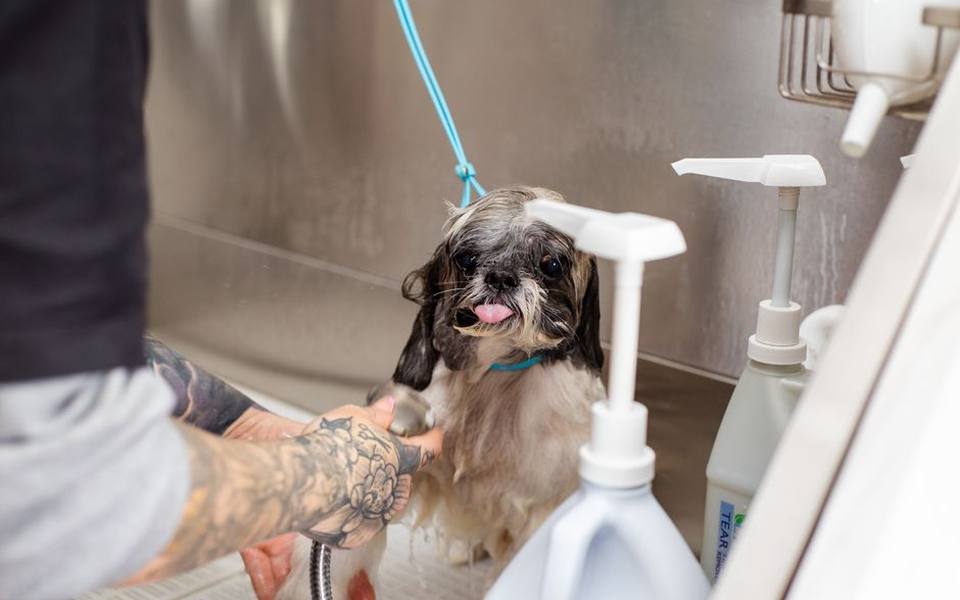
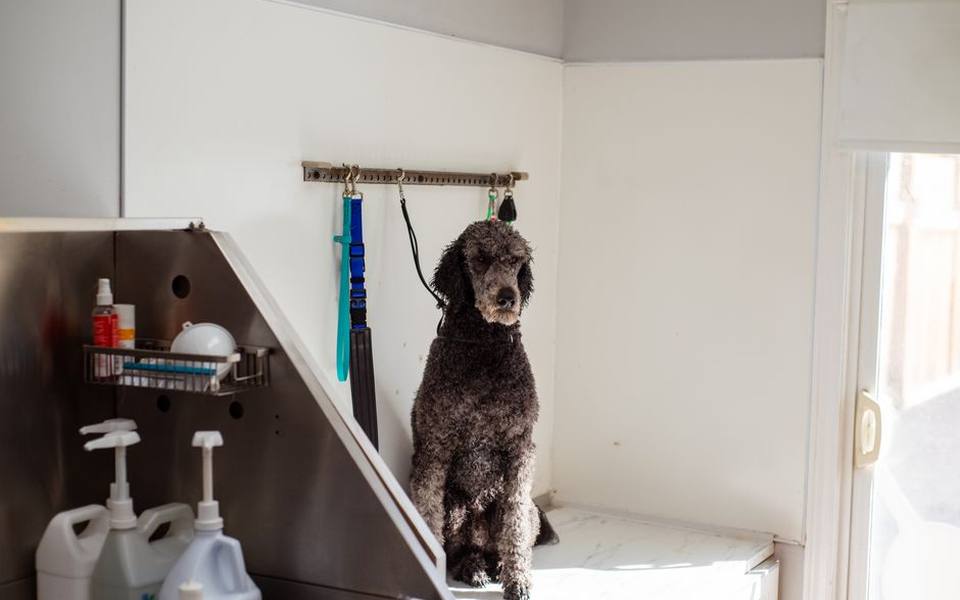
Hosting guests or posing for birthday photographs usually means making sure your dog looks and smells their absolute best before the celebration begins. Bathing your dog at home often leads to a chaotic bathroom full of wet towels, clogged drains, and lingering humidity. Utilizing local self-serve stations provides an ergonomic elevated wash tub, commercial-grade warm water sprayers, and specialized blow dryers that remove loose undercoat without turning your house into a grooming zone.
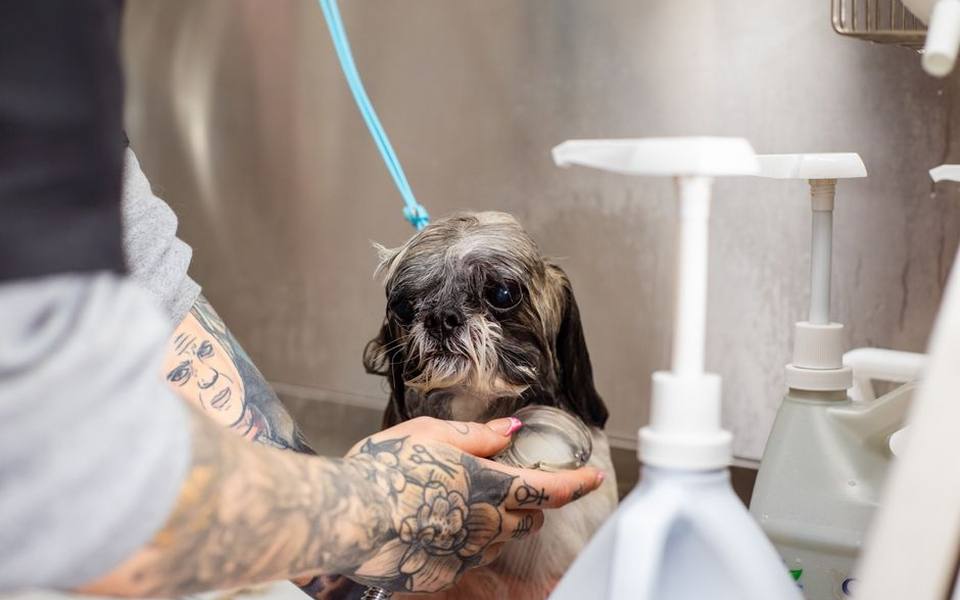
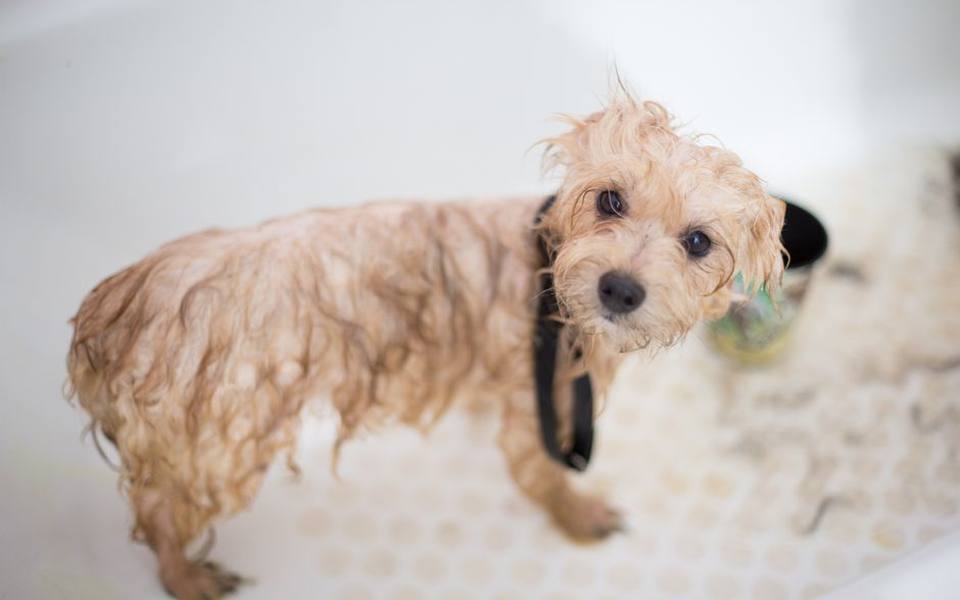
If you have a busy week leading up to the party, many facilities offer walk-ins welcome access where you can handle the bath quickly without scheduling weeks in advance. Thorough washing removes dander, outdoor grime, and stubborn odors so your dog can greet visitors comfortably. Using a gentle, oatmeal-based shampoo helps maintain skin hydration and leaves the coat glossy for celebration portraits with family and friends.
Along with a clean coat, maintaining your pet's paws is an important part of pre-party preparation. Long, sharp claws can accidentally scratch visiting children or slip on slick indoor floors during party excitement. Taking advantage of facilities that provide dog nail trimming & grinding smooths rough edges down safely, ensuring your dog can walk, run, and socialize comfortably throughout their special day.
Proper Storage for Leftover Cakes and Party Treats
Because dog cakes lack the chemical preservatives and high sugar concentrations of human grocery store cakes, their shelf life is considerably shorter. A fresh, homemade cake with yogurt frosting will typically remain fresh in an airtight container inside the refrigerator for three to four days. Beyond that timeframe, moisture migration can encourage mold growth and turn pureed vegetable bases sour, posing a risk of bacterial contamination.
Freezing is the most practical way to preserve leftover celebration cakes without wasting wholesome ingredients. Cut the remaining cake into individual single-serving portions, wrap each portion tightly in wax paper or freezer-safe wrap, and store them in an airtight container in your freezer. These pre-portioned slices can be thawed in the refrigerator overnight and offered as a high-value training reward or weekend treat over the following two to three months.
Make-ahead baked biscuits and dehydrated celebration treats offer much greater stability than moist cakes. Hard, oven-baked dog biscuits made from pumpkin and oat flour can be stored in a dry, ventilated tin at room temperature for several weeks, provided they have been completely dried during the baking process. Checking stored treats regularly for any signs of surface moisture or off odors ensures that your dog continues to enjoy their birthday rewards safely long after the celebration has ended.
Published 2026-09-25 · reviewed with each rebuild, last September 2026.
Find self-serve dog washes near you
The directory lists 2,264 self-serve dog washes by state and city — pick your state or use the “Near me” button in the header.
More guides
-
 Money
MoneyUnderstanding the Costs of Grooming and Washing Your Dog
-
 Service
Canine Scent Gland Care: Symptoms, DIY Steps, and Professional Costs
-
 Money
MoneyDog Grooming Cost Breakdown: Salons, Mobile Vans, and Retail Chains
-
 Service
Dog Anal Gland Expression: How It Works, When It Is Needed, and Typical Costs
-
 Owning
Essential Dog Grooming Tools: Choosing Clippers, Shears, and Maintaining Blades
-
 Money
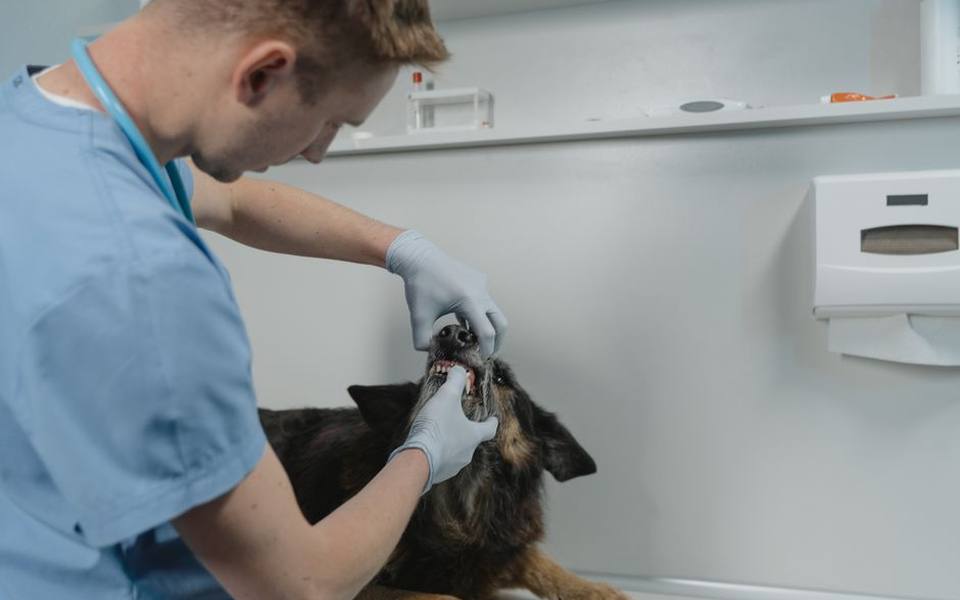
MoneyDog Teeth Cleaning Costs: Vet Anesthesia vs. Non-Anesthetic Options
-
 Service
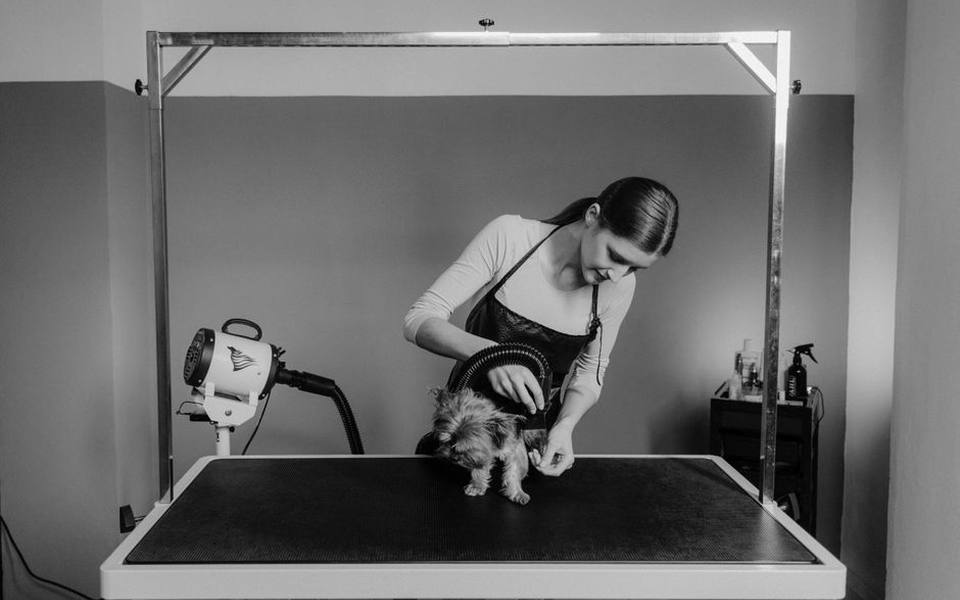
How to Choose the Best Local Dog Groomer: What to Look For
-
 Service
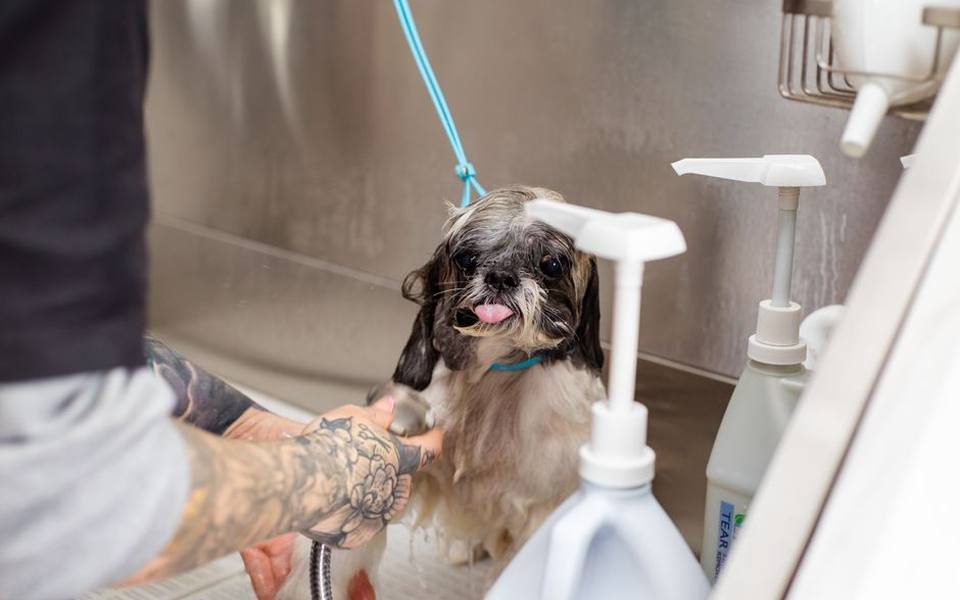
Self-Service Dog Wash Guide: Locations, Pricing, and How It Works
-
 Owning
Complete Dog Anal Gland Care: How to Express, Symptoms, and Safe Techniques
-
 Service
Professional Dog Grooming and Self-Wash Stations: Comparing Costs, Services, and Formats
-
 Owning
Dog Nail Trimming and Grinding Guide: Clippers, Rotary Tools, and Safe At-Home Care
-
 Service
Popular Dog Haircut Styles: Breed Cuts, Teddy Bear Trims, and Styling Rules
-
 Owning
Managing Dog Itchy Skin and Fleas: Medicated Baths, Shampoos, and Remedies
-
 Service
Complete Cat Grooming Guide: Bathing, Haircuts, Nail Trimming, and Mobile Care
-
 Owning
Dog Ear Cleaning and Flushing Solutions: Preventing Wax Build-Up and Infections
-
 Owning
Dog Anal Gland Care: Expression, Swollen Glands, and Hygiene Solutions
-
 Owning
Dog Blow Drying, Coat Coloring, and Waterless Grooming Essentials
-
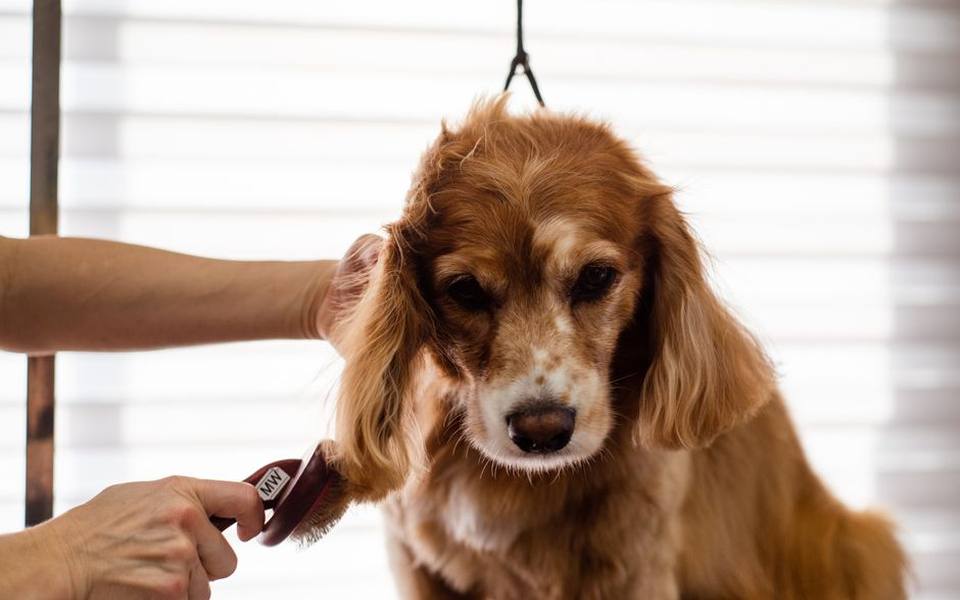 Owning
Essential Grooming Tools: Brushes, De-Matting, Odor Neutralizers, and Paw Care
-
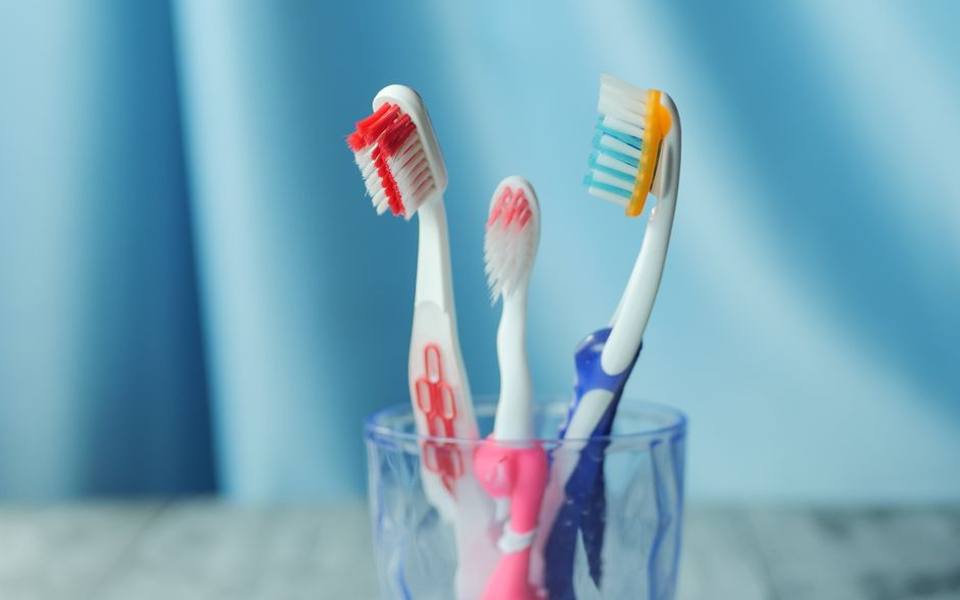 Owning
Canine Dental Hygiene Guide: Toothbrushes, Powders, and Tartar Control
-
 Owning
Complete Guide to Dog Training: Methods, Equipment, Classes, and Costs
-
 Owning
Ultimate Guide to Dog Haircut Styles by Breed: Puppy Cuts, Teddy Bear, and Lion Clips
-
 Owning
How to Treat Dog Itchy Skin and Allergies: Medications, Shampoos, and Home Remedies
-
 Safety
How to Trim Dog Nails Safely: Clippers vs Grinders and Techniques
-
 Service
Professional Dog Grooming Services: Costs, Salons, and At-Home Options
-
 Owning
Dog Dental Care Guide: Toothbrushes, Powders, and At-Home Cleaning
-
 Safety
Dog Ear Cleaning Solutions, Wax Buildup, and Infection Care Guide
-
 Owning
Choosing the Right Dog Shampoo for Dry Skin, Dandruff, Fleas, and Ticks
-
 Owning
Self-Serve Dog Wash Stations and Home Bathing Setup Guide
-
 Buying
Essential Professional Grooming Tools, Clippers, and Blade Care
-
 Owning
Dog Nail Trimming, Grinding, Polish, and Safe Hair Dye: A Practical Guide
-
 Service
Dog Haircuts and Breed Styling Guide: Popular Cuts, Trims, and Coat Care
-
 Service
Cat Grooming and Styling: Lion Cuts, Bathing, and Coat Care
-
 Owning
Dog Ear Care and Skunk Odor Removal: Cleaning, Wax, and Emergency Deodorizing
-
 Safety
Dog Flea Baths and Medicated Shampoos: OTC and Prescription Remedies
-
 Owning
Complete Guide to Raw Dog Food Nutrition and Diets
-
 Service
Hiring a Dog Walker: Services, Rates, and Agency Options
-
 Service
Dog Breed Haircuts, Styling, and Coat Maintenance Guide