Understanding Dog Nail Anatomy and the Cutting Line
Trimming canine nails safely starts with identifying the interior blood vessel and nerve bundle known as the quick. In light-colored claws, this sensitive core appears as a pink silhouette inside the translucent outer shell, making the target cutting zone straightforward to locate. The cut should stop roughly two millimeters before reaching that pink border. Severing the quick causes immediate bleeding and sharp pain, which often sparks long-term handling anxiety in the animal. Approaching the claw from the side at a slight forty-five-degree angle preserves the natural curvature of the foot and prevents unnecessary pressure against the nail bed.
Dark and solid black nails require a modified approach because the internal vessel remains hidden from outside view. Instead of attempting one decisive cut, you must shave off thin slivers from the tip while inspecting the cut surface after every slice. As you work closer toward the living tissue, the interior changes from chalky white horn to a grey, circular core. The appearance of a dark, glistening oval or black dot in the center of the cross-section signals that the vessel is millimeters away, meaning you must stop trimming that claw immediately.
Overgrown claws alter the skeletal alignment of the foot over time, forcing the toes to splay out and shifting weight backward into the carpal joints. When nails remain untrimmed for months, the blood vessel lengthens alongside the outer shell, preventing you from shortening the claw to a healthy length in a single session. Managing overgrown feet requires gradual, weekly maintenance to encourage the vessel to recede naturally. Each gentle trim stimulates the internal tissue to draw back, which eventually allows you to re-establish a healthy foot structure without inducing pain or injury.
Every household trimming kit should include an active blood-clotting compound before anyone picks up a cutting tool. Commercial styptic powder containing ferric subsulfate stops bleeding within seconds by constricting the damaged microvessels when pressed firmly against an exposed tip. Household cornstarch or plain flour can serve as an emergency substitute if commercial coagulant is unavailable, though they take several minutes to establish a stable plug. Having your clotting agent open with a dedicated cotton swab nearby keeps minor nicks from turning into stressful, messy emergencies.
Choosing Between Scissor and Guillotine Styles for Small Dogs
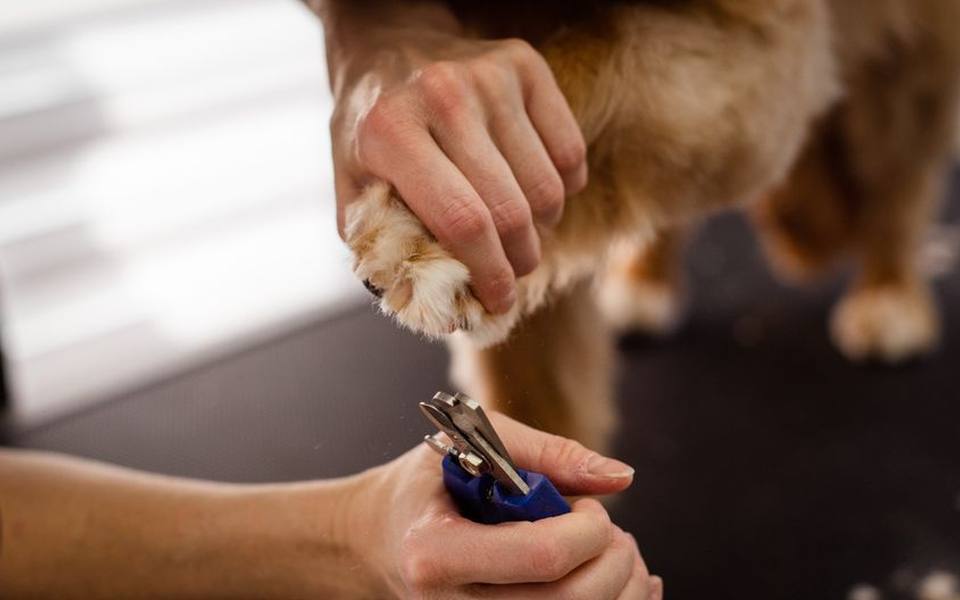
Small breeds possess delicate toe bones and thin nail walls that demand precise, low-force cutting instruments. Compact scissor-style clippers resemble miniature surgical shears, featuring notched blades that cup the claw to prevent it from sliding while you apply closing pressure. These lightweight hand tools offer exceptional tactile feedback, allowing you to gauge resistance through your fingers as the blade meets keratin. Toy and small breeds generally tolerate scissor cutters well because the small frame does not obscure your line of sight when working around tiny paws and feathering hair.
Guillotine-style clippers operate on an internal sliding blade mechanism where the claw rests through a stationary circular opening. Squeezing the spring-loaded handle drives a razor blade straight through the aperture to shear off the protruding nail tip. While guillotine cutters provide swift action on thin claws, they require careful orientation; holding the tool backward risks crushing the nail rather than slicing cleanly through it. Replacement blades must be swapped regularly because even slight dulling causes the sliding edge to pinch the claw wall, creating pain and flinching.
For puppies and toy breeds under fifteen pounds, small scissor trimmers with semi-circular indentations generally outperform bulkier alternatives. Their compact cutting heads fit into cramped interdigital spaces without scraping adjacent toe pads or pulling on dewclaws. Many groomers prefer scissor designs over guillotine models because scissors allow for micro-adjustments in cutting angle along the underside of the claw. Selecting an instrument sized specifically for smaller paws minimizes the risk of accidental slips and keeps the handling experience calm and controlled from an early age.
Selecting Heavy-Duty Plier Trimmers for Large Breeds
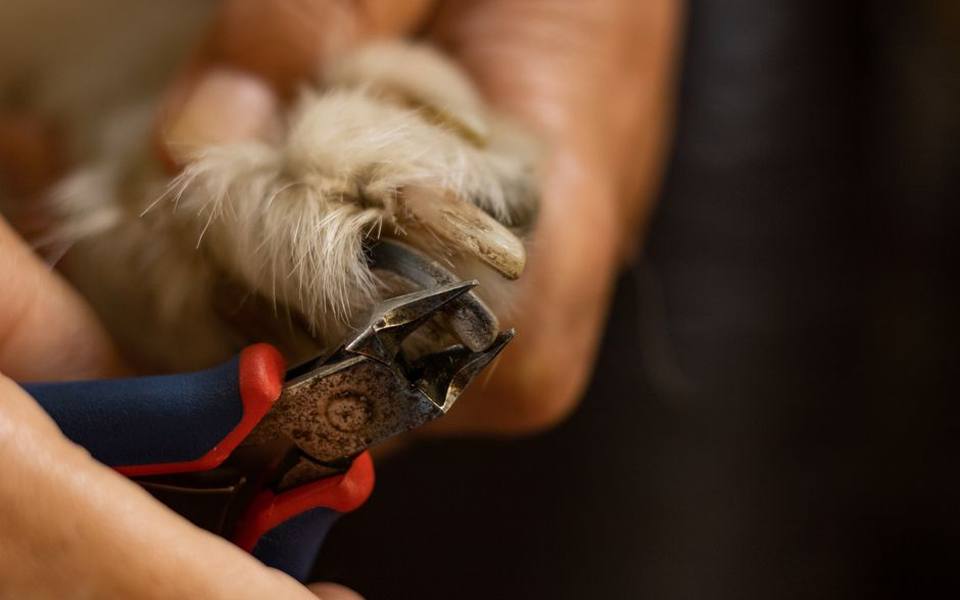
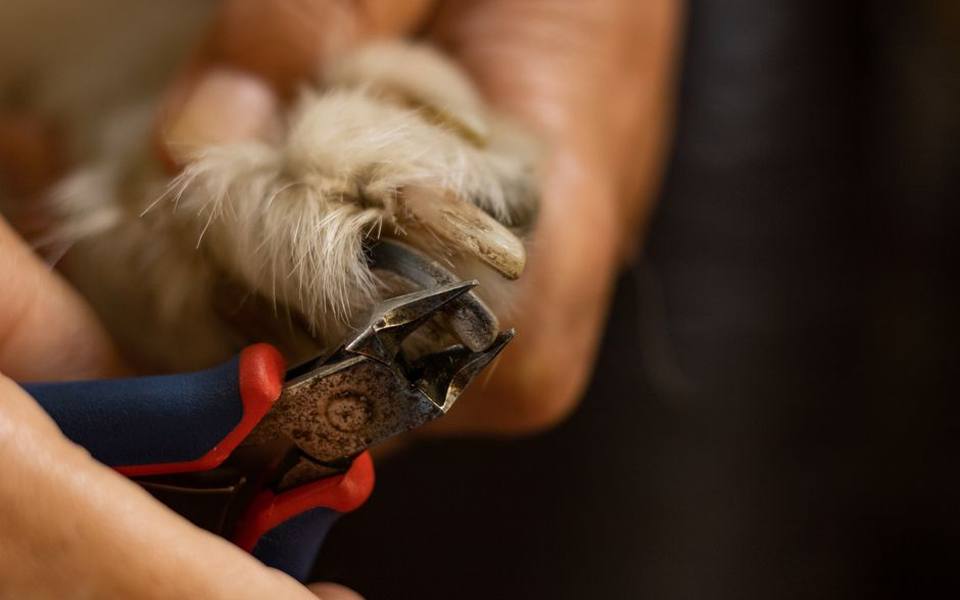
Trimming the nails of large and giant breeds requires substantial mechanical leverage to slice through dense, hardened keratin without crushing the claw shaft. Heavy-duty plier-style trimmers feature thick stainless steel blades operated by robust coiled springs and extended rubberized handles. The leverage generated by these extended handles allows you to cut cleanly through thick nails with a smooth, continuous squeeze rather than a forceful, abrupt snap. Inexpensive or undersized tools often flex under high resistance, leading to ragged edges, cracked horn, and unnecessary distress for a large dog.
Most heavy-duty plier trimmers include an integrated metal safety stop behind the cutting blades designed to limit the length of nail entering the cutting zone. While this guard can help prevent dramatic over-cutting, it should never replace careful visual assessment of the individual nail structure. Variations in foot shape and quick length mean that a generic guard depth may still permit cutting too close to the blood vessel on certain toes. Many experienced owners loosen or bypass the mechanical guard entirely to maintain an unobstructed view of the cutting plane.
Proper blade maintenance is vital when working with large breed tools because dull steel exerts lateral pressure that pinches the sensitive nerve bed inside the claw. High-grade stainless steel blades retain their factory bevel across dozens of sessions, but regular inspections for micro-burrs or blade misalignment are essential. If you notice the tool crushing rather than cutting the horn cleanly, the blades must be sharpened or replaced immediately. A clean, crisp shear reduces paw pulling and reinforces your dog's willingness to hold their heavy limbs still during handling.
Evaluating Illuminated Clippers with Built-In LED Guides
Illuminated clippers feature integrated LED lights positioned around the cutting jaw to cast directional illumination directly across the working area. For dogs with clear, white, or light amber nails, this backlighting clearly reveals the pink quick running down the interior cavity. Illuminating the working area eliminates hand-cast shadows, which proves especially beneficial when working indoors under dim ambient lighting or when tending to an uncooperative pet. The magnification lenses built into some illuminated models can further assist in inspecting tiny fissures and locating the exact point where horn separates from living tissue.
Despite their convenience on light-colored feet, illuminated clippers provide limited utility when dealing with heavily pigmented black or dark brown nails. The light beam cannot penetrate the dense outer melanin layer of black claws, which means the internal quick remains completely invisible to the naked eye. Relying on an LED guide to show safe cutting zones on dark claws creates a false sense of security that frequently results in painful quicking. Owners managing dark-coated breeds must continue using incremental shave techniques regardless of how brightly the cutting zone is illuminated.
Bulky battery compartments and plastic light housings can also compromise the balance and ergonomics of the tool in your hand. An overly front-heavy clipper makes precise adjustments difficult, especially when working on nervous dogs that pull their legs away abruptly. If you choose an illuminated model, prioritize sturdy blade construction and comfortable handle grip over novelty electronic attachments. The primary cutting mechanism must always remain sharp, balanced, and stable enough to perform clean shears without wobbling in your grip during delicate maneuvers.
How Electric Rotary Grinders Sand and Smooth Claws
Electric nail grinders utilize high-speed abrasive sanding drums or diamond-coated bits to wear down the nail tip through controlled friction. Instead of a single mechanical shear that risks splitting dry horn, rotary grinding progressively buffs the claw backward in micro-layers. This grinding action produces smooth, rounded tips that eliminate the sharp edges left behind by standard manual blades. Rounded tips prevent dogs from scratching hardwood floors, snagging carpets, or accidentally scraping human skin when greeting, making grinding an attractive alternative for indoor companion animals.
Using rotary tools requires careful attention to thermal buildup generated by continuous friction between the abrasive band and hard keratin. Holding a high-speed sanding drum against a nail for more than three consecutive seconds transfers heat directly into the living quick beneath. This heat buildup causes acute discomfort that causes dogs to yank their paws away even when the tissue has not been physically breached. Operators should employ light, pulsing taps across the nail tip, moving rhythmically between different toes to give each claw ample time to cool between passes.
Grinding dark nails offers superior safety compared to traditional clippers because the gradual material removal allows you to watch the cross-section transform in real time. As the rotating stone sands away the tip, you can see the dry horn give way to the softer central core without risking sudden trauma. While rotary tools eliminate the risk of dramatic crushing, you must still monitor long fur near the toes. Long coat feathering can easily wrap around a high-speed rotating arbor, making it wise to push the dog's paw through a nylon stocking to keep hair safely restrained.
Low-Noise and Multi-Speed Grinders for Anxious Dogs
Sound sensitivity and mechanical vibration represent the primary hurdles when introducing dogs to rotary grooming devices. Standard hardware rotary tools often emit high-pitched whine frequencies between fifteen and twenty thousand revolutions per minute, which can overwhelm sensitive canine hearing. Specialized pet grinders incorporate precision low-vibration electric motors enclosed in sound-dampening casings that register below fifty decibels during operation. By reducing mechanical chatter and motor buzz, these quiet units allow cautious dogs to remain relaxed throughout the grooming process without exhibiting panic reactions.
Variable speed controls provide crucial adaptability when transitioning between different nail densities and canine temperament thresholds. Lower speed settings generate minimal operational noise and reduced vibration, making them ideal for initial desensitization sessions, dewclaws, and smaller breeds. Higher rotational speeds deliver the grinding power necessary to wear down thick, calcified nails on giant breeds efficiently before heat accumulation becomes an issue. Having multiple speed selections allows you to dial in the lowest effective rotational velocity for your specific animal, keeping friction and noise within tolerable bounds.
Introducing an electric grinder to a cautious dog should unfold across several short, positive training intervals before any nail contact occurs. Begin by letting your pet sniff the powered-down tool, pairing its sight with high-value treats to build a positive mental connection. Progress to turning the motor on at low speed across the room, gradually moving it closer while continuing praise and reward delivery. Once the dog remains calm beside the running motor, touch the vibrating plastic body—not the spinning drum—against their shoulder and paw so they acclimate to tactile vibration before you touch a claw.
Safe Trimming Techniques and Handling Accidental Bleeds
A secure, low-stress physical hold forms the foundation of safe nail trimming regardless of the tool you select. Sit comfortably on the floor beside your dog rather than standing directly over them, as looming overhead can trigger defensive struggles. Support the paw gently at the carpals or metacarpals, holding individual toes between your thumb and forefinger without squeezing the sensitive interdigital webbing. Isolating a single toe provides firm stabilization, preventing the dog from twisting their limb mid-cut while giving you complete control over blade alignment and cutting depth.
When using manual clippers, position the blade beneath the claw and slice upward at a forty-five-degree angle parallel to the natural pad line. This angle mimics the natural wear pattern of outdoor exercise and leaves a smooth landing surface along the underside of the toe. Never twist or lever the tool while the blade engages the claw, as torsional strain can tear the nail bed and loosen the claw from the third phalanx. If your dog begins pulling away, release tension immediately, offer calm verbal reassurance, and pause briefly before attempting the next slice.
If you cut into the quick despite your precautions, remain composed and act decisively to soothe the dog and arrest the bleeding. Dogs pick up on handler anxiety, so responding with loud gasps or frantic movements amplifies their panic and reinforces fearful associations with grooming tools. Dip the bleeding tip directly into dry styptic powder or press a generous pinch against the open vessel with firm, sustained thumb pressure for thirty seconds. Keep the animal off slick flooring and restrict vigorous running for fifteen minutes to allow the protective fibrin clot to cure completely.
Walk-In Salons and Big-Box Pet Stores Versus Home Care
Many pet owners turn to commercial retail salon chains when the prospect of trimming nails at home feels daunting. Major national pet supply outlets offer express walk-in grooming stations where trained staff perform clipping and grinding on short notice without full salon appointments. These commercial services typically charge modest fees and complete the physical procedure in under ten minutes using specialized restraint loops and professional-grade high-torque equipment. For owners managing reactive, powerful dogs or those paralyzed by the fear of causing pain, relying on experienced handlers offers a practical temporary solution.
However, commercial retail environments present notable sensory stressors that can overwhelm sensitive or sound-phobic animals. The constant hum of industrial blow dryers, barking kennel dogs, and slippery steel tables frequently elevate a dog's baseline cortisol levels before grooming even begins. Furthermore, high customer volume at retail chains means groomers must work swiftly, which leaves little room for slow desensitization or positive reinforcement pacing. An animal that endures rushed handling under high restraint may become increasingly resistant to foot manipulation over successive visits, complicating long-term paw care.
Deciding between professional walk-ins and home grooming ultimately hinges on your dog's temperament and your personal confidence. Utilizing professional nail clipping offered by experienced groomers can stabilize overgrown claws safely until a routine is established. Once claws return to manageable lengths, maintaining them at home fosters trust between you and your pet while eliminating travel stress. Combining occasional professional trims with gentle home handling ensures claws stay properly maintained without turning monthly paw care into an emotional or financial ordeal.
Handling Nail Care at Self-Service Dog Wash Facilities
Self-serve wash facilities provide an outstanding middle ground for owners who prefer doing their own grooming in an equipped, controlled environment. Across the country, thousands of pet owners use dedicated wash rooms where heavy-duty tubs, elevated tables, and secure grooming tethers make handling significantly easier than working on living room rugs. Facilities with professional self-serve stations elevate dogs to waist height, eliminating the back strain and awkward floor positions that frequently cause human handling errors during claw trimming.
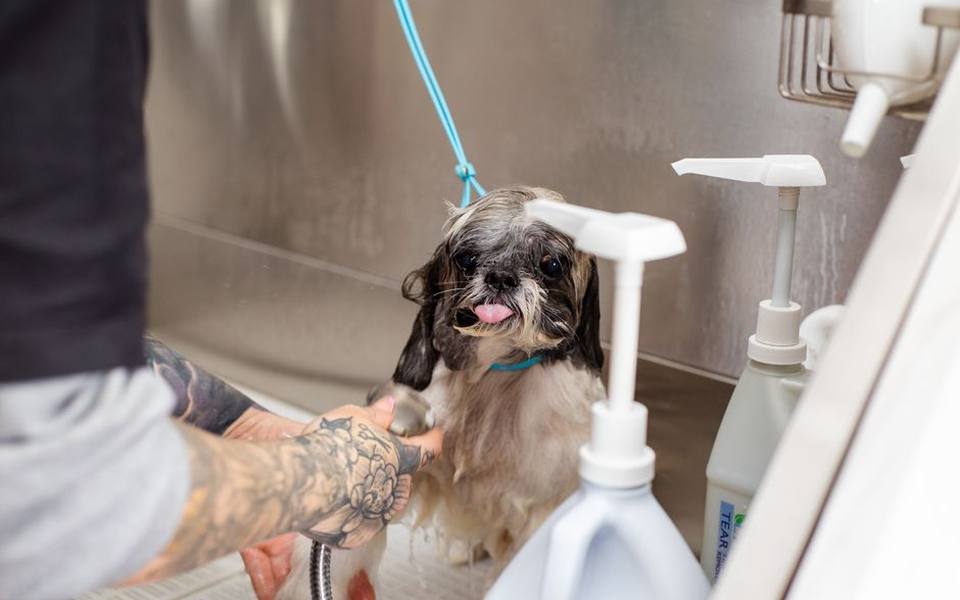
Warm water from a bath softens the outer horn layer of dog nails, making them substantially easier to cut cleanly with manual clippers. When claws absorb moisture during a wash, the keratin becomes pliable and yields smoothly to blade pressure without fracturing or splintering. Many owners choose walk-in dog washes specifically to tackle claw maintenance immediately following a thorough bath while the feet are clean, degreased, and softened. Clean paws also ensure abrasive grinding drums do not become clogged with ground-in mud, grit, or road salt.
Visiting modern self-service dog wash stations gives you access to grooming arms and three-point safety harnesses that prevent sudden lunges or rapid retreats. Having your dog comfortably restrained at shoulder height keeps their center of gravity stable, allowing you to focus both hands entirely on isolating individual toes and guiding tools safely. The directory features 1434 in top states with specialized facilities, ensuring owners across diverse regions have access to professional washing setups that streamline comprehensive coat and paw hygiene.
Establishing a Stress-Free Long-Term Maintenance Schedule
Consistent frequency dictates the success of any nail care routine far more than the specific cutting instrument you employ. Ideally, canine claws should be inspected and lightly trimmed or buffed every one to two weeks to prevent forward migration of the quick. Waiting four to six weeks between sessions allows the internal vascular core to extend forward, forcing you to execute drastic cuts that heighten accidental injury risks. Brief, frequent touch-ups requiring only minor edge smoothing keep the living core permanently receded and reduce the physical duration of each handling session.
A dog's daily walking surfaces play an influential secondary role in natural claw maintenance and wear patterns. Dogs that log substantial mileage on coarse outdoor surfaces like asphalt sidewalks and textured concrete naturally grind down their nail tips through regular kinetic friction. Conversely, companion animals that exercise primarily on soft turf, dirt trails, or indoor rugs experience minimal natural abrasion and require far more frequent mechanical trimming. Keep in mind that dewclaws never make contact with ground surfaces regardless of walking habits, meaning they demand attentive manual shortening to avoid painful ingrown curls.
Integrating paw handling into calm daily relaxation routines prevents your pet from associating touch with veterinary or grooming stress. Gently massage your dog's toes, handle individual claws, and tap their pads with blunt objects while relaxing together on the sofa during quiet evenings. Regular desensitization removes the defensive reflex many dogs display when their feet are touched, transforming nail care from a dramatic confrontation into an ordinary, peaceful hygiene habit. A patient approach yields a confident, cooperative companion who views paw maintenance as a normal component of everyday life.
Published 2026-09-21 · reviewed with each rebuild, last September 2026.
Find self-serve dog washes near you
The directory lists 2,264 self-serve dog washes by state and city — pick your state or use the “Near me” button in the header.
More guides
-
 Money
MoneyUnderstanding the Costs of Grooming and Washing Your Dog
-
 Service
Canine Scent Gland Care: Symptoms, DIY Steps, and Professional Costs
-
 Money
MoneyDog Grooming Cost Breakdown: Salons, Mobile Vans, and Retail Chains
-
 Service
Dog Anal Gland Expression: How It Works, When It Is Needed, and Typical Costs
-
 Owning
Essential Dog Grooming Tools: Choosing Clippers, Shears, and Maintaining Blades
-
 Money
MoneyDog Teeth Cleaning Costs: Vet Anesthesia vs. Non-Anesthetic Options
-
 Service
How to Choose the Best Local Dog Groomer: What to Look For
-
 Service
Self-Service Dog Wash Guide: Locations, Pricing, and How It Works
-
 Owning
Complete Dog Anal Gland Care: How to Express, Symptoms, and Safe Techniques
-
 Service
Professional Dog Grooming and Self-Wash Stations: Comparing Costs, Services, and Formats
-
 Owning
Dog Nail Trimming and Grinding Guide: Clippers, Rotary Tools, and Safe At-Home Care
-
 Service
Popular Dog Haircut Styles: Breed Cuts, Teddy Bear Trims, and Styling Rules
-
 Owning
Managing Dog Itchy Skin and Fleas: Medicated Baths, Shampoos, and Remedies
-
 Service
Complete Cat Grooming Guide: Bathing, Haircuts, Nail Trimming, and Mobile Care
-
 Owning
Dog Ear Cleaning and Flushing Solutions: Preventing Wax Build-Up and Infections
-
 Owning
Dog Anal Gland Care: Expression, Swollen Glands, and Hygiene Solutions
-
 Owning
Dog Blow Drying, Coat Coloring, and Waterless Grooming Essentials
-
 Owning
Essential Grooming Tools: Brushes, De-Matting, Odor Neutralizers, and Paw Care
-
 Owning
Canine Dental Hygiene Guide: Toothbrushes, Powders, and Tartar Control
-
 Owning
Complete Guide to Dog Training: Methods, Equipment, Classes, and Costs
-
 Owning
Ultimate Guide to Dog Haircut Styles by Breed: Puppy Cuts, Teddy Bear, and Lion Clips
-
 Owning
How to Treat Dog Itchy Skin and Allergies: Medications, Shampoos, and Home Remedies
-
 Service
Professional Dog Grooming Services: Costs, Salons, and At-Home Options
-
 Owning
Dog Dental Care Guide: Toothbrushes, Powders, and At-Home Cleaning
-
 Safety
Dog Ear Cleaning Solutions, Wax Buildup, and Infection Care Guide
-
 Owning
Choosing the Right Dog Shampoo for Dry Skin, Dandruff, Fleas, and Ticks
-
 Owning
Self-Serve Dog Wash Stations and Home Bathing Setup Guide
-
 Buying
Essential Professional Grooming Tools, Clippers, and Blade Care
-
 Owning
Dog Nail Trimming, Grinding, Polish, and Safe Hair Dye: A Practical Guide
-
 Service
Dog Haircuts and Breed Styling Guide: Popular Cuts, Trims, and Coat Care
-
 Service
Cat Grooming and Styling: Lion Cuts, Bathing, and Coat Care
-
 Owning
Dog Ear Care and Skunk Odor Removal: Cleaning, Wax, and Emergency Deodorizing
-
 Safety
Dog Flea Baths and Medicated Shampoos: OTC and Prescription Remedies
-
 Owning
Complete Guide to Raw Dog Food Nutrition and Diets
-
 Owning
Dog Birthday Cakes, Safe Treats, and Celebration Guide
-
 Service
Hiring a Dog Walker: Services, Rates, and Agency Options
-
 Service
Dog Breed Haircuts, Styling, and Coat Maintenance Guide