Understanding Feline Grooming Needs and Daily Coat Maintenance
Cats spend a substantial portion of their waking hours grooming themselves, but natural tongue licking does not solve every coat issue. While cat saliva contains natural cleaning agents and their barbed papillae act as miniature combs, indoor heating, dietary factors, and aging often require human intervention. Regular human assistance prevents severe matting, hairballs, and dander accumulation that simple self-grooming leaves behind.
Routine cat cleaning is primarily about preventative health rather than vanity. Brushing removes shed hair before your cat swallows it, reducing gastrointestinal blockages and vomiting. Regular physical handling during grooming also allows owners to notice subtle changes like skin parasites, unusual lumps, dry patches, or tender joints long before they evolve into medical emergencies.
The intensity of hands-on care depends largely on breed, age, and individual temperament. While an agile domestic shorthair might need only a quick weekly comb, senior cats with arthritis and long-haired breeds quickly develop painful pelted mats without daily support. Developing a structured grooming routine early creates a cooperative relationship and keeps feline skin balanced across all life stages.
Safe Techniques for Feline Nail Trimming at Home
Feline nail trimming prevents ingrown claws, saves household furniture, and protects family members from unintentional scratches during play or handling. Unlike dogs, indoor cats naturally shed outer claw sheaths, but their sharp hook shape can grow into paw pads if left unchecked, especially among senior cats whose climbing activity has decreased. Most households find that clipping claws every two to three weeks maintains a safe length.
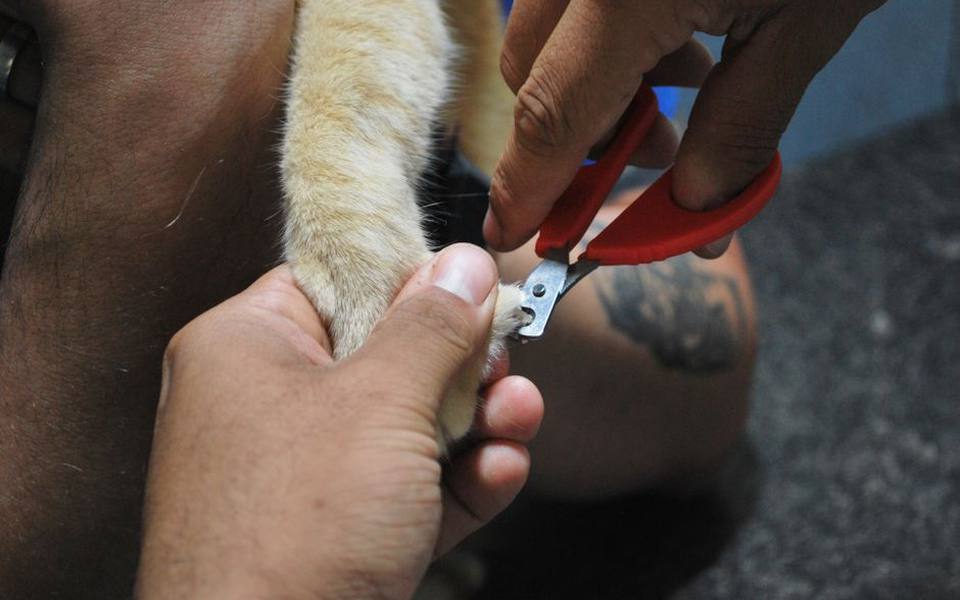
A successful cat nail clipping session starts with appropriate tools and quiet surroundings. Use scissor-style pet clippers or specialized cat trimmers with curved blades that shear cleanly without crushing the nail structure. Human nail clippers can work in a pinch, but they often split delicate feline claws lengthwise. Keep styptic powder nearby on the counter to instantly stem bleeding if you accidentally nip the vascular quick.
Handling the paw correctly requires a gentle, deliberate touch. Gently press the center pad between your thumb and index finger to extend the retracted claw outward into plain view. Identify the pink quick inside the translucent claw and cut only the sharp, clear tip several millimeters ahead of that bloodline. If your cat resists, trim only two or three nails per session rather than turning paw care into an exhausting struggle.
Pairing nail sessions with high-value treats builds a positive association over time. Work when your companion is already relaxed, such as after a meal or during an evening nap. Never scold or physically restrain an agitated cat with excessive force, as claw clipping anxiety tends to compound with every traumatic interaction.
Washing Cats Without Panic or Unnecessary Stress
Most healthy cats rarely require full immersion baths because their self-cleaning habits handle standard dust. However, full cat cleaning becomes necessary when an animal gets into toxic substances, encounters sticky messes, suffers from flea infestations, or loses mobility due to age. Approaching bath time with quiet preparation keeps feline heart rates low and prevents scratches.
Never use human shampoo or dog formulas on cats, as their skin has a distinct pH level and their continuous grooming leads to chemical ingestion. Select a fragrance-free, feline-specific shampoo designed to rinse out rapidly without leaving residue. Gather warm towels, a cup or gentle pitcher, and a rubber traction mat before bringing the animal into the bathroom.
Fill a sink or shallow basin with three to four inches of lukewarm water before bringing the cat into the room to eliminate the startling sound of running faucets. Lower the cat slowly onto the rubber mat, wet the body with a small cup while keeping the face dry, and lather gently along the back and belly. Rinse thoroughly with clean, warm water, as leftover soap causes dry skin and digestive upset when licked later.
Towel drying must be methodical and calm. Wrap the cat snugly in a thick dry towel to draw out excess moisture through gentle patting rather than vigorous rubbing. High-velocity blow dryers frighten most felines, so room warmth and repeated towel blotting are generally safer unless your cat has been specifically conditioned to a low-noise pet dryer.
Short-Haired Breeds and Siamese Grooming Care
Shorthaired varieties often receive less attention than longhaired cats, yet their dense undercoats still trap grease, loose dead hair, and outdoor debris. Regular handling keeps their coats glossy and drastically reduces dander shedding on household furniture. A slicker brush paired with a soft rubber curry mitt provides ideal stimulation without irritating delicate feline skin.
When managing Siamese cat grooming, owners must recognize that their fine, sleek coat sits close to the body without a heavy insulating undercoat. These cats benefit greatly from gentle combing with a fine-toothed steel flea comb to pick up loose single strands. Because Siamese cats have sensitive skin and vocal personalities, grooming routines should rely on brief, gentle strokes followed by affectionate head scratches.
A chamois cloth or slightly damp microfiber towel works wonders for polishing the coat of sleek breeds like the Siamese. Stroking down the spine from head to tail picks up static dust and smooths hair cuticles naturally. This tactile method satisfies their social bonding needs while distributing natural skin oils throughout the coat.
Long-Haired Coats and Persian Grooming Routines
Long-coated breeds present unique maintenance challenges that demand dedicated daily care. Persian cat grooming requires daily combing down to the skin roots using a sturdy metal greyhound comb. Without this commitment, the dense undercoat twists into tight knots within days, eventually forming solid felted sheets that pull on sensitive skin and restrict leg movement.
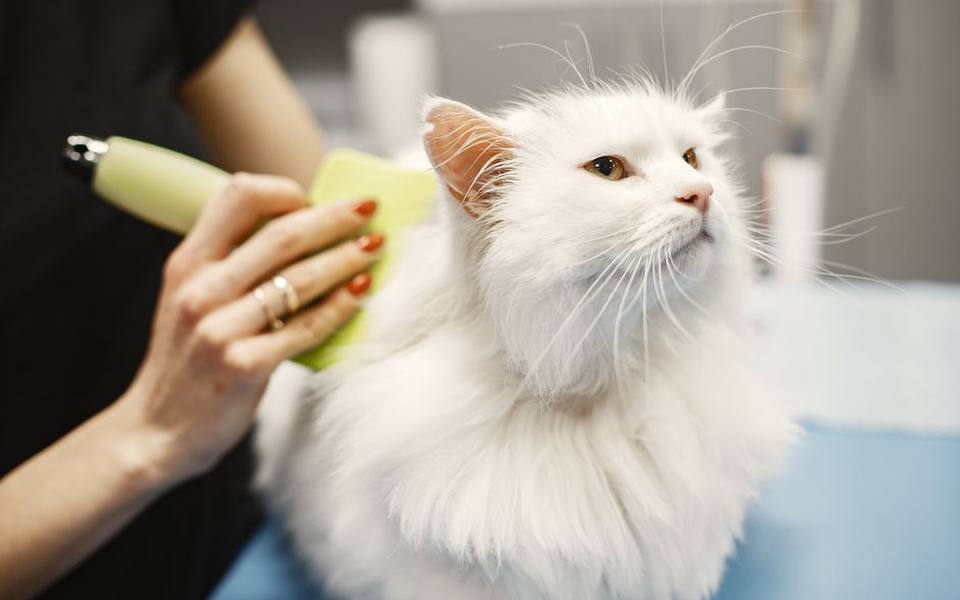
Starting Persian kitten grooming early in life establishes behavioral tolerance before the full adult double coat develops around nine months of age. Kittens should be introduced to wide-toothed combs, slicker brushes, and gentle face wiping while resting in a lap. Short daily sessions of two to three minutes teach the kitten that brush teeth feel comforting rather than threatening.
Facial grooming is equally crucial for flat-faced breeds like Persians and Exotics. Their facial bone structure often leads to blocked tear ducts, causing chronic eye weeping that stains fur and creates damp, bacterial skin folds. Wiping tear tracks daily with a warm, damp cotton pad prevents foul odor, staining, and painful dermatitis around the eyes and muzzle.
Focus extra attention on friction zones where mats form first: behind the ears, deep inside the armpits, across the groin, and around the tail base. If a small knot appears, gently tease it apart with your fingers or the tip of a comb rather than pulling with full force, which tears the skin.
The Lion Cut and Functional Haircuts for Cats
A lion cut cat hairstyle involves shaving the torso down to a velvet length while leaving full hair on the head, ruff, lower paws, and tail tip. While visually dramatic, this cut is primarily a functional hygiene solution rather than a cosmetic trend. Veterinarians and professional groomers frequently recommend it for severely matted coats or elderly cats unable to manage self-care.
Beyond severe mat removal, seasonal lion cuts can provide immense relief for long-haired cats living in warm climates or those suffering from chronic furballs. Some pet parents choose a modified sanitary trim, which clips only the underside of the tail and around the hindquarters to keep litter debris and waste from sticking to long fur.
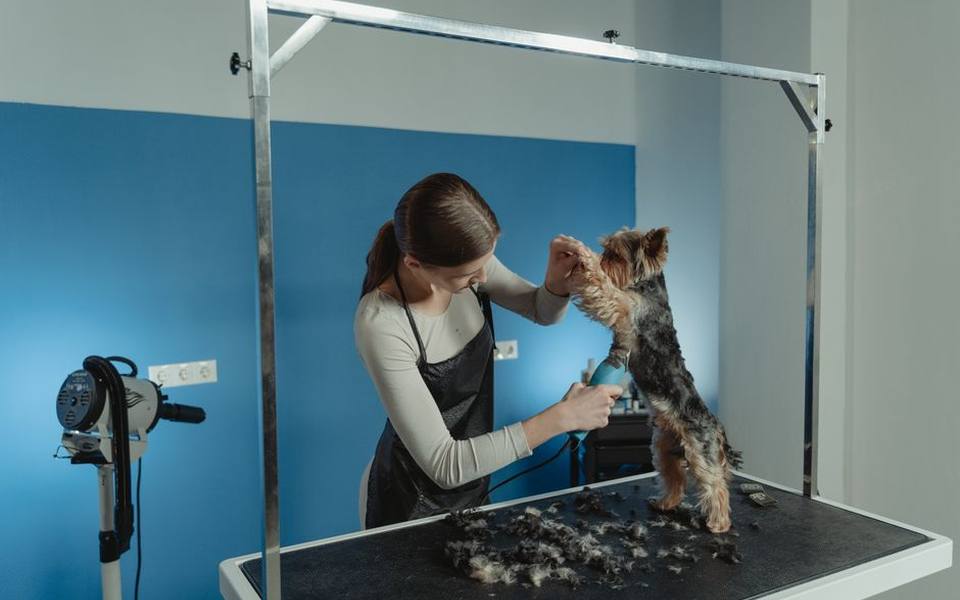
Shaving a cat requires commercial pet clippers equipped with specialized feline blades that run cool against sensitive skin. Because cat skin is exceptionally loose and easily catches in clipper teeth, full shaves should generally be left to trained professionals. Sedation might be advised by a vet if a cat exhibits extreme stress or aggression during clipper work.
Post-shave care requires environmental awareness inside the home. Cats that lose their heavy fur lose thermal regulation and can become chilly even in climate-controlled rooms. Provide warm fleece blankets and keep shaved indoor cats away from sunny windowsills where exposed, unpigmented skin can suffer sunburn.
Finding Local Cat Groomers and Dedicated Salons
Locating reputable cat groomers close to me requires vetting facilities specifically on their feline handling credentials. Unlike dogs, cats cannot be forced into compliance through physical leverage without inducing severe panic and flight responses. A skilled feline stylist understands subtle stress indicators like tail twitching, dilated pupils, and ear shifts, pausing immediately before panic escalates.
When evaluating a potential grooming shop, look for businesses that offer feline-only quiet hours or separate physical rooms away from barking dogs. The smell and sound of canine clients can push an indoor cat into sensory overload before grooming even starts. Inquire whether their staff holds certification through recognized feline grooming organizations or demonstrates documented cat-handling apprenticeships.
While many owners search through regional facilities or check directories like DogWashAtlas to find pet care options, dedicated feline salons typically operate on rigid appointment structures. Unlike high-volume dog salons that house pets in drying cages for hours, cat appointments should be straight-through services where your pet is worked on immediately and picked up promptly.
Before booking, confirm the salon's vaccination and flea prevention policies. Responsible operations require proof of rabies and feline distemper to protect all animals in their care. Transparency regarding their handling methods, equipment sanitation, and emergency protocols indicates a professional, safe grooming environment.
The Advantages of Mobile Grooming for Cats
Securing a mobile pet grooming for cats provider has become one of the most popular options for nervous pets. The most stressful part of salon visits for most felines is the car ride, carrier confinement, and unfamiliar scents of a retail storefront. A mobile van pulls right up to your curb, entirely eliminating highway travel and waiting-room anxiety.
Inside a customized mobile pet groomer for cats van, the animal receives dedicated one-on-one attention without the noise of multiple clippers, barking dogs, or opening doors. Because the groomer focuses on a single household at a time, services typically wrap up within forty-five to sixty minutes. This rapid turnaround significantly reduces cumulative stress on senior animals.
Mobile feline grooming services generally cost more than brick-and-mortar storefronts, typically reflecting travel time and dedicated private attention. Owners in sprawling states often weigh this convenience against salon rates; for instance, suburban pet parents exploring options across California facilities or metropolitan areas in Texas pet centers find that mobile visits spare their nervous animals hours of distress.
To prepare for a mobile appointment, ensure adequate parking space with access to a standard electrical outlet if requested by the groomer, although many vans are fully self-powered. Have your cat resting comfortably in a small, enclosed room like a bathroom an hour beforehand so they do not hide under a bed when the vehicle arrives.
Self-Serve Washing Facilities and Cats
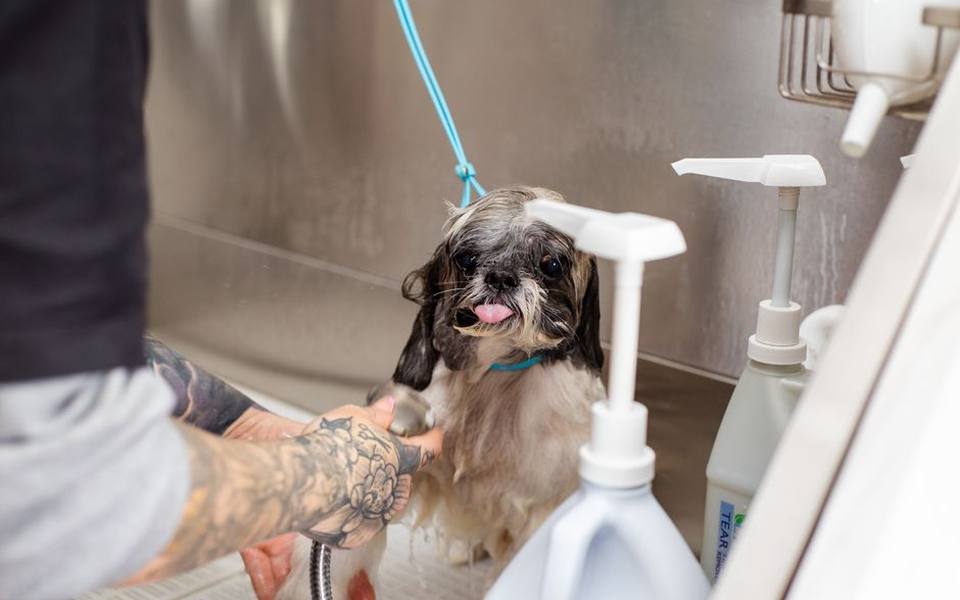
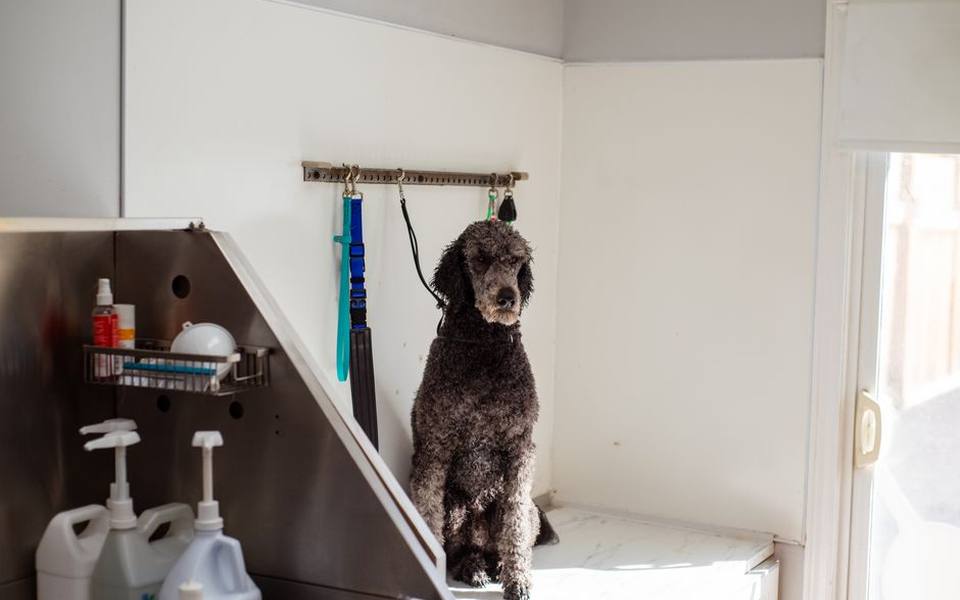
Community self-service wash stations are widely celebrated by canine owners, leading some cat owners to wonder if these tubs work for felines. Dedicated self-serve stations provide elevated stainless steel tubs, temperature-controlled water lines, and professional blowers that keep human bathrooms clean and dry.
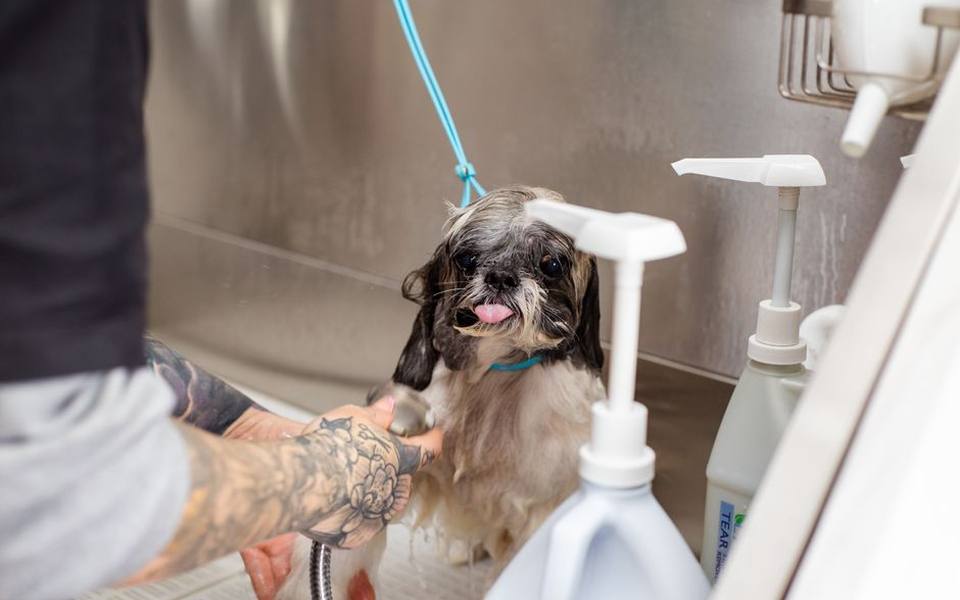
However, taking a cat to a public commercial tub requires caution and careful timing. The vast majority of these facilities are designed around dogs, meaning barking, heavy chemical aromas, and open spaces can easily cause a cat to bolt. If you plan to use such facilities, seek out quieter neighborhood spots where walk-ins are welcome during low-traffic midweek hours.
Never attempt to wash a cat in an open tub without an enclosed safety harness and leash connected to a secure anchor ring. Ensure the facility's water hoses can be dialed down to a very gentle spray pressure, as standard commercial spray nozzles can bruise feline skin and create loud hissing noises that panic the animal.
Bring your own cat-specific shampoos and soft towels rather than relying on automated shampoo dispensers, which often use formulas intended solely for canine coat grease. If the wash location is loud or chaotic upon your arrival, prioritize your cat's safety and return home rather than forcing an anxious animal into an open public wash bay.
Establishing a Lifelong Grooming Routine
A smooth grooming routine is built through consistent, positive micro-sessions rather than marathon grooming days. Handling paws, lifting lips to inspect gums, and running soft brushes down the flanks should become a standard part of daily relaxation alongside treat rewards. When handling feels familiar, routine maintenance ceases to be a territorial battle.
Pay careful attention to seasonal transitions when humidity and temperatures shift coat shedding cycles. Spring shedding demands daily brushing to pull out winter down, while dry winter heating requires skin checks for static and flaking. Adjusting your comb styles and brushing frequency across the seasons maintains skin comfort year-round.
If an older cat suddenly stops self-grooming and appears unkempt, do not assume it is simply normal aging. Dental pain, arthritis, spinal discomfort, and kidney issues often manifest first as coat neglect because bending and twisting become painful. Always consult your veterinarian if your cat's self-cleaning behavior changes drastically before attempting intensive home corrective measures.
Published 2026-09-21 · reviewed with each rebuild, last September 2026.
Find self-serve dog washes near you
The directory lists 2,264 self-serve dog washes by state and city — pick your state or use the “Near me” button in the header.
More guides
-
 Money
MoneyUnderstanding the Costs of Grooming and Washing Your Dog
-
 Service
Canine Scent Gland Care: Symptoms, DIY Steps, and Professional Costs
-
 Money
MoneyDog Grooming Cost Breakdown: Salons, Mobile Vans, and Retail Chains
-
 Service
Dog Anal Gland Expression: How It Works, When It Is Needed, and Typical Costs
-
 Owning
Essential Dog Grooming Tools: Choosing Clippers, Shears, and Maintaining Blades
-
 Money
MoneyDog Teeth Cleaning Costs: Vet Anesthesia vs. Non-Anesthetic Options
-
 Service
How to Choose the Best Local Dog Groomer: What to Look For
-
 Service
Self-Service Dog Wash Guide: Locations, Pricing, and How It Works
-
 Owning
Complete Dog Anal Gland Care: How to Express, Symptoms, and Safe Techniques
-
 Service
Professional Dog Grooming and Self-Wash Stations: Comparing Costs, Services, and Formats
-
 Owning
Dog Nail Trimming and Grinding Guide: Clippers, Rotary Tools, and Safe At-Home Care
-
 Service
Popular Dog Haircut Styles: Breed Cuts, Teddy Bear Trims, and Styling Rules
-
 Owning
Managing Dog Itchy Skin and Fleas: Medicated Baths, Shampoos, and Remedies
-
 Owning
Dog Ear Cleaning and Flushing Solutions: Preventing Wax Build-Up and Infections
-
 Owning
Dog Anal Gland Care: Expression, Swollen Glands, and Hygiene Solutions
-
 Owning
Dog Blow Drying, Coat Coloring, and Waterless Grooming Essentials
-
 Owning
Essential Grooming Tools: Brushes, De-Matting, Odor Neutralizers, and Paw Care
-
 Owning
Canine Dental Hygiene Guide: Toothbrushes, Powders, and Tartar Control
-
 Owning
Complete Guide to Dog Training: Methods, Equipment, Classes, and Costs
-
 Owning
Ultimate Guide to Dog Haircut Styles by Breed: Puppy Cuts, Teddy Bear, and Lion Clips
-
 Owning
How to Treat Dog Itchy Skin and Allergies: Medications, Shampoos, and Home Remedies
-
 Safety
How to Trim Dog Nails Safely: Clippers vs Grinders and Techniques
-
 Service
Professional Dog Grooming Services: Costs, Salons, and At-Home Options
-
 Owning
Dog Dental Care Guide: Toothbrushes, Powders, and At-Home Cleaning
-
 Safety
Dog Ear Cleaning Solutions, Wax Buildup, and Infection Care Guide
-
 Owning
Choosing the Right Dog Shampoo for Dry Skin, Dandruff, Fleas, and Ticks
-
 Owning
Self-Serve Dog Wash Stations and Home Bathing Setup Guide
-
 Buying
Essential Professional Grooming Tools, Clippers, and Blade Care
-
 Owning
Dog Nail Trimming, Grinding, Polish, and Safe Hair Dye: A Practical Guide
-
 Service
Dog Haircuts and Breed Styling Guide: Popular Cuts, Trims, and Coat Care
-
 Service
Cat Grooming and Styling: Lion Cuts, Bathing, and Coat Care
-
 Owning
Dog Ear Care and Skunk Odor Removal: Cleaning, Wax, and Emergency Deodorizing
-
 Safety
Dog Flea Baths and Medicated Shampoos: OTC and Prescription Remedies
-
 Owning
Complete Guide to Raw Dog Food Nutrition and Diets
-
 Owning
Dog Birthday Cakes, Safe Treats, and Celebration Guide
-
 Service
Hiring a Dog Walker: Services, Rates, and Agency Options
-
 Service
Dog Breed Haircuts, Styling, and Coat Maintenance Guide