How canine ear anatomy influences wax buildup
Dogs possess a uniquely shaped ear canal that makes them far more susceptible to debris accumulation than humans. Instead of traveling directly inward toward the eardrum, the canine canal forms an abrupt L-shape, descending vertically before turning sharply horizontally toward delicate internal structures. This bend provides natural protection against external debris, but it also traps moisture, sloughed skin cells, and secretions. Understanding this structure helps owners see why standard surface wiping rarely resolves problems brewing deeper inside the canal.
Ear wax, scientifically termed cerumen, serves a protective physiological function in healthy dogs. Glands lining the external canal produce ceruminous secretions combined with sebum to lubricate delicate tissues and capture environmental dust, pollen, and airborne particles. In a balanced ear, the natural cellular migration pushes this debris upward and out of the canal naturally. However, excessive hair growth inside the canal, narrow passages, or pendulous pinnae can easily stall this self-cleaning mechanism.
When wax remains trapped in the dark, warm environment of the horizontal canal, it quickly becomes a breeding ground for microorganisms. Breeds with long, heavy leather like Cocker Spaniels, Golden Retrievers, and Basset Hounds tend to retain higher internal humidity levels. Without routine inspection and occasional gentle maintenance, normal physiological wax buildup can transform into a stubborn plug, altering the canal environment and predisposing the dog to persistent irritation.
Spotting normal wax compared to active ear infections
Distinguishing between healthy ear discharge and an escalating infection is the most critical first step before applying any cleaning solution. Normal ear discharge in dogs is typically sparse, light tan to pale yellow, and virtually odorless. It leaves faint smears on a cotton pad without causing obvious redness, swelling, or pain. A dog with normal ears will tolerate casual handling of their ear leather without pulling away, whimpering, or frantically scratching at the base of the skull.
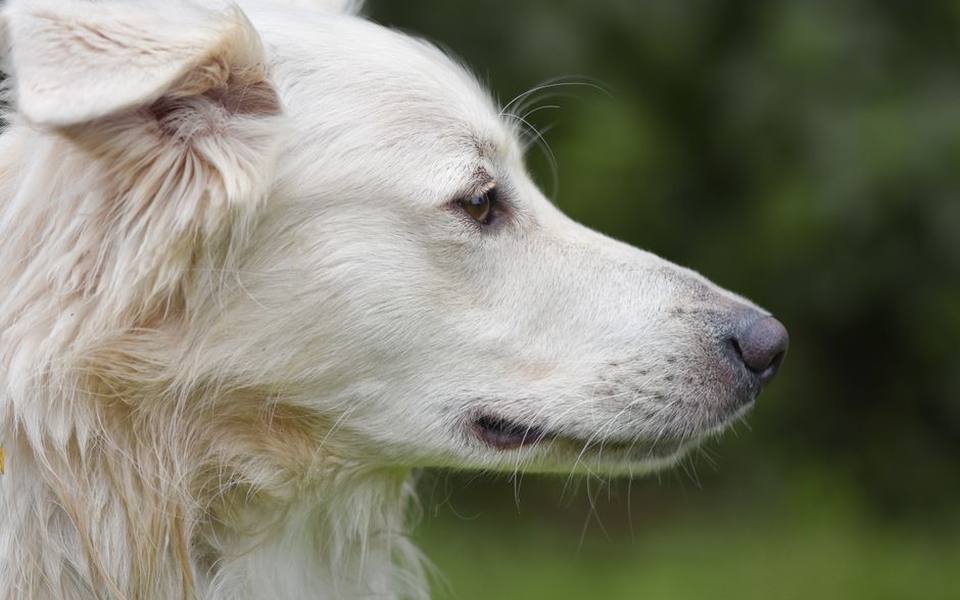
Active ear infections, known clinically as otitis externa, produce marked changes in both canal appearance and discharge consistency. Yeast overgrowth commonly generates a dark brown, waxy exudate that carries a pungent, sweet, or musty smell reminiscent of fermented bread or corn chips. Bacterial infections often present with yellowish, greenish, or purulent fluid that may smell rancid and leave moist crusting along the canal entrance.
Physical behavioral cues provide equally clear warnings of distress. A dog experiencing an active infection frequently shakes their head vigorously, tilts their head to one side, or rubs the affected ear against carpet and furniture. The pinna itself may feel hot to the touch, display bright pink or deep red inflammation, and bleed easily if wiped. When these clinical signs appear, flushing the canal without a professional diagnostic swab can worsen underlying damage.
What makes a veterinarian approved ear cleaner effective
A truly effective dog ear wash solution relies on balanced chemistry tailored to the sensitive lining of the ear canal. Veterinarian approved formulations typically avoid harsh alcohols and artificial perfumes, which irritate inflamed tissue and trigger stinging sensations. Instead, quality formulas use mild surfactants that emulsify thick ceruminous wax without stripping the natural epithelial lipid barrier that keeps microbial populations in check.
The pH balance of a top rated dog ear cleaner is engineered specifically to counteract opportunistic pathogens. While human skin thrives at a slightly more acidic level, a dog canal normally maintains a near-neutral to mildly acidic range. Quality veterinary formulas often incorporate mild organic acids such as malic, benzoic, or lactic acid to create an inhospitable environment for yeast and bacteria while preventing maceration of delicate canal skin.
Drying agents represent another foundational component of commercial veterinary rinses. Ingredients like salicylic acid or carefully buffered astringents help remove residual water after baths or outdoor swimming sessions. By accelerating evaporation inside the horizontal canal, a good ear cleaner for dogs eliminates the humid microclimate that allows fungal organisms to multiply rapidly after routine exposure to moisture.
Advanced and gentle formulas for chronic maintenance
Dogs prone to recurrent otitis frequently require advanced veterinary formulas designed for ongoing maintenance rather than simple surface rinsing. Benchmark commercial preparations like Virbac Epi-Otic Advanced ear cleaner for dogs are developed to tackle persistent debris while actively preventing microbial adhesion. These solutions utilize non-irritating, anti-odor technology and specialized monosaccharides that make it harder for infectious organisms to attach to the canal wall.
For animals with sensitive skin, hypoallergenic and gentle ear cleaner for dogs options omit fragrances and aggressive drying agents entirely. These soothing washes frequently incorporate ingredients like micellar water, aloe extracts, or colloidal oat fractions to calm irritated tissues during routine hygiene sessions. They loosen light wax deposits without the stinging sensation that can turn a cooperative pet into a fearful, head-shy companion.
Medicated cleansers containing antimicrobial agents such as chlorhexidine, ketoconazole, or Tris-EDTA occupy a more targeted therapeutic niche. Tris-EDTA formulas, in particular, work by destabilizing bacterial cell walls, significantly enhancing the effectiveness of prescribed topical antibiotic drops. These advanced rinses should typically be selected based on veterinary cytology rather than picked casually off a pet store shelf.
Step by step technique for safe home ear flushing
Preparing the right environment simplifies the cleaning process and keeps stress levels manageable for both owner and pet. Choosing an area with easy-to-clean flooring, such as a utility room, or taking advantage of elevated tubs at self-serve stations helps manage inevitable spray when your dog shakes. Gather large cotton balls or pads beforehand, and avoid cotton-tipped swabs entirely, as they inadvertently pack debris deeper and risk puncturing the delicate eardrum.
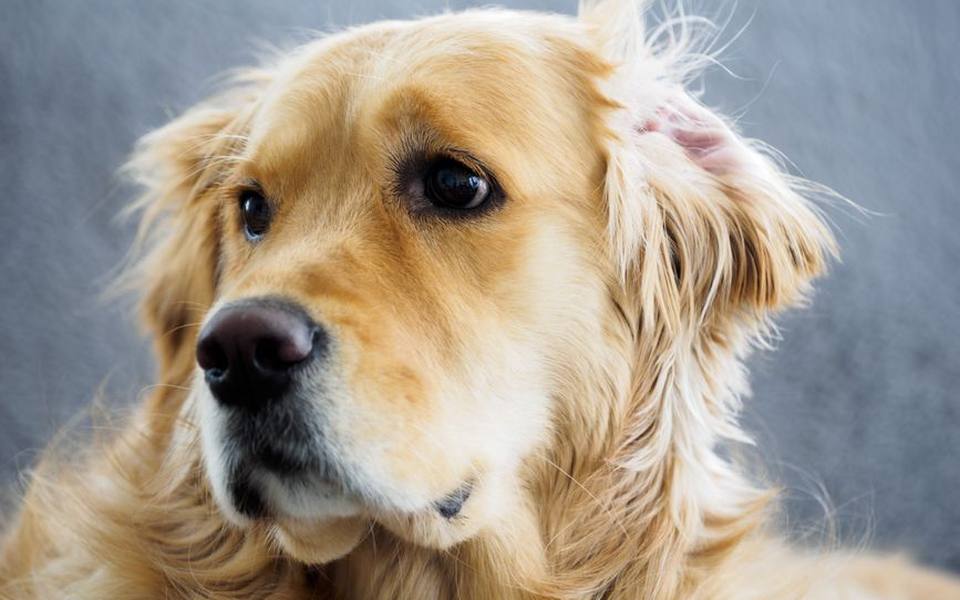
To begin, gently lift the ear pinna upward and slightly backward to straighten the natural curve of the vertical canal. Carefully bring the applicator tip near the canal opening, taking care not to insert the plastic nozzle directly into the ear to avoid injury if the animal jerks suddenly. Squeeze enough solution into the canal to fill the passage completely, allowing the liquid to contact the full circumference of the internal lining.
While holding the ear flap upright, massage the base of the ear canal between your thumb and forefinger for twenty to thirty seconds. You should hear a distinct squishing sound as the fluid dislodges wax and broken-down debris from the lower horizontal bend. Release the ear flap, step back slightly, and allow the dog to shake vigorously, which forces liquefied wax toward the external aperture.
Finish the procedure by using clean cotton pads or soft gauze wrapped around a finger to wipe away loosened discharge, fluid, and wax from the ear opening and flap folds. Never push your finger deeper into the canal than is naturally comfortable, and wipe outward from the center. Rewarding your dog with a favorite treat immediately reinforces positive associations with routine handling.
Evaluating homemade ear rinse recipes and internet formulas
The internet is filled with recipes for a homemade ear rinse for dogs, usually suggesting common household staples like white vinegar, apple cider vinegar, rubbing alcohol, or hydrogen peroxide. While the desire to use simple kitchen ingredients is understandable, preparing a homemade dog ear cleaner without proper chemical understanding can introduce significant risks to your pet's hearing and comfort.
Vinegar-based concoctions represent the most popular DIY approach, relying on acetic acid to alter canal pH and inhibit yeast proliferation. In theory, a thoroughly diluted mixture of organic vinegar and distilled water can create a mild astringent environment for routine maintenance in healthy ears. However, getting the dilution ratio right is notoriously difficult at home, and tap water can introduce trace contaminants or mineral imbalances that further aggravate compromised skin.
Using rubbing alcohol or hydrogen peroxide in an ear wash for dogs homemade recipe is strongly discouraged by veterinary dermatologists. Isopropyl alcohol causes intense burning on micro-abrasions and severely dries the canal lining, prompting compensatory overproduction of oil and wax. Hydrogen peroxide bubbles aggressively upon contact with organic matter, which can cause mechanical irritation, macerate delicate canal skin, and leave behind excess water that cannot evaporate readily.
Hidden dangers of using unverified rinses on irritated ears
The greatest danger associated with any homemade ear cleaning for dogs is the possibility of an undetected ruptured tympanic membrane. Chronic infections, deep inflammation, or excessive foreign debris can thin or perforate the paper-thin eardrum separating the external canal from the middle ear. Commercial veterinary washes are formulated with this anatomy in mind, and specific lines are certified safe for use with perforated eardrums.
If a DIY solution containing vinegar, essential oils, or alcohols passes through a torn eardrum into the middle and inner ear, the consequences can be catastrophic. The resulting chemical trauma frequently causes middle ear inflammation, known as otitis media, along with intense pain, loss of balance, nystagmus, and permanent sensorineural deafness. Once these sensitive neurological structures are damaged, reversing the deficit is exceptionally difficult.
Even when the eardrum remains intact, pouring an acidic or astringent homemade rinse onto an inflamed canal creates an excruciating burning sensation. An animal subjected to this pain will rapidly develop defensive behaviors, becoming head-shy, growling, or attempting to snap during future grooming sessions. Using tested commercial products with calibrated buffers protects both your dog's physiological health and your mutual bond of trust.
Establishing an appropriate cleaning and drying routine
Cleaning frequency should match your dog's lifestyle, breed anatomy, and natural wax production rather than a rigid calendar schedule. Dogs with upright ears and dry canals may only require an inspection and gentle wipe every month or two. Conversely, active sporting dogs and individuals with narrow or drooping ear leather often benefit from maintenance cleanings every one to two weeks to stay ahead of buildup.
Water exposure represents the single most common catalyst for acute ear flare-ups in domestic canines. When washing your pet at facilities where walk-ins welcome are available, take care to prevent direct spray from entering the ear canals. Placing large cotton balls loosely at the canal openings during shampooing helps deflect splashes, provided you remove them immediately after the rinse is finished.
Integrating ear hygiene into a broader personal grooming routine ensures no single health check gets neglected. When performing routine paws and nails care, such as scheduled sessions for dog nail trimming & grinding, take a moment to lift the pinnae and sniff each canal. Catching early waxy increases before redness appears allows you to clear the canal before a costly clinical infection develops.
When to skip home washing and consult a veterinarian
There are clear clinical circumstances where attempting to flush an ear at home is unsafe and should be replaced by prompt veterinary examination. If your dog exhibits severe pain when the base of the ear is touched, holds their head at an unnatural sideways tilt, or stumbles while walking, do not pour any liquid into the canal. These symptoms point toward middle ear involvement or deep tissue ulceration requiring clinical diagnostics.
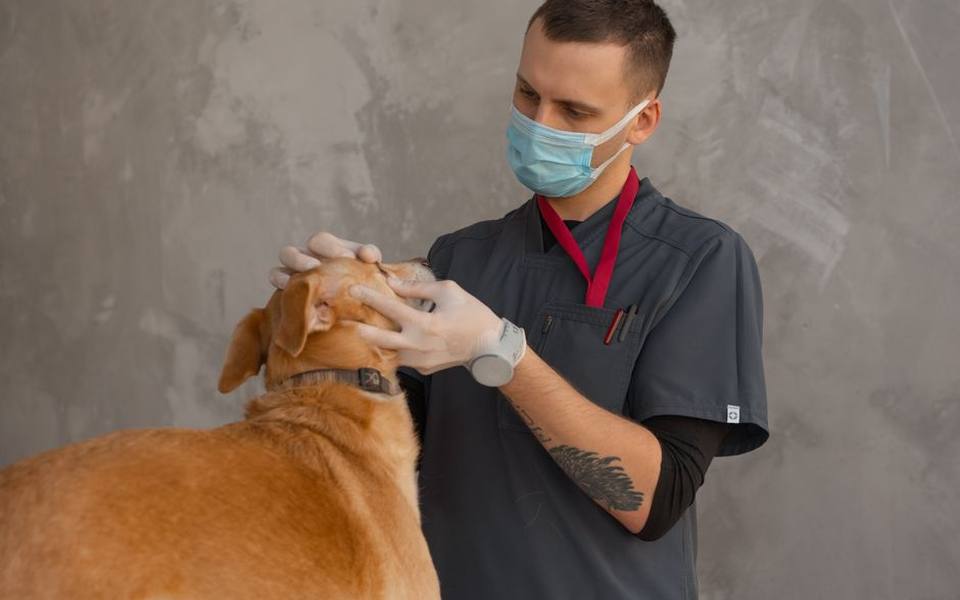
Copious black discharge resembling coffee grounds accompanied by intense, frenzied scratching usually indicates an active ear mite infestation rather than standard wax accumulation. While common wax flushes remove surface debris, they do not eradicate the microscopic parasites living along the canal walls. A veterinarian must inspect the canal with an otoscope to confirm the presence of mites and prescribe appropriate topical parasiticides.
Similarly, foul-smelling yellow pus, visible bleeding, or firm polypoid masses protruding from the canal opening require professional intervention. In these cases, a veterinarian will perform cytology by staining a swab of the discharge to identify whether bacteria, yeast, or both are multiplying. Targeted medical treatment with prescription antibiotic, antifungal, and corticosteroid drops will resolve the infection safely, after which routine maintenance can resume.
Desensitizing sensitive dogs to routine ear handling
Many dogs develop an intense aversion to ear care simply because it is introduced suddenly only when their ears are already sore and inflamed. Building positive associations when the canal is completely healthy is the best way to ensure low-stress maintenance over the animal's lifetime. Start by gently touching and lifting the ear flaps during quiet cuddle sessions, pairing each touch with praise and high-value treats.
Gradually advance to massaging the cartilage base of the ear without introducing any liquids into the passage. Let your pet sniff the bottle of cleanser, feed a reward, and gently touch the closed bottle to the outside of their ear leather. This breaks down the sequence into harmless micro-steps, preventing the panic that often ensues when a bottle is pulled from the grooming cabinet.
Practicing cooperative care at home makes handling much smoother during visits to professional facilities or self-service dog wash stations. When your dog learns that ear checks lead to positive outcomes rather than sudden discomfort, they remain calm on elevated tables and allow thorough drying. Consistent, gentle handling turns what could be a stressful struggle into an easy, five-minute wellness check.
Published 2026-09-21 · reviewed with each rebuild, last September 2026.
Find self-serve dog washes near you
The directory lists 2,264 self-serve dog washes by state and city — pick your state or use the “Near me” button in the header.
More guides
-
 Money
MoneyUnderstanding the Costs of Grooming and Washing Your Dog
-
 Service
Canine Scent Gland Care: Symptoms, DIY Steps, and Professional Costs
-
 Money
MoneyDog Grooming Cost Breakdown: Salons, Mobile Vans, and Retail Chains
-
 Service
Dog Anal Gland Expression: How It Works, When It Is Needed, and Typical Costs
-
 Owning
Essential Dog Grooming Tools: Choosing Clippers, Shears, and Maintaining Blades
-
 Money
MoneyDog Teeth Cleaning Costs: Vet Anesthesia vs. Non-Anesthetic Options
-
 Service
How to Choose the Best Local Dog Groomer: What to Look For
-
 Service
Self-Service Dog Wash Guide: Locations, Pricing, and How It Works
-
 Owning
Complete Dog Anal Gland Care: How to Express, Symptoms, and Safe Techniques
-
 Service
Professional Dog Grooming and Self-Wash Stations: Comparing Costs, Services, and Formats
-
 Owning
Dog Nail Trimming and Grinding Guide: Clippers, Rotary Tools, and Safe At-Home Care
-
 Service
Popular Dog Haircut Styles: Breed Cuts, Teddy Bear Trims, and Styling Rules
-
 Owning
Managing Dog Itchy Skin and Fleas: Medicated Baths, Shampoos, and Remedies
-
 Service
Complete Cat Grooming Guide: Bathing, Haircuts, Nail Trimming, and Mobile Care
-
 Owning
Dog Ear Cleaning and Flushing Solutions: Preventing Wax Build-Up and Infections
-
 Owning
Dog Anal Gland Care: Expression, Swollen Glands, and Hygiene Solutions
-
 Owning
Dog Blow Drying, Coat Coloring, and Waterless Grooming Essentials
-
 Owning
Essential Grooming Tools: Brushes, De-Matting, Odor Neutralizers, and Paw Care
-
 Owning
Canine Dental Hygiene Guide: Toothbrushes, Powders, and Tartar Control
-
 Owning
Complete Guide to Dog Training: Methods, Equipment, Classes, and Costs
-
 Owning
Ultimate Guide to Dog Haircut Styles by Breed: Puppy Cuts, Teddy Bear, and Lion Clips
-
 Owning
How to Treat Dog Itchy Skin and Allergies: Medications, Shampoos, and Home Remedies
-
 Safety
How to Trim Dog Nails Safely: Clippers vs Grinders and Techniques
-
 Service
Professional Dog Grooming Services: Costs, Salons, and At-Home Options
-
 Owning
Dog Dental Care Guide: Toothbrushes, Powders, and At-Home Cleaning
-
 Owning
Choosing the Right Dog Shampoo for Dry Skin, Dandruff, Fleas, and Ticks
-
 Owning
Self-Serve Dog Wash Stations and Home Bathing Setup Guide
-
 Buying
Essential Professional Grooming Tools, Clippers, and Blade Care
-
 Owning
Dog Nail Trimming, Grinding, Polish, and Safe Hair Dye: A Practical Guide
-
 Service
Dog Haircuts and Breed Styling Guide: Popular Cuts, Trims, and Coat Care
-
 Service
Cat Grooming and Styling: Lion Cuts, Bathing, and Coat Care
-
 Owning
Dog Ear Care and Skunk Odor Removal: Cleaning, Wax, and Emergency Deodorizing
-
 Safety
Dog Flea Baths and Medicated Shampoos: OTC and Prescription Remedies
-
 Owning
Complete Guide to Raw Dog Food Nutrition and Diets
-
 Owning
Dog Birthday Cakes, Safe Treats, and Celebration Guide
-
 Service
Hiring a Dog Walker: Services, Rates, and Agency Options
-
 Service
Dog Breed Haircuts, Styling, and Coat Maintenance Guide