Understanding What Anal Glands Are and What Expression Involves
Anal gland expression is the manual evacuation of two small fluid sacs located just inside a dog's rectum at roughly the four o'clock and eight o'clock positions. Under normal physiological circumstances, these specialized sacs secrete an oily, pungent liquid that coats the stool whenever a healthy dog passes firm bowel movements. When natural drainage fails due to soft stool consistency, anatomical narrowness, or local inflammation, built-up fluid thickens into an uncomfortable paste that requires gentle manual pressure to clear safely.
In the veterinary and grooming professions, manual expression is treated as a hygiene and health intervention rather than standard cosmetic upkeep. The fluid produced varies in appearance from a watery brownish liquid to a gritty, dark discharge with a sharp, musky odor that pet owners recognize immediately. While routine defecation naturally triggers muscular compression around these scent reservoirs, dogs experiencing digestive upset or duct obstruction often need human assistance to prevent severe impactions or painful tissue abscesses.
Recognizing the fundamental difference between natural physiological drainage and manual extraction helps avoid unnecessary procedures on a comfortable pet. Most wild canines and healthy domestic dogs never require manual intervention because dietary fiber and natural abdominal contraction evacuate the reservoirs daily during bathroom breaks. Manual intervention should generally be introduced only when a canine shows observable physical discomfort or when a qualified veterinarian identifies poor anatomical drainage during a routine physical examination.
Do Dogs Really Need Their Glands Expressed Regularly?
The short answer for the majority of healthy dogs is no. Most dogs go their entire lives without needing a human to empty their scent glands, as firm, well-formed bowel movements supply adequate counterpressure against the rectal walls. When pet parents or well-meaning bathers routinely squeeze healthy glands, the repeated physical trauma can irritate delicate surrounding tissues, resulting in chronic inflammation, scar tissue formation, and a reduced natural ability to express spontaneously.
Certain breeds, however, face higher biological risks for chronic gland retention and recurrent impaction. Toy and smaller breeds—including Chihuahuas, French Bulldogs, Miniature Poodles, and Cocker Spaniels—frequently possess narrower natural duct openings that easily clog when secretions thicken. Obese dogs and animals suffering from chronic soft stools or recurrent seasonal skin allergies are also prone to poor natural drainage, creating recurring discomfort that necessitates planned interventions.
If your pet produces consistent, solid stools and shows zero signs of rectal discomfort, prophylactic manual squeezing is generally counterproductive. Dog parents often ask whether routine gland clearing should be part of a monthly bath. Professional guidance consistently leans toward leaving functional glands alone, reserving manual evacuation strictly for situations where natural drainage mechanisms have demonstrably failed.
Warning Signs That Signal Glandular Impaction or Discomfort
The most universal warning sign that a dog requires anal gland attention is the familiar scooting behavior, where the pet drags its hindquarters across carpets, grass, or rough surfaces. Scooting is an instinctive attempt to relieve severe pressure, burning, or intense itching around the rectal opening. While occasional scooting can occasionally indicate tapeworms or localized dermatitis, frequent dragging almost always points directly toward full or irritated scent glands.
Persistent licking, biting, or chasing of the tail base and rear area represents another unmistakable red flag. Dogs in discomfort will often pause abruptly during walks or play sessions to inspect their hind end with obvious frustration. You might also notice a sudden, overpowering fishy odor lingering on furniture, bedding, or your hands after petting the lower spine, which occurs when engorged glands leak small droplets uncontrollably.
Severe cases present visible external changes, including noticeable swelling, redness, or localized heat on either side of the anus. If an impacted gland becomes infected, an abscess can form rapidly, causing intense pain when defecating, blood-tinged discharge, and systemic lethargy. At the first sign of visible rectal bulging or vocalization during bathroom breaks, immediate veterinary assessment is crucial before a full rupture occurs.
How Glands Are Expressed: Groomer Versus Veterinary Methods
Professional manual expression is performed through two distinct techniques: external expression and internal expression. External expression is the method commonly utilized by commercial pet groomers and occasional experienced owners. It involves placing a paper towel over the anus and applying firm, inward-and-upward pressure with the thumb and forefinger on the outside of the rectal skin at the four and eight o'clock positions until the built-up fluid releases outward.
Veterinary clinics almost universally rely on internal expression, which provides a far more thorough, controlled, and gentle result. A licensed veterinarian or certified technician inserts a lubricated, gloved index finger just inside the rectal sphincter while placing the thumb on the external skin. This pinch grip allows the practitioner to isolate the gland completely, assess its size, texture, and duct patency, and gently milk the fluid out without crushing sensitive outer tissues.
Attempting internal manual expression at home without medical training carries considerable danger, including accidental rectal wall laceration or painful glandular rupture. If an impacted gland is severely hardened or inflamed, aggressive external squeezing from the outside can push infectious material deeper into surrounding pelvic tissues instead of clearing the duct. When in doubt, leaving manual evacuation to trained clinic staff prevents unnecessary trauma and hidden complications.
Recommended Frequency and What to Expect Over Time
There is no universal calendar schedule for glandular maintenance because every dog's anatomy, stool consistency, and secretion rate differ. Dogs that require manual intervention typically need it every four to eight weeks, depending on their individual recurrence patterns. Some pets experience a solitary episode after an unexpected bout of diarrhea and never require manual clearing again once their digestive regularity returns to normal.
Scheduling manual expression on an arbitrary bi-weekly timeline can do more harm than good. Over-manipulation can stretch the thin muscular walls of the sacs, leading to chronic laxity where the gland loses its inherent elasticity and becomes incapable of natural emptying. A sensible protocol is to monitor your pet closely and schedule an appointment only when early behavioral indicators—like minor scooting or persistent licking—first reappear.
Working with a veterinary team helps establish whether underlying triggers can be resolved to eliminate the need for frequent manual emptying altogether. Adding high-quality insoluble fiber, transitioning to limited-ingredient diets for allergy-prone dogs, and keeping body weight within an optimal range frequently resolve minor glandular retention. For dogs with incurable duct malformations, a predictable veterinary schedule keeps the dog comfortable without emergency clinic visits.
Typical Standalone Costs at Vet Clinics and Grooming Salons
When budgeting for standalone anal gland expression, costs depend significantly on whether the service is performed at a private veterinary practice or a grooming facility. In a veterinary hospital, standalone expression handled by a veterinary technician typically ranges from $15 to $35, often avoiding the comprehensive physical exam fee if the dog is an established patient. If an active infection requires a veterinarian's direct diagnosis, antibiotics, or pain relief, total visit expenses can climb above $100.
Grooming salons typically offer external expression at competitive rates, frequently pricing it between $10 and $25 as an à la carte walk-in service. Many owners prefer using dedicated walk-in dog washes where grooming staff can handle basic sanitary upkeep on demand without weeks of advance scheduling. Standalone visits are generally fast, usually taking less than ten minutes from check-in to completion.
Geographic location also exerts noticeable influence on baseline maintenance prices across the country. Service charges at animal care facilities in metropolitan regions like dog wash facilities in California typically sit near the higher end of national averages due to increased operational overhead. Conversely, neighborhood clinics and self-service facilities across smaller Midwestern communities often offer more modest, budget-friendly pricing structures for identical routine care.
Full Grooming Package Rates and Inclusions at Retail Chains
Nationwide pet retail chains and large commercial salon franchises structure their pricing around comprehensive full-service bundles rather than separate maintenance tasks. Standard bath and brush packages typically run between $35 and $75, depending on the dog's weight, coat density, and overall handling requirements. These standard packages almost always include warm water bathing, shampooing, blow drying, ear cleaning, nail trimming, and external anal gland expression upon request.
Corporate salon pricing operates on tiered canine weight brackets, starting with extra-small pets under fifteen pounds and scaling upward to giant breeds exceeding eighty pounds. While basic external glandular expression is frequently bundled into the base package fee at large pet store salons, certain locations have recently transitioned to offering it exclusively as an à la carte upgrade for roughly $12 to $18. Checking the service menu beforehand prevents unexpected charges at checkout.
Full-service corporate salons also implement add-on fees for specialized handling, dematting labor, or skin-soothing medicated rinses. If your dog exhibits signs of extreme anxiety or aggression during glandular manipulation, corporate groomers may decline the service and refer you directly to a clinical setting. This standard safety policy protects the animal from accidental soft tissue injury during involuntary struggling.
Puppy Grooming Rates and Early Salon Preparation
Introductory puppy packages at commercial retail salons and independent grooming shops are tailored specifically for young pets under five or six months old. These gentle packages typically cost between $25 and $45, focusing primarily on desensitization to water, noisy high-velocity dryers, clipper vibrations, and gentle paw handling. The goal is positive socialization rather than aggressive cosmetic trimming or invasive physical maintenance.
In the vast majority of healthy puppies, manual anal gland expression is entirely unnecessary and strongly discouraged. Puppies rarely suffer from glandular retention unless they have experienced acute gastrointestinal illnesses like severe giardia or parvovirus-related diarrhea that disrupted normal stool formation. Professional groomers will generally skip the anal gland step during puppy appointments unless the owner specifically presents written instructions from a treating veterinarian.
Enrolling a puppy in early maintenance visits helps acclimate them to being touched in sensitive zones without fear. Familiarizing a young dog with standard bathing stations, such as community self-serve dog wash stations, establishes confidence and calm behavior. When a puppy learns that bath time and rear-end handling are pain-free routines, future veterinary technician visits or necessary hygiene tasks become dramatically less stressful for everyone involved.
Adult Haircuts and Breed-Specific Styling Costs
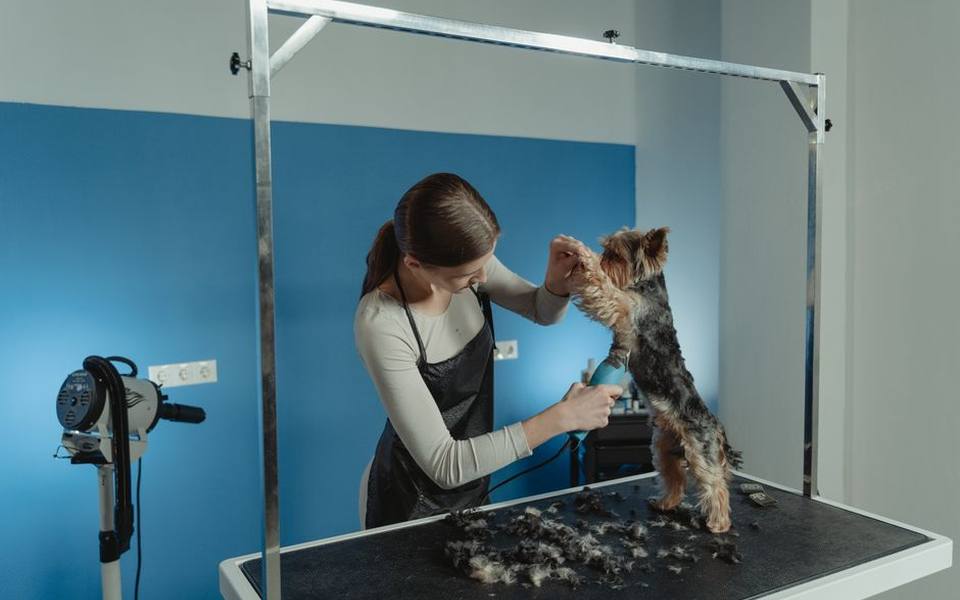
Full haircut packages at corporate chains and private styling boutiques encompass complete styling, sanitary trimming, full-body clipping, and all baseline bath components. A complete haircut typically ranges from $45 to $65 for small, low-maintenance breeds like Shih Tzus, climbing to $80 to $130 or more for large breeds with intricate coats like Standard Poodles or Goldendoodles. Gland expression is traditionally offered alongside the sanitary trim phase of these appointments.
Variations in styling quotes depend heavily on the time required to complete the groom safely. Heavy matting, pelted undercoats, or neglected sanitary zones require extensive pre-shaving and scissor work that adds supplemental fees ranging from $10 to $30. When a dog has heavily impacted anal glands alongside a matted rear end, groomers must work with extreme delicacy to avoid tearing the irritated skin surrounding the anus during the trim.
Pet owners managing long-haired or double-coated dogs in warm regions like wash stations in Texas frequently schedule professional haircut appointments every six to eight weeks. Communicating clearly with your stylist regarding whether you want gland expression included ensures that your dog receives only the exact treatments they medically need while avoiding redundant service charges on your final invoice.
Managing Anal Gland Health and Hygiene Between Visits
Maintaining consistent glandular comfort between grooming appointments starts with dietary management inside the food bowl. Adding pure canned pumpkin, psyllium seed husk, or veterinary fiber supplements introduces bulk and firm structure to everyday stools. This increased stool volume naturally stimulates the rectal sphincter muscles to empty the glandular ducts with every bowel movement, substantially lowering the odds of recurring blockages.
Residual odor is another common frustration for owners, as expressed scent fluid possesses stubborn oils that cling to fur and household upholstery. If an accidental release occurs at home, washing the tail base and rear trousers with an enzymatic pet shampoo breaks down the proteins and neutralizes the pungent fishy smell far better than ordinary soaps. Prompt bathing keeps the area sanitary and prevents secondary bacterial skin infections from developing.
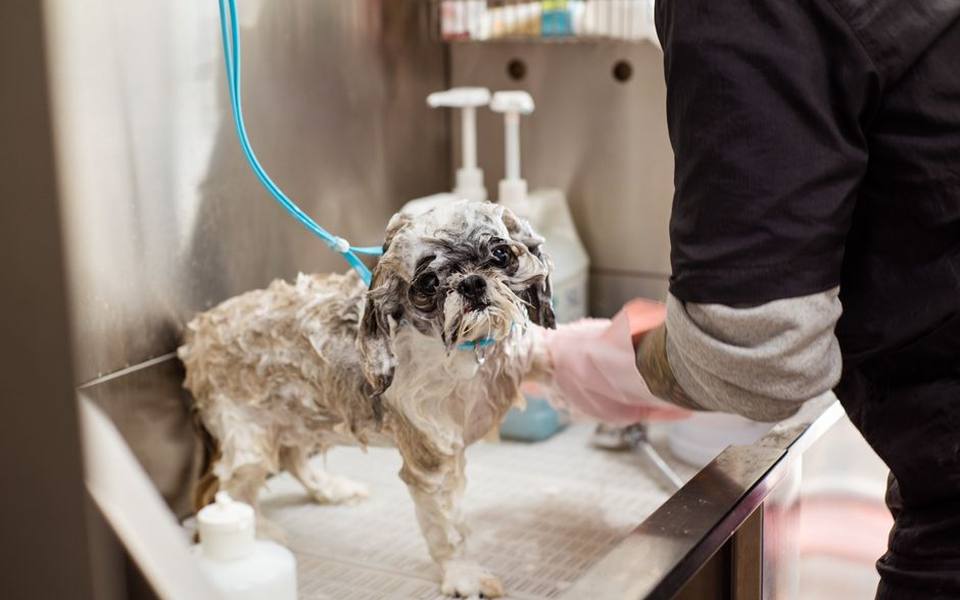
Utilizing neighborhood self-service facilities provides an ideal environment for thorough cleanup after minor rear-end accidents or post-procedure vet tech appointments. Professional elevated tubs, warm water sprayers, and commercial blowers allow you to wash away unpleasant odors without contaminating your home bathrooms. Routine cleanliness combined with dietary fiber remains the most effective long-term strategy for keeping your canine comfortable.
Published 2026-09-20 · reviewed with each rebuild, last September 2026.
Find self-serve dog washes near you
The directory lists 2,264 self-serve dog washes by state and city — pick your state or use the “Near me” button in the header.
More guides
-
 Money
MoneyUnderstanding the Costs of Grooming and Washing Your Dog
-
 Service
Canine Scent Gland Care: Symptoms, DIY Steps, and Professional Costs
-
 Money
MoneyDog Grooming Cost Breakdown: Salons, Mobile Vans, and Retail Chains
-
 Owning
Essential Dog Grooming Tools: Choosing Clippers, Shears, and Maintaining Blades
-
 Money
MoneyDog Teeth Cleaning Costs: Vet Anesthesia vs. Non-Anesthetic Options
-
 Service
How to Choose the Best Local Dog Groomer: What to Look For
-
 Service
Self-Service Dog Wash Guide: Locations, Pricing, and How It Works
-
 Owning
Complete Dog Anal Gland Care: How to Express, Symptoms, and Safe Techniques
-
 Service
Professional Dog Grooming and Self-Wash Stations: Comparing Costs, Services, and Formats
-
 Owning
Dog Nail Trimming and Grinding Guide: Clippers, Rotary Tools, and Safe At-Home Care
-
 Service
Popular Dog Haircut Styles: Breed Cuts, Teddy Bear Trims, and Styling Rules
-
 Owning
Managing Dog Itchy Skin and Fleas: Medicated Baths, Shampoos, and Remedies
-
 Service
Complete Cat Grooming Guide: Bathing, Haircuts, Nail Trimming, and Mobile Care
-
 Owning
Dog Ear Cleaning and Flushing Solutions: Preventing Wax Build-Up and Infections
-
 Owning
Dog Anal Gland Care: Expression, Swollen Glands, and Hygiene Solutions
-
 Owning
Dog Blow Drying, Coat Coloring, and Waterless Grooming Essentials
-
 Owning
Essential Grooming Tools: Brushes, De-Matting, Odor Neutralizers, and Paw Care
-
 Owning
Canine Dental Hygiene Guide: Toothbrushes, Powders, and Tartar Control
-
 Owning
Complete Guide to Dog Training: Methods, Equipment, Classes, and Costs
-
 Owning
Ultimate Guide to Dog Haircut Styles by Breed: Puppy Cuts, Teddy Bear, and Lion Clips
-
 Owning
How to Treat Dog Itchy Skin and Allergies: Medications, Shampoos, and Home Remedies
-
 Safety
How to Trim Dog Nails Safely: Clippers vs Grinders and Techniques
-
 Service
Professional Dog Grooming Services: Costs, Salons, and At-Home Options
-
 Owning
Dog Dental Care Guide: Toothbrushes, Powders, and At-Home Cleaning
-
 Safety
Dog Ear Cleaning Solutions, Wax Buildup, and Infection Care Guide
-
 Owning
Choosing the Right Dog Shampoo for Dry Skin, Dandruff, Fleas, and Ticks
-
 Owning
Self-Serve Dog Wash Stations and Home Bathing Setup Guide
-
 Buying
Essential Professional Grooming Tools, Clippers, and Blade Care
-
 Owning
Dog Nail Trimming, Grinding, Polish, and Safe Hair Dye: A Practical Guide
-
 Service
Dog Haircuts and Breed Styling Guide: Popular Cuts, Trims, and Coat Care
-
 Service
Cat Grooming and Styling: Lion Cuts, Bathing, and Coat Care
-
 Owning
Dog Ear Care and Skunk Odor Removal: Cleaning, Wax, and Emergency Deodorizing
-
 Safety
Dog Flea Baths and Medicated Shampoos: OTC and Prescription Remedies
-
 Owning
Complete Guide to Raw Dog Food Nutrition and Diets
-
 Owning
Dog Birthday Cakes, Safe Treats, and Celebration Guide
-
 Service
Hiring a Dog Walker: Services, Rates, and Agency Options
-
 Service
Dog Breed Haircuts, Styling, and Coat Maintenance Guide