Essential Tools for Modern Canine Coat Care
Styling and maintaining a dog's coat at home or in a dedicated wash bay has evolved far beyond a basic scrub and towel rub. Pet owners now regularly turn to professional-grade high-velocity blow dryers, waterless grooming sprays, and vibrant pet-safe color products to keep their companions looking clean and expressive. Taking control of these techniques allows you to speed up bath time, protect your dog's sensitive skin from retained moisture, and add creative accents safely.
A successful styling session relies on understanding how canine fur differs fundamentally from human hair in thickness, density, and pH balance. Tools designed specifically for pets operate within tight thermal and chemical boundaries to prevent burns or dermal inflammation. Whether your routine involves fluffing a heavy double coat or experimenting with colorful tail tips, choosing equipment tailored to canine physiology is the foundation of responsible coat care.
Before diving into complex grooming rituals, it is essential to build your toolkit around your pet's specific coat type and individual tolerance. Short smooth coats require minimal drying mechanics and benefit primarily from quick surface cleansers, whereas curly or thick undercoats demand substantial air volume to prevent matting and hot spots. Preparing the proper workspace and understanding your equipment prevents both frustration and accidental physical discomfort during the process.
High-Velocity Dryers Versus Standard Household Blow Dryers
Standard household blow dryers rely heavily on thermal heat to evaporate moisture, which poses a serious burn risk to canine skin. Dogs have thinner epidermal layers than humans and cannot dissipate concentrated heat efficiently, making typical bathroom blow dryers dangerous for full-body drying. In contrast, specialized high-velocity pet dryers utilize powerful motor units that produce room-temperature or gently warm air forced through narrow nozzles at exceptional speeds.
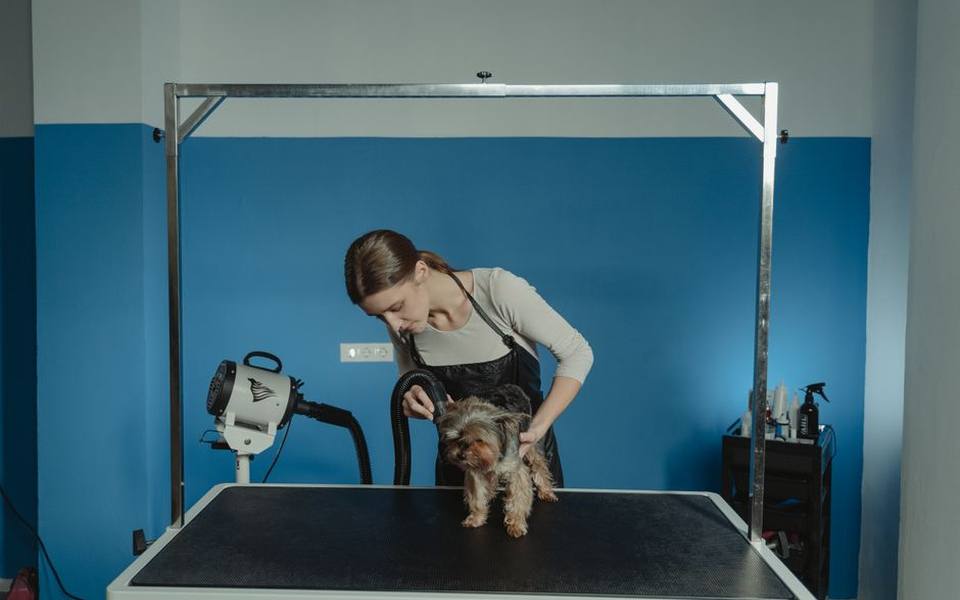
Instead of slowly baking the hair shaft, a high-velocity forced-air dryer shears water droplets directly off the coat through mechanical air pressure. This process cuts drying times down significantly, typically taking a fraction of the time required by standard household appliances. The concentrated airflow also acts as a powerful deshedding aid, blasting loose undercoat, dead dander, and trapped debris out from the root before mats have an opportunity to set.
Many owners encounter these specialized blowers when visiting dedicated self-serve dog wash stations, where commercial-grade equipment is standard. The controlled velocity allows you to lift the coat right down to the dermis, checking for skin anomalies, ticks, or irritation while drying. Investing the effort to learn high-velocity drying eliminates the damp-dog smell that lingers when thick coats air-dry naturally over several hours.
Techniques for Safe and Stress-Free Forced-Air Drying
Operating a high-velocity dryer requires methodical movement to avoid whipping the hair into tight tangles, particularly on drop coats or curly breeds. Always begin at the rear of the dog with the nozzle pointed away from the face, moving the stream smoothly back and forth along the grain of the fur. Keep the nozzle moving continuously rather than holding it over one spot, which ensures uniform drying and prevents sensory overload for your pet.
Nozzle selection plays a critical role in controlling the airflow and managing sound levels during the drying process. A flat water-stripping nozzle works best across the broad planes of the back, ribs, and hindquarters to push bulk moisture away rapidly. When working near sensitive zones like the belly, groin, or neck, removing the nozzle entirely to use the open round hose reduces air pressure and acoustic intensity, creating a much calmer experience.
Never aim a high-velocity air blast directly into a dog's ears, eyes, nose, or genital region, as the intense pressure can damage delicate membranes. For nervous pets, desensitization is paramount; you can place a snug fabric wrap or happy hoodie over their ears to muffle the motor whine. Starting the blower on its lowest speed setting while offering treats helps build positive associations, gradually working up to higher speeds over several bath sessions.
Waterless Cleansers and Dry Shampoos for Quick Maintenance
Full wet baths are not always practical or healthy to perform every week, especially for breeds prone to dry skin or during freezing winter weather. Dry shampoos and waterless cleansing foams fill the gap by breaking down surface oils, neutralizing odors, and lifting light trail dust without saturating the coat. These products allow you to freshen up high-friction areas like paws, ruffs, and sanitary zones between scheduled tub visits.
Dry cleansers for dogs generally come in powder, spray, or pump-foam formulations that use natural starches, baking soda, or gentle surfactants to bind with grime. When using a powder, sprinkle a light amount along the parted fur, massage it into the root area, and let it sit briefly to absorb grease before thoroughly brushing it out. Foam cleansers are applied with a damp cloth or bare hands, worked through soiled patches, and toweled dry to lift residue.
It is vital to use only veterinary-formulated or pet-labeled dry products rather than reaching for dry shampoos designed for human hair. Human cosmetic powders frequently incorporate synthetic fragrances, phthalates, and sometimes talc or toxic botanicals that dogs will ingest when grooming themselves later. Checking the ingredient list for soothing additives like colloidal oatmeal, chamomile, or aloe ensures the skin barrier remains balanced and comfortable.
Understanding Pet-Safe Hair Color and Creative Dyes
Creative grooming has expanded significantly, with many owners seeking playful accents like bright ears, rainbow tails, or holiday patterns on their pets. The absolute golden rule of canine color is that human hair dye must never be used on an animal under any circumstance. Human dyes rely on ammonia, hydrogen peroxide, and harsh oxidizing chemicals to penetrate the hair shaft, which causes severe chemical burns, toxicity, and allergic shock in dogs.
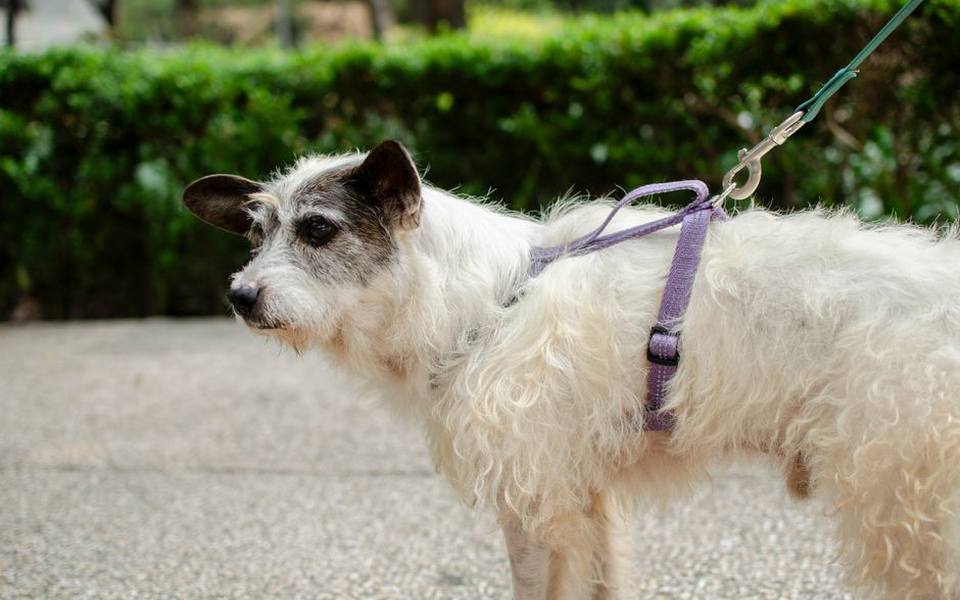
Legitimate canine hair dyes utilize non-toxic, semi-permanent vegetable pigments, food-grade stains, or cosmetic mineral chalks specifically formulated for animal safety. These products coat the exterior cuticle of the fur rather than chemically lifting the natural pigment from within. Because they lack harsh developers, pet-safe dyes present minimal chemical risk, provided they are applied to clean skin and kept strictly away from mucous membranes.
Color expression varies widely depending on your dog's base coat shade and texture. White, cream, and silver coats showcase pastel and vibrant shades with brilliant clarity, while dark brown or black fur will show little to no tint from non-bleaching colorants. Darker dogs can still participate in styling through bright temporary chalks or reflective glitter sprays designed to sit on top of the fur until the next bath.
Pre-Application Preparation and Patch Testing Protocols
Even when using gentle, pet-certified color formulations, conducting a simple patch test forty-eight hours before a full application is an essential safety precaution. Apply a dime-sized dab of the chosen dye to a small, hidden patch of skin on your dog's inner flank or thigh. Monitor the test area over the subsequent two days for any signs of redness, swelling, hives, or excessive scratching, proceeding only if the skin remains completely calm.
A pristine coat is required before applying semi-permanent dyes, as accumulated natural oils, dirt, and conditioner will block pigment adhesion. Bathe the dog using a basic clarifying or deep-cleansing shampoo that leaves no heavy silicone or conditioning residue on the fur. Dry the coat thoroughly using your forced-air dryer, as dry hair fibers absorb water-based vegetable stains far more evenly and hold color longer than damp strands.
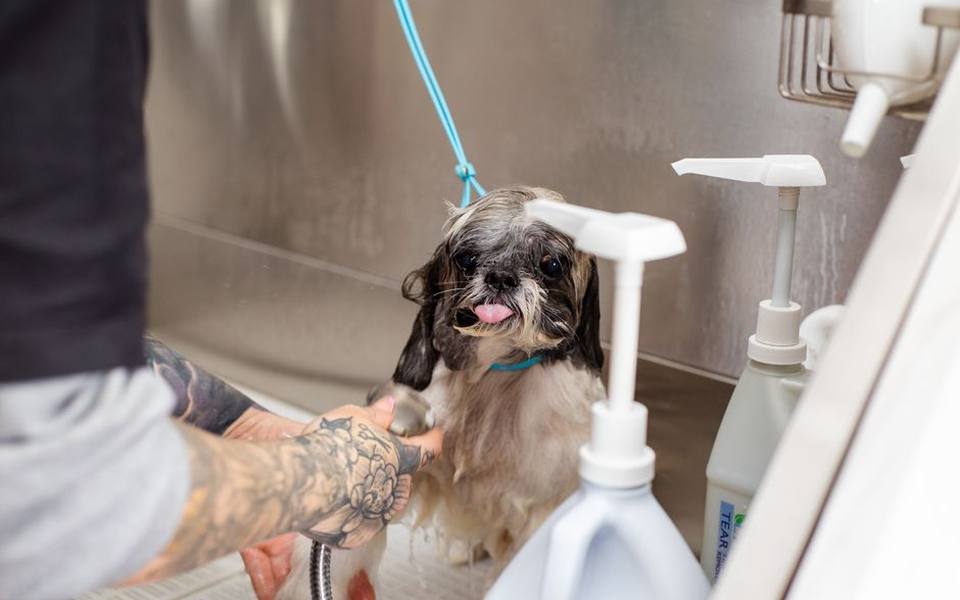
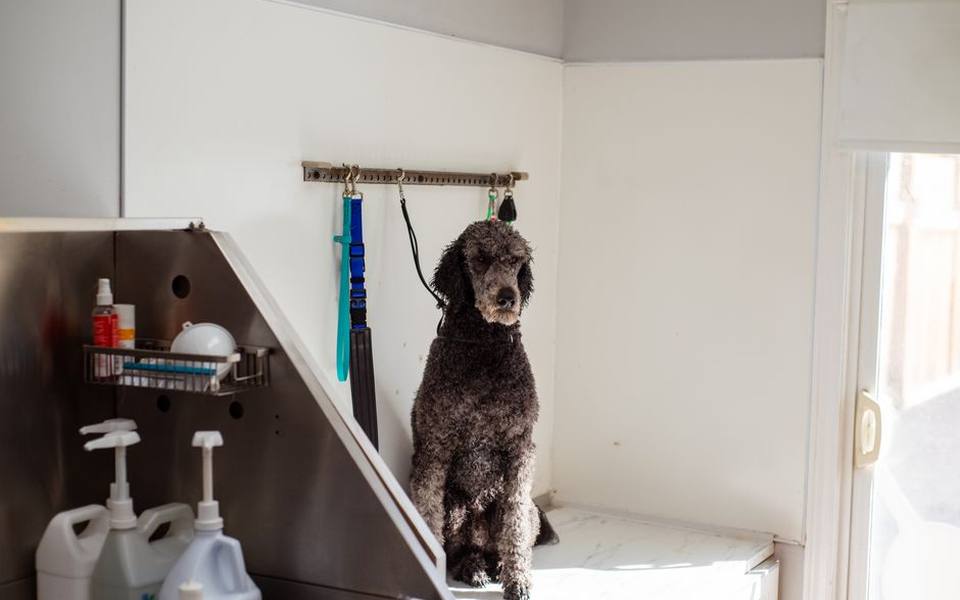
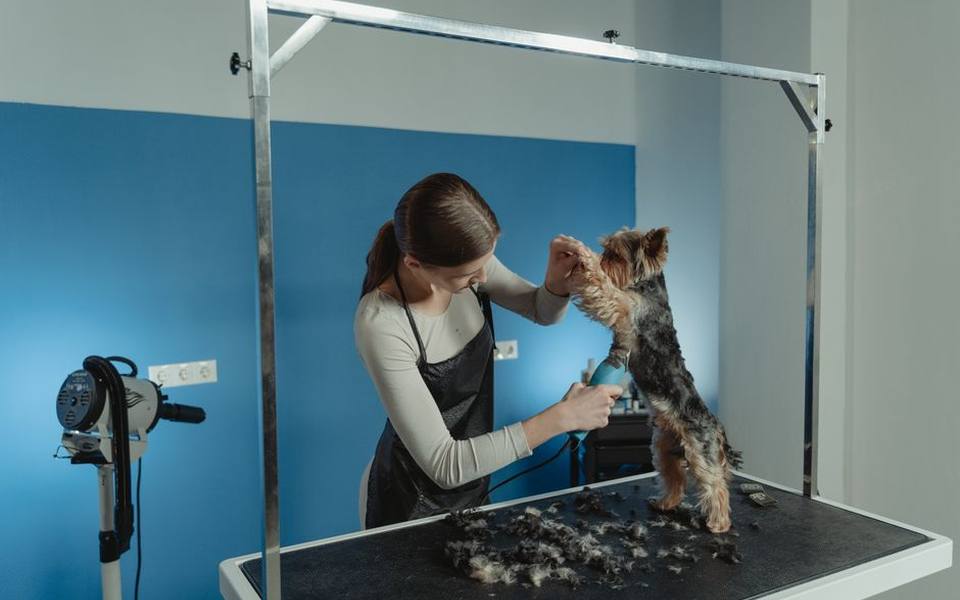
For owners working within city apartments where dye splatter might stain tile or carpets, visiting local walk-in dog washes provides an ideal controlled environment for prep and application. Facilities featuring secure grooming tables and tether points keep your dog safely positioned throughout the entire routine. Taking the time to properly prep the coat ensures the resulting color turns out crisp, even, and long-lasting.
Application Techniques for Creative Canine Accents
Applying pet color requires planning, precision tools, and a very calm touch to keep the experience enjoyable for your dog. For temporary styling on small areas like ears or pom-poms, pet hair chalk pens or blow-brush applicators give you high control without wet mess. Simply hold the hair section against your fingers, sweep the chalk downward along the fur, and seal the pigment lightly with a slicker brush to remove excess dust.
If you are using semi-permanent liquid or paste color, apply the mixture using a standard tint brush and sectioning clips, working from the root toward the tip. Wrapping colored sections in light foil or plastic film prevents the dog from shaking dye onto surrounding uncolored fur or nearby walls while the pigment sets. Most pet dyes require roughly fifteen to twenty minutes of contact time, during which you should keep your dog engaged with a lick mat or treats.
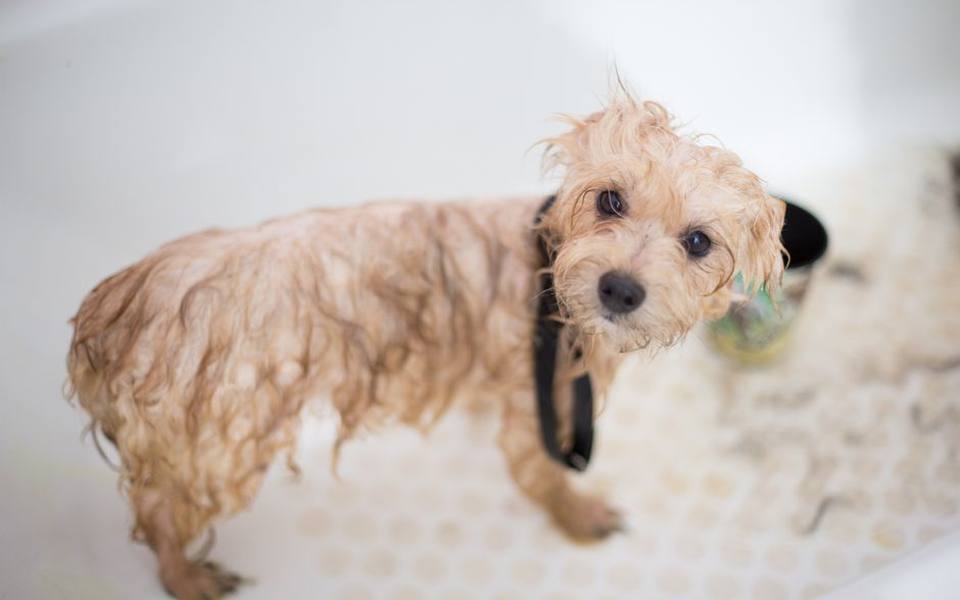
Rinsing out the dye demands cool to lukewarm water to lock the pigment into the cuticle without stripping it away prematurely. Direct the water flow downward, shielding the dog's face with a washcloth to prevent colored runoff from entering the eyes or ear canals. Continue flushing the fur until the rinse water runs completely clear, then towel blot the area thoroughly before moving on to the final drying stage.
Color Longevity, Natural Fading, and Safe Removal
The lifespan of canine color depends heavily on the product category used, coat porosity, and how frequently your pet goes swimming or receives baths. Temporary chalks and hair sprays typically wash out completely in one to two standard water baths with regular shampoo. Semi-permanent vegetable dyes, on the other hand, can remain visible anywhere from several weeks to a few months, gradually softening into gentle pastel tones over time.
Environmental factors like ultraviolet sunlight exposure and coarse fur textures accelerate fading across active outdoor dogs. Breeds with hard, wiry guard hairs tend to shed color much faster than breeds with soft, cottony wool coats like poodles or bichons, which hold onto pigment tenaciously. If you want to prolong color vibrancy, use gentle sulfate-free maintenance shampoos and limit direct scrubbing on the dyed accent areas during intermediate washings.
If you need to speed up the removal of a semi-permanent shade, never reach for abrasive cleaners or household detergents. Instead, wash the area with a pet-formulated clarifying or anti-residue shampoo, letting the lather sit for a couple of minutes before rinsing with warm water. Repeat this process across subsequent baths rather than stripping the coat in a single afternoon, allowing natural shed cycles to carry away the remaining tint safely.
Grooming Bay Protocols and Facility Etiquette
Whether you groom in your home garage or frequent shared pet wash facilities, handling dyes and high-velocity dryers requires thoughtful hygiene practices. Forced-air blowers produce significant noise and launch loose undercoat into the surrounding air, making contained wash stalls the most practical environment. If you need flexible scheduling outside standard retail hours, locating 24-hour dog washes allows you to work during quiet periods without crowds or distractions.
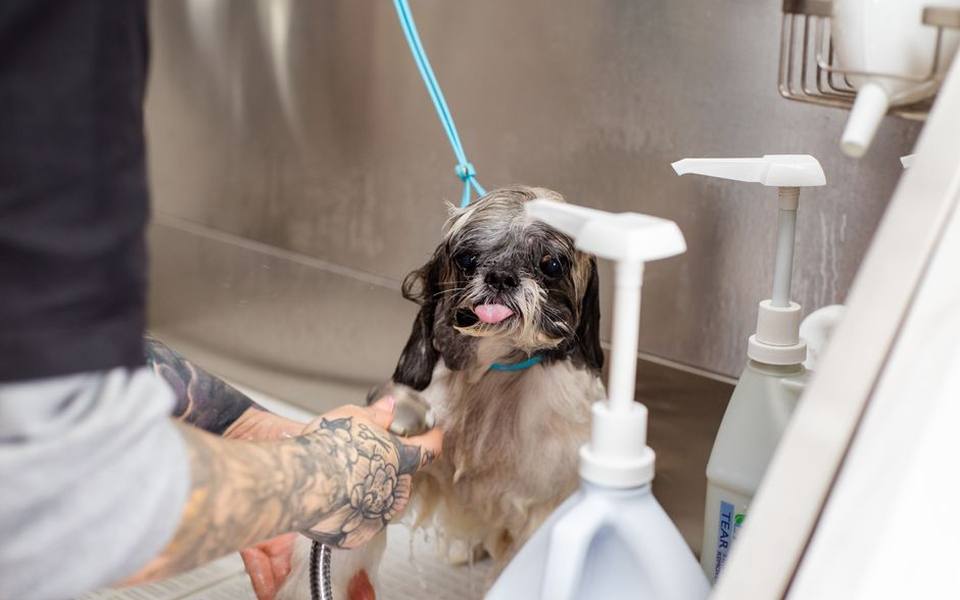
When handling dyes in public or commercial wash stations, taking steps to prevent facility damage is basic courtesy to the owners and other patrons. Always keep dye containers sealed when not in active use, and wash down the stainless steel tub walls immediately if any colored paste splashes against them. Most vegetable pigments rinse off wet commercial surfaces easily if caught right away, but can set into porous caulking if left to dry.
Across regional hubs like self-serve dog washes in California, facilities routinely provide heavy-duty blowers, elevated tubs, and restraint harnesses designed to keep dogs steady while you work. Utilizing these specialized amenities protects your back from strain and gives you access to commercial-grade electrical capacity for running dual-motor blasters safely. Leaving your station thoroughly wiped down and hair-free maintains a welcoming space for the entire pet-owning community.
Assessing Pet Temperament and Safety Boundaries
The most critical consideration in coat styling, blow drying, or creative dyeing is your dog's psychological comfort and behavioral threshold. Styling is purely an optional aesthetic choice, and it should never be pursued if the process causes distress, fear, or avoidance. A dog that happily tolerates nail trims and brushings might still feel overwhelmed by the acoustic roar of a high-velocity dryer or the stillness required for dye application.
Learn to recognize early indicators of canine stress, including lip licking, yawning, whites of the eyes showing, stiff posture, or low tail carriage. If your dog exhibits signs of discomfort, pause the session immediately, reduce the stimulation, and reward them for their patience. Breaking complex grooming projects into smaller twenty-minute sessions across two separate days is often the best strategy for young or excitable animals.
Always ensure any product you apply to your dog's body is entirely safe for incidental oral consumption during self-grooming. Dogs naturally inspect their fur with their mouths, so non-toxic certifications on pet colorants and leave-in conditioners are non-negotiable. Prioritizing your companion's physical safety and emotional well-being ensures that grooming remains a positive bonding ritual rather than an ordeal.
Published 2026-09-21 · reviewed with each rebuild, last September 2026.
Find self-serve dog washes near you
The directory lists 2,264 self-serve dog washes by state and city — pick your state or use the “Near me” button in the header.
More guides
-
 Money
MoneyUnderstanding the Costs of Grooming and Washing Your Dog
-
 Service
Canine Scent Gland Care: Symptoms, DIY Steps, and Professional Costs
-
 Money
MoneyDog Grooming Cost Breakdown: Salons, Mobile Vans, and Retail Chains
-
 Service
Dog Anal Gland Expression: How It Works, When It Is Needed, and Typical Costs
-
 Owning
Essential Dog Grooming Tools: Choosing Clippers, Shears, and Maintaining Blades
-
 Money
MoneyDog Teeth Cleaning Costs: Vet Anesthesia vs. Non-Anesthetic Options
-
 Service
How to Choose the Best Local Dog Groomer: What to Look For
-
 Service
Self-Service Dog Wash Guide: Locations, Pricing, and How It Works
-
 Owning
Complete Dog Anal Gland Care: How to Express, Symptoms, and Safe Techniques
-
 Service
Professional Dog Grooming and Self-Wash Stations: Comparing Costs, Services, and Formats
-
 Owning
Dog Nail Trimming and Grinding Guide: Clippers, Rotary Tools, and Safe At-Home Care
-
 Service
Popular Dog Haircut Styles: Breed Cuts, Teddy Bear Trims, and Styling Rules
-
 Owning
Managing Dog Itchy Skin and Fleas: Medicated Baths, Shampoos, and Remedies
-
 Service
Complete Cat Grooming Guide: Bathing, Haircuts, Nail Trimming, and Mobile Care
-
 Owning
Dog Ear Cleaning and Flushing Solutions: Preventing Wax Build-Up and Infections
-
 Owning
Dog Anal Gland Care: Expression, Swollen Glands, and Hygiene Solutions
-
 Owning
Essential Grooming Tools: Brushes, De-Matting, Odor Neutralizers, and Paw Care
-
 Owning
Canine Dental Hygiene Guide: Toothbrushes, Powders, and Tartar Control
-
 Owning
Complete Guide to Dog Training: Methods, Equipment, Classes, and Costs
-
 Owning
Ultimate Guide to Dog Haircut Styles by Breed: Puppy Cuts, Teddy Bear, and Lion Clips
-
 Owning
How to Treat Dog Itchy Skin and Allergies: Medications, Shampoos, and Home Remedies
-
 Safety
How to Trim Dog Nails Safely: Clippers vs Grinders and Techniques
-
 Service
Professional Dog Grooming Services: Costs, Salons, and At-Home Options
-
 Owning
Dog Dental Care Guide: Toothbrushes, Powders, and At-Home Cleaning
-
 Safety
Dog Ear Cleaning Solutions, Wax Buildup, and Infection Care Guide
-
 Owning
Choosing the Right Dog Shampoo for Dry Skin, Dandruff, Fleas, and Ticks
-
 Owning
Self-Serve Dog Wash Stations and Home Bathing Setup Guide
-
 Buying
Essential Professional Grooming Tools, Clippers, and Blade Care
-
 Owning
Dog Nail Trimming, Grinding, Polish, and Safe Hair Dye: A Practical Guide
-
 Service
Dog Haircuts and Breed Styling Guide: Popular Cuts, Trims, and Coat Care
-
 Service
Cat Grooming and Styling: Lion Cuts, Bathing, and Coat Care
-
 Owning
Dog Ear Care and Skunk Odor Removal: Cleaning, Wax, and Emergency Deodorizing
-
 Safety
Dog Flea Baths and Medicated Shampoos: OTC and Prescription Remedies
-
 Owning
Complete Guide to Raw Dog Food Nutrition and Diets
-
 Owning
Dog Birthday Cakes, Safe Treats, and Celebration Guide
-
 Service
Hiring a Dog Walker: Services, Rates, and Agency Options
-
 Service
Dog Breed Haircuts, Styling, and Coat Maintenance Guide