Finding the Right Professional Pet Groomer Nearby
Locating a reliable groomer close to home involves evaluating facility cleanliness, staff certifications, and handling philosophies. While most pet parents begin their search by looking for the closest salon on digital maps, proximity should rarely be the sole deciding factor. A shop situated right around the corner may offer unmatched convenience, but the skill required to handle specific coat types or temperaments varies significantly across individual operators.
When assessing local candidates, plan an unannounced visit before booking an actual bath or haircut. Clean facilities typically maintain visible sanitation protocols, provide secure containment crates, and present a calm atmosphere without excessive barking or chemical odors. Observe how the staff interacts with dogs currently in their care. Patient handling, steady physical support on grooming tables, and low-stress desensitization cues indicate a team prioritizing welfare over rapid turnaround times.
Check community recommendations and local pet ownership groups to gauge consistency over time. While online reviews offer general impressions, recurring comments regarding uneven cuts, skin irritation, or sudden personality changes after visits warrant caution. Transparent groomers gladly answer inquiries about their sanitization methods, drying procedures, and emergency veterinary protocols before accepting your animal.
National Retail Salon Chains Versus Independent Boutiques
Choosing between large national retail pet centers and private neighborhood salons often comes down to personal service versus corporate consistency. Major commercial pet store chains, including nationwide brands that operate dedicated pet salons, feature standardized safety checklists, mandatory corporate training hours, and corporate liability coverage. Their booking portals make scheduling convenient, and their centralized systems keep digital records of rabies vaccination validity across visits.
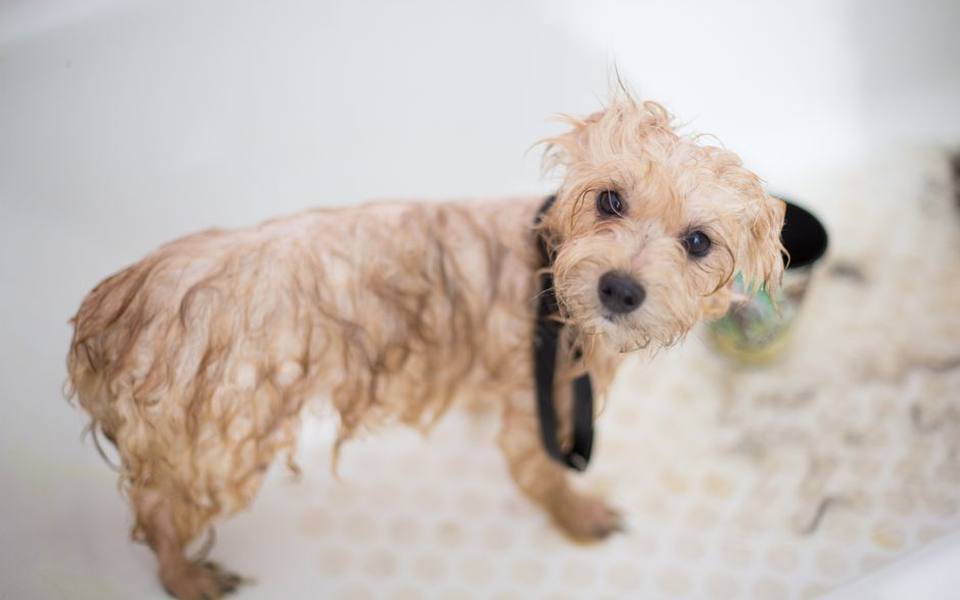
Independent boutique parlors, often operating under friendly neighborhood names like Lucky Dog or Posh Paws, provide a distinctly customized experience. In these settings, your dog routinely works with the exact same stylist each appointment, fostering familiarity and trust that eases anxiety. Private studio owners often tailor their equipment, ambient music, and timing specifically to the pets on their roster rather than working toward corporate volume quotas.
Pricing models between these two categories can also diverge depending on your location. Corporate chains generally enforce flat rate sheets based strictly on standard breed charts and weight thresholds. Boutique shops may charge slightly higher baseline rates, but their estimates frequently encompass gentle specialty shampoos, hand scissoring, and individual dry times that big-box operations might bill as supplementary add-ons.
Specialized Coat Care for Poodles and Curly Breeds
Poodles, Doodles, and other curly-coated breeds demand rigorous mechanical skills that differ drastically from short-haired hygiene routines. Because their hair continuously grows without regular natural shedding, loose strands become trapped in the tight curls, generating dense mats if not brushed daily. A skilled stylist understands how to safely work clippers beneath these tangles without pulling delicate skin or causing friction razor burn.
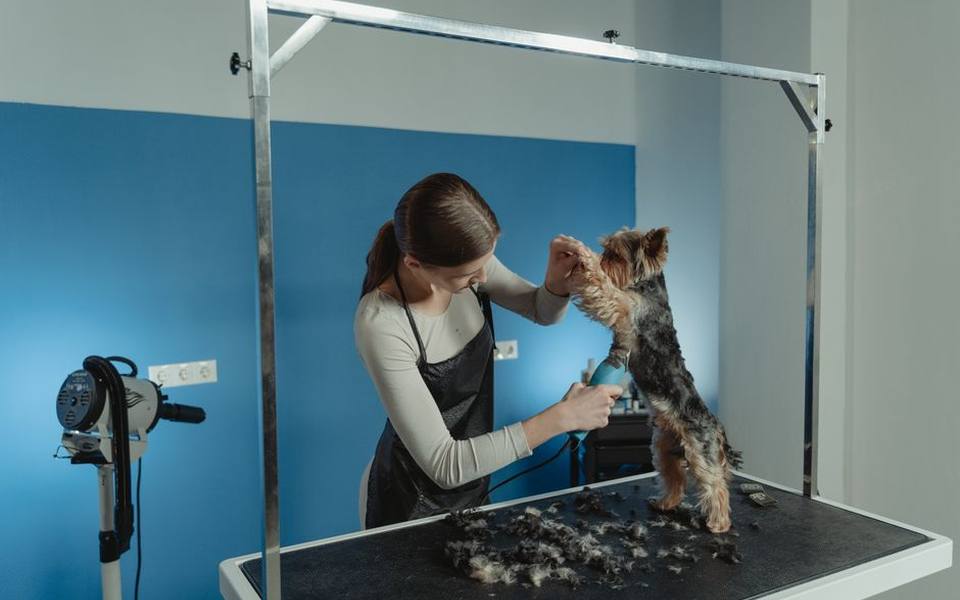
Scissor work is where technical training becomes obvious. Shaping topknots, clean bevels on paws, and balanced teddy bear faces requires steady hands, specialized curved shears, and proper ergonomic tables. Asking a prospective stylist for a portfolio of their curly breed work provides immediate insight into their symmetry and technical finish, preventing awkward or jagged lines on your dog's muzzle and legs.
Routine appointments for non-shedding breeds typically occur on a strict four to six week cadence. Letting curly coats go unmanaged for two or three months often results in painful pelted matting that cannot be humanely brushed out. In severe circumstances, the only safe recourse is shaving down to the skin, which temporarily alters the coat texture and leaves the animal vulnerable to temperature shifts.
Double-Coated Breeds and Pomeranian Styling Protocols
Thick double coats found on breeds such as Pomeranians, Huskies, and Shepherds require a preservation mindset rather than aggressive trimming. The dense, insulating undercoat regulates thermal balance during hot and cold seasons alike, while the outer guard hairs repel moisture, dirt, and solar radiation. Shaving a double coat disrupts this natural ecosystem and can cause post-clipping alopecia, where hair regrows patchy, coarse, or not at all.
A qualified double-coat stylist focuses heavily on multi-stage bathing and high-velocity deshedding blowouts. Specialized nozzles lift dead undercoat out from the skin without stripping the vital topcoat. Once thoroughly blown out, light scissor work around the rear feathers, hocks, and sanitary regions keeps the silhouette tidy without compromising the functional structure of the coat.
Pet parents should be cautious if a salon suggests shaving a double-coated pet as a remedy for warm summer weather. True thermal comfort for these animals comes from removing packed underfur so air circulates directly across the skin, not from exposing the bare dermis to heat, biting insects, and direct sunlight.
The Mechanics and Value of Mobile Grooming Services
Mobile pet grooming services operate out of self-contained vans equipped with customized water reservoirs, generators, water heaters, and hydraulic work tables. For dogs that panic during car rides or become overstimulated in noisy commercial lobbies, having the professional park directly in your driveway offers an immense reduction in sensory stress. There are no unfamiliar barking dogs, no prolonged holding crates, and no waiting hours for pickup.
Because mobile groomers focus entirely on one pet at a time from start to finish, the entire process generally wraps up within sixty to ninety minutes. This focused workflow eliminates the downtime typical of storefront salons where animals rotate between bathing stations, drying enclosures, and cutting tables. Owners working from home also benefit from the effortless handover right at their front door.
The premium for this personalized doorstep service typically reflects higher baseline pricing, often twenty to fifty percent above stationary storefronts. Mobile professionals absorb vehicle maintenance, fuel costs, generator upkeep, and travel windows between appointments. For geriatric pets, rescue animals with severe separation panic, or busy households, many families consider the logistical ease well worth the higher price point.
What to Expect from a Full Salon Experience
A comprehensive full-service appointment at a modern pet wash salon includes substantially more than just lathering up with soap and applying clippers. The intake process typically begins with an evaluation of the skin, checking for hot spots, flea dirt, ear redness, and structural lumps. This initial baseline check guarantees that appropriate hypoallergenic, clarifying, or medicated products are selected for the bathing phase.
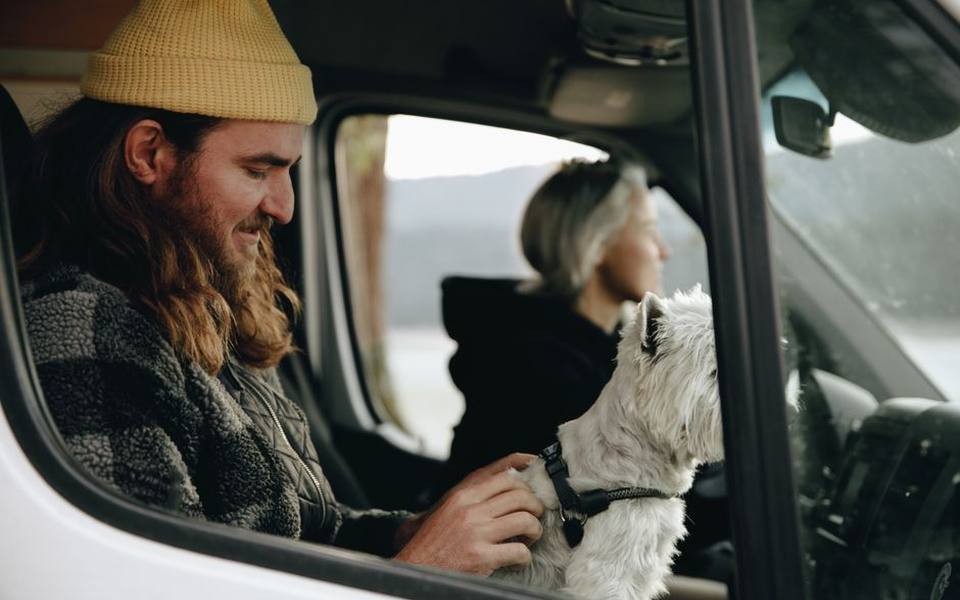
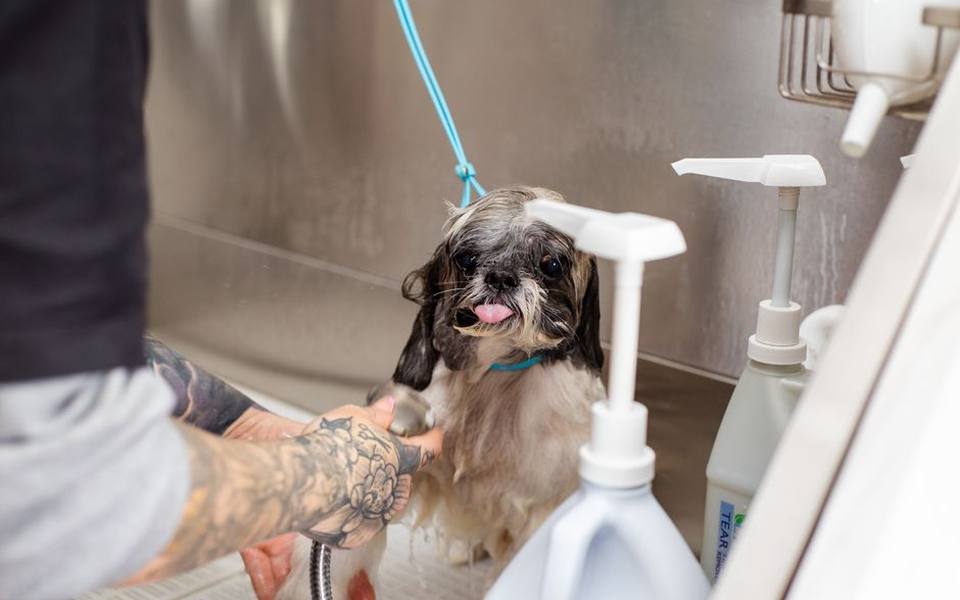
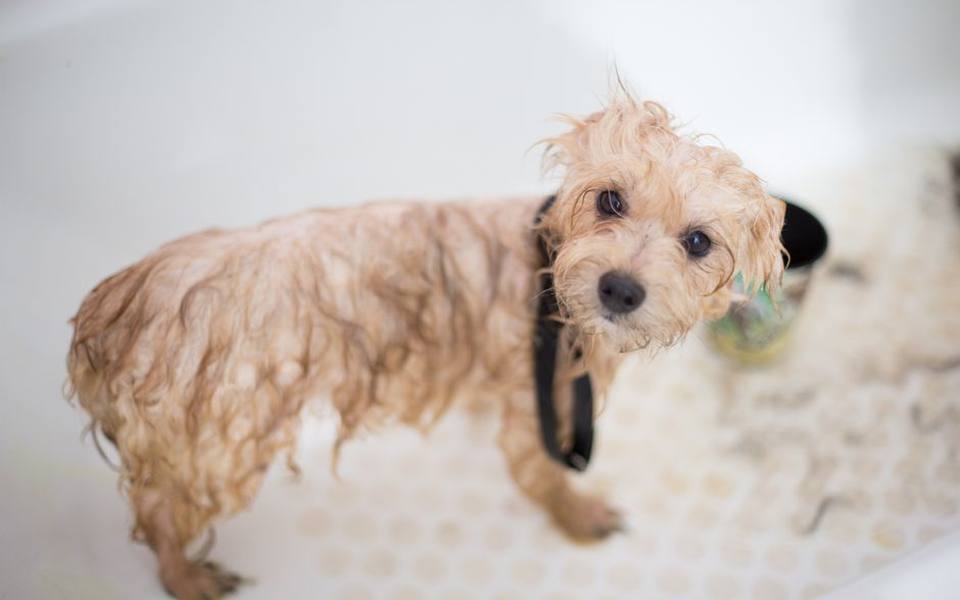
During the wash, professionals use pressurized mixing valves to flush water and conditioning formulas through the coat down to the follicle level. Ear canals are cleared of surface debris, and facial areas are gently hand-cleansed with tearless cleansers. Depending on owner preference and pet tolerance, technicians may perform gentle external anal gland expression if specifically requested and deemed clinically safe.
Drying remains one of the most critical stages of the entire visit. Stylists use high-velocity air tools to separate hairs and remove remaining moisture, constantly monitoring the temperature to keep pets safe and cool. Once dried, precision scissor shaping, hygiene zone clipping, and full brush-outs complete the appointment, leaving the animal clean, properly aligned, and comfortable.
Supporting Nervous and Fearful Dogs During Appointments
High-volume grooming environments present an overwhelming sensory landscape of whirring clippers, loud blow dryers, echoes, and strange scents. Dogs with skittish temperaments or traumatic histories can experience heightened stress responses when placed on elevated tables or confined near blowers. Compassionate groomers counter this tension by utilizing low-stress handling methods, providing rubber traction mats, and offering positive food reinforcement throughout the session.
Communication between owner and stylist plays a pivotal role in keeping fearful pets safe. Inform the staff ahead of time if your companion reacts defensively to paw handling, ear touching, or proximity to other animals. Experienced professionals will schedule anxious pets during quieter morning time slots or divide extensive grooming regimens into shorter, manageable phases across multiple visits.
In situations involving extreme panic or aggressive defense mechanisms, mechanical restraints or forceful coercion should never be permitted. Working alongside a veterinarian to implement mild situational calming supplements or scheduling brief desensitization visits—where the dog simply receives treats inside the facility without any grooming—helps rebuild positive emotional associations gradually.
Between-Visit Hygiene and Routine Maintenance
Relying entirely on a professional visit every six weeks can leave your dog vulnerable to overgrown claws, ear infections, and painful paw pad matting. Maintaining basic hygiene at home keeps the dog comfortable and significantly reduces overall salon billings by avoiding mat-removal surcharges. Daily combing through friction zones—such as behind the ears, armpits, and under collar bands—prevents painful tangles from developing.
Paw care should never be neglected between salon appointments. Overgrown claws alter canine posture, contributing to tendon strain and slipping on interior smooth floors. Regular maintenance using dedicated dog nail trimming & grinding equipment keeps quicks short and manageable, preventing splits, accidental tears, and painful ingrown claws in dewclaws.
Pet owners who feel nervous operating motorized grinders or manual clippers can often book brief walk-in appointments strictly for claw work between standard styling sessions. Utilizing local salons that keep nail clipping offered as a quick standalone service allows pet parents to maintain proper foot mechanics without committing to an exhaustive full-body wash package every single month.
When to Choose Self-Serve Stations Over a Full Groom
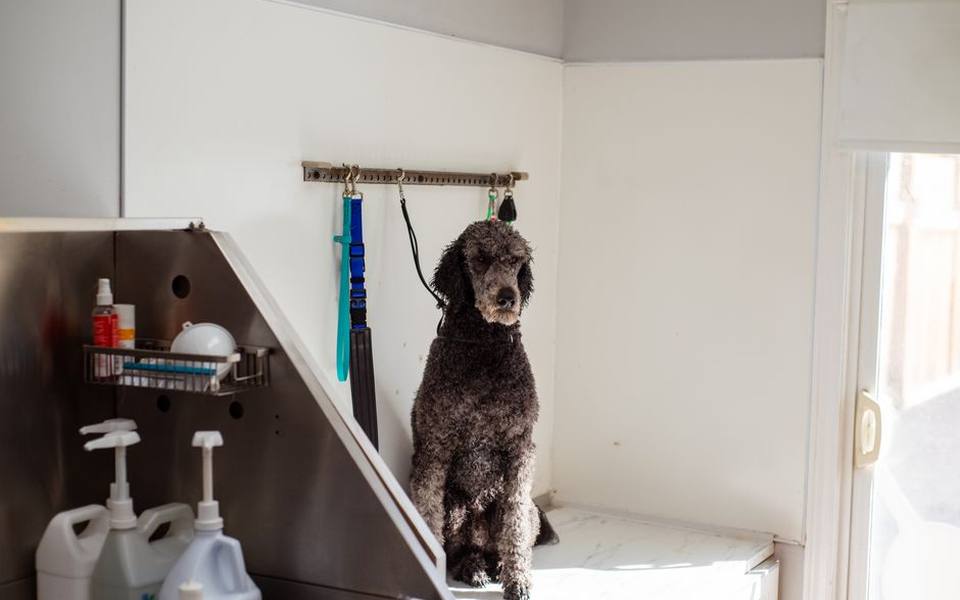
Full-service styling is indispensable for intricate haircut breeds, but simple deep-cleaning and deshedding can often be accomplished efficiently by owners themselves. Opting for specialized self-serve stations provides access to professional-grade waist-height stainless steel tubs, temperature-controlled water lines, and commercial high-velocity dryers without the messy post-bath cleanup in a home bathroom.
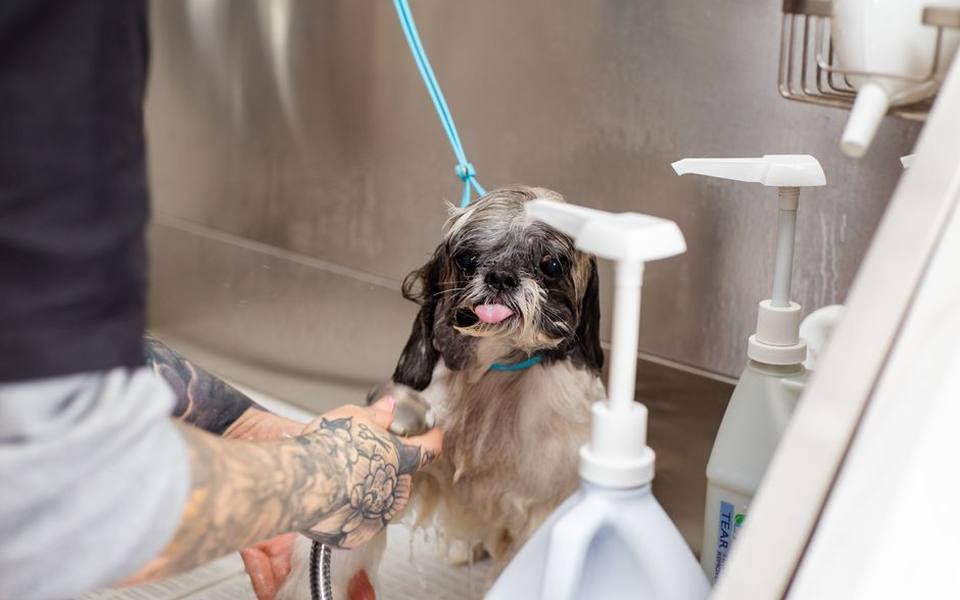
Using dedicated self-service dog wash stations offers a practical financial balance for active, outdoor-loving canines that frequently collect mud, lake algae, or trail dust. Rather than paying full-service styling rates several times a month, pet parents can tackle basic washing themselves while reserving commercial groomers for quarterly breed trims, sanitary edging, and comprehensive styling.
Facilities that support self-serve bays often feature convenient operational terms, including spots where walk-ins welcome policies mean you can immediately clean a dirty dog after a muddy park hike without waiting for an appointment window. With 1434 in top states tracked across our directory, pet parents can easily pinpoint an accessible wash station equipped with proper ramps and restraints.
Understanding Pricing Structures, Add-Ons, and Tipping
Professional pet care pricing reflects multiple variables: canine weight, coat density, behavioral temperament, and the specific equipment required. A basic bath-and-brush appointment for a short-coated breed typically costs substantially less than a precision scissor cut for an eighty-pound crossbreed with heavy furnishings. Furthermore, urban centers and high-overhead metro regions typically trend toward higher baseline rates across all service types.
Be prepared for potential incidental surcharges that reflect extra labor. If a pet arrives with severe matting, technicians must spend prolonged time gently untangling hair or carefully clipping beneath dense mats using specialized blades, which incurs de-matting fees. Handling surcharges may also apply if a pet requires two attendants to safely manage anxious kicking or table resistance throughout the session.
Tipping protocols across the United States generally align with standard personal care hospitality services. Pet parents commonly offer gratuities between fifteen and twenty percent of the overall ticket price for dedicated, gentle service. Tipping in cash is universally appreciated by floor technicians, recognizing the demanding physical labor, patience, and safety vigilance required to keep companion animals clean and healthy.
Published 2026-09-21 · reviewed with each rebuild, last September 2026.
Find self-serve dog washes near you
The directory lists 2,264 self-serve dog washes by state and city — pick your state or use the “Near me” button in the header.
More guides
-
 Money
MoneyUnderstanding the Costs of Grooming and Washing Your Dog
-
 Service
Canine Scent Gland Care: Symptoms, DIY Steps, and Professional Costs
-
 Money
MoneyDog Grooming Cost Breakdown: Salons, Mobile Vans, and Retail Chains
-
 Service
Dog Anal Gland Expression: How It Works, When It Is Needed, and Typical Costs
-
 Owning
Essential Dog Grooming Tools: Choosing Clippers, Shears, and Maintaining Blades
-
 Money
MoneyDog Teeth Cleaning Costs: Vet Anesthesia vs. Non-Anesthetic Options
-
 Service
How to Choose the Best Local Dog Groomer: What to Look For
-
 Service
Self-Service Dog Wash Guide: Locations, Pricing, and How It Works
-
 Owning
Complete Dog Anal Gland Care: How to Express, Symptoms, and Safe Techniques
-
 Service
Professional Dog Grooming and Self-Wash Stations: Comparing Costs, Services, and Formats
-
 Owning
Dog Nail Trimming and Grinding Guide: Clippers, Rotary Tools, and Safe At-Home Care
-
 Service
Popular Dog Haircut Styles: Breed Cuts, Teddy Bear Trims, and Styling Rules
-
 Owning
Managing Dog Itchy Skin and Fleas: Medicated Baths, Shampoos, and Remedies
-
 Service
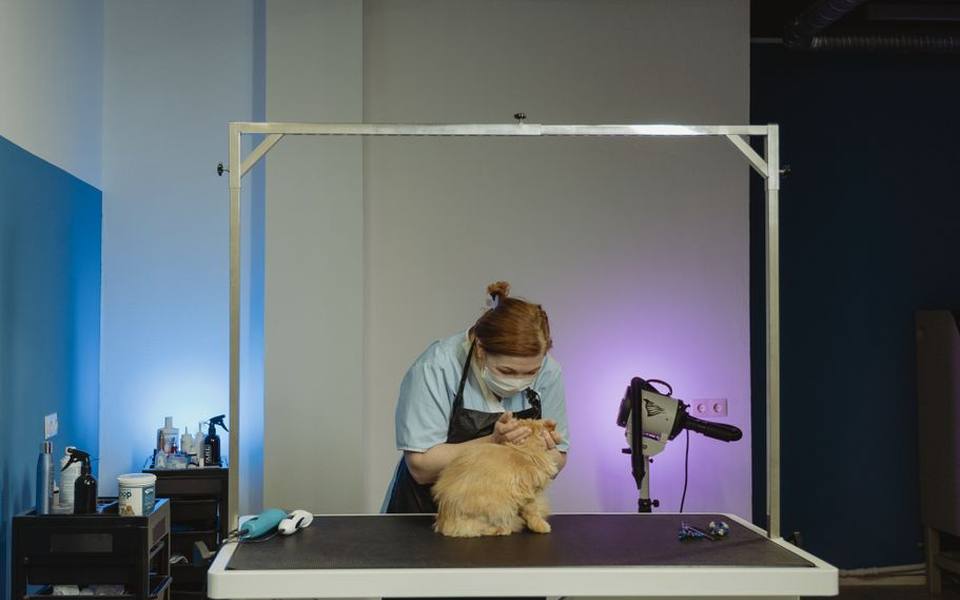
Complete Cat Grooming Guide: Bathing, Haircuts, Nail Trimming, and Mobile Care
-
 Owning
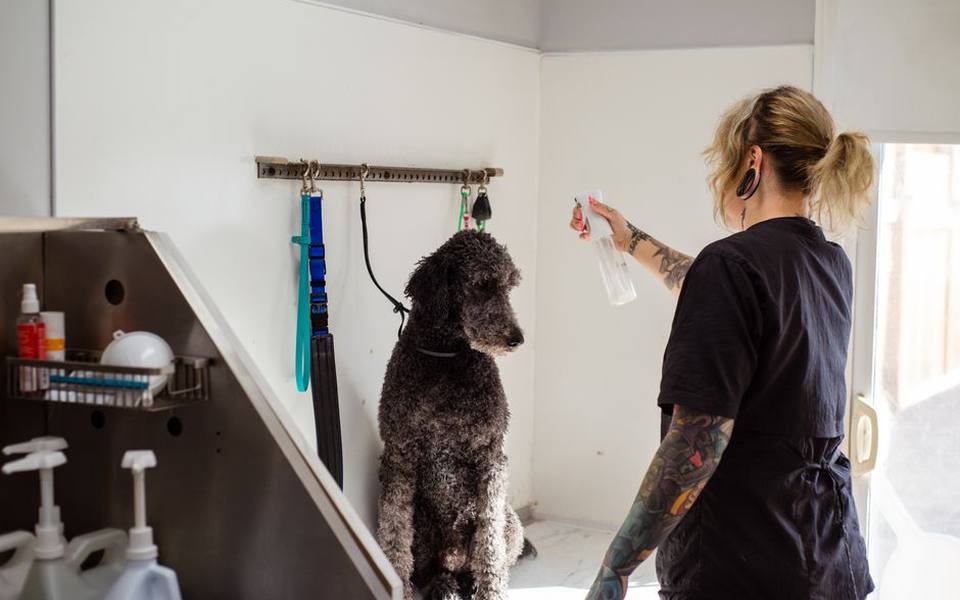
Dog Ear Cleaning and Flushing Solutions: Preventing Wax Build-Up and Infections
-
 Owning
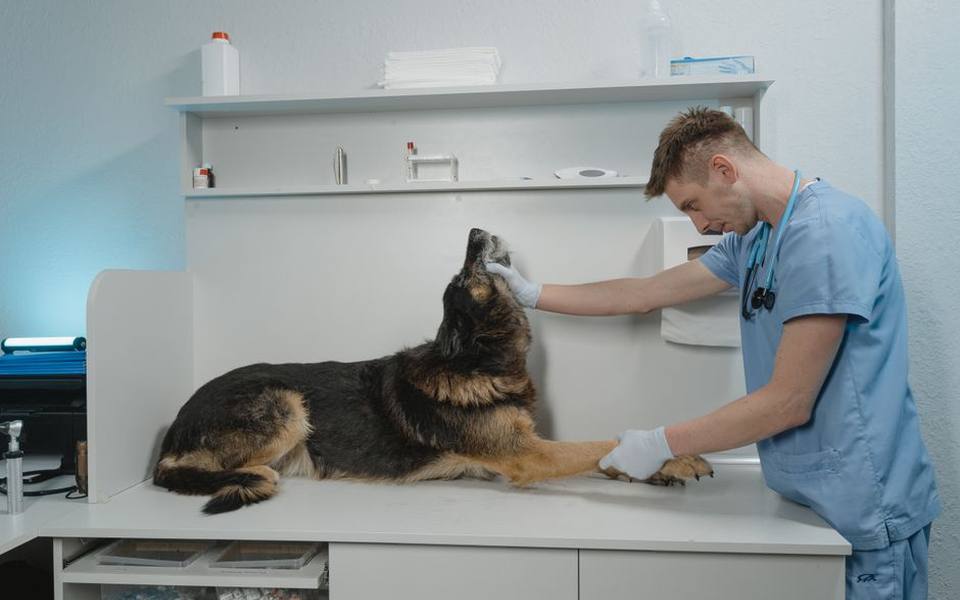
Dog Anal Gland Care: Expression, Swollen Glands, and Hygiene Solutions
-
 Owning
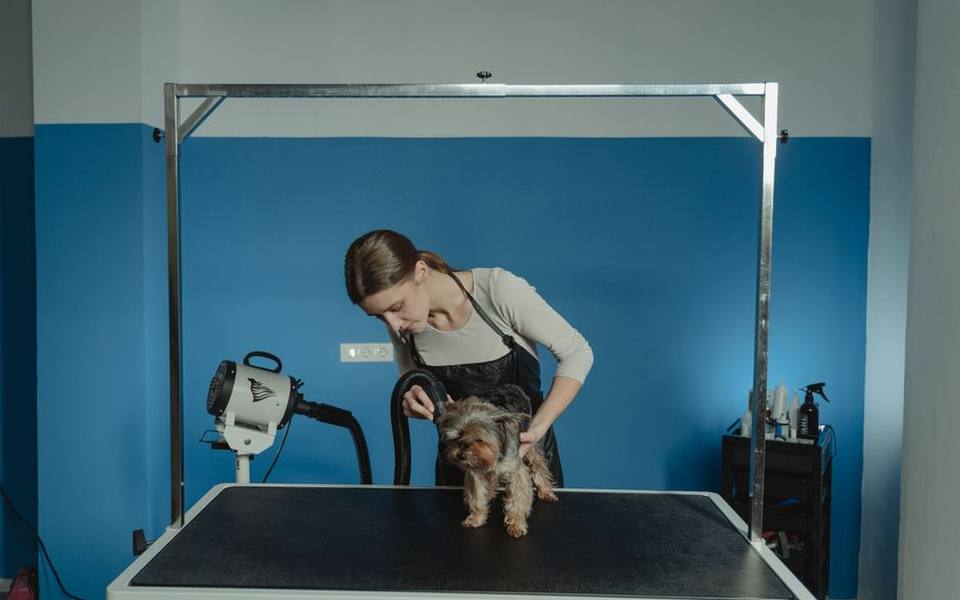
Dog Blow Drying, Coat Coloring, and Waterless Grooming Essentials
-
 Owning
Essential Grooming Tools: Brushes, De-Matting, Odor Neutralizers, and Paw Care
-
 Owning
Canine Dental Hygiene Guide: Toothbrushes, Powders, and Tartar Control
-
 Owning
Complete Guide to Dog Training: Methods, Equipment, Classes, and Costs
-
 Owning
Ultimate Guide to Dog Haircut Styles by Breed: Puppy Cuts, Teddy Bear, and Lion Clips
-
 Owning
How to Treat Dog Itchy Skin and Allergies: Medications, Shampoos, and Home Remedies
-
 Safety
How to Trim Dog Nails Safely: Clippers vs Grinders and Techniques
-
 Owning
Dog Dental Care Guide: Toothbrushes, Powders, and At-Home Cleaning
-
 Safety
Dog Ear Cleaning Solutions, Wax Buildup, and Infection Care Guide
-
 Owning
Choosing the Right Dog Shampoo for Dry Skin, Dandruff, Fleas, and Ticks
-
 Owning
Self-Serve Dog Wash Stations and Home Bathing Setup Guide
-
 Buying
Essential Professional Grooming Tools, Clippers, and Blade Care
-
 Owning
Dog Nail Trimming, Grinding, Polish, and Safe Hair Dye: A Practical Guide
-
 Service
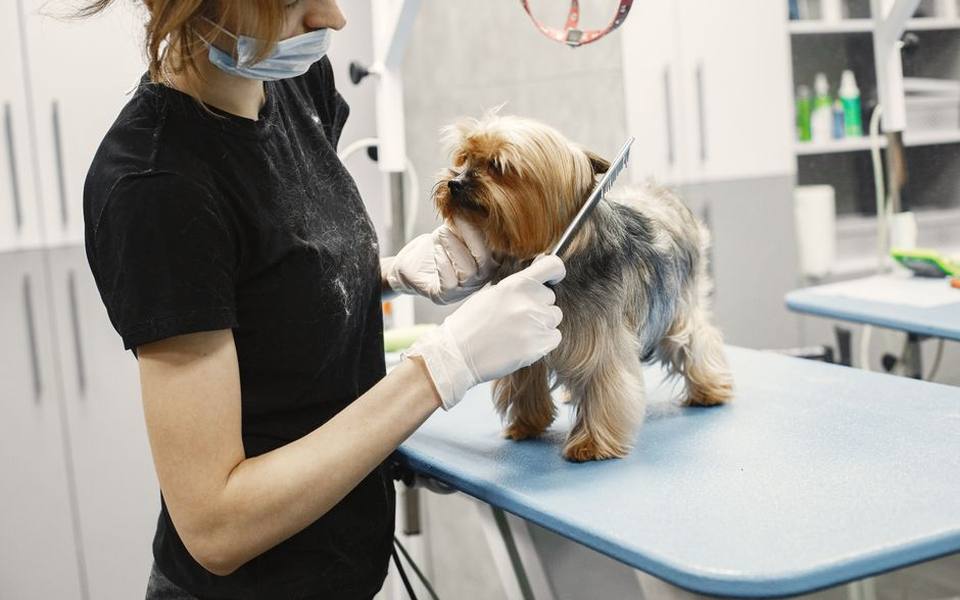
Dog Haircuts and Breed Styling Guide: Popular Cuts, Trims, and Coat Care
-
 Service
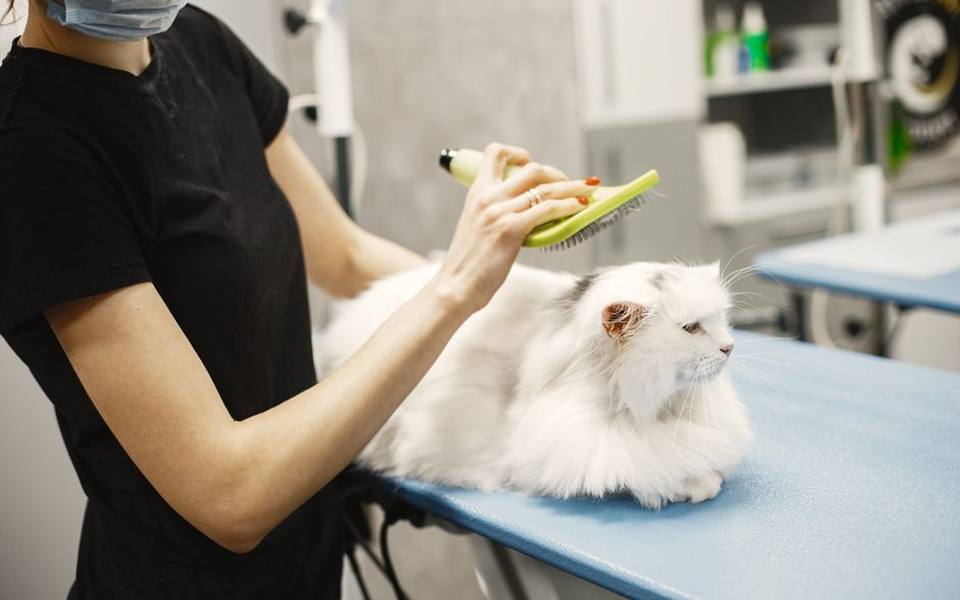
Cat Grooming and Styling: Lion Cuts, Bathing, and Coat Care
-
 Owning
Dog Ear Care and Skunk Odor Removal: Cleaning, Wax, and Emergency Deodorizing
-
 Safety
Dog Flea Baths and Medicated Shampoos: OTC and Prescription Remedies
-
 Owning
Complete Guide to Raw Dog Food Nutrition and Diets
-
 Owning
Dog Birthday Cakes, Safe Treats, and Celebration Guide
-
 Service
Hiring a Dog Walker: Services, Rates, and Agency Options
-
 Service
Dog Breed Haircuts, Styling, and Coat Maintenance Guide