The Core Markers of a Top-Tier Grooming Professional
Finding the right person to handle your dog requires looking far beyond five-star internet ratings. A skilled groomer combines technical mastery with an innate understanding of canine body language, gentle handling techniques, and species-specific safety protocols. Because professional pet grooming remains largely unregulated across most US jurisdictions, formal certifications from recognized trade bodies or years of verified apprenticeship serve as essential baselines for safe practice.
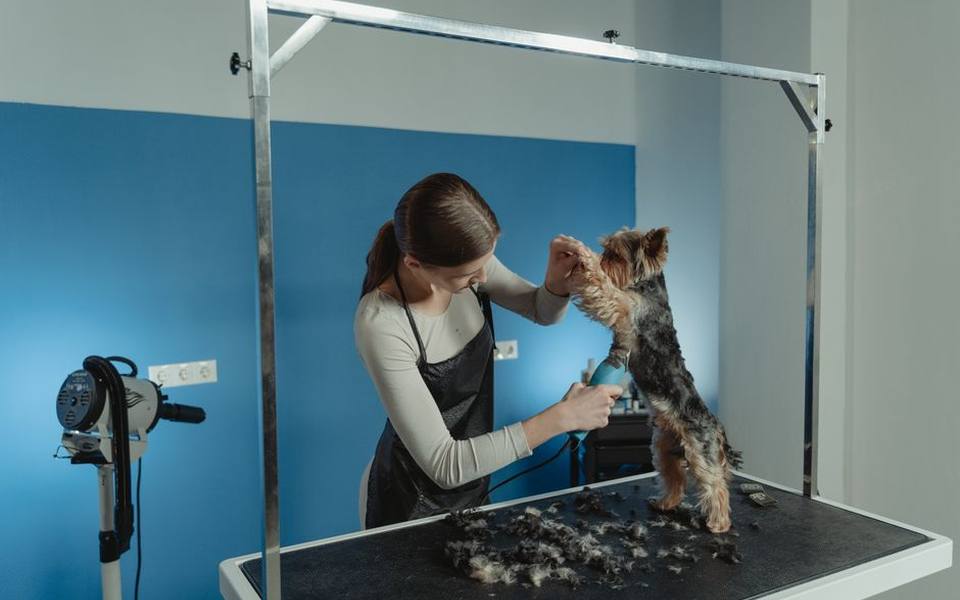
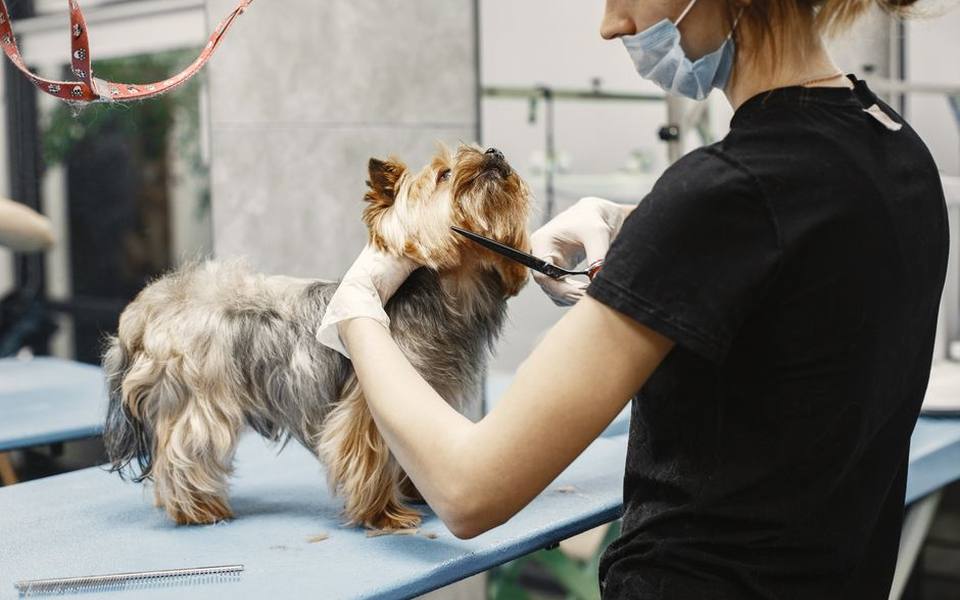
When evaluating a potential facility, pay close attention to how the staff interacts with incoming pets. Staff members should greet dogs calmly at eye level, review coat condition before making promises, and listen carefully to your pet's health history. High-quality salons prioritize physical safety and low-stress handling over pure volume, meaning they will not rush a fearful or reactive animal through a harsh assembly-line process just to meet daily quotas.
Clear communication around timelines and realistic results is another defining attribute of quality care. An experienced groomer will candidly explain whether your dog's matted fur can safely be brushed out or if a close shave is the only humane path forward. They will provide honest estimates regarding session length, outline their contingency plans for stressed animals, and explain every step of the bathing and styling routine beforehand.
Physical Facility Checks: Airflow, Sanitation, and Holding Areas
Before booking your first full service, request a walkthrough of the salon reception and housing areas. A well-managed facility maintains clean, non-slip flooring, robust ambient temperature regulation, and dedicated ventilation systems designed to exhaust moisture and hair dander. Lingering odors of damp fur, stale urine, or harsh industrial chemicals usually point toward inadequate ventilation and poor midday cleaning regimens.
Examine how dogs are housed while waiting for their turn on the styling table or awaiting owner pickup. Holding crates must be sized appropriately so the dog can stand, turn around, and lie down comfortably, with secure latches and sanitary solid or coated wire grates. High-grade facilities avoid stackable wire crates that allow liquid waste to seep downward, and they maintain clear distance between unfamiliar dogs to eliminate territorial barking.
Take note of drying methods, as thermal safety represents one of the most critical aspects of grooming operations. Top facilities rely on hand-held high-velocity blowers operated by attentive staff rather than unattended heated cage dryers. Unmonitored heating elements inside enclosed crates present severe hyperthermia risks, especially for senior pets or short-snouted brachycephalic breeds prone to sudden respiratory distress.
Professional Groomers Versus Self-Serve Tubs
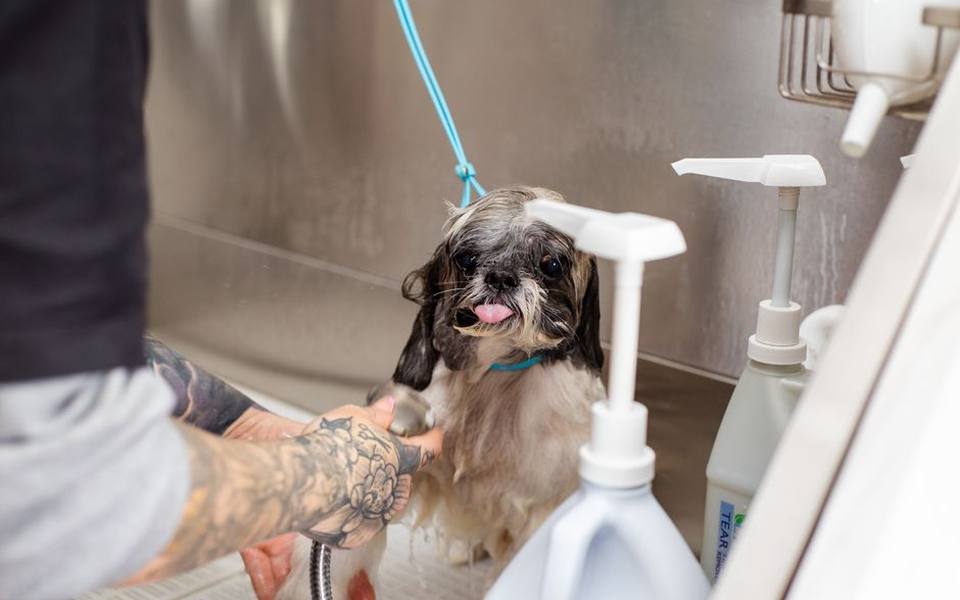
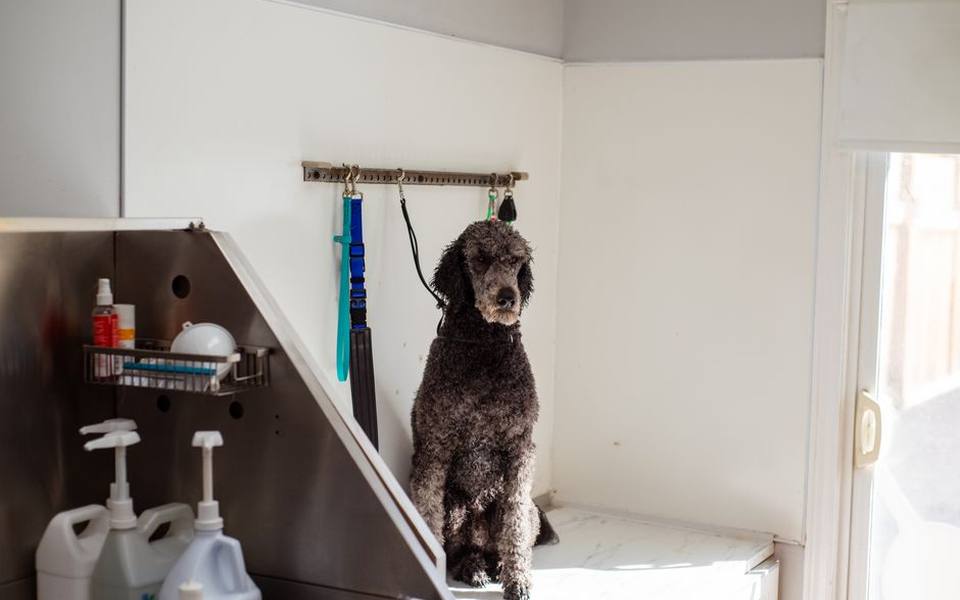
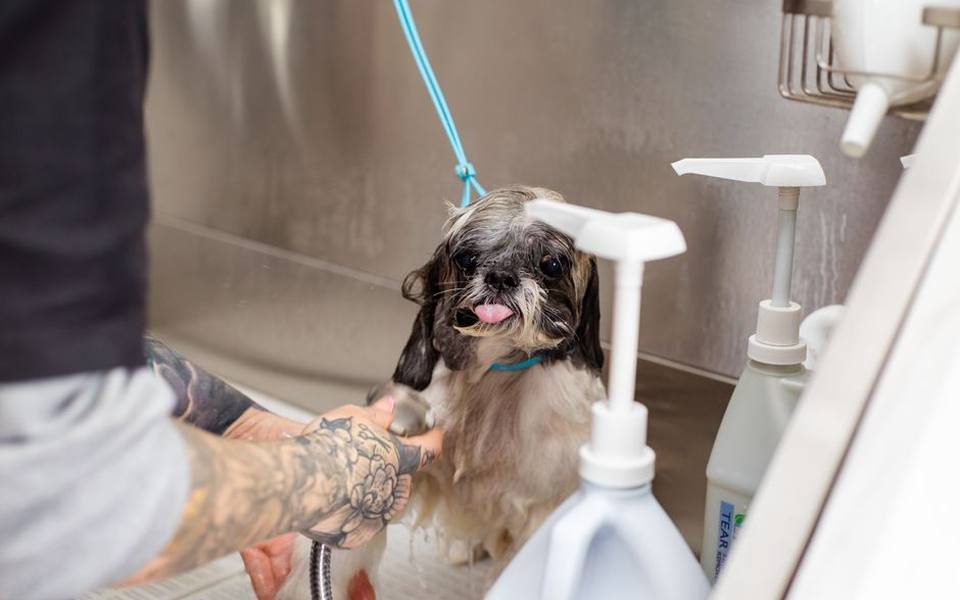
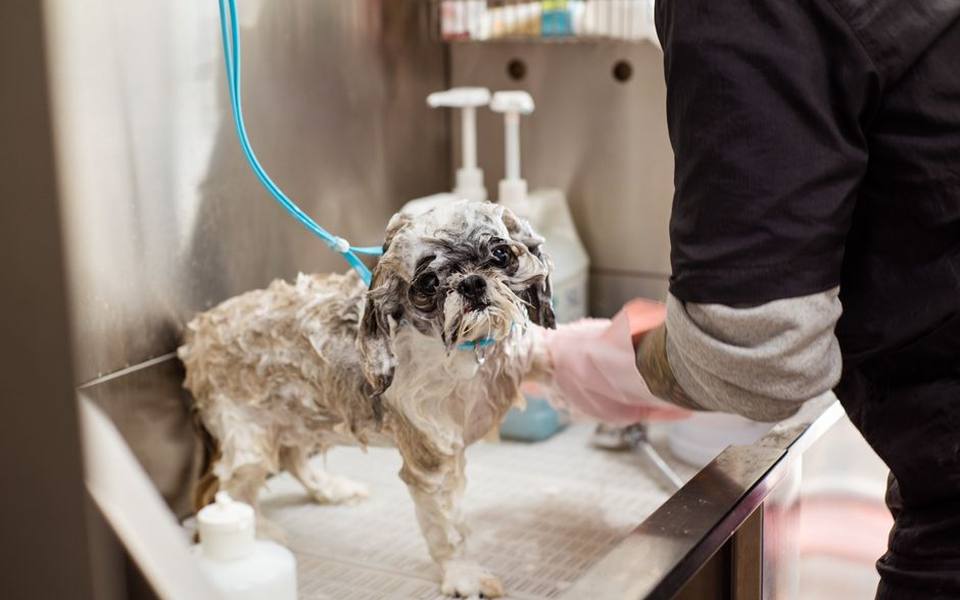
Every pet owner faces moments when a full four-hour salon stay is unnecessary for a dog that simply rolled in garden mud. In these scenarios, utilizing dedicated Self-Serve Dog Wash Stations provides a sensible middle ground between home bathtub chaos and commercial grooming fees. DIY stations supply professional-grade stainless steel tubs, temperature-controlled water mixers, and commercial blow dryers without subjecting anxious pets to salon noises.
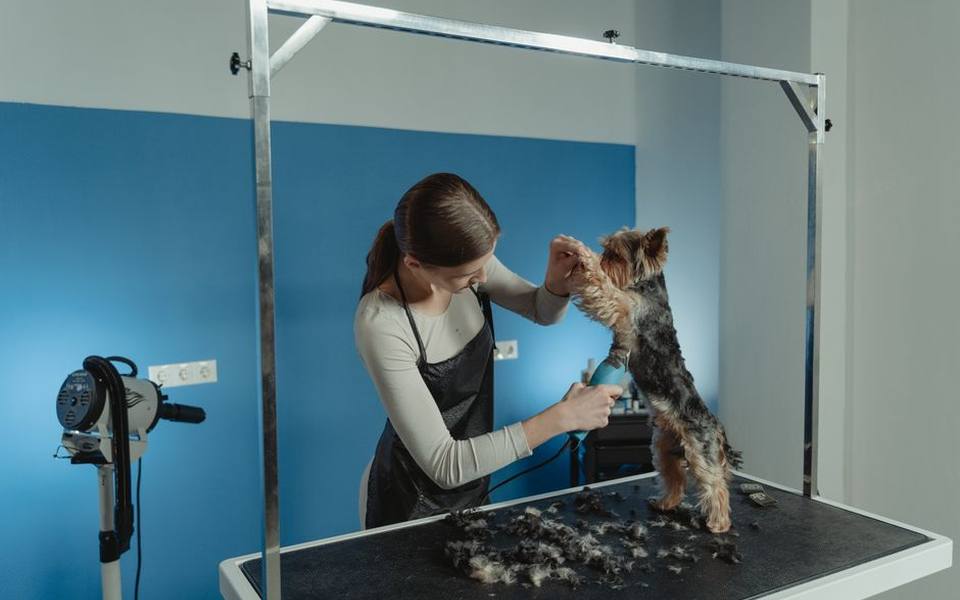
Full-service salons excel when your pet requires precision breed cuts, scissor work, deshedding carding techniques, or thorough hygiene trims around sensitive paw pads and sanitary areas. Doing intricate sanitary clipping at home without professional training can easily result in painful skin lacerations. If your dog has an unmanageable double coat or a heavy curly coat requiring continuous scissor blending, paying for professional craftsmanship remains well worth the investment.
Many dog owners establish a hybrid routine that balances both approaches throughout the year. Routine mud rinsing and mid-month skin refreshes can happen in self-serve facilities, while quarterly visits to a master stylist keep the coat structured and properly thinned. This hybrid model saves money, minimizes travel stress for your pet, and keeps the coat completely free of deep matting between intensive seasonal visits.
Pricing Realities: Independent Salons Versus National Retail Chains
Grooming costs vary widely across the country, influenced by your dog's breed, overall weight, coat length, and temperament. Large retail chains, such as big-box pet supply franchises, operate on standardized corporate price sheets where a standard bath package typically falls into preset weight tiers, with specialized scissoring or breed styling costing extra. Independent boutique salons often price on an hourly basis or quote variable rates based strictly on coat condition.
When reviewing retail chain rates alongside local private operators, ask exactly what is included in the base quote. Some neighborhood shops bundle nail grinding, ear cleaning, and blueberry facial treatments into a single flat rate, whereas retail stores frequently treat those exact elements as separate add-on charges. A base wash that appears affordable at first glance can climb substantially once flea baths, dematting fees, and specialty skin soaks are itemized.
Heavily matted coats always incur additional fees regardless of which venue you choose, as removing compacted hair dulls expensive clipper blades and requires exceptional patience. If an animal requires two staff members for secure, fear-free handling during nail trims or drying, expect a behavioral handling fee. Budgeting for these realities ensures you are never surprised by the total on the final invoice.
Handling Specialized Hygiene: Anal Glands and Ear Flushes
Routine grooming appointments frequently raise questions regarding hygiene extras, particularly anal gland expression. Grooming salons typically perform external expression, using light finger pressure outside the sphincter to discharge accumulated fluid during the bath. While this external procedure helps some dogs that struggle with minor fullness, veterinary professionals caution that internal expression by a licensed medical technician is safer for dogs prone to impaction or chronic inflammation.
If your dog frequently scoots across the carpet, licks the hindquarters obsessively, or produces a pungent metallic odor, schedule an examination at an animal hospital rather than requesting deep gland work at the grooming counter. Improper external squeezing can rupture delicate tissues or worsen an undiagnosed infection. Professional groomers should willingly tell you when an anal gland issue exceeds their aesthetic scope and warrants clinical evaluation.
Ear hygiene demands equal care and restraint. Routine salon ear care involves wiping the outer pinna with an alcohol-free cleansing solution to lift dirt, wax, and bath splash. Plucking canal hair is an outdated standard that many modern groomers avoid unless explicitly directed by your attending veterinarian, as plucking creates micro-tears in the delicate canal skin that harbor opportunistic yeast and bacterial colonies.
Puppy Introductions: First Sessions, Handling, and Pricing Tiers
Acclimating a young puppy to professional grooming environments should begin early, ideally shortly after completion of core vaccination protocols. Initial puppy visits focus exclusively on sensory desensitization rather than complex breed styling. A constructive first appointment involves brief introductions to running water, the hum of electric clippers against the back of the neck, and the warm airflow of a low-velocity dryer.
Most salons price introductory puppy packages substantially lower than adult styling sessions, reflecting both the small physical size of the pet and the brief duration of the visit. These starter appointments typically encompass a gentle, tearless bath, thorough brush-out, mild sanitary cleanup, and gentle paw pad trimming. Keeping these appointments under an hour prevents the puppy from becoming overwhelmed, fearful, or physically exhausted.
Rushing a four-month-old dog into a full three-hour haircut often leads to lifelong salon phobias and comb-shyness. Prioritize establishments that offer incremental exposure sessions, welcoming your pup for quick treat-based check-ins where staff handle paws and ears without performing any stressful procedures. Establishing trust early guarantees relaxed appointments once the adult coat comes in.
Urban Salon Logics in Metropolitan Hubs Like New York City
Navigating pet hygiene in high-density urban environments presents distinctive logistical hurdles for dog owners. In major metropolitan corridors, premium grooming spaces work within vertical square footage limitations, meaning holding facilities are tightly monitored and booking schedules fill weeks in advance. Pet parents living in apartments rely heavily on salon staff to manage coat tracking, street grime, and winter sidewalk salt residue.
Owners across the region regularly navigate compact neighborhood storefronts or look up dedicated facilities throughout Self-Serve Dog Washes in New York to avoid dragging city filth into living rooms. Due to real estate overhead, salon base rates in dense cities skew higher than national averages, with many operations offering rapid express grooming services so small-space city dogs avoid crate crunches altogether.
Mobile grooming vans have expanded rapidly in metropolitan suburbs, delivering curbside convenience for owners who lack personal transport or whose dogs experience severe car sickness. While mobile services carry a notable price premium over storefront locations, the one-on-one attention without kennel stays offers tremendous peace of mind for high-anxiety urban dogs exposed to constant traffic noise.
Regional Climate Challenges: Grooming Demands in North Texas
In Southern regions characterized by intense summer heat and persistent humidity, such as the sprawling Dallas-Fort Worth metroplex, coat care requires seasonal planning. Pet parents in North Texas frequently ask groomers to clip coats short under the assumption that a shaved dog stays cooler. In reality, double-coated breeds like shepherds, huskies, and retrievers rely on their undercoats for thermal insulation against ambient heat and scorching solar radiation.
Knowledgeable professionals serving the region focus on intensive deshedding treatments that remove dead, suffocating undercoat hair while leaving the protective top guard hairs intact. You will find ample local resources in Self-Serve Dog Washes in Texas, where high-velocity blowers help blow out thick seasonal molts after outdoor romps along hot Trinity River trails or regional scrub parks.
Fleas, ticks, and environmental grass allergens also persist throughout an extended season across Texas. A reputable salon checks skin folds for hot spots, grass seeds, and insect bites during every bath cycle, alerting you to dermal irritations before they turn into systemic bacterial infections. Always verify that your chosen facility requires up-to-date rabies, distemper, and bordetella vaccinations from every client to prevent regional kennel cough outbreaks.
Active Outdoor Environments: Coat Maintenance in Colorado
Mountain terrains and dry high-altitude climates introduce unique coat dilemmas that differ drastically from muggy coastal regions. In mountain-adjacent markets like Colorado Springs, active sporting dogs constantly encounter trail mud, mountain pine sap, foxtails, and abrasive snowmelt gravel. These physical contaminants rapidly bind fine undercoat fibers, resulting in severe felted matting around the groin, armpits, and rear flanks.
A quality local groomer operating near mountain corridors understands how to balance protection against harsh alpine brush with functional hygiene. Many owners reference Self-Serve Dog Washes in Colorado for quick post-hike mud washes before trail grime sets into deep pelt mats. When visiting full-service professionals, request conditioning treatments that replenish the coat lipids stripped away by dry mountain air and intense indoor winter heating.
Winter grooming in cold climates should never be skipped. While owners often let coats grow long during winter months for warmth, untangled hair is the only hair that insulates effectively; damp, matted fur traps freezing slush against the dog's skin, dropping core body temperatures and triggering painful contact dermatitis. Regular brushing and steady professional maintenance remain essential twelve months a year.
Walk-In Convenience Versus Scheduled Appointments
Deciding between structured appointment windows and unscheduled drop-ins depends primarily on what specific services your dog requires. For rapid maintenance needs—such as claw clipping, pad shaving, or face trims—many salons offer designated walk-in hours that save owners from scheduling weeks ahead. Alternatively, facilities welcoming Walk-In Dog Washes let you handle immediate hygiene crises without advance notice.
Full haircut packages, intricate hand-stripping, and intensive deshedding treatments almost always mandate scheduled slots. A comprehensive full groom demands between ninety minutes and three hours of dedicated labor, meaning salons cannot absorb complex walk-in requests without disrupting the daily calendar. Trying to squeeze a full-coat groom into a walk-in queue often leads to extended crating times while staff juggle multiple incoming animals.
If you must rely on walk-in services for urgent cleanups, call the front desk before heading out to evaluate current waiting lists. Midweek mornings typically offer the lowest customer volume, while weekend walk-in queues tend to become overcrowded and stressful. Inquiring about peak periods allows you to pick arrival windows that keep your pet calm and minimize crate waiting.
Essential Questions to Ask Before Leaving Your Dog
Before relinquishing the leash, conduct a concise five-minute interview with the stylist who will handle your pet. Confirm that the salon maintains written emergency protocols, keeps pet first aid equipment on site, and has an established relationship with a nearby veterinary clinic in case of sudden accidents. Inquire whether their equipment—specifically clippers, blades, and shears—is sterilized between clients to prevent cross-contamination of fungal ringworm or parasites.
Discuss your pet's past behavioral quirks, previous injuries, or physical sensitivities candidly. If your dog suffers from hip dysplasia, arthritis, or collapsing trachea, your groomer must adapt table restraints and provide supportive resting mats during the session. Salons that genuinely respect animal welfare welcome these conversations and willingly adapt their styling techniques to match the physical comfort boundaries of aging or infirm pets.
Finally, ensure there is total transparency regarding pickup notifications. Request a text alert fifteen to thirty minutes prior to completion so you can arrive promptly as the groomer finishes drying the dog. Minimizing the time your companion spends waiting in a drying kennel after an intense grooming session ensures the entire experience ends on an encouraging, stress-free note.
Published 2026-09-20 · reviewed with each rebuild, last September 2026.
Find self-serve dog washes near you
The directory lists 2,264 self-serve dog washes by state and city — pick your state or use the “Near me” button in the header.
More guides
-
 Money
MoneyUnderstanding the Costs of Grooming and Washing Your Dog
-
 Service
Canine Scent Gland Care: Symptoms, DIY Steps, and Professional Costs
-
 Money
MoneyDog Grooming Cost Breakdown: Salons, Mobile Vans, and Retail Chains
-
 Service
Dog Anal Gland Expression: How It Works, When It Is Needed, and Typical Costs
-
 Owning
Essential Dog Grooming Tools: Choosing Clippers, Shears, and Maintaining Blades
-
 Money
MoneyDog Teeth Cleaning Costs: Vet Anesthesia vs. Non-Anesthetic Options
-
 Service
Self-Service Dog Wash Guide: Locations, Pricing, and How It Works
-
 Owning
Complete Dog Anal Gland Care: How to Express, Symptoms, and Safe Techniques
-
 Service
Professional Dog Grooming and Self-Wash Stations: Comparing Costs, Services, and Formats
-
 Owning
Dog Nail Trimming and Grinding Guide: Clippers, Rotary Tools, and Safe At-Home Care
-
 Service
Popular Dog Haircut Styles: Breed Cuts, Teddy Bear Trims, and Styling Rules
-
 Owning
Managing Dog Itchy Skin and Fleas: Medicated Baths, Shampoos, and Remedies
-
 Service
Complete Cat Grooming Guide: Bathing, Haircuts, Nail Trimming, and Mobile Care
-
 Owning
Dog Ear Cleaning and Flushing Solutions: Preventing Wax Build-Up and Infections
-
 Owning
Dog Anal Gland Care: Expression, Swollen Glands, and Hygiene Solutions
-
 Owning
Dog Blow Drying, Coat Coloring, and Waterless Grooming Essentials
-
 Owning
Essential Grooming Tools: Brushes, De-Matting, Odor Neutralizers, and Paw Care
-
 Owning
Canine Dental Hygiene Guide: Toothbrushes, Powders, and Tartar Control
-
 Owning
Complete Guide to Dog Training: Methods, Equipment, Classes, and Costs
-
 Owning
Ultimate Guide to Dog Haircut Styles by Breed: Puppy Cuts, Teddy Bear, and Lion Clips
-
 Owning
How to Treat Dog Itchy Skin and Allergies: Medications, Shampoos, and Home Remedies
-
 Safety
How to Trim Dog Nails Safely: Clippers vs Grinders and Techniques
-
 Service
Professional Dog Grooming Services: Costs, Salons, and At-Home Options
-
 Owning
Dog Dental Care Guide: Toothbrushes, Powders, and At-Home Cleaning
-
 Safety
Dog Ear Cleaning Solutions, Wax Buildup, and Infection Care Guide
-
 Owning
Choosing the Right Dog Shampoo for Dry Skin, Dandruff, Fleas, and Ticks
-
 Owning
Self-Serve Dog Wash Stations and Home Bathing Setup Guide
-
 Buying
Essential Professional Grooming Tools, Clippers, and Blade Care
-
 Owning
Dog Nail Trimming, Grinding, Polish, and Safe Hair Dye: A Practical Guide
-
 Service
Dog Haircuts and Breed Styling Guide: Popular Cuts, Trims, and Coat Care
-
 Service
Cat Grooming and Styling: Lion Cuts, Bathing, and Coat Care
-
 Owning
Dog Ear Care and Skunk Odor Removal: Cleaning, Wax, and Emergency Deodorizing
-
 Safety
Dog Flea Baths and Medicated Shampoos: OTC and Prescription Remedies
-
 Owning
Complete Guide to Raw Dog Food Nutrition and Diets
-
 Owning
Dog Birthday Cakes, Safe Treats, and Celebration Guide
-
 Service
Hiring a Dog Walker: Services, Rates, and Agency Options
-
 Service
Dog Breed Haircuts, Styling, and Coat Maintenance Guide