The Critical Foundation of Canine Dental Wellness
Canine dental care forms an indispensable foundation of overall pet wellness, directly influencing organ function, comfort, and longevity. When food debris, saliva, and oral bacteria interact along the gumline, they quickly form a soft, colorless biofilm known as plaque. If this film is not mechanically disturbed within roughly forty-eight hours, minerals present in your dog's saliva begin binding to it, transforming soft residue into hardened calculus, commonly known as tartar.
Allowing plaque and calculus to accumulate creates an ideal low-oxygen environment for destructive anaerobic bacteria beneath the gum tissue. Over time, these bacterial colonies trigger chronic inflammation, causing the gums to swell, recede, and bleed during chewing or play. In advanced stages, periodontal disease degrades the periodontal ligament and alveolar bone supporting the tooth roots, creating painful abscesses and loosening structural teeth. The systemic impact is equally concerning, as oral bacteria frequently enter the bloodstream, placing unnecessary stress on the heart, liver, and kidneys.
Implementing a predictable at-home cleaning routine remains the most effective defense against systemic complications and costly clinical procedures. While professional cleanings under general anesthesia address subgingival calculus, everyday mechanical brushing prevents plaque from calcifying in the first place. Pairing consistent physical friction with proper oral care products drastically lowers the frequency of invasive veterinary interventions, keeping your pet comfortable, energetic, and free of persistent bad breath throughout their entire life.
Selecting the Right Manual Toothbrush for Your Dog
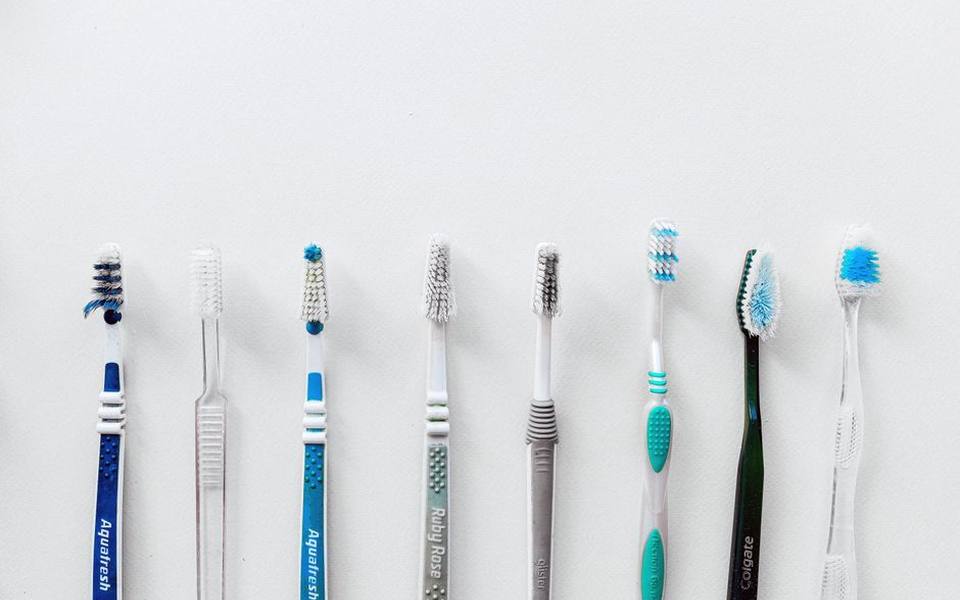
Finding an effective canine toothbrush requires matching the physical tool to the size, muzzle anatomy, and temperament of your specific pet. Human toothbrushes rarely fit the bill because their stiff bristles can irritate sensitive animal gingiva, and their straight handles fail to navigate the sharp contours of a dog's jawline. A purpose-built canine brush typically features an angled neck that allows the handler to reach deep into the posterior cheek pockets without overextending the dog's lips.
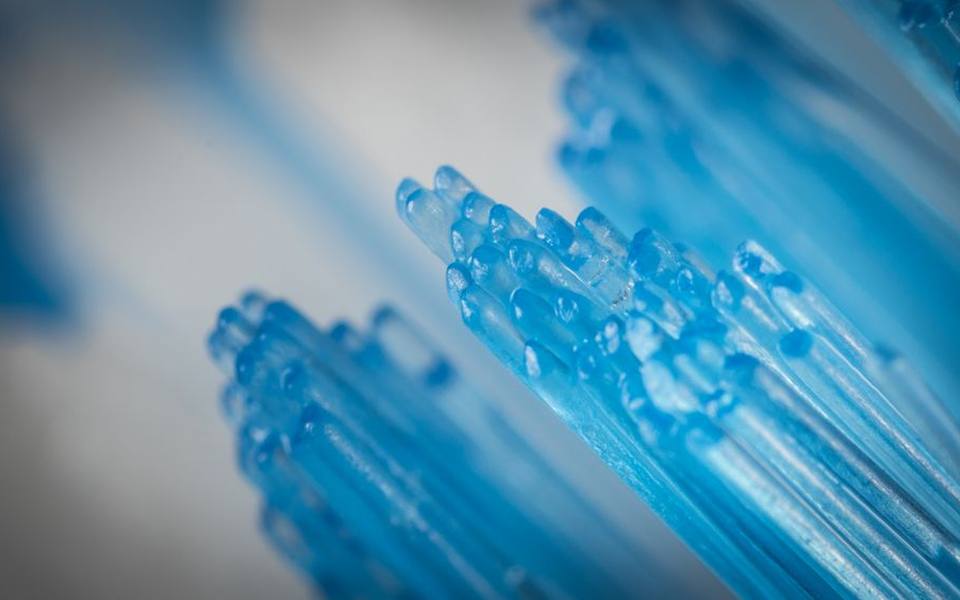
Handle length and brush head configuration dictate how much control and safety you maintain during a session. Brushes equipped with dual-ended heads offer a small cluster of bristles for incisors and tiny premolars on one end, with a broader bristle pad for heavy carnassials on the other. For larger breeds with deep jowls, extended ergonomic handles keep your fingers clear of accidental pinches while maintaining adequate leverage to sweep across the upper molars. For toy breeds, ultra-compact heads prevent gagging and reduce the impulse to pull away.
Bristle softness is another critical factor that separates a good dog toothbrush from one that causes discomfort and resistance. Look for ultra-soft, polished nylon bristles that gently flex against the gumline rather than stabbing into tender sulcus tissue. Triple-headed brush designs have also gained popularity because their curved outer arms cup the tooth crown, cleaning the outer, top, and inner enamel surfaces simultaneously. This design shortens session length substantially, which benefits restless dogs that tolerate only brief periods of handling.
When and How to Use Finger Brushes
A finger toothbrush for dogs serves as an exceptional introductory instrument for puppies, rescue dogs, and pets averse to rigid plastic wands. Made from flexible, food-grade silicone or soft rubber, a canine finger toothbrush slips securely over the owner's index finger, allowing you to use natural touch and intuitive pressure to clean enamel. Because you can directly feel the contours of the teeth and gums through the flexible sleeve, you minimize the risk of jabbing sensitive tissue during unexpected head movements.
When working with a young animal, a puppy finger toothbrush introduces the physical sensation of oral manipulation without overwhelming their delicate mouth. Puppies naturally mouth hands during play, so introducing a textured silicone nub on your fingertip feels far less foreign than inserting a long-stemmed brush. Soft raised nubs provide soothing counter-pressure on swollen gums during teething stages while sweeping away sticky milk residue and puppy food mush. Starting with a finger sleeve establishes positive associations that make graduating to bristle brushes straightforward later in life.
While a finger toothbrush for puppies offers superb maneuverability and high comfort, it delivers slightly less mechanical scrubbing force than conventional nylon bristles. Furthermore, adult dogs with powerful bite forces pose an obvious safety hazard if they clamp down unexpectedly during a cleaning session. For mature pets, finger sleeves work best for applying enzymatic gels, massaging inflamed gums, or maintaining front incisors, while long-handled tools remain the standard choice for reaching posterior upper molars safely.
Understanding Dog Teeth Powders and Water Additives
Dog teeth powder has emerged as a valuable complementary tool within modern pet dental regimens, especially for animals that resist manual brushing. Most commercial powders are formulated with harvested brown kelp (*Ascophyllum nodosum*), a specialized sea algae that works systemically once ingested. As the algae compounds are absorbed into the bloodstream, they naturally alter the chemical composition of your dog's saliva, preventing new plaque from adhering firmly and gradually softening established calculus deposits.
Applying these powders requires no physical struggle, as they are typically measured into daily kibble, raw meals, or wet food using a small scoop. In addition to seaweed meal, many quality blends integrate natural digestive enzymes, green tea extracts, and gut-supporting probiotics. These additives work synergistically to reduce the population of odor-causing sulfur compounds in the oral cavity, delivering fresher breath while weakening the structural matrix that holds stubborn tartar onto smooth enamel.
Despite their convenience, dental powders and drinking water additives should never be treated as complete replacements for physical scrubbing. While they chemically soften mineralized buildup over several weeks, mechanical friction is still required to strip the degraded debris away from the tooth surface. Think of dental powders as a preparatory treatment that primes tartar for easy removal during regular brushing sessions or safe recreational chew sessions, rather than a standalone miracle fix.
Mastering the Technique for Routine Brushing
Executing canine teeth brushing correctly relies heavily on quiet preparation, proper body positioning, and gradual desensitization. Never approach your dog from directly above or corner them against a wall, as looming over their head triggers defensive instincts. Instead, sit alongside your pet at their eye level, speaking in calm, reassuring tones while gently lifting their upper lip to inspect the gumline. Allow them to lick a small dollop of poultry- or beef-flavored pet toothpaste off your finger before introducing the brush.
Once your dog accepts the taste of the paste, gently slide the moistened bristle head under the upper lip at a roughly forty-five-degree angle toward the gum margin. Focus your attention on the broad flat surfaces of the upper fourth premolars and rear molars, which sit directly beneath the saliva duct openings and accumulate calculus faster than any other teeth. Use circular or sweeping horizontal motions, exerting only enough pressure to slightly flare the tips of the soft bristles against the enamel.
Keep initial training sessions remarkably brief, aiming for no more than ten to fifteen seconds on a single side before offering verbal praise or a high-value reward. There is rarely a need to pry the dog's jaws apart to reach the inner lingual surfaces, as their rough tongue constantly works to sweep away food particles from the inside. Concentrate your limited handling window on the outside buccal surfaces where plaque routinely concentrates, gradually expanding the duration as your pet learns that brushing is a low-stress routine.
Tartar Removal Realities and Mechanical Limitations
Understanding the critical boundary between soft plaque and hardened calculus is essential when managing tartar removal for dogs at home. Plaque consists of soft, sticky bacterial layers that any standard brush can wipe away with minimal effort. However, once saliva minerals transform that film into stone-hard calculus, soft bristles can no longer dislodge it. At this stage, many pet owners consider purchasing metal hand scalers online, a practice that carrying substantial hidden risks when attempted on an awake animal.
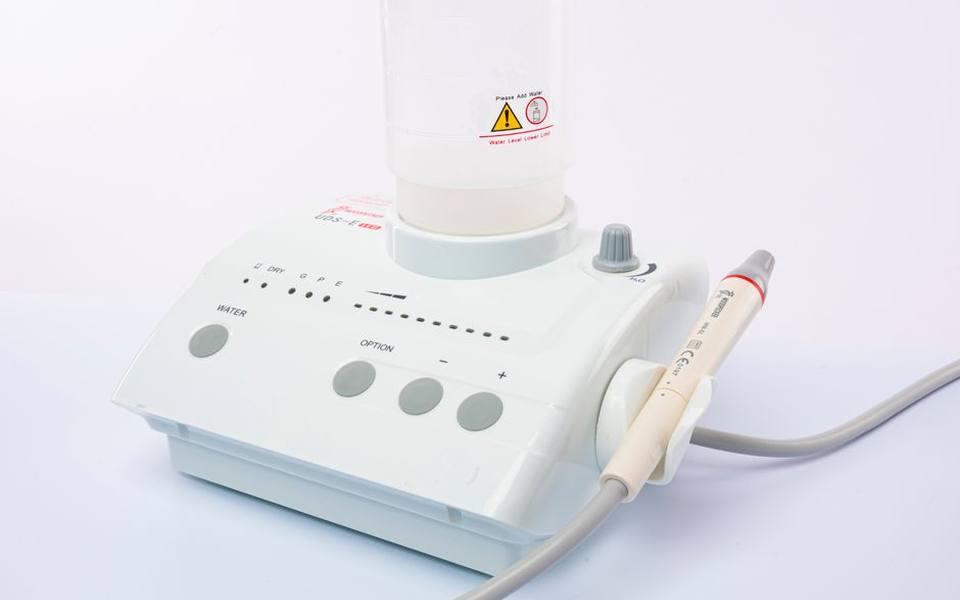
Manual scaling tools possess razor-sharp carbon steel edges designed to pop tartar sheets off the enamel via precise mechanical leverage. If an awake dog twitches, sneezes, or pulls back abruptly while a metal scaler is inside their mouth, the instrument can easily puncture the tongue, lacerate the gumline, or gouge sensitive oral mucosa. Furthermore, scraping metal across enamel creates microscopic grooves on the tooth surface. Without professional motorized polishing to buff those scratches flat, new bacteria latch on faster and more aggressively than before.
Responsible at-home calculus management focuses on softening deposits with enzymatic products and relying on veterinary dental procedures for comprehensive subgingival cleaning. A professional veterinary dental cleaning under general anesthesia allows the clinician to clean beneath the gumline, chart periodontal pockets, extract non-viable teeth, and polish the enamel safely. At home, your job is active prevention: stopping soft plaque from solidifying and utilizing safe dental chews to wear down softened supragingival edges naturally.
Desensitization Strategies for Resistant Dogs
Teaching an anxious or head-shy dog to tolerate oral care requires breaking the process down into tiny, non-threatening milestones over several weeks. Begin without any tools at all, simply resting your thumb and forefinger lightly on their muzzle for two seconds, followed immediately by a tasty treat. Repeat this exercise daily until your pet willingly presents their nose and shows zero tension when your hands approach their mouth.
The next phase involves lifting the jowls to expose the side teeth while rubbing a clean, bare finger across the upper gumline. Introducing pet-specific flavored pastes directly on your finger transforms oral contact into an enjoyable culinary experience. Only after your dog happily leans in to lick the paste should you introduce a silicone finger cap or an ultra-soft canine brush, initially touching it to the front canines for a single second before rewarding heavily.
Patience during this training arc determines your long-term success over the next decade of your dog's life. Pushing too quickly past a dog's comfort threshold causes growling, head tossing, and retreat, setting your training back by weeks. If your dog resists, back up to the last step they tolerated comfortably and remain there for several days. A steady progression of thirty-second sessions conducted with consistent positive reinforcement will always outperform a chaotic, forced struggle.
Integrating Dental Care into Full Grooming Days
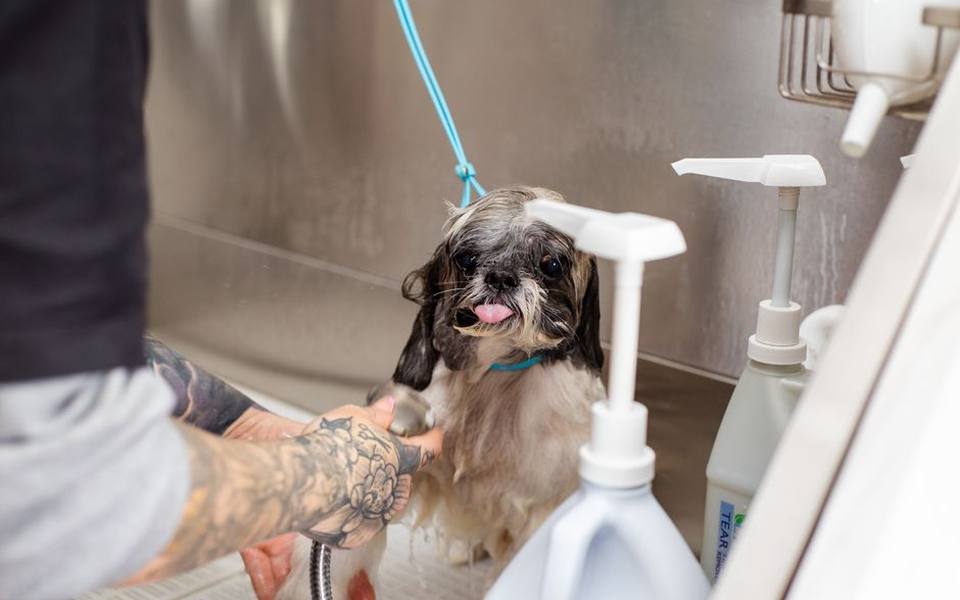
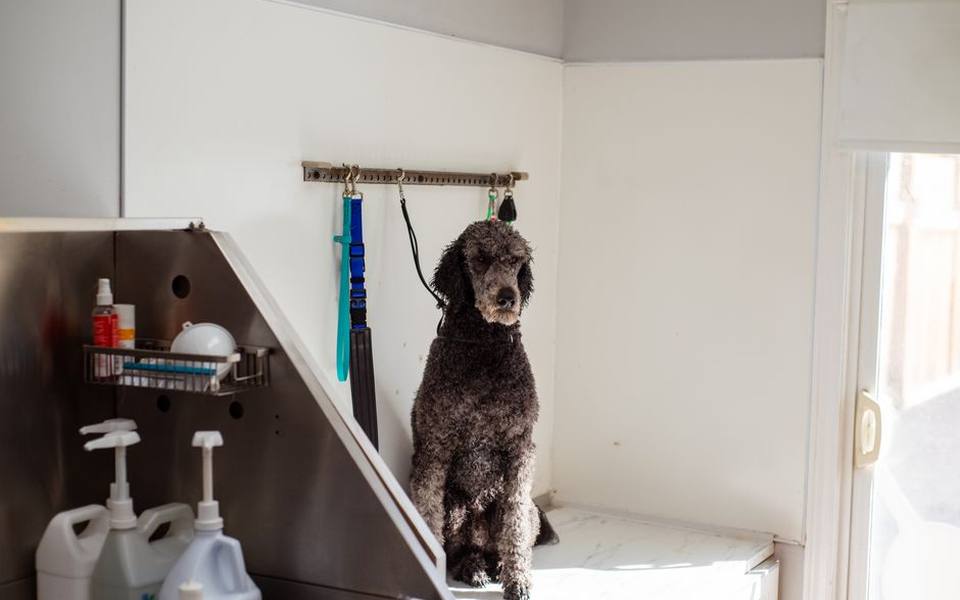
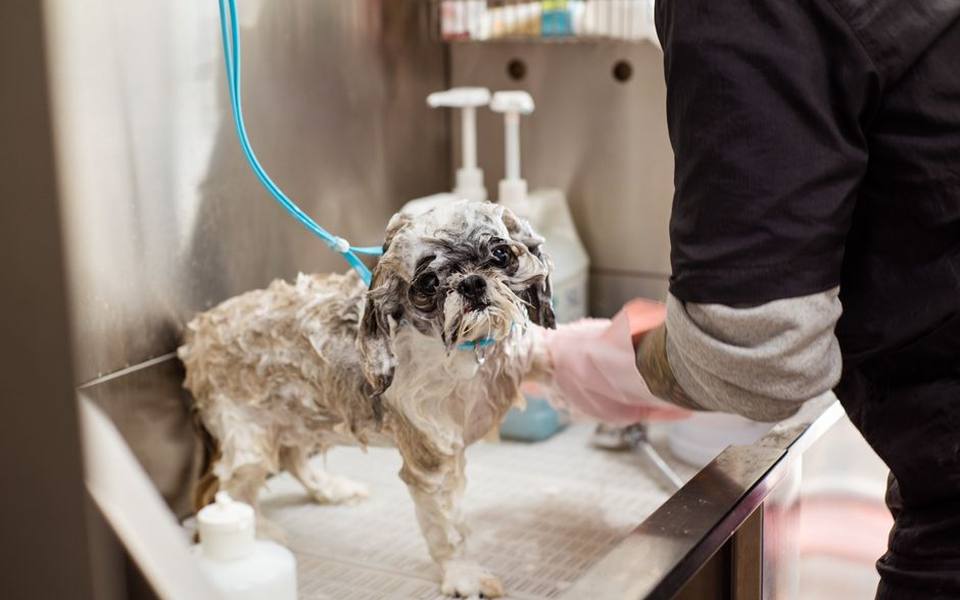
Incorporating oral hygiene into your regular bath and coat maintenance routine helps turn teeth cleaning into an expected, orderly event. Many dog owners prefer tackling teeth right before washing their pet, as drool, excess toothpaste foam, and softened facial grime can be effortlessly rinsed away in the tub. If you prefer to avoid the mess at home, visiting Self-Serve Dog Wash Stations provides elevated tubs, restraint tethers, and specialized wash bays that make full-body maintenance considerably easier on your back.
Elevating your pet inside dedicated washing stations places their mouth directly at your chest height, giving you far superior visibility and physical control compared to kneeling on a slick bathroom floor. Many public facilities, such as Walk-In Dog Washes, offer spacious grooming tables where you can brush coats, clean ears, and brush teeth in one organized sitting. When visiting high-traffic hubs like popular Self-Serve Dog Washes in Texas, bringing your personal canine dental kit ensures your dog stays comfortable with familiar flavors and bristle textures.
After finishing a vigorous wash and blow-dry, your dog is typically relaxed and slightly fatigued, making it an opportune time to administer oral gels or inspect their mouth for cracked teeth or inflamed gums. Pairing the sensory experience of a warm bath with subsequent dental care establishes a clean baseline across the board. Making this multi-step hygiene sequence an ongoing ritual keeps both their skin coat and oral cavity healthy and smelling fresh.
Signs of Advanced Dental Disease Requiring Medical Attention
While at-home preventive measures maintain healthy mouths, owners must remain vigilant for clinical signs that point to established periodontal damage. Persistent bad breath, or halitosis, is rarely just normal dog breath; it usually signals active bacterial colonization and decaying food trapped in deep gum pockets. If lifting your dog's lip reveals fiery red or purplish bands along the gum margins rather than pale pink tissue, active gingivitis is already present.
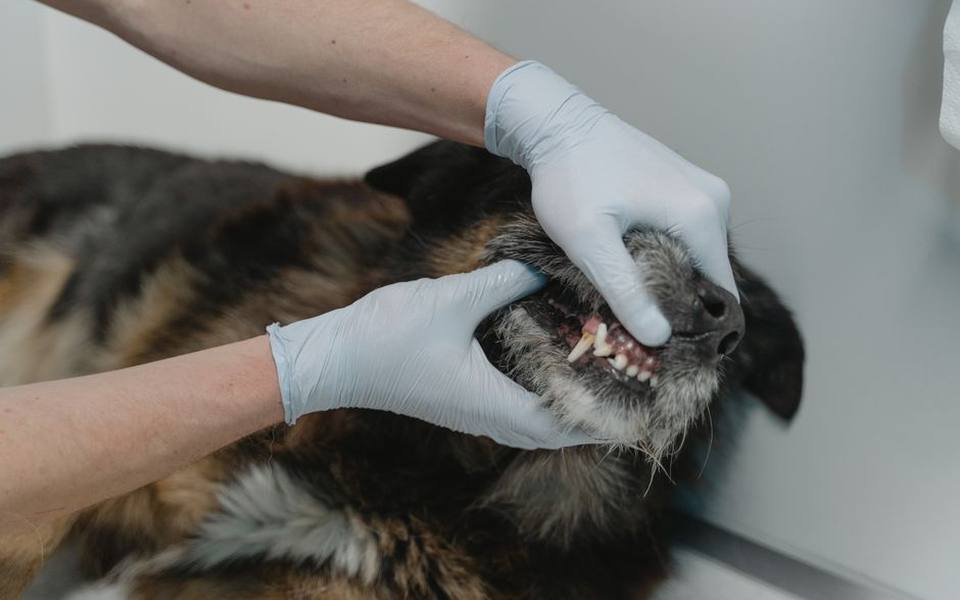
Behavioral clues often surface during mealtimes when oral pain becomes impossible for the dog to ignore. A pet with a fractured carnassial tooth or painful root abscess may chew exclusively on one side of their mouth, drop dry kibble onto the floor repeatedly, or refuse hard treats entirely. In severe cases, dogs may paw frantically at their muzzle, drool excessively with traces of blood, or exhibit uncharacteristic irritability when their head or snout is touched.
When these pronounced symptoms appear, brushing at home must be paused immediately to avoid causing intense pain. Brushing across severely inflamed or receded gums can drive surface bacteria directly into compromised deep tissues, worsening the infection. Schedule a thorough clinical examination with your veterinarian, who can stage the disease with dental radiographs and perform a curative dental procedure under anesthesia before you resume an at-home brushing routine.
Building a Sustainable Lifelong Dental Protocol
Sustaining an effective oral hygiene protocol over your pet's life depends on creating an achievable, balanced combination of physical and passive tools. While daily brushing with a top rated dog toothbrush remains the clinical gold standard, real life can sometimes interfere with ideal schedules. Aiming for three to four thorough brushing sessions per week provides sufficient mechanical disruption to stop the calcification of plaque in its tracks.
On days when work or travel prevents manual brushing, rely on passive oral health aids to fill the gap. High-quality dental chew treats bearing veterinary seal approvals encourage deep chewing that scrapes the lateral surfaces of the molars while stimulating saliva flow. Incorporating a measured dog teeth powder into their morning meal works silently in the background, keeping remaining biofilms chemically unstable and far easier to brush away during your next hands-on session.
Ultimately, the most successful dental program is one that matches your personal routine and your dog's specific tolerance. Rotating between flexible finger brushes, soft-bristled manual brushes, water additives, and safe chew toys creates a comprehensive defense system against periodontal decay. By taking ownership of your dog's oral cavity early and consistently, you protect their comfort, avoid painful extractions, and invest directly in their overall vitality.
Published 2026-09-21 · reviewed with each rebuild, last September 2026.
Find self-serve dog washes near you
The directory lists 2,264 self-serve dog washes by state and city — pick your state or use the “Near me” button in the header.
More guides
-
 Money
MoneyUnderstanding the Costs of Grooming and Washing Your Dog
-
 Service
Canine Scent Gland Care: Symptoms, DIY Steps, and Professional Costs
-
 Money
MoneyDog Grooming Cost Breakdown: Salons, Mobile Vans, and Retail Chains
-
 Service
Dog Anal Gland Expression: How It Works, When It Is Needed, and Typical Costs
-
 Owning
Essential Dog Grooming Tools: Choosing Clippers, Shears, and Maintaining Blades
-
 Money
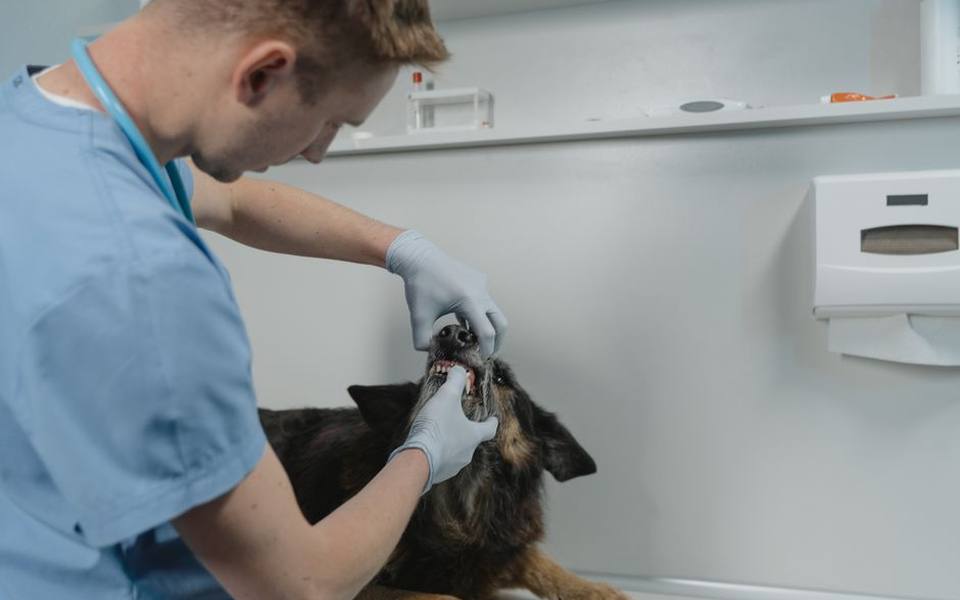
MoneyDog Teeth Cleaning Costs: Vet Anesthesia vs. Non-Anesthetic Options
-
 Service
How to Choose the Best Local Dog Groomer: What to Look For
-
 Service
Self-Service Dog Wash Guide: Locations, Pricing, and How It Works
-
 Owning
Complete Dog Anal Gland Care: How to Express, Symptoms, and Safe Techniques
-
 Service
Professional Dog Grooming and Self-Wash Stations: Comparing Costs, Services, and Formats
-
 Owning
Dog Nail Trimming and Grinding Guide: Clippers, Rotary Tools, and Safe At-Home Care
-
 Service
Popular Dog Haircut Styles: Breed Cuts, Teddy Bear Trims, and Styling Rules
-
 Owning
Managing Dog Itchy Skin and Fleas: Medicated Baths, Shampoos, and Remedies
-
 Service
Complete Cat Grooming Guide: Bathing, Haircuts, Nail Trimming, and Mobile Care
-
 Owning
Dog Ear Cleaning and Flushing Solutions: Preventing Wax Build-Up and Infections
-
 Owning
Dog Anal Gland Care: Expression, Swollen Glands, and Hygiene Solutions
-
 Owning
Dog Blow Drying, Coat Coloring, and Waterless Grooming Essentials
-
 Owning
Essential Grooming Tools: Brushes, De-Matting, Odor Neutralizers, and Paw Care
-
 Owning
Complete Guide to Dog Training: Methods, Equipment, Classes, and Costs
-
 Owning
Ultimate Guide to Dog Haircut Styles by Breed: Puppy Cuts, Teddy Bear, and Lion Clips
-
 Owning
How to Treat Dog Itchy Skin and Allergies: Medications, Shampoos, and Home Remedies
-
 Safety
How to Trim Dog Nails Safely: Clippers vs Grinders and Techniques
-
 Service
Professional Dog Grooming Services: Costs, Salons, and At-Home Options
-
 Owning
Dog Dental Care Guide: Toothbrushes, Powders, and At-Home Cleaning
-
 Safety
Dog Ear Cleaning Solutions, Wax Buildup, and Infection Care Guide
-
 Owning
Choosing the Right Dog Shampoo for Dry Skin, Dandruff, Fleas, and Ticks
-
 Owning
Self-Serve Dog Wash Stations and Home Bathing Setup Guide
-
 Buying
Essential Professional Grooming Tools, Clippers, and Blade Care
-
 Owning
Dog Nail Trimming, Grinding, Polish, and Safe Hair Dye: A Practical Guide
-
 Service
Dog Haircuts and Breed Styling Guide: Popular Cuts, Trims, and Coat Care
-
 Service
Cat Grooming and Styling: Lion Cuts, Bathing, and Coat Care
-
 Owning
Dog Ear Care and Skunk Odor Removal: Cleaning, Wax, and Emergency Deodorizing
-
 Safety
Dog Flea Baths and Medicated Shampoos: OTC and Prescription Remedies
-
 Owning
Complete Guide to Raw Dog Food Nutrition and Diets
-
 Owning
Dog Birthday Cakes, Safe Treats, and Celebration Guide
-
 Service
Hiring a Dog Walker: Services, Rates, and Agency Options
-
 Service
Dog Breed Haircuts, Styling, and Coat Maintenance Guide