Building a Practical Dog Grooming Kit
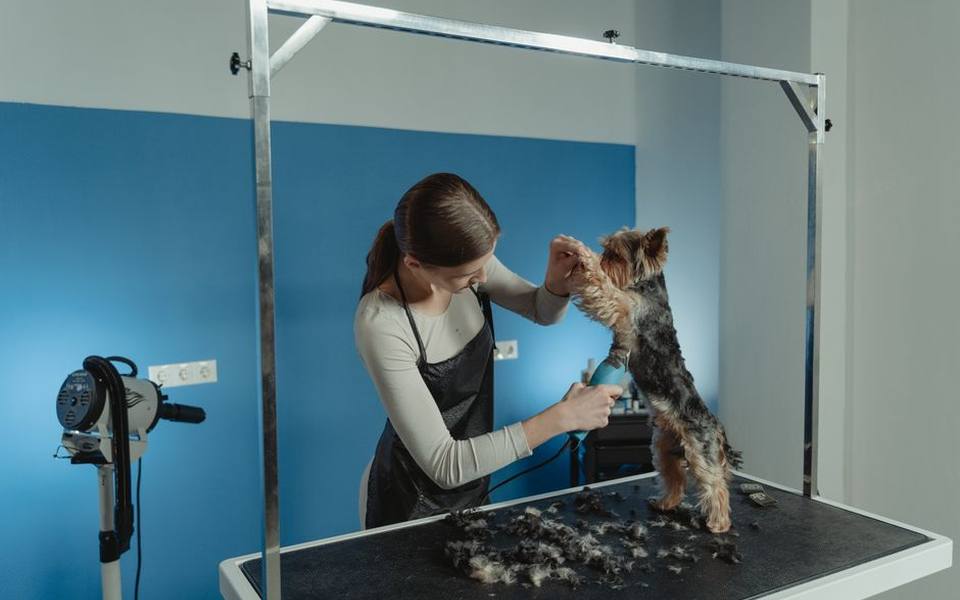
Assembling the right grooming tools saves hours of frustration and keeps your dog comfortable during routine maintenance. You do not need an industrial setup to achieve neat results at home, but relying on cheap plastic multi-tools often leads to jagged cuts and pulled fur. A solid baseline kit centers around four pillars: dependable hair clippers, coat-specific brushes, sharp stainless shears, and regular blade maintenance gear. Starting with dedicated, purpose-built instruments prevents skin irritation and builds confidence for both you and your pet.
When people shop for complete boxed sets, they often end up with lightweight motors and dull scissors that struggle on dense undercoats. While all-in-one grooming bundles look economical, the components inside typically wear out rapidly under heavy fur. Buying individual, professional-grade items tailored to your dog’s specific hair texture produces a much safer and cleaner result over the animal's lifetime. A thick double coat requires entirely different teeth spacing and motor torque than a fine single coat.
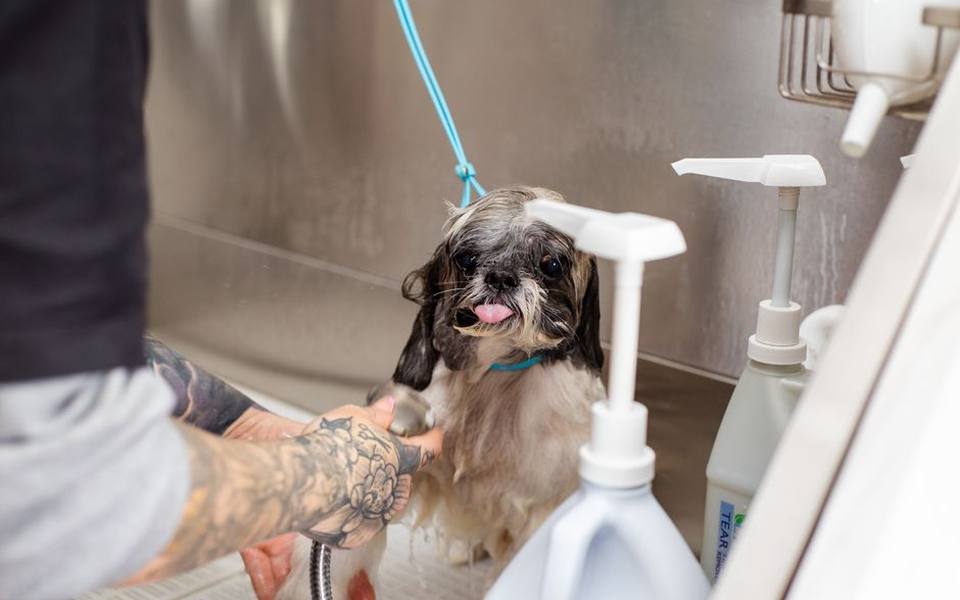
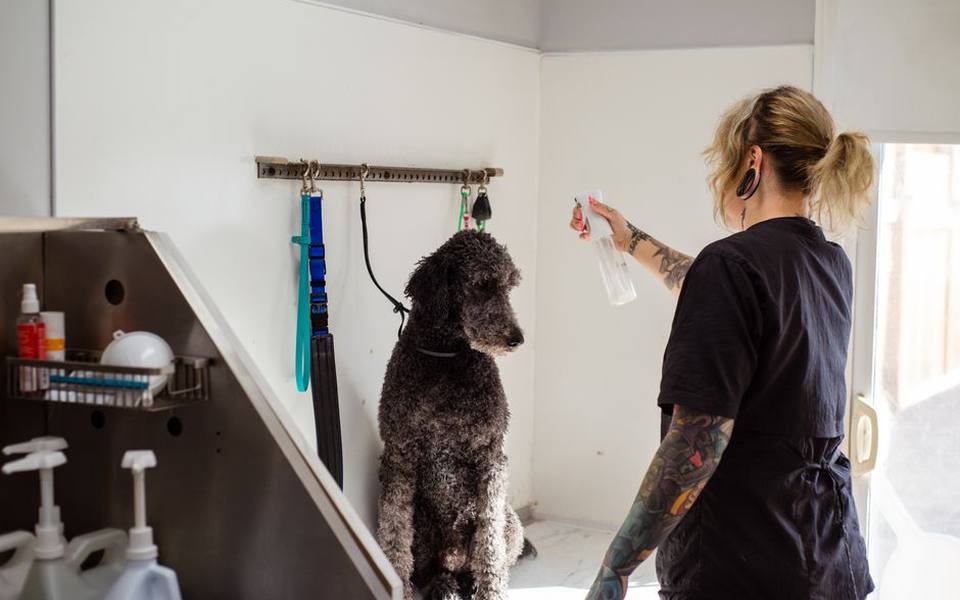
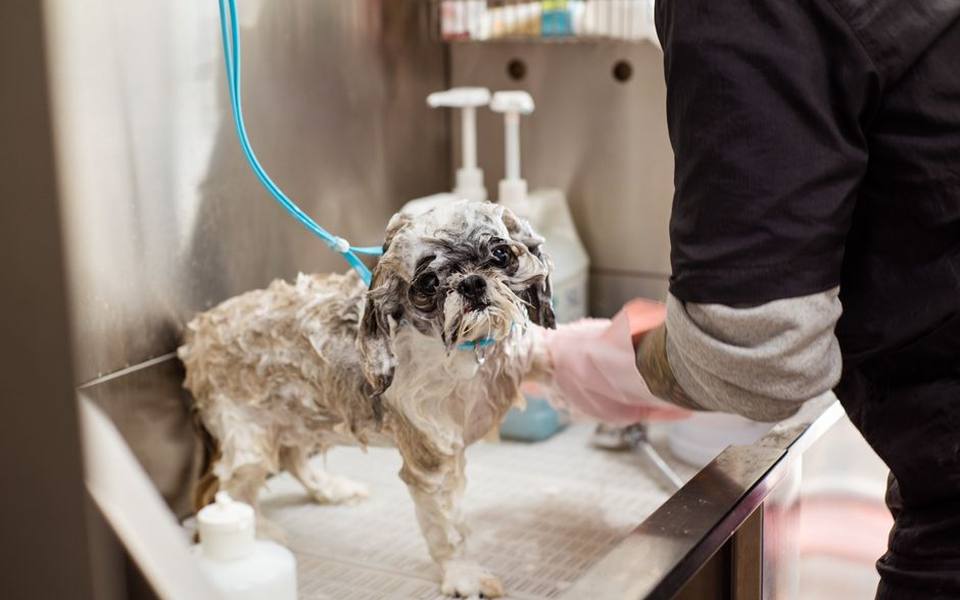
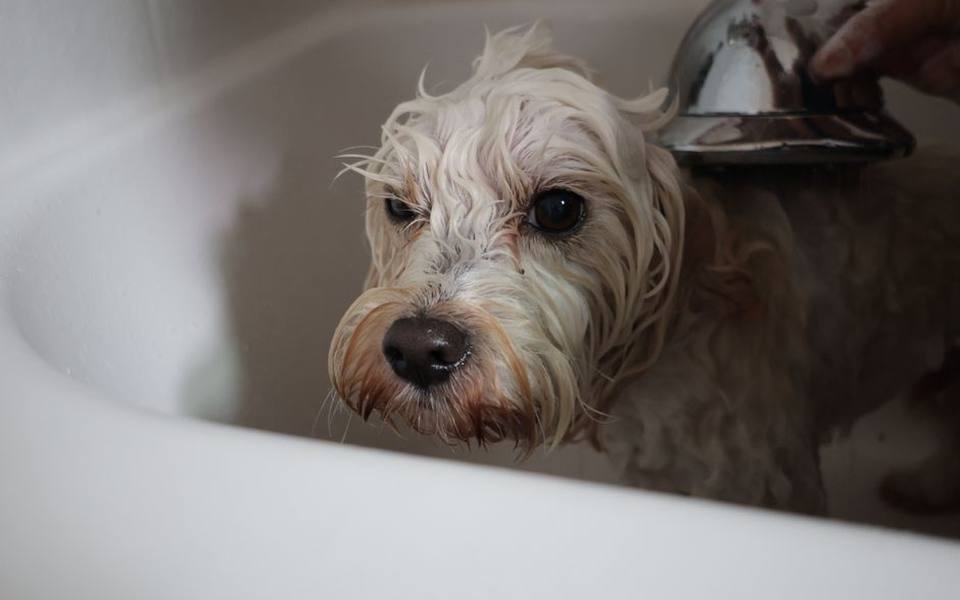
Before investing heavily in heavy-duty machinery, consider whether your home bathroom can handle the mess of regular clipping sessions. Many owners prefer using dedicated self-serve dog wash stations for the messy preliminary wash and blowout, keeping flying dander and damp hair out of household plumbing. Once the coat is clean and thoroughly blown dry, you can perform precise scissor work and clipping in a calm, controlled space at home with far less clean-up.
Selecting the Right Brushes and Dematting Combs
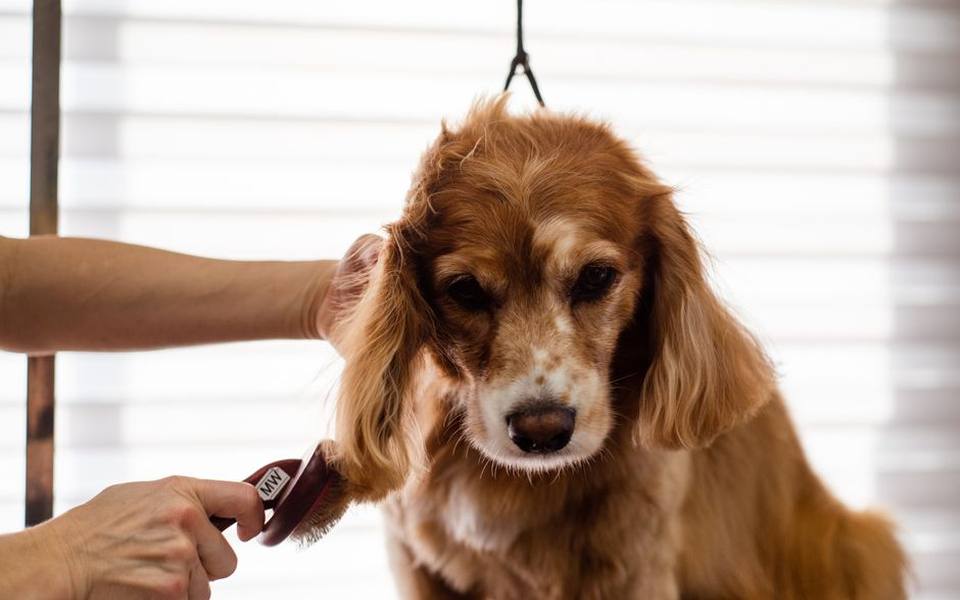
A quality brush is the frontline tool for canine skin health, dictating how easily clippers will glide through the fur later. Slicker brushes with fine, angled wire pins work wonders for lifting dead undercoat and untangling stubborn mats in curly or double coats. If your dog has short, smooth fur, a soft rubber curry brush works significantly better by stimulating natural skin oils and sweeping away loose topcoat without scratching sensitive skin.
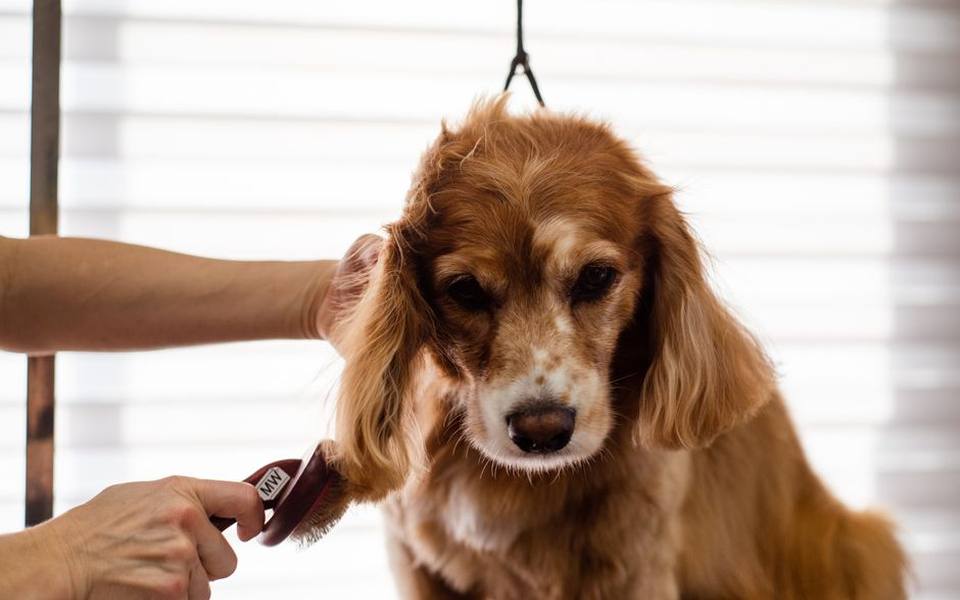
Undercoat rakes and wide-toothed steel greyhound combs provide the depth that standard surface brushes simply cannot reach. Rakes feature rounded metal tines designed to bypass the guard hairs and gently loosen compacted winter fur without slicing through healthy strands. After brushing through a section, dragging a metal comb smoothly against the skin reveals remaining snags before a motorized blade catches them painfully during a clip.
Choosing the wrong bristle firmness often leads to brush burn, a painful rash caused by scraping the dermal layer repeatedly. Pin brushes without protective rounded tips should be used with a light wrist flick rather than downward pressure. Inspecting the skin beneath the coat every few strokes ensures the brushing session remains relaxing. When the undercoat is completely tangle-free down to the skin level, mechanical clipping takes half the usual effort.
Home Clippers Versus Heavy-Duty Salon Models
Choosing between an entry-level home trimmer and a commercial-grade rotary motor clipper comes down to coat density, session length, and heat management. Light-duty home trimmers usually feature pivot motors that operate quietly, making them ideal for nervous puppies, paw pads, and sanitary trims on soft fur. However, these compact units often bog down or stall completely when pushed through matted patches or coarse, thick double coats.
Commercial grooming clippers utilize brushless rotary motors that maintain steady cutting speeds regardless of resistance. These heavy-duty models run cooler for longer stretches and generate the torque required to shave dense terriers, doodles, or working breeds cleanly. While professional clippers represent a higher upfront investment, their replaceable drive levers and standardized detachable blade systems ensure they outlast disposable consumer models by many years of regular use.
Cordless models have advanced significantly, offering substantial freedom of movement around energetic animals without the hazard of a dangling power lead. Still, battery runtime typically drops after prolonged sessions, meaning dual-battery setups or cord-capable backups remain the gold standard for full body trims. If you only perform minor seasonal touch-ups, a quality corded unit often delivers consistent power without the eventual battery decay inherent to wireless options.
Navigating Clipper Blades and Attachment Combs
Understanding blade numbering is critical for preventing accidental skin nicks and severe clipper burn. Detachable blades follow an inverted sizing standard where higher numbers cut closer to the skin: a number 10 blade leaves roughly one-sixteenth of an inch of hair and serves as the universal choice for sanitary areas and underbellies. Conversely, lower numbers like a number 4 or 7 leave more length for everyday body styling across various breeds.
Skip-tooth blades feature alternating tooth lengths designed to feed rough, uncombed coats directly into the cutting edge, but they carry a significantly higher risk of catching thin skin folds. For home grooming, full-tooth finish blades provide a far safer experience because the uniform row of teeth shields vulnerable skin while creating a smooth, velvety finish. Always avoid using short blades over loose skin flaps near the armpits, hocks, or throat without pulling the skin completely taut.
Snap-on guard combs offer a foolproof buffer for owners wanting longer coat profiles without buying numerous specialized steel blades. These plastic or metal attachments clip firmly over a standard short blade, usually a number 10 or 30, holding the cutting edge at an even distance from the coat. Metal-toothed guard combs glide through pre-brushed fur much more smoothly than flexible plastic versions, preventing unsightly tracking marks and choppy ridges across your dog’s back.
Everyday Shears and Specialized Grooming Scissors
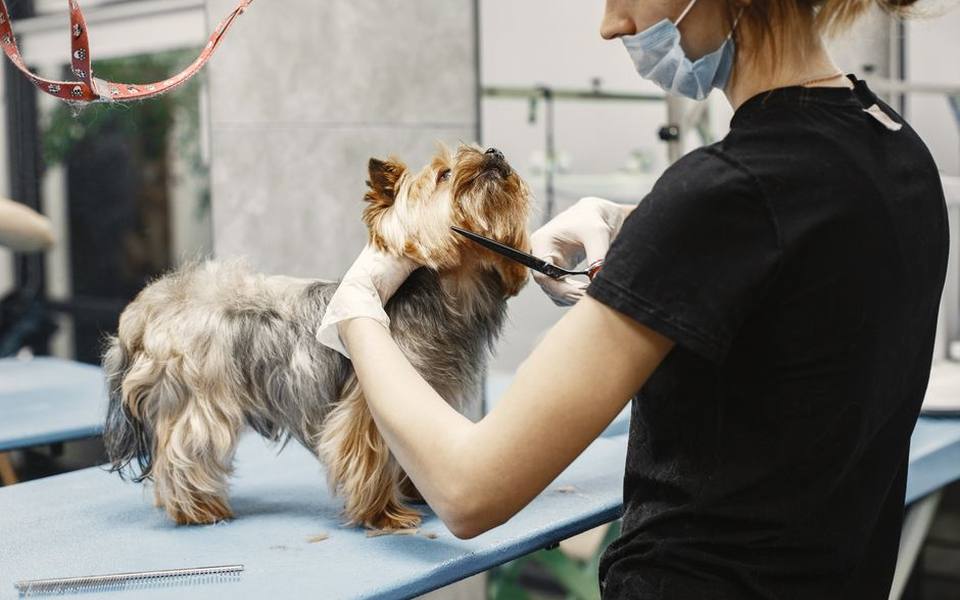
A dedicated set of dog grooming shears includes straight scissors, curved shears, and safety ball-tip shears for delicate areas. Household kitchen scissors or fabric shears have bevel angles intended for flat surfaces, which will crush and fold pet hair rather than slice through it cleanly. Quality grooming scissors utilize semi-convex or convex edges forged from tempered stainless steel, ensuring crisp cuts that seal hair ends without splitting the shaft.
Curved shears are indispensable for rounding topknots, shaping circular teddy-bear paws, and following the natural contour of the ribcage. By angling the curved blade naturally along the body, you eliminate the harsh stepped lines that straight shears often produce on curved anatomy. Meanwhile, short ball-tipped safety scissors offer peace of mind when trimming around twitchy eyes, inner ears, and webbed paw pads where unexpected head shakes could cause puncture accidents.
Balance, weight, and finger-ring fit dictate how long you can trim before hand fatigue compromises your cutting control. Reversible shear designs with removable rubber finger inserts allow you to customize the grip to your hand size, minimizing strain across your wrist tendons. Keeping shears stored in protective padded cases between uses prevents tiny edge dings that occur whenever metal tools collide inside an unorganized grooming bag.
Mastering Thinning Shears for Seamless Blending
Thinning shears feature one solid cutting blade paired with an opposing notched, comb-like blade that catches only a fraction of the fur per snip. Instead of lopping off a stark horizontal line across the coat, these notched teeth remove bulk subtly while preserving a natural, feathered edge. Groomers rely on them to soften harsh clipper tracks, blend the transition between shorter neck hair and longer chest furnishings, and style natural-looking muzzle contours.
To use thinning shears effectively, comb the fur straight out against its natural growth direction and hold the scissors parallel to the hair shaft rather than perpendicular. Make one or two cuts, comb through the section to lift out the severed undercoat, and inspect the density before cutting further in the same spot. Cutting repeatedly in one exact position creates gouges and holes that take several shedding cycles to fill back in evenly.
Chunkers, a wider-notched variant of traditional thinning shears, remove larger segments of hair quickly and excel at shaping soft, voluminous coats like those on bichons or standard poodles. Traditional fine-toothed thinning shears with thirty to forty teeth produce a practically invisible blend on smooth areas. If you accidentally leave a noticeable ridge with your clippers, light passes with a fine thinning shear will erase the mistake effortlessly without shortening the overall coat length.
Integrated Grooming Vacuums and Fur Containment
Grooming vacuum systems combine clippers, brushes, and deshedding attachments with active suction hoses that pull loose hair directly into a sealed canister. For owners tired of sweeping drifting fur off walls, baseboards, and furniture after every brushing session, these systems offer a cleaner indoor alternative. The constant airflow lifts the coat upright toward the cutting teeth, often resulting in remarkably uniform body cuts with minimal comb snagging.
The primary hurdle with vacuum systems is managing pet anxiety caused by motor noise and the sensation of suction against the skin. Acclimating your dog begins by letting them inspect the machine while powered down, pairing treats with the click of the attachment heads before ever activating the motor. Running the vacuum in an adjacent room while brushing by hand helps desensitize sound-sensitive animals before bringing the active hose near their body.
While integrated vacuums handle seasonal coat blowouts and general trimming brilliantly, their attachments can struggle against tight, heavy matting close to the skin. In cases of severe neglect or compacted undercoats, traditional high-torque standalone clippers remain superior because vacuum attachments lack the raw mechanical leverage needed for solid felted fur. Balancing these tools keeps your indoor grooming routine tidy while maintaining realistic expectations for difficult coat conditions.
Pre-Packaged Grooming Bundles Versus Custom Sets
Store shelves feature dozens of affordable grooming kits that promise professional results in an all-inclusive plastic carrying case. These sets routinely bundle a lightweight trimmer, plastic guard combs, flimsy nail clippers, and low-grade shears for an attractive entry price. While tempting for first-time dog owners, the motors inside these budget kits often overheat within fifteen minutes of continuous cutting, causing discomfort to the dog's skin.
Investing piece by piece allows you to select tools matched directly to your dog's physical requirements rather than settling for generic compromises. A heavy double-coated Great Pyrenees demands an aggressive undercoat rake and cool-running clippers, whereas a sleek Whippet simply requires soft boar-bristle brushes and fine nail grinders. Buying individual tools ensures every dollar goes toward durable steel, ergonomic balance, and serviceable mechanical parts rather than disposable plastic casings.
If you are operating on a strict initial budget, prioritize purchasing one dependable clipper unit that accepts standard detachable blades alongside one high-quality steel finishing comb. You can supplement your routine by utilizing local walk-in dog washes for bathing, nail trimming, and blow-drying, reserving your home toolkit strictly for coat shaping and hygiene upkeep until you can expand your personal gear collection.
Sharpening Dull Clipper Blades and Scissors
Clipper blades do not cut hair like a standard kitchen knife; they function through two serrated metal plates shearing past each other under spring tension. When dirt, coat grit, or microscopic rust particles build up between the cutter and the comb plate, the blade pulls the fur instead of slicing it cleanly. Before assuming your blades need regrinding, slide the moving cutter sideways, clean out accumulated hair with an old toothbrush, and test them with fresh oil.
To sharpen steel clipper blades at home, you need an ultra-fine diamond whetstone, Arkansas stone, or flat cast-iron plate paired with fine aluminum oxide lapping paste. Disassemble the blade assembly carefully by unscrewing the tension spring, noting the alignment of the plastic guide socket. Place the flat mating side of the blade perfectly level against the stone and execute smooth figure-eight strokes with uniform downward fingertip pressure.
Ceramic cutter blades require diamond sharpening compounds and cannot be rehabilitated effectively on standard oilstones. While home stone sharpening extends the working life of standard carbon steel blades, professional sharpening services use specialized hollow-grinding machinery that restores the precise concave bevel engineered into factory teeth. Sending high-end shears and blades to certified sharpeners periodically preserves proper metal temper and blade curvature that manual hand stones cannot duplicate.
Cleaning, Oiling, and Storing Your Equipment
Consistent sanitation and lubrication will triple the operating lifespan of your grooming setup while preventing bacterial folliculitis across your dog’s skin. Hair contains natural abrasives and dander that absorb lubricating oils, forcing clipper motors to work harder and generate dangerous friction heat against the animal. Applying three drops of dedicated clipper oil across the teeth and one drop on each rear rail every fifteen minutes prevents thermal buildup.
Never submerge electrical clippers or motor housings in water to rinse away debris; instead, use specialized liquid blade washes designed for flush cleaning. Pour a shallow layer of blade wash into a small dish, submerge only the moving steel teeth while the motor runs for five seconds, and watch dirty sludge release into the solution. Wipe the metal dry immediately with a clean microfiber cloth to prevent surface corrosion during storage.
Between extensive trimming sessions, keep your cleaned tools stored in a moisture-free toolbox equipped with silica gel packets to deter humidity damage. If an energetic trimming session leaves you overwhelmed by the mess, you can always wash and dry your dog at facilities with 24-hour dog washes before tackling fine scissor work in a calm environment. Caring for your equipment methodically ensures reliable performance every time your pet steps onto the grooming table.
Published 2026-09-20 · reviewed with each rebuild, last September 2026.
Find self-serve dog washes near you
The directory lists 2,264 self-serve dog washes by state and city — pick your state or use the “Near me” button in the header.
More guides
-
 Money
MoneyUnderstanding the Costs of Grooming and Washing Your Dog
-
 Service
Canine Scent Gland Care: Symptoms, DIY Steps, and Professional Costs
-
 Money
MoneyDog Grooming Cost Breakdown: Salons, Mobile Vans, and Retail Chains
-
 Service
Dog Anal Gland Expression: How It Works, When It Is Needed, and Typical Costs
-
 Money
MoneyDog Teeth Cleaning Costs: Vet Anesthesia vs. Non-Anesthetic Options
-
 Service
How to Choose the Best Local Dog Groomer: What to Look For
-
 Service
Self-Service Dog Wash Guide: Locations, Pricing, and How It Works
-
 Owning
Complete Dog Anal Gland Care: How to Express, Symptoms, and Safe Techniques
-
 Service
Professional Dog Grooming and Self-Wash Stations: Comparing Costs, Services, and Formats
-
 Owning
Dog Nail Trimming and Grinding Guide: Clippers, Rotary Tools, and Safe At-Home Care
-
 Service
Popular Dog Haircut Styles: Breed Cuts, Teddy Bear Trims, and Styling Rules
-
 Owning
Managing Dog Itchy Skin and Fleas: Medicated Baths, Shampoos, and Remedies
-
 Service
Complete Cat Grooming Guide: Bathing, Haircuts, Nail Trimming, and Mobile Care
-
 Owning
Dog Ear Cleaning and Flushing Solutions: Preventing Wax Build-Up and Infections
-
 Owning
Dog Anal Gland Care: Expression, Swollen Glands, and Hygiene Solutions
-
 Owning
Dog Blow Drying, Coat Coloring, and Waterless Grooming Essentials
-
 Owning
Essential Grooming Tools: Brushes, De-Matting, Odor Neutralizers, and Paw Care
-
 Owning
Canine Dental Hygiene Guide: Toothbrushes, Powders, and Tartar Control
-
 Owning
Complete Guide to Dog Training: Methods, Equipment, Classes, and Costs
-
 Owning
Ultimate Guide to Dog Haircut Styles by Breed: Puppy Cuts, Teddy Bear, and Lion Clips
-
 Owning
How to Treat Dog Itchy Skin and Allergies: Medications, Shampoos, and Home Remedies
-
 Safety
How to Trim Dog Nails Safely: Clippers vs Grinders and Techniques
-
 Service
Professional Dog Grooming Services: Costs, Salons, and At-Home Options
-
 Owning
Dog Dental Care Guide: Toothbrushes, Powders, and At-Home Cleaning
-
 Safety
Dog Ear Cleaning Solutions, Wax Buildup, and Infection Care Guide
-
 Owning
Choosing the Right Dog Shampoo for Dry Skin, Dandruff, Fleas, and Ticks
-
 Owning
Self-Serve Dog Wash Stations and Home Bathing Setup Guide
-
 Buying
Essential Professional Grooming Tools, Clippers, and Blade Care
-
 Owning
Dog Nail Trimming, Grinding, Polish, and Safe Hair Dye: A Practical Guide
-
 Service
Dog Haircuts and Breed Styling Guide: Popular Cuts, Trims, and Coat Care
-
 Service
Cat Grooming and Styling: Lion Cuts, Bathing, and Coat Care
-
 Owning
Dog Ear Care and Skunk Odor Removal: Cleaning, Wax, and Emergency Deodorizing
-
 Safety
Dog Flea Baths and Medicated Shampoos: OTC and Prescription Remedies
-
 Owning
Complete Guide to Raw Dog Food Nutrition and Diets
-
 Owning
Dog Birthday Cakes, Safe Treats, and Celebration Guide
-
 Service
Hiring a Dog Walker: Services, Rates, and Agency Options
-
 Service
Dog Breed Haircuts, Styling, and Coat Maintenance Guide