The Core Styling Baseline: Puppy Trims and Teddy Bear Cuts
Choosing the right dog haircut style comes down to balancing coat texture, daily lifestyle, and the amount of brushing you can handle each week. The two most requested styles across pet salons nationwide are the puppy cut and the teddy bear trim. While often used interchangeably by pet parents, they feature distinct structural differences that alter how your dog looks, sheds dirt, and stays cool in warmer weather.
A true puppy cut trims the coat to one uniform length across the entire body, legs, and ears, typically between one-half inch and one inch long. Groomers originally developed this clip for juvenile show poodles, but it quickly became the universal standard for low-maintenance companion dogs. The uniform length eliminates tangles, speeds up drying after bath time, and keeps cleanup straightforward without stripping away the soft look of the coat.
The teddy bear trim introduces gentle scissoring and hand blending to create rounded features, especially around the skull and muzzle. Instead of cutting everything to an identical guard length, the groomer leaves the leg hair slightly fuller and sculpts the face into a soft circular outline. This trim works wonders on curly or drop-coated companions, softening angular facial bone structure while keeping the torso short and manageable.
Yorkshire Terrier Styles from Short Clips to Topknots
Yorkshire Terriers possess fine, human-like hair that grows continuously rather than shedding out on a seasonal cycle. Because their single-layer coat lacks an insulating undercoat, their hair lies flat and quickly collects debris if dragged along the sidewalk. Choosing among the various Yorkie terrier haircut styles depends on whether you prefer functional outdoor practicality or the classic flowing terrier silhouette.
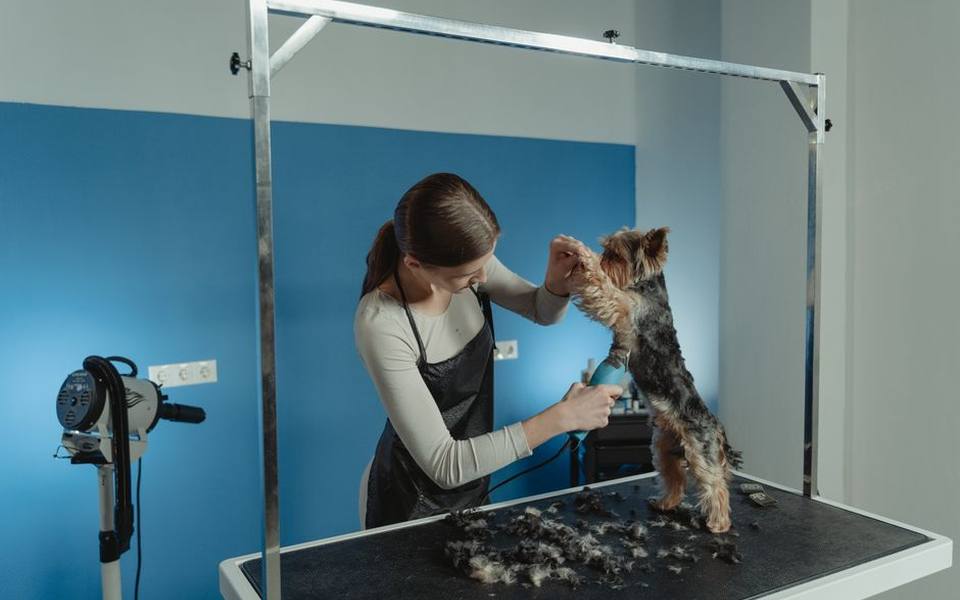
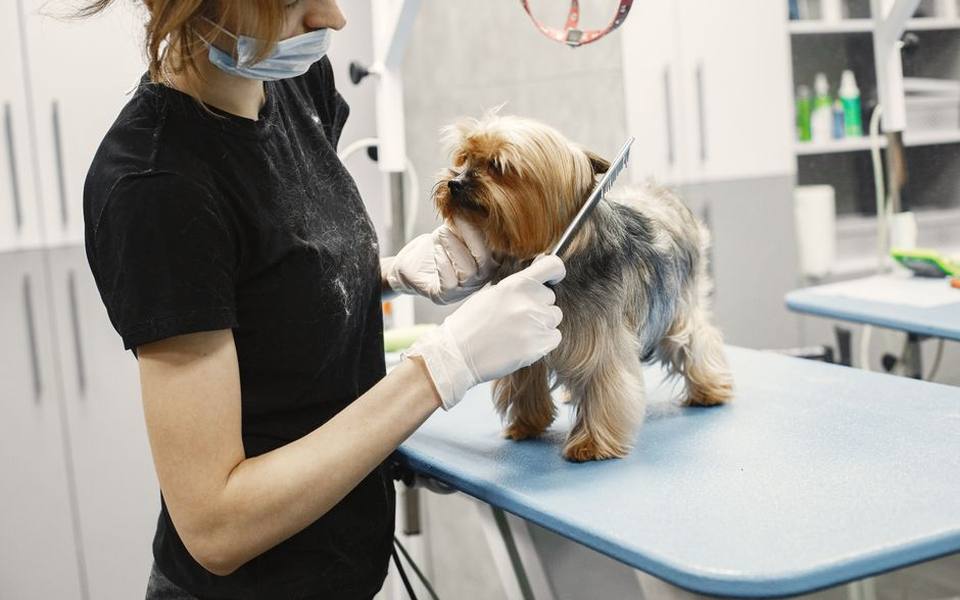
The most popular hair styles for Yorkies feature a modified teddy bear trim or a short summer clip. In a classic pet trim, clippers take the body down to roughly half an inch, leaving the legs slightly thicker and trimming the tail into a neat plume. The ears are clipped short on the upper third to help them stand erect, while the facial hair is rounded into an inverted bell shape that prevents food from staining the beard.
Owners looking for distinct flair often request a modified schnauzer trim or a traditional topknot. A schnauzer-inspired cut leaves neat furnishings on the legs and a modest beard while clipping the back short, highlighting the terrier build. If you opt to keep the facial furnishings long, gathering the forehead hair into a gentle latex band prevents eye irritation, though it requires daily combing to stop tight knots from forming against the delicate skin.
Shih Tzu Haircut Styles for Comfort and Aesthetics
Shih Tzu coats are dense, double-layered, and prone to rapid matting behind the ears and along the friction points of the harness. A full show coat requires hours of weekly brushing, so pet families heavily favor functional Shih Tzu haircuts styles that keep the dog comfortable during daily walks. The natural hair grows outward from the nose in all directions, which allows groomers to sculpt distinctive facial contours.
When browsing Shih Tzu cut styles, the classic puppy trim ranks as the top utility choice. Groomers clip the torso evenly and trim the ear leather flush with the bottom of the jawline. This prevents long ear hair from dipping into water dishes, an issue that frequently leads to bacterial ear infections and damp mats. The tail is usually left long and feathering is brushed out to maintain the breed's signature arched carriage.
For a softer aesthetic, Shih Tzu dog hairstyles often lean toward the teddy bear face paired with an inverted sanitary trim. Hand scissoring creates a round muzzle profile that frames the dark eyes without hair poking into the cornea. Another practical option is the practical lion trim, where the torso is clipped close while leaving a rounded mane around the neck and chest, keeping the dog cool during humid summer months.
Versatile Poodle Hairstyles Beyond the Show Ring
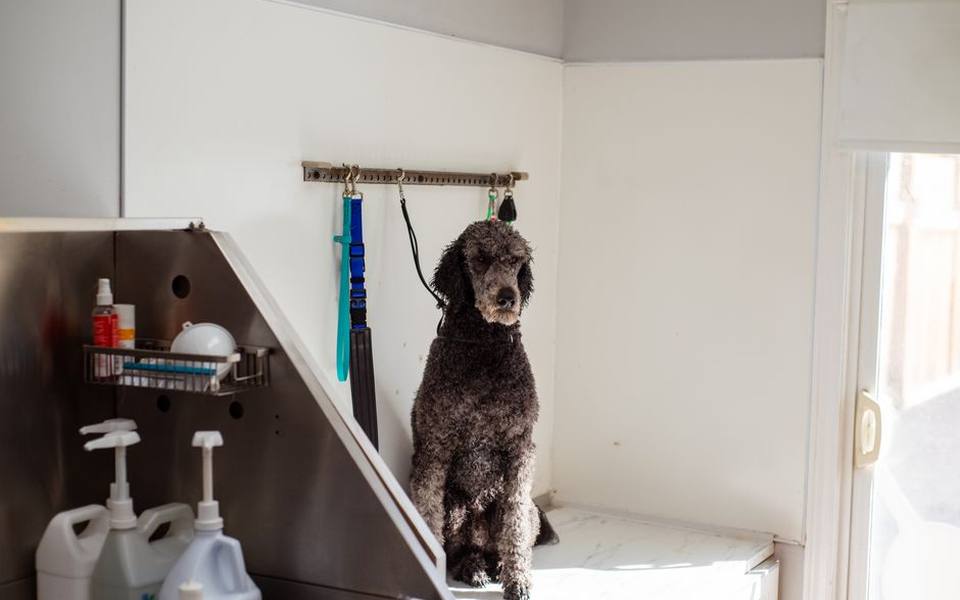
The curly, dense nature of poodle hair makes it the ultimate living canvas for grooming creativity. Poodle dog hairstyle options range from bare-skin utility clips to elaborate sculptural designs, largely because their curly coat holds structural shape better than silky hair. Whether styling a toy, miniature, or standard poodle, the key lies in selecting a cut that matches your routine.
The kennel cut, or utility cut, represents the backbone of practical hair styles for poodles. The body and legs are clipped to a uniform length, while the topknot on the head is blended into a neat dome. Groomers traditionally shave the face, throat, and base of the tail with a close blade to highlight the clean lines of the muzzle. This prevents wet beard odor and keeps the eye corners completely free of trapped discharge.
For those who prefer a sporty edge, the Miami cut—often called the bikini trim—shaves the body, neck, and upper legs, leaving fluffy pompons above the feet, a full tail pom, and a rounded cap. Alternatively, the lamb cut leaves the leg coat slightly longer than the body coat, creating smooth transitions that show off graceful movement without requiring the intensive scissoring demanded by elaborate show patterns.
Doodle Trims and Fleece Coat Realities
Mixed-breed doodle coats vary wildly, even among littermates, combining coarse curly hair with soft undercoat wool. Because their coats do not shed out naturally, loose undercoat hairs become trapped inside outer curls, creating felt-like mats if not groomed properly. Stylists working on Goldendoodles, Labradoodles, and Aussiedoodles adjust their approach based on whether the coat behaves more like fleece, wool, or loose hair.
The undisputed favorite doodle look is an oversized teddy bear cut with full, column-like legs and a hand-scissored muzzle. Achieving this look requires clipping the body with a longer snap-on guard comb, usually between one-half and one inch, and blending the neck seamlessly into a round, fluffy head. The brows are arched forward slightly to frame the eyes without casting deep shadows over their expression.
Maintaining this full-volume silhouette requires rigorous home brushing with a long-pin slicker brush and a metal comb. If brushing lapses for even two weeks, dense friction mats form along the armpits, chest, and groin. When that happens, a stylist has no choice but to clip beneath the mats, resulting in a short shave-down that resets the coat growth cycle from scratch.
Grooming a Cocker Spaniel: Breed Patterns Versus Practical Clips
Grooming a Cocker Spaniel involves managing a unique double coat characterized by a sleek back jacket, heavy leg feathering, and dense, low-hanging ear leathers. Their skin produces natural oils that protect the coat, but when combined with long hair, those oils easily trap garden debris and outdoor moisture. Owners must decide between preserving the traditional sporting silhouette or adopting an easy-wash pet clip.
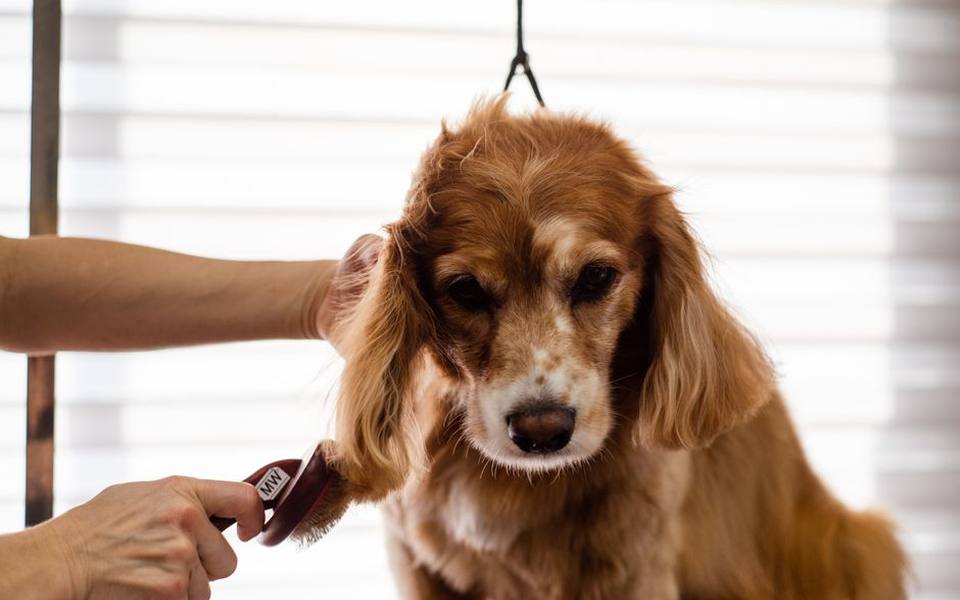
The traditional breed pattern uses a close blade along the crown of the head, throat, and top of the back, transitioning cleanly into long, flowing skirt furnishings along the belly and legs. The ears are clipped close on the upper third to lighten the leather, while the bottom two-thirds remain long and luxurious. While visually striking, this pattern requires daily combing through the skirt to prevent tangles from tightening against the flank.
For active dogs that swim or hike, a modified spaniel puppy trim offers far better day-to-day comfort. The groomer takes down the belly skirt and leg furnishings to a tidy half-inch, eliminating wet fringes that track mud indoors. Keeping the underside of the heavy ears clipped short is especially important, as it promotes airflow into the canal and dramatically reduces the recurrence of yeast infections.
The Critical Trio: Face, Paws, and Sanitary Maintenance
Regardless of the overall body style you choose, every pet trim relies on three precise hygiene areas: the face, the feet, and the sanitary zone. Neglecting these target areas causes discomfort long before the main body coat grows overly long. Keeping them trimmed between full grooming sessions preserves hygiene and extends the life of your dog's haircut by several weeks.
Facial maintenance centers around clearing the visual field and reducing moisture buildup. In breeds like the Shih Tzu and Yorkie, corner hairs grow straight up toward the eyes, collecting tear discharge that hardens into painful crusts. Stylists use blunt-tipped safety shears to clear a small inverted V-notch between the eyes. For beards, comb attachments help trim stray mouth hair that otherwise stays wet and attracts bacteria.
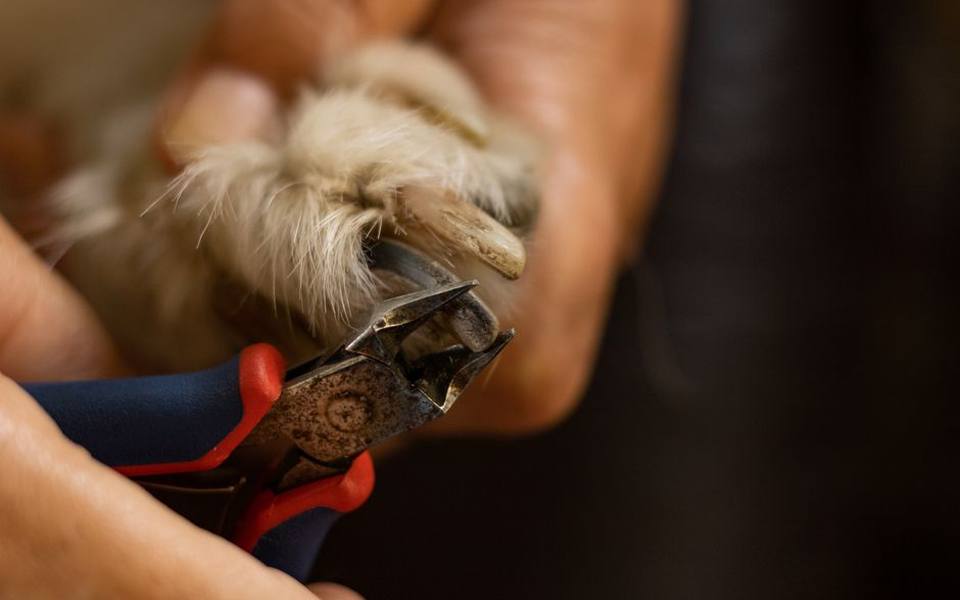
Paw care involves trimming the pads flush to remove hair that gathers slick floor grease, ice balls, and foxtails. Clean paw pads allow the foot to grip hard flooring securely, preventing joint strain in senior pets. Meanwhile, the sanitary clip uses a delicate, short-cutting blade to clear hair from the groin, lower abdomen, and around the rectum, ensuring waste passes cleanly without clinging to the surrounding coat.
Bathing and Fluff Drying Before Trimming Begins
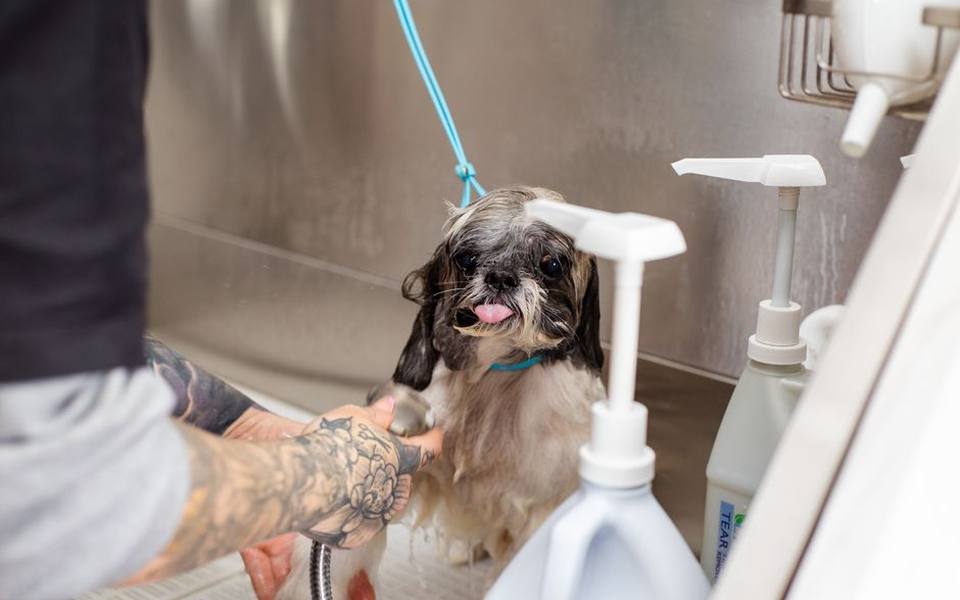
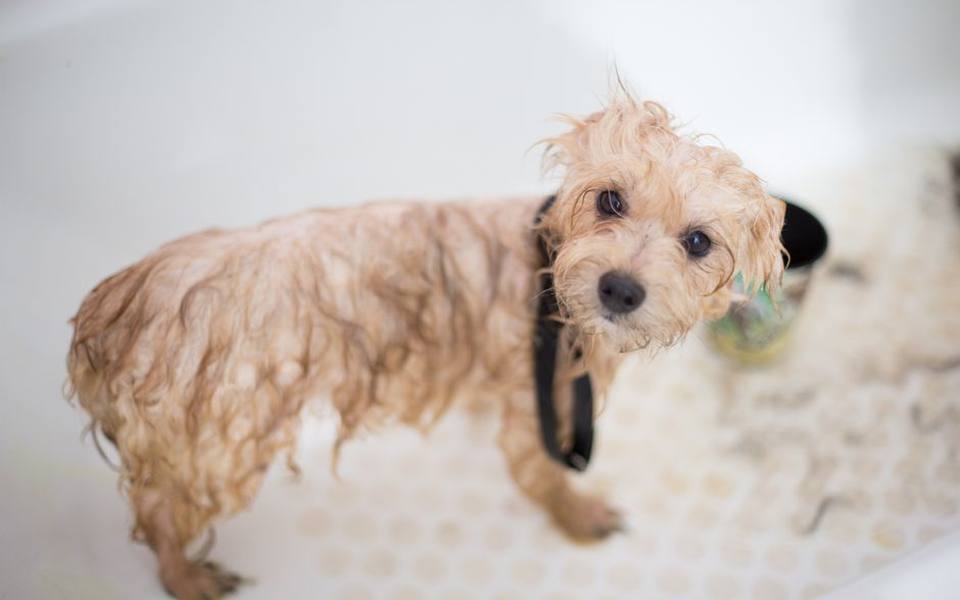
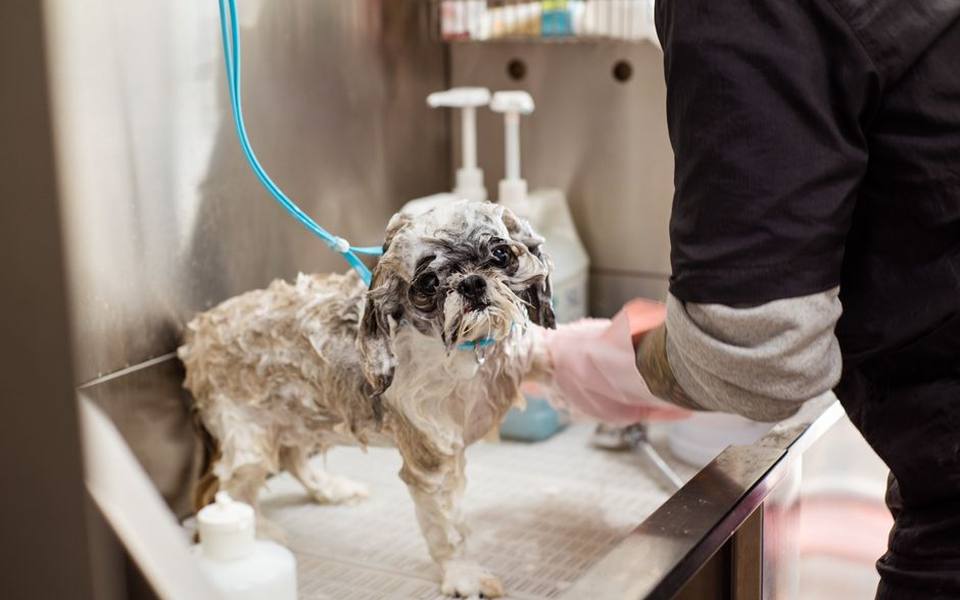
A sharp haircut is completely dependent on meticulous prep work in the tub. Running clipper blades or shears through dirty, grimy hair pulls on the skin, dulls expensive equipment within seconds, and produces a jagged, uneven finish. Every strand must be stripped of dirt, conditioned to soften brittle ends, and fully dried straight before styling begins.
Many pet owners tackle this heavy-duty prep stage at self-serve dog wash stations, which provide elevated tubs and warm-water sprayers that make deep cleaning easier on the back. The most critical tool in these facilities is the commercial high-velocity dryer. Unlike household hair dryers that rely on heat, high-velocity dryers use concentrated air pressure to separate curls down to the root, blowing out dead undercoat and straightening the hair shaft for precise clipping.
If you prefer to handle washing without an appointment, visiting convenient walk-in dog washes helps you prep the coat thoroughly prior to home scissor work. When fluff drying, brush the coat upward against the direction of growth while directing the air nozzle at the base of the hair. This stretches the natural wave, allowing clipper guards to glide through smoothly and deliver a uniform salon-grade finish.
Blades, Guards, and Home Grooming Limits
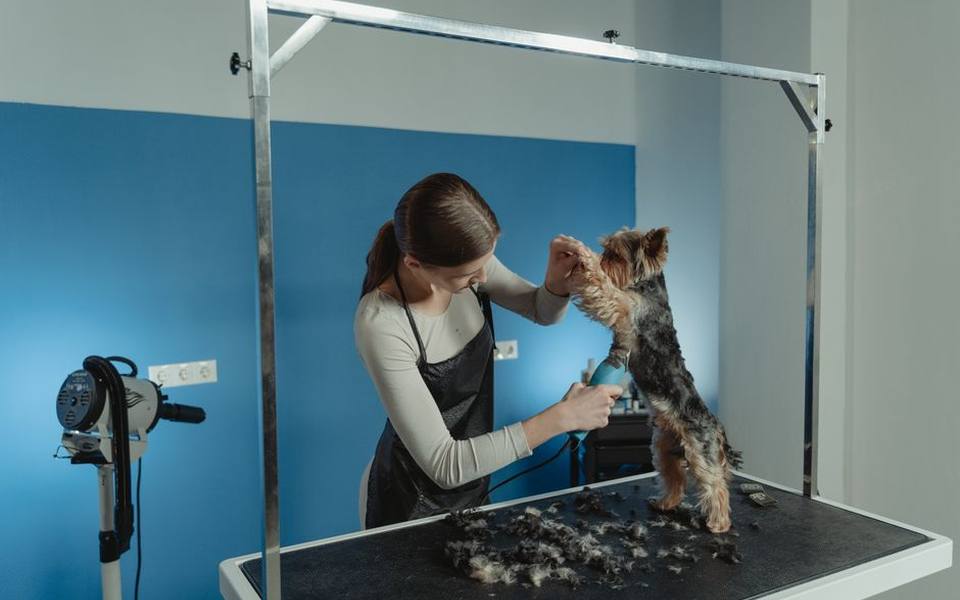
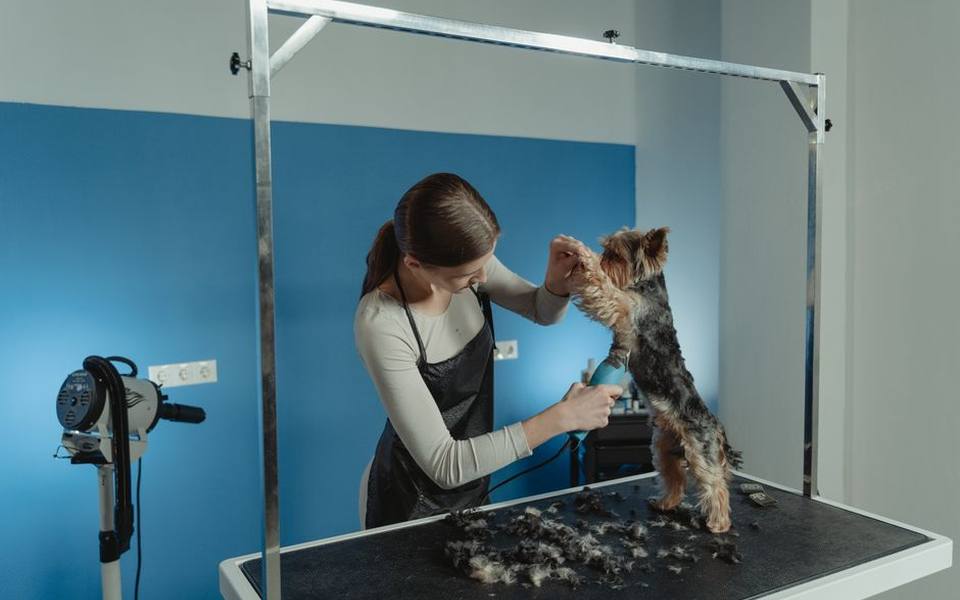
Understanding clipper anatomy helps demystify grooming prices and prevents painful home accidents. Professional clippers use detachable steel blades designated by numbers, alongside snap-on plastic or stainless-steel guard combs. Higher blade numbers cut hair closer to the skin, while guard combs slip over a standard short blade to leave lengths ranging from one-eighth of an inch to over an inch.
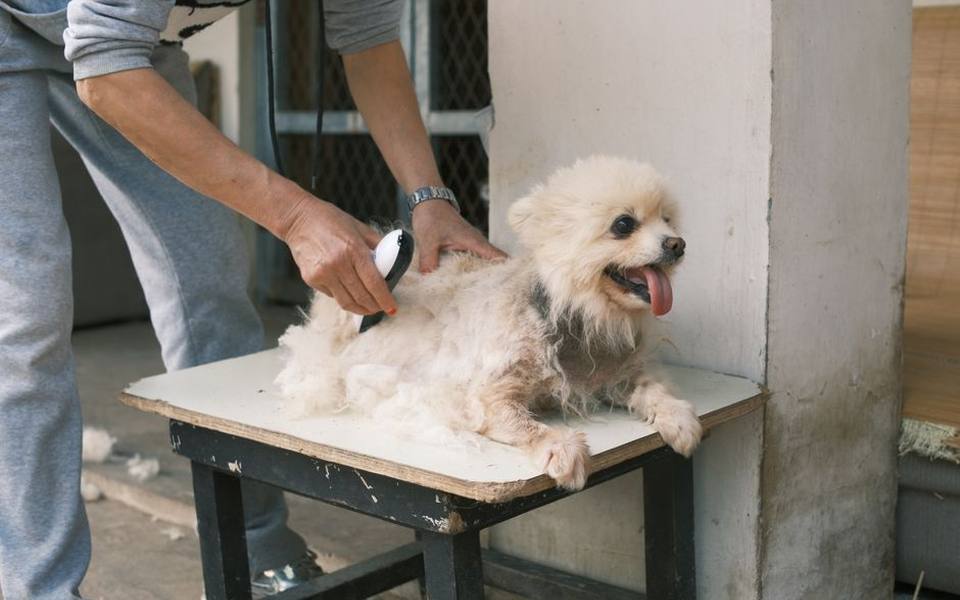
A #10 blade is the universal safety standard for sensitive areas like the sanitary zone, paw pads, and ear leather margins. Blades like a #7 or #5 cut hair short on the body while leaving enough barrier to prevent sunburn, but they require caution because skin folds can easily slip between their teeth. Steel clipper blades also heat up rapidly during friction; checking the metal against your forearm every few minutes prevents clipper burn.
Recognizing when a coat requires professional intervention is vital for canine safety. Tight mats that adhere directly to the skin should never be cut away with kitchen scissors, as skin gets pulled into the tangle and easily tears. When mats form tight plates across the hips or ears, a calm professional with specialized equipment must slowly shave underneath the matting using steady, low-vibration clippers.
Establishing a Sustainable Grooming Schedule
Maintaining any sculpted haircut requires a predictable calendar schedule. For fast-growing breeds like Poodles, Doodles, Shih Tzus, and Yorkies, a full groom is typically needed every four to eight weeks, depending on how short the coat was clipped. Leaving an active dog in a long teddy bear cut without trimming for three months almost always results in uncomfortable pelted matting.
Between full haircuts, an alternating schedule of interim touch-ups keeps the coat healthy. Scheduling a bath, blow-out, and sanitary tidy at the three-week mark resets the hygiene zones and cleans away accumulated dander. Between visits, five minutes of daily home line-brushing with a metal greyhound comb ensures that friction points under the collar, armpits, and groin remain free of emerging tangles.
For active pet owners dealing with spontaneous mud or messy park outings, visiting flexible 24-hour dog washes provides instant access to warm water and professional blowers without creating a mess at home. Whether you live near busy urban hubs or browse local spots like a California self-serve dog wash, incorporating specialized wash facilities into your pet's routine preserves their haircut and keeps their skin free of irritation year-round.
Published 2026-09-21 · reviewed with each rebuild, last September 2026.
Find self-serve dog washes near you
The directory lists 2,264 self-serve dog washes by state and city — pick your state or use the “Near me” button in the header.
More guides
-
 Money
MoneyUnderstanding the Costs of Grooming and Washing Your Dog
-
 Service
Canine Scent Gland Care: Symptoms, DIY Steps, and Professional Costs
-
 Money
MoneyDog Grooming Cost Breakdown: Salons, Mobile Vans, and Retail Chains
-
 Service
Dog Anal Gland Expression: How It Works, When It Is Needed, and Typical Costs
-
 Owning
Essential Dog Grooming Tools: Choosing Clippers, Shears, and Maintaining Blades
-
 Money
MoneyDog Teeth Cleaning Costs: Vet Anesthesia vs. Non-Anesthetic Options
-
 Service
How to Choose the Best Local Dog Groomer: What to Look For
-
 Service
Self-Service Dog Wash Guide: Locations, Pricing, and How It Works
-
 Owning
Complete Dog Anal Gland Care: How to Express, Symptoms, and Safe Techniques
-
 Service
Professional Dog Grooming and Self-Wash Stations: Comparing Costs, Services, and Formats
-
 Owning
Dog Nail Trimming and Grinding Guide: Clippers, Rotary Tools, and Safe At-Home Care
-
 Owning
Managing Dog Itchy Skin and Fleas: Medicated Baths, Shampoos, and Remedies
-
 Service
Complete Cat Grooming Guide: Bathing, Haircuts, Nail Trimming, and Mobile Care
-
 Owning
Dog Ear Cleaning and Flushing Solutions: Preventing Wax Build-Up and Infections
-
 Owning
Dog Anal Gland Care: Expression, Swollen Glands, and Hygiene Solutions
-
 Owning
Dog Blow Drying, Coat Coloring, and Waterless Grooming Essentials
-
 Owning
Essential Grooming Tools: Brushes, De-Matting, Odor Neutralizers, and Paw Care
-
 Owning
Canine Dental Hygiene Guide: Toothbrushes, Powders, and Tartar Control
-
 Owning
Complete Guide to Dog Training: Methods, Equipment, Classes, and Costs
-
 Owning
Ultimate Guide to Dog Haircut Styles by Breed: Puppy Cuts, Teddy Bear, and Lion Clips
-
 Owning
How to Treat Dog Itchy Skin and Allergies: Medications, Shampoos, and Home Remedies
-
 Safety
How to Trim Dog Nails Safely: Clippers vs Grinders and Techniques
-
 Service
Professional Dog Grooming Services: Costs, Salons, and At-Home Options
-
 Owning
Dog Dental Care Guide: Toothbrushes, Powders, and At-Home Cleaning
-
 Safety
Dog Ear Cleaning Solutions, Wax Buildup, and Infection Care Guide
-
 Owning
Choosing the Right Dog Shampoo for Dry Skin, Dandruff, Fleas, and Ticks
-
 Owning
Self-Serve Dog Wash Stations and Home Bathing Setup Guide
-
 Buying
Essential Professional Grooming Tools, Clippers, and Blade Care
-
 Owning
Dog Nail Trimming, Grinding, Polish, and Safe Hair Dye: A Practical Guide
-
 Service
Dog Haircuts and Breed Styling Guide: Popular Cuts, Trims, and Coat Care
-
 Service
Cat Grooming and Styling: Lion Cuts, Bathing, and Coat Care
-
 Owning
Dog Ear Care and Skunk Odor Removal: Cleaning, Wax, and Emergency Deodorizing
-
 Safety
Dog Flea Baths and Medicated Shampoos: OTC and Prescription Remedies
-
 Owning
Complete Guide to Raw Dog Food Nutrition and Diets
-
 Owning
Dog Birthday Cakes, Safe Treats, and Celebration Guide
-
 Service
Hiring a Dog Walker: Services, Rates, and Agency Options
-
 Service
Dog Breed Haircuts, Styling, and Coat Maintenance Guide