Why Consistent Oral Hygiene Matters for Dogs
Canine dental care directly influences a pet's systemic health and longevity. Within hours of eating, a soft film of bacteria, food particles, and saliva forms plaque across the enamel. If this layer remains undisturbed, minerals in the dog's saliva harden it into calculus or tartar within roughly forty-eight hours. Over time, progressive tartar accumulation creeps beneath the gumline, triggering gingivitis, tissue recession, bone loss, and severe oral discomfort that frequently goes unnoticed by owners.
A dog's mouth naturally hosts hundreds of bacterial strains. When periodontal inflammation takes hold, these oral microbes can enter the bloodstream through micro-ulcerations in the gums. Veterinary research links chronic oral infection to secondary strain on the kidneys, liver, and heart valves. Maintaining healthy enamel is not merely a cosmetic endeavor or a cure for bad breath; it is a fundamental pillar of preventative preventive wellness.
Implementing a regular hygiene routine prevents premature tooth extraction and chronic pain. Dogs instinctively hide dental distress to avoid showing vulnerability, meaning owners rarely witness obvious signs until damage is severe. Establishing an at-home habit allows you to inspect the oral cavity routinely, catch early swelling or fractured cusps, and keep systemic inflammation at bay throughout your dog's adult life.
Selecting the Proper Toothbrush for Your Dog
Finding an effective toothbrush for dogs teeth begins with matching the tool to the animal's muzzle shape and mouth anatomy. Human brushes often feature bristle patterns and rigid angles that can gouge canine gums. Specialized pet brushes typically showcase softer nylon bristles, angled necks that slip comfortably beneath the lips, and dual-head configurations designed to clean the interior and exterior surfaces of the crown simultaneously.
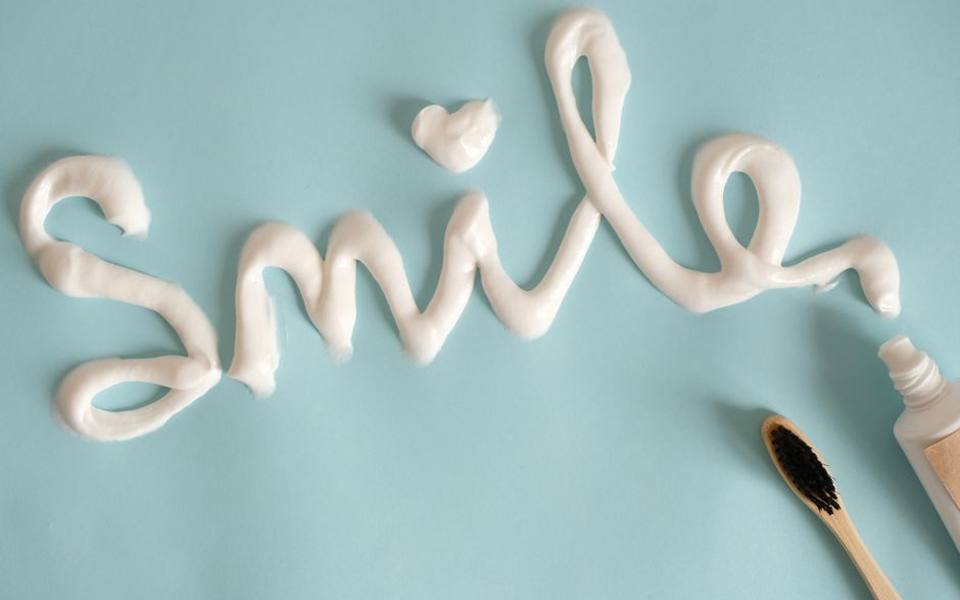
Finger-mounted caps made from flexible silicone or woven microfiber offer an accessible entry point for nervous pets. These slips slide directly over your index finger, providing tactile feedback so you can gauge how much pressure you apply against tender margins. While finger caps do an admirable job removing daily plaque from front incisors, their bulk can make it difficult to reach narrow spaces in dogs with tight lip folds or crowded dental arches.
Long-handled tools remain the gold standard for full-mouth maintenance. Brushes with triple heads wrap around the entire dental ridge, brushing the biting surface alongside both lateral borders in a single sweeping motion. For medium to giant breeds, choose a sturdy handle with a head size proportional to their premolars so you can work thoroughly without triggering an aggressive gag reflex.
Introducing Oral Care with a Small Puppy Toothbrush
Acclimating a young dog to mouth handling during their primary socialization window prevents behavioral battles later in life. A small puppy toothbrush features an ultra-compact head and extra-soft bristles designed specifically for delicate deciduous enamel and sensitive teething gums. Beginning early teaches the animal that lip lifting, cheek manipulation, and gentle brushing pressure are completely normal parts of the daily routine.
Puppies typically shed their twenty-eight needle-sharp deciduous teeth between four and seven months of age, making way for forty-two permanent adult teeth. During this transition, gums become swollen and prone to minor bleeding. Brushing during teething should focus on gentle familiarity rather than aggressive scrubbing. Using a damp silicone brush with palatable, poultry-flavored paste keeps the experience rewarding without irritating sore tissues.
Start by lifting the puppy's lips for five seconds, offering praise, and touching the outer teeth with a moistened finger before ever introducing the brush. Once the pup accepts mouth touches comfortably, introduce the soft brush for short sessions of ten to twenty seconds. Building positive associations in puppyhood ensures you will not struggle to maintain oral hygiene when the dog reaches full physical strength.
Accessing and Cleaning Dog Back Teeth
The highest concentration of calculus consistently accumulates on dog back teeth, specifically the upper fourth premolars and lower first molars. These heavy shearing teeth sit adjacent to the parotid salivary duct openings, which constantly bathe the enamel in mineral-rich fluid that accelerates tartar formation. Neglecting these deep posterior areas is the most common reason dogs still develop periodontal disease despite regular front-of-mouth brushing.
Reaching these posterior regions requires technique rather than force. Avoid prying the dog's jaws wide open, as this causes stress and prompts resisting head turns. Instead, keep the mouth closed, slide your index finger or a slim brush handle inside the corner of the lip, and pull the cheek gently backward toward the ear. This natural pocket exposes the outer surfaces of the upper and lower molars with minimal struggle.
Focus your brushing efforts primarily on the outer, buccal side of these back molars. The dog's tongue moves constantly against the inner, lingual surfaces, naturally helping keep the interior clean. Circular or sweeping vertical strokes along the gumline of the back molars dislodge debris before it solidifies into heavy brown calculus crusts.
Dental Chews and Textured Brushing Toys
Chewing provides natural mechanical friction that supplements manual cleaning. Commercial products like the Milk-Bone brush and chew leverage specific structural textures that allow teeth to sink deep into the matrix before breaking, scraping plaque from the crown. These edible items contain starches and natural fibers formulated to break down safely in the stomach while polishing the enamel during the chewing process.
Molded rubber or nylon chews, including the textured bristly toothbrush style toys, encourage active self-cleaning through play. These items feature raised nubs, ridges, and interior grooves where owners can insert pet-safe paste. As the dog grips the toy between their paws and gnaws, the rubber bristles compress along the dental surfaces, scrubbing off soft plaque from the molars and canines.
While chews and dental toys provide undeniable mechanical advantages, they should never completely replace a manual toothbrush. Dogs tend to chew primarily with one preferred side of their jaw, leaving contralateral teeth uncleaned. Furthermore, aggressive chewers can fracture premolars on toys that lack adequate flex, so always ensure textured toys yield slightly under thumbnail pressure.
Enzymatic Pastes and Dog Teeth Cleaning Powder
Chemical and biological plaque control products support the physical scrubbing of bristles. Enzymatic canine toothpastes harness natural glucose oxidase and lactoperoxidase, which activate in saliva to generate antibacterial compounds that inhibit plaque-forming pathogens. Unlike human dentifrice, canine enzymatic formulas do not foam, require no rinsing, and are safe to swallow in modest daily amounts.
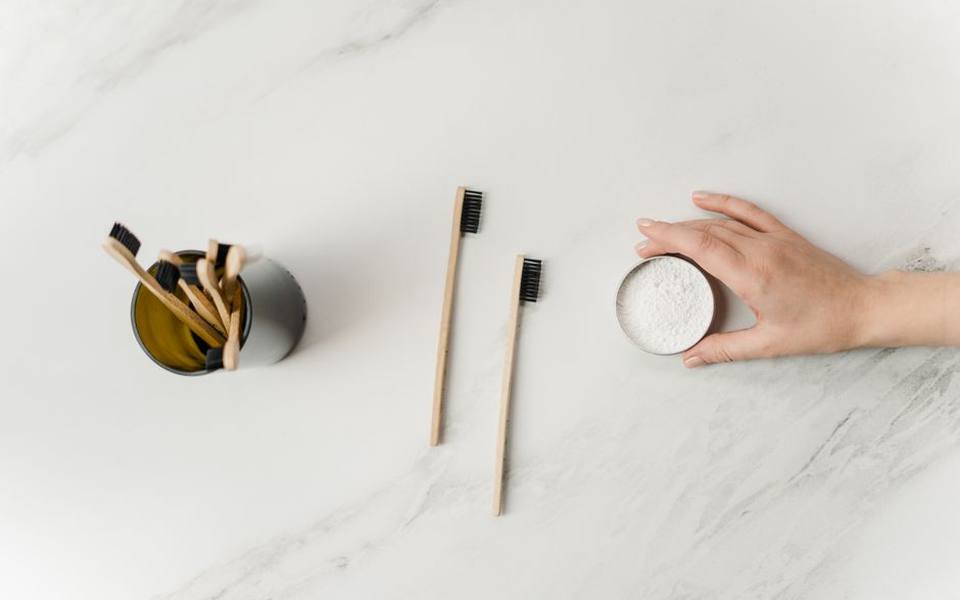
Another effective supplement is dog teeth cleaning powder, typically formulated from specially harvested brown kelp such as Ascophyllum nodosum. When ingested with regular food, the bioactive compounds within the seaweed are absorbed into the bloodstream and secreted via saliva. Over several weeks, this natural biochemical shift breaks down the structural integrity of existing tartar, softening hard calculus so it flakes away during meals.
Probiotic powders designed for canine oral health introduce beneficial bacterial colonies that compete with odor-causing and bone-degrading microbes. Adding these powders to meals alters the oral microbiome, curbing halitosis and slowing down plaque deposition. Combining a daily dietary powder with physical brushing provides a comprehensive dual-defense strategy against chronic dental decay.
Natural Remedies and Using Coconut Oil
Many pet parents explore natural home solutions to support their dog's oral care routine. Using organic, unrefined coconut oil for dogs teeth has gained significant popularity due to its high concentration of lauric acid. Lauric acid exhibits documented antimicrobial and anti-inflammatory properties, which can help calm mildly irritated gum tissue and reduce the population of harmful oral bacteria responsible for bad breath.
Applying coconut oil is simple and generally well-received by dogs because of its pleasant, mildly sweet taste. You can use a small dab on a soft-bristled brush or a finger wrap, massaging it directly onto the teeth and along the gum margins. The oily consistency acts as a gentle lubricant that helps lift uncalcified food particles while soothing superficial tissue irritation.
Despite its benefits, coconut oil must be used in moderation. It is calorie-dense and rich in saturated fats, which can trigger digestive upset or exacerbate pancreatitis in sensitive breeds if given in large quantities. Avoid abrasive home concoctions like baking soda, table salt, or acidic lemon washes; these damage delicate enamel, disrupt digestive pH, and can cause sodium toxicity if swallowed.
Establishing an At-Home Brushing Routine
Consistency is far more critical than session duration when cleaning dogs teeth. Plaque hardens into immovable calculus quickly, meaning a short two-minute session three to five times per week is vastly superior to an exhaustive monthly scrubbing. Pick a quiet, low-stress time of day when your dog is relaxed, such as after an evening walk or dinner.
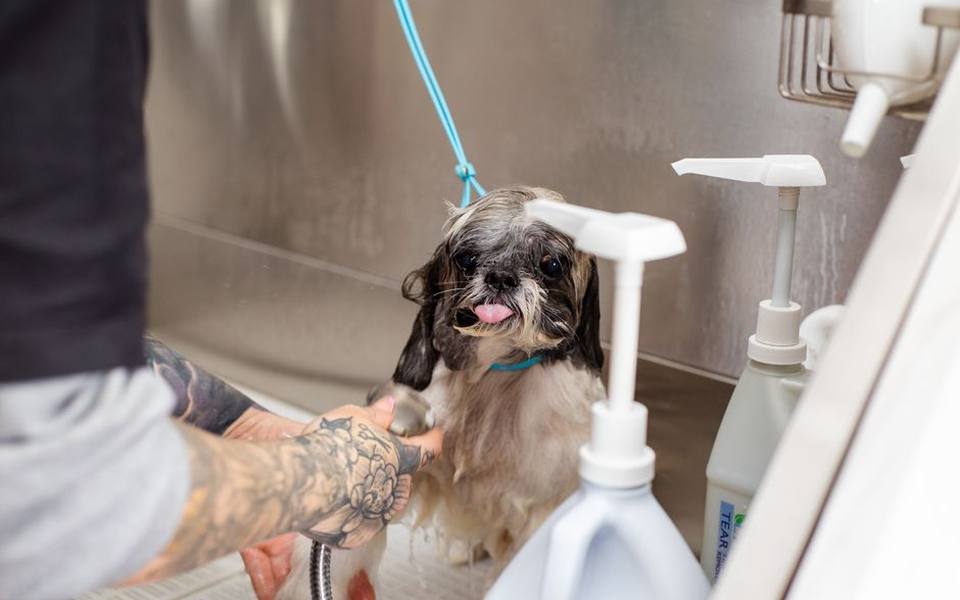
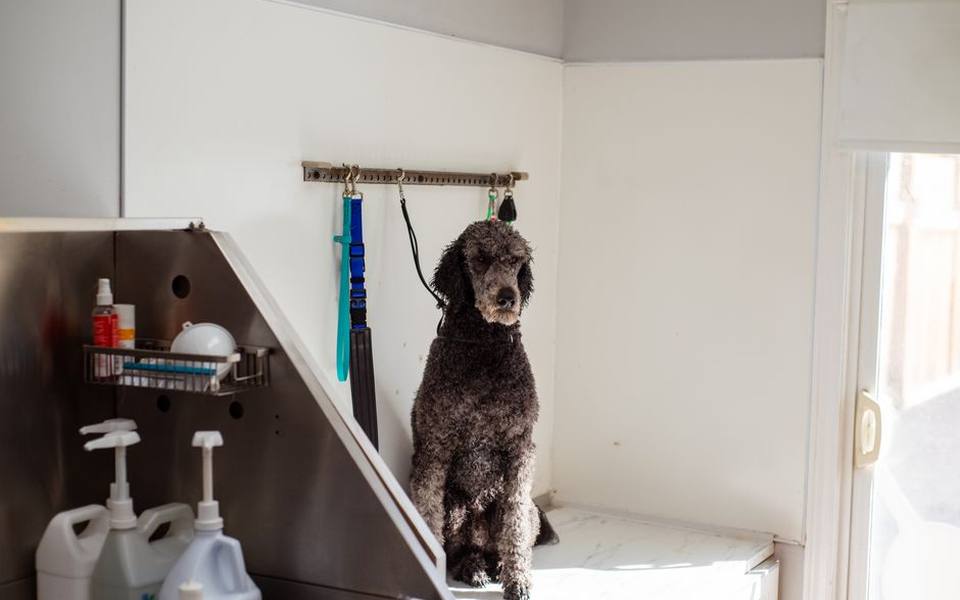
Many owners find it convenient to merge dental maintenance with their general grooming habits. When visiting self-service dog wash stations, the raised tubs and secure tethers create a calm, controlled environment perfect for handling paws and checking teeth. Tackling oral care right alongside coat brushing and dog nail trimming & grinding solidifies grooming as a normal, predictable routine.
End every brushing session on an encouraging note, regardless of how cooperative the dog was. Offer enthusiastic praise, play a favorite game, or provide a dental chew as an immediate reward. With patience, predictable repetition, and positive reinforcement, most dogs grow to tolerate or even welcome their daily dental sessions.
When Professional Dental Cleaning Is Necessary
At-home maintenance slows plaque accumulation, but it cannot reverse established periodontal disease or remove calcified tartar beneath the gumline. A veterinary professional dental cleaning for dogs is required once hard calculus bridges form across teeth, or when you notice persistent redness, loose crowns, bleeding gums, or foul oral odor. Home brushing merely preserves oral hygiene; it cannot cure established pathology.
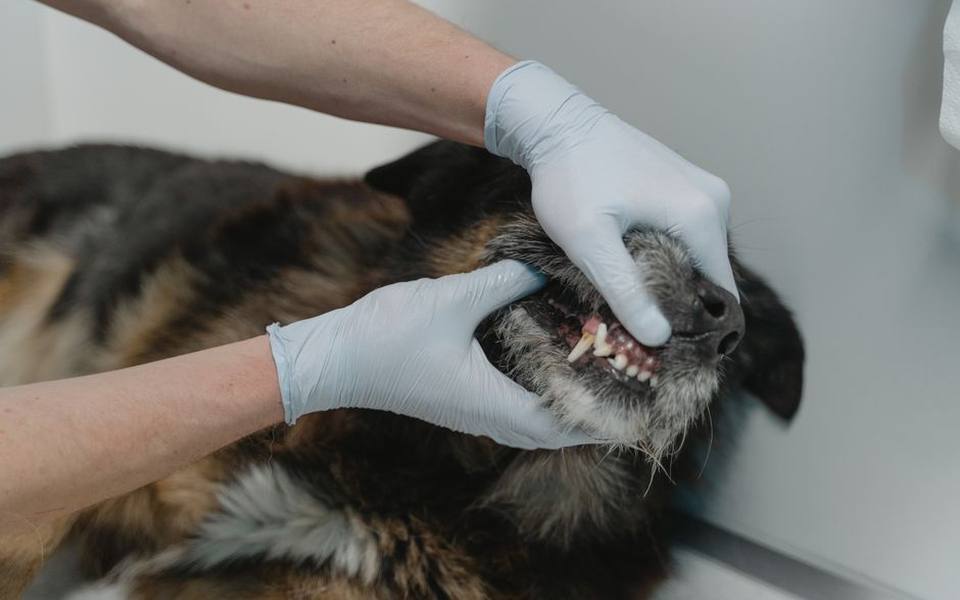
A true dog teeth cleaning professional procedure involves general anesthesia, full-mouth dental radiographs, subgingival scaling, and high-speed polishing. Full intraoral X-rays are critical because more than half of each tooth structure sits invisible below the alveolar bone. Subgingival scaling cleans out deep periodontal pockets where bone loss occurs, an impossible task on a conscious, squirming animal.
Non-anesthetic or cosmetic dental scraping offered at some pet salons only removes visible calculus above the gumline to improve visual appearance. Veterinary dental colleges strongly advise against cosmetic scraping because it leaves subgingival pathogens untouched, creates microscopic enamel scratches that accelerate future plaque adhesion, and carries a high risk of mouth injury if the pet flinches.
Integrating Dental Wellness with Total Body Care
Oral hygiene should never exist in isolation; it functions as an essential part of an integrated, full-body canine care routine. Taking time to inspect your dog's mouth pairs naturally with inspecting their coat, cleaning out ear folds, and checking paw pads for cracks or foreign debris. When all maintenance tasks run on a predictable schedule, your dog develops an easy familiarity with physical handling.
Whether you manage care at home or take advantage of public self-serve stations where walk-ins welcome setups make routine hygiene stress-free, consistency protects your wallet. Routine home maintenance dramatically lowers the frequency of costly surgical dental extractions, which routinely cost hundreds or even thousands of dollars depending on the severity of periodontal damage.
Prioritizing your dog's mouth ensures they enjoy pain-free chewing, fresh breath, and protected internal organs well into their senior years. By combining ergonomic toothbrushes, proven supplements like kelp powders, safe chewing outlets, and routine veterinary examinations, you establish a reliable foundation for lifelong canine health.
Published 2026-09-21 · reviewed with each rebuild, last September 2026.
Find self-serve dog washes near you
The directory lists 2,264 self-serve dog washes by state and city — pick your state or use the “Near me” button in the header.
More guides
-
 Money
MoneyUnderstanding the Costs of Grooming and Washing Your Dog
-
 Service
Canine Scent Gland Care: Symptoms, DIY Steps, and Professional Costs
-
 Money
MoneyDog Grooming Cost Breakdown: Salons, Mobile Vans, and Retail Chains
-
 Service
Dog Anal Gland Expression: How It Works, When It Is Needed, and Typical Costs
-
 Owning
Essential Dog Grooming Tools: Choosing Clippers, Shears, and Maintaining Blades
-
 Money
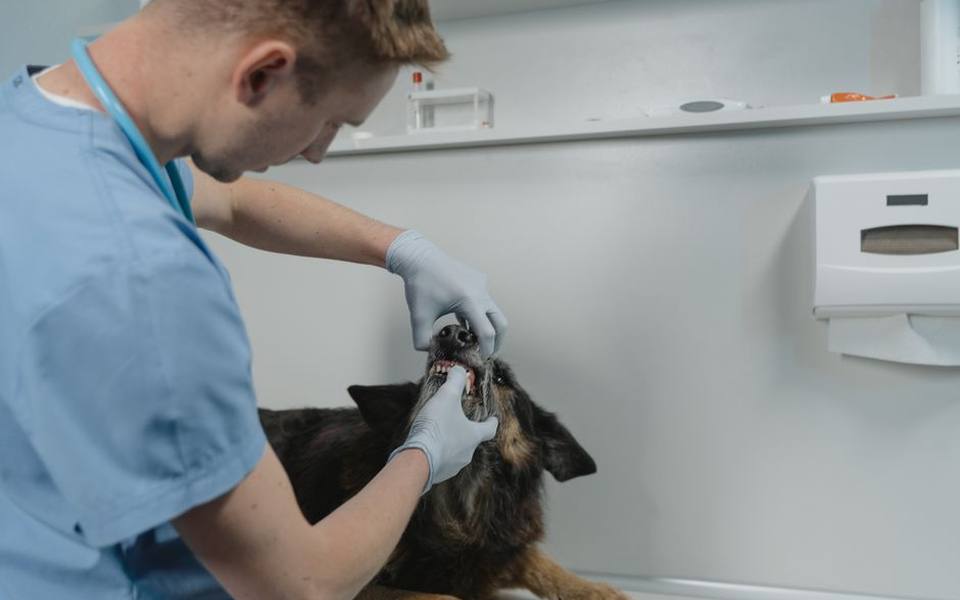
MoneyDog Teeth Cleaning Costs: Vet Anesthesia vs. Non-Anesthetic Options
-
 Service
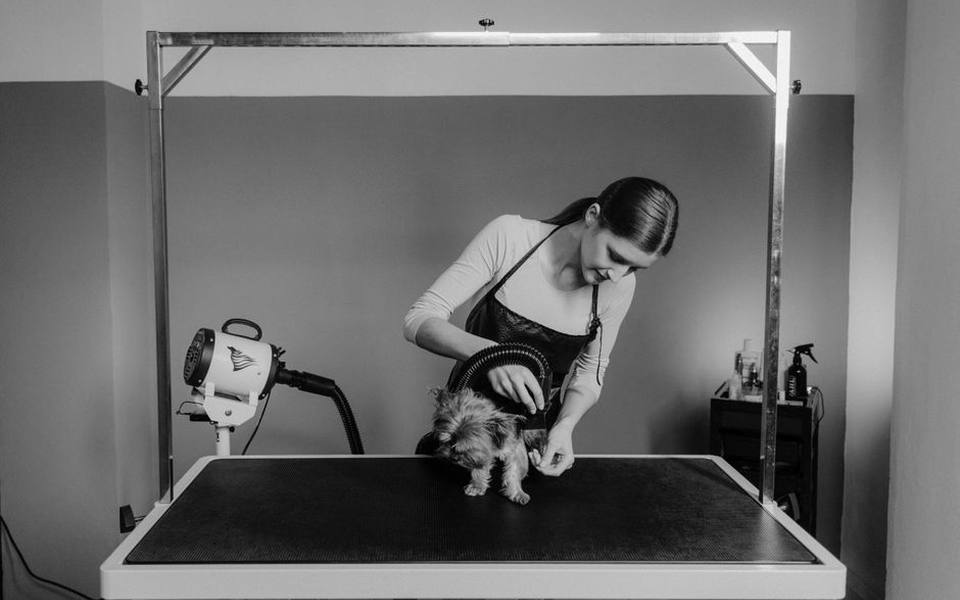
How to Choose the Best Local Dog Groomer: What to Look For
-
 Service
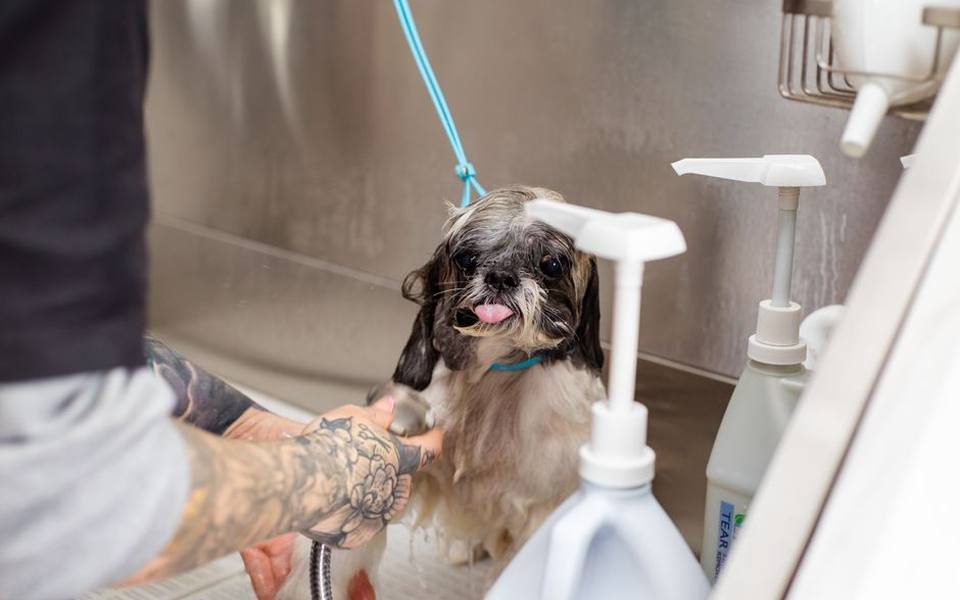
Self-Service Dog Wash Guide: Locations, Pricing, and How It Works
-
 Owning
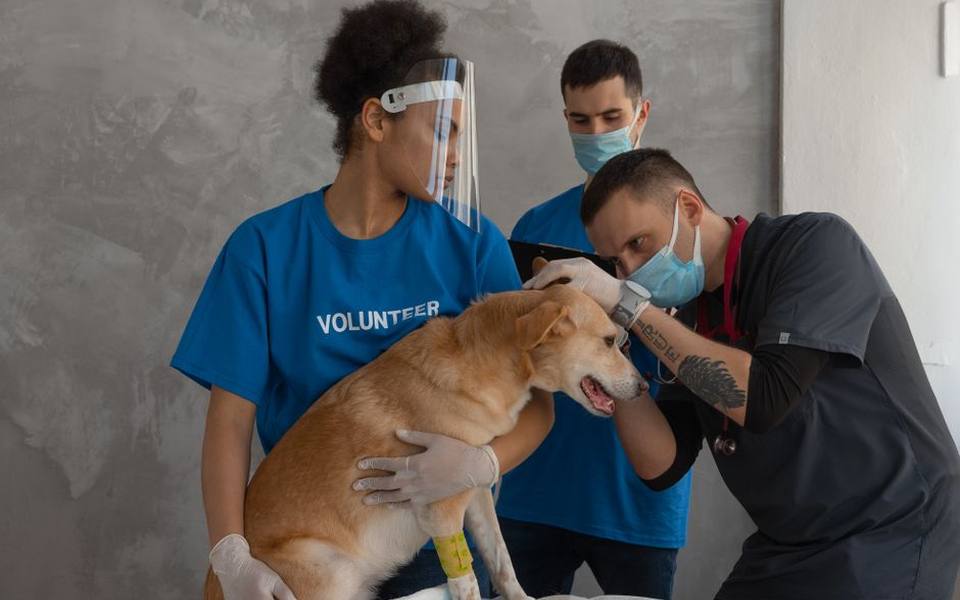
Complete Dog Anal Gland Care: How to Express, Symptoms, and Safe Techniques
-
 Service
Professional Dog Grooming and Self-Wash Stations: Comparing Costs, Services, and Formats
-
 Owning
Dog Nail Trimming and Grinding Guide: Clippers, Rotary Tools, and Safe At-Home Care
-
 Service
Popular Dog Haircut Styles: Breed Cuts, Teddy Bear Trims, and Styling Rules
-
 Owning
Managing Dog Itchy Skin and Fleas: Medicated Baths, Shampoos, and Remedies
-
 Service
Complete Cat Grooming Guide: Bathing, Haircuts, Nail Trimming, and Mobile Care
-
 Owning
Dog Ear Cleaning and Flushing Solutions: Preventing Wax Build-Up and Infections
-
 Owning
Dog Anal Gland Care: Expression, Swollen Glands, and Hygiene Solutions
-
 Owning
Dog Blow Drying, Coat Coloring, and Waterless Grooming Essentials
-
 Owning
Essential Grooming Tools: Brushes, De-Matting, Odor Neutralizers, and Paw Care
-
 Owning
Canine Dental Hygiene Guide: Toothbrushes, Powders, and Tartar Control
-
 Owning
Complete Guide to Dog Training: Methods, Equipment, Classes, and Costs
-
 Owning
Ultimate Guide to Dog Haircut Styles by Breed: Puppy Cuts, Teddy Bear, and Lion Clips
-
 Owning
How to Treat Dog Itchy Skin and Allergies: Medications, Shampoos, and Home Remedies
-
 Safety
How to Trim Dog Nails Safely: Clippers vs Grinders and Techniques
-
 Service
Professional Dog Grooming Services: Costs, Salons, and At-Home Options
-
 Safety
Dog Ear Cleaning Solutions, Wax Buildup, and Infection Care Guide
-
 Owning
Choosing the Right Dog Shampoo for Dry Skin, Dandruff, Fleas, and Ticks
-
 Owning
Self-Serve Dog Wash Stations and Home Bathing Setup Guide
-
 Buying
Essential Professional Grooming Tools, Clippers, and Blade Care
-
 Owning
Dog Nail Trimming, Grinding, Polish, and Safe Hair Dye: A Practical Guide
-
 Service
Dog Haircuts and Breed Styling Guide: Popular Cuts, Trims, and Coat Care
-
 Service
Cat Grooming and Styling: Lion Cuts, Bathing, and Coat Care
-
 Owning
Dog Ear Care and Skunk Odor Removal: Cleaning, Wax, and Emergency Deodorizing
-
 Safety
Dog Flea Baths and Medicated Shampoos: OTC and Prescription Remedies
-
 Owning
Complete Guide to Raw Dog Food Nutrition and Diets
-
 Owning
Dog Birthday Cakes, Safe Treats, and Celebration Guide
-
 Service
Hiring a Dog Walker: Services, Rates, and Agency Options
-
 Service
Dog Breed Haircuts, Styling, and Coat Maintenance Guide