The First Crucial Steps After a Dog Gets Skunked
If your dog runs inside smelling like burnt rubber and rotten garlic, you are dealing with a direct hit from a skunk. The first rule is simple: do not hose your dog down immediately with plain water. Skunk spray is an oily mixture rich in sulfur-containing compounds called thiols. Because thiols are hydrophobic, plain water repels them across the fur, allowing the oils to bond deeper into the hair shafts and skin. Hosing down an untreated dog often sets the odor permanently.
Keep your pet outside or confined in an uncarpeted area while you inspect them. Skunks usually aim for the face, so check your dog's eyes for redness, tearing, or swelling. Skunk secretions act like mild tear gas and can cause temporary blindness, nausea, or corneal irritation. If their eyes are watering profusely, flush them immediately with standard saline solution or lukewarm water before dealing with the coat.
Once your dog is contained and their eyes are rinsed, assess where the spray concentrated. You will notice yellow, oily residue on the fur, usually around the muzzle, chest, neck, or shoulders. Spotting these concentration points allows you to focus your initial cleaning efforts directly where the oily thiols are concentrated, rather than spreading the contaminant across unaffected areas like the paws or lower back.
The Proven Chemical Wash for Neutralizing Skunk Spray
Old remedies like tomato juice or scented shampoos merely mask the smell, leaving you with a dog that smells like rotten soup within twenty-four hours. Real skunk odor removal for dogs relies on a chemical reaction that oxidizes volatile thiols into virtually odorless sulfonates. The classic mixture, developed by chemist Paul Krebaum, consists of one quart of fresh three percent hydrogen peroxide, one-quarter cup of baking soda, and one teaspoon of liquid dishwashing soap.
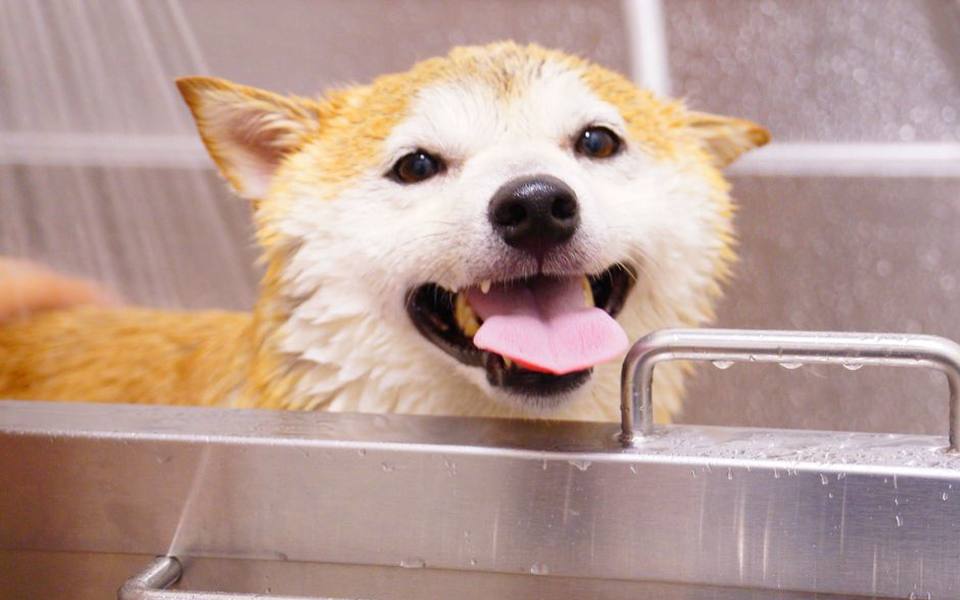
Mix the ingredients in an open bowl or bucket immediately before application; never store this mixture in a closed bottle because the released oxygen gas can burst the container. Work the foaming liquid thoroughly into your dog's dry coat, paying special attention to the neck and face while taking great care to keep it out of the eyes, nose, and mouth. Allow the lather to sit on the fur for about ten to fifteen minutes so the chemical reaction can break down the sulfur bonds.
Rinse the dog thoroughly with warm water, and repeat the application if a faint scent remains around the collar or muzzle. Note that hydrogen peroxide can slightly bleach dark coats if left on too long, though this cosmetic change is harmless compared to living with skunk odor. After rinsing the mixture completely, finish with a standard pet shampoo to restore moisture to the skin and strip any remaining oily film.
Eliminating Lingering Skunk Smell from the Home
When an affected dog runs through the house before you can stop them, the oily aerosol quickly attaches to carpets, upholstery, drapery, and walls. Effective skunk smell removal from house surfaces requires a multi-step approach involving heavy ventilation, direct surface cleaning, and ambient odor absorption. Open windows across opposite sides of the building and run exhaust fans to establish cross-ventilation, pushing airborne thiols out before they settle into porous drywall and fabrics.
Wash all exposed slipcovers, bedding, and throw pillows in the hottest water the fabric tags allow, adding a cup of baking soda or specialized laundry additive to the detergent cycle. For carpets and soft upholstery, apply a baking soda dusting, let it sit overnight to absorb surface grease, and vacuum thoroughly the next morning. Hard floors, baseboards, and walls where the dog rubbed can be wiped down with a mixture of warm water and grease-cutting dish detergent.
For lingering airborne pungency, choose an enzymatic or oxidizing skunk odor remover for house air treatment rather than perfumed room sprays. Perfumes only blend with sulfur compounds to create a nauseating combined stench. Placing shallow bowls of white vinegar or activated charcoal throughout affected rooms will continuously trap ambient sulfur molecules over several days until the indoor environment returns to baseline.
Containing the Mess at a Dedicated Wash Facility
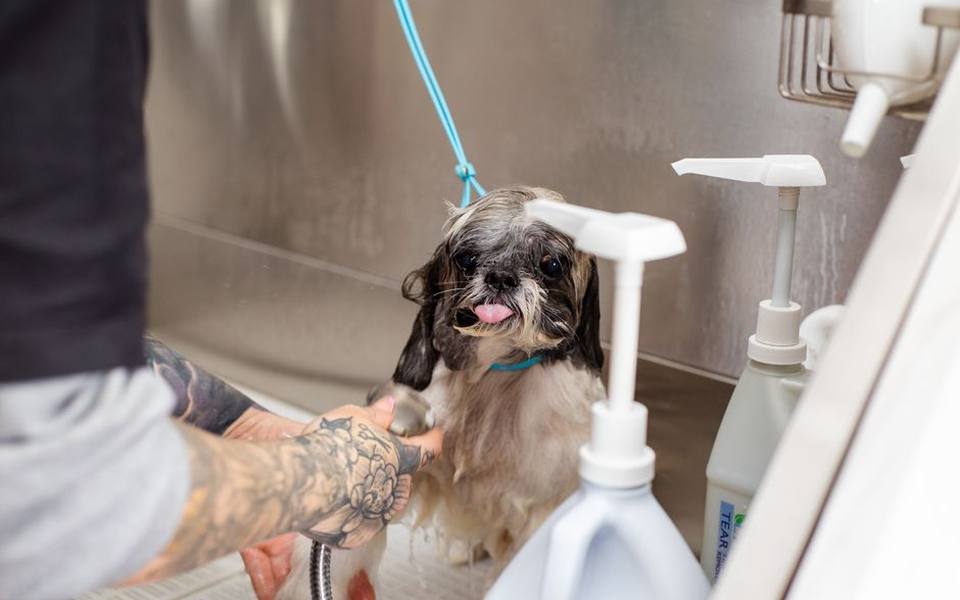
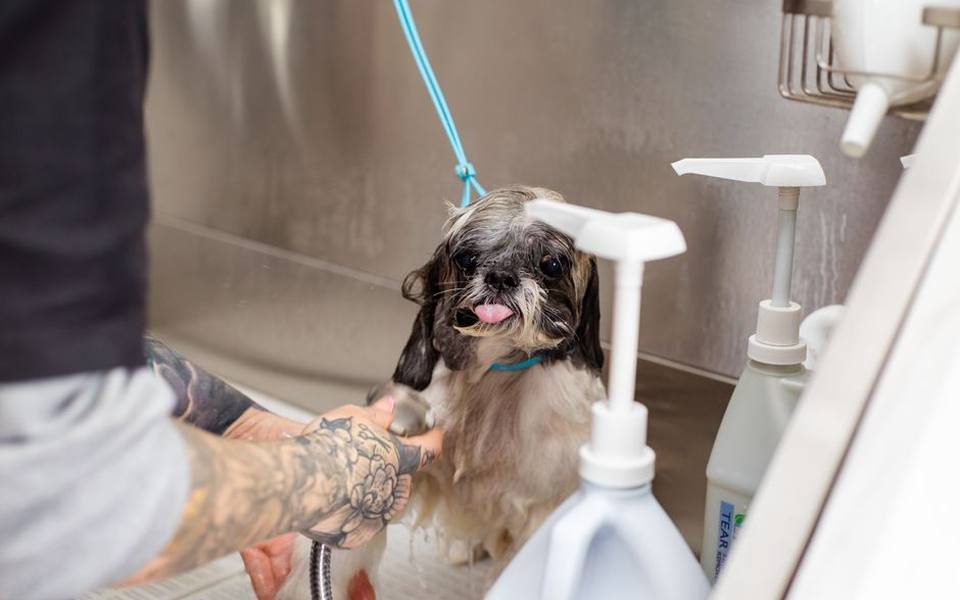
Deodorizing an agitated, sprayed dog inside your residential bathroom often transfers the persistent yellow oils into grout, plastic tubs, and shower curtains. Many pet owners find that bringing their dog to self-service dog wash stations eliminates indoor mess while providing commercial-grade drainage, elevated tubs, and high-velocity air blowers that prevent your home from absorbing the odor.
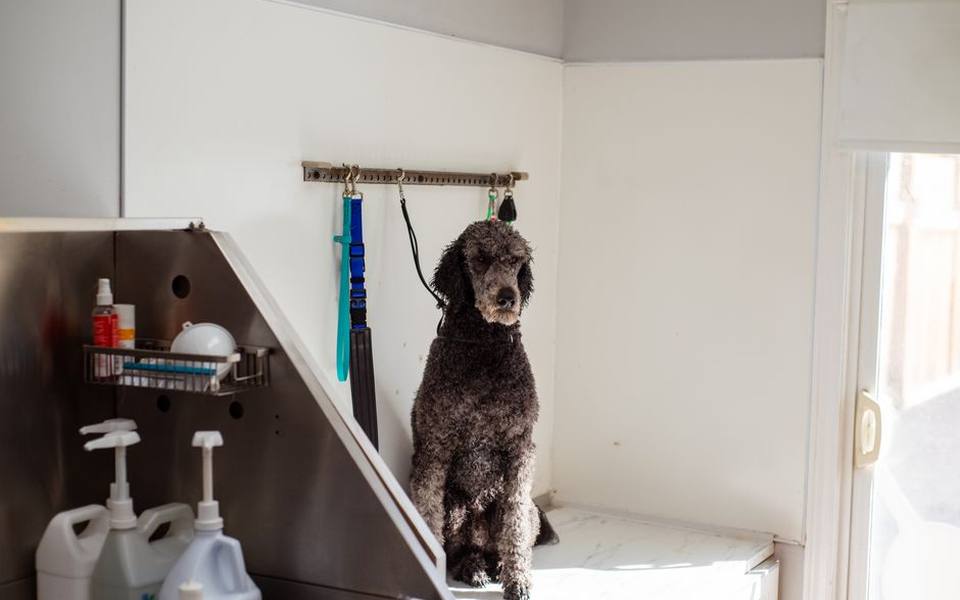
Because skunks are nocturnal foragers, encounters frequently occur late in the evening or before dawn during routine bathroom breaks. Scouting nearby 24-hour dog washes ensures you have an immediate destination equipped with elevated sprayers and warm water, sparing you from cleaning a greasy bathroom at two in the morning. These stations typically feature tether systems that keep your pet secure while you massage the deodorizing formula through thick undercoats.
When transporting a sprayed dog to a public facility, line your vehicle seats and floorboards with old blankets or plastic drop cloths to protect car upholstery. Bring your prepared open-container mixture or buy professional neutralizing washes available at the facility. High-velocity warm air dryers at these stations blow out loosened undercoat fur, which carries significant lingering odor, ensuring your dog returns home dry, clean, and substantially deodorized.
Recognizing Normal Dog Ear Wax versus Ear Infections
While emergency odors demand urgent attention, daily hygiene requires understanding baseline anatomy, particularly inside the ear canal. Normal dog ear wax typically appears as a light tan or pale yellow discharge that is sparse, odorless, and soft. Canine ears naturally produce secretions to trap dust, pollen, and debris, slowly moving particles outward toward the pinna through regular jaw movements and ear twitches.
Problems emerge when that natural balance tips toward an overgrowth of yeast or bacteria, altering the color, texture, and smell of the secretions. Dark brown or black discharge resembling coffee grounds usually suggests ear mites, while moist, yellowish-green pus paired with heat and swelling points toward a bacterial infection. A pungent, sweet, or bread-like smell almost universally indicates an active yeast infection that will not clear without targeted medication.
Inspect your dog's ears once a week by gently lifting the ear flap in good lighting. If the inner skin looks pale pink, smooth, and feels cool to the touch, routine maintenance is sufficient. However, if you see significant redness, crusting, or notice your dog shaking their head relentlessly or whimpering when touched, you are dealing with medical inflammation rather than simple wax accumulation.
Choosing the Right Ear Cleaning Formulas
The market offers hundreds of ear treatments, but using the correct category of cleaner makes all the difference between healthy canals and chronic irritation. A quality veterinary approved ear cleaner typically contains mild ceruminolytic agents that dissolve stubborn wax plugs, paired with gentle drying compounds like benzoic or malic acid. These formulas maintain the ear's naturally acidic pH, which discourages microbial colonization without stripping delicate epidermal tissue.
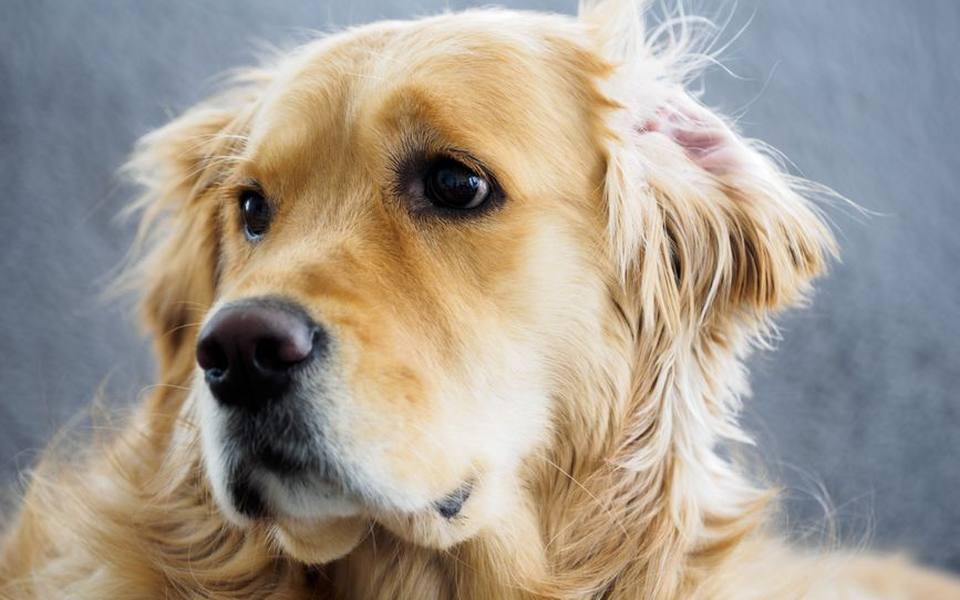
Over-the-counter options labeled broadly as a pet ear wash vary widely in quality and purpose. Daily maintenance washes are formulated for gentle flushing, whereas a dedicated veterinary ear cleaner for dogs often incorporates antimicrobial ingredients like chlorhexidine or ketoconazole to manage recurring yeast or bacterial flares. Always review labels to ensure the formula does not contain high concentrations of unbuffered alcohol, which causes severe stinging if micro-scratches exist.
If you regularly take your dog swimming or bathe them at local facilities, selecting a drying wash is critical. Moisture trapped within a dog's deep, L-shaped horizontal ear canal creates an ideal breeding ground for fungal growth. Applying an approved astringent-drying flush after water exposure helps evaporate remaining moisture droplets before opportunistic pathogens multiply inside the warm canal.
The Realities and Risks of Home Remedies and Witch Hazel
Many pet parents turn to kitchen staples when trying a diy clean dog ears method, but home concoctions often cause more harm than good. Pure vinegar, hydrogen peroxide, and tap water should never be poured into a canine ear canal. Peroxide bubbles aggressively and leaves moisture behind, while straight vinegar burns raw or irritated canal walls, causing intense pain that makes the dog head-shy during future grooming sessions.
Using witch hazel dog ear wipes or washes is another popular alternative, but caution is warranted. Witch hazel contains natural tannins that act as a mild astringent, tightening tissue and drying superficial moisture. While witch hazel dog's ears treatments can be safely applied with a pad to clean the outer flap, commercial preparations sold for humans frequently contain fourteen percent alcohol by volume, which stings irritated or abraded tissues severely.
If you choose an astringent wipe containing witch hazel, verify that it is an alcohol-free, pet-specific formulation used solely on the outer leather of the ear. Never pour raw witch hazel extracts directly down into the canal. When in doubt, a commercial cleanser engineered specifically for canine pH and ear anatomy remains substantially safer than any homemade concoction.
A Safe Step-by-Step Ear Cleaning Routine
Cleaning a dog's ears correctly requires patience, the proper supplies, and an understanding of the canine L-shaped canal. Gather your veterinary cleanser, plenty of soft cotton rounds, and high-value treats before you begin. Never use cotton-tipped swabs inside the canal; swabs act like miniature plungers, ramming wax and discharge deeper against the delicate eardrum while risking physical perforation if the dog jerks unexpectedly.
Gently tilt your dog's head and squeeze enough liquid cleaner into the opening until you can see the fluid level rise near the entrance. Do not worry about overfilling, as the fluid must reach the horizontal canal to dissolve deep wax deposits. Immediately place your thumb and index finger at the base of the ear just below the opening, where you will feel cartilage, and massage firmly for thirty seconds. You should hear an audible squishing sound as the liquid loosens debris.
Release the dog's head and step back, allowing them to shake vigorously. This natural head-shaking action forces loosened wax, dead skin cells, and excess liquid up from the deep horizontal canal into the outer ear flap. Take a clean cotton ball or gauze square and gently wipe away the expelled grime from the crevices of the outer pinna, rewarding your pet generously with treats afterward.
Knowing When to Seek Veterinary Intervention
Routine hygiene and skunk decontamination can both be handled at home or at self-serve dog wash stations, but certain warning signs necessitate immediate medical evaluation. If your dog exhibits a head tilt, loss of balance, rapid eye flicking, or cries in agony when their ear base is touched, avoid all cleansers and visit a veterinarian. These symptoms can indicate a ruptured tympanic membrane or an inner ear condition where liquids could cause permanent neurological damage.
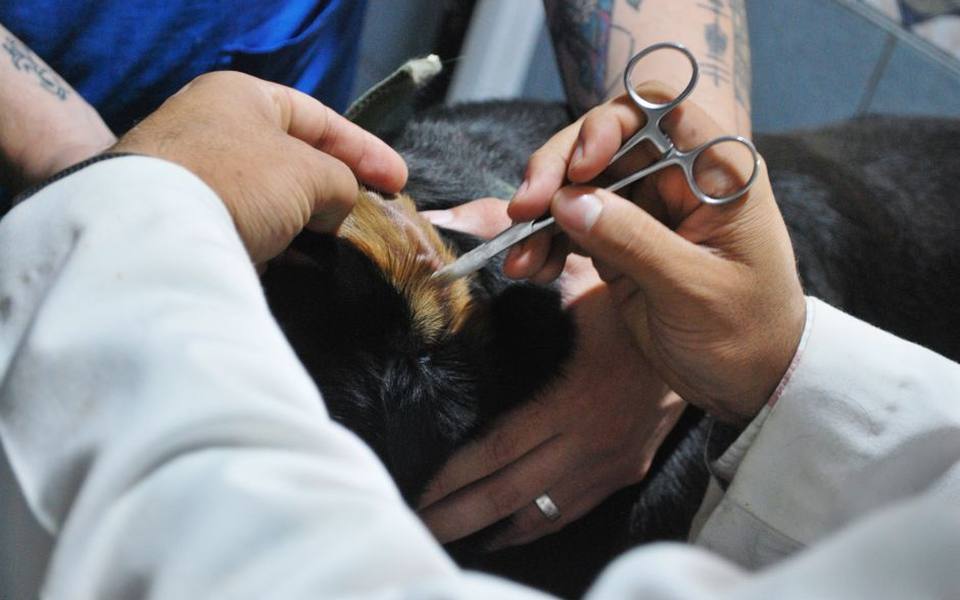
Similarly, skunk spray can sometimes cause serious systemic complications. If a dog swallows or inhales significant amounts of concentrated skunk musk, the thiols can induce severe oxidative damage to red blood cells, potentially leading to Heinz body anemia. While uncommon, symptoms like lethargy, pale or jaundiced gums, brown-tinted urine, or repeated vomiting after a direct spray require prompt veterinary blood work and observation.
Groomers can also be an invaluable resource for physical maintenance when home sessions prove overwhelming. While visiting facilities for standard hygiene care, you can often combine services like dog nail trimming & grinding with ear maintenance, letting trained staff inspect canal health while your dog remains safely restrained in a calm, professional grooming setup.
Building a Low-Stress Preventative Grooming Habit
Preventing severe ear infections and handling sudden grooming emergencies comes down to positive conditioning and consistency. Dogs that are accustomed to having their paws touched, their ear flaps lifted, and their coats lathered will handle the stress of unexpected incidents—like skunk spray or seasonal ear flare-ups—with far less anxiety and resistance.
Incorporate quick physical checks into your weekly routine. Touch the ears, check between paw pads, and inspect the teeth during relaxed evening sessions on the couch, always reinforcing calm behavior with praise. When you notice slight dirt build-up, a quick trip to neighborhood walk-in dog washes lets you handle routine bathing without turning your home bathroom into a battleground of wet towels and slippery floors.
By keeping a skunk emergency kit—unopened peroxide, baking soda, and dish soap—stocked alongside a trusted canine ear wash, you prepare your household for unpredictable outdoor mishaps. A consistent, calm approach to canine hygiene protects your dog's skin, shields their hearing, and keeps your living environment fresh regardless of what your dog explores in the yard.
Published 2026-09-21 · reviewed with each rebuild, last September 2026.
Find self-serve dog washes near you
The directory lists 2,264 self-serve dog washes by state and city — pick your state or use the “Near me” button in the header.
More guides
-
 Money
MoneyUnderstanding the Costs of Grooming and Washing Your Dog
-
 Service
Canine Scent Gland Care: Symptoms, DIY Steps, and Professional Costs
-
 Money
MoneyDog Grooming Cost Breakdown: Salons, Mobile Vans, and Retail Chains
-
 Service
Dog Anal Gland Expression: How It Works, When It Is Needed, and Typical Costs
-
 Owning
Essential Dog Grooming Tools: Choosing Clippers, Shears, and Maintaining Blades
-
 Money
MoneyDog Teeth Cleaning Costs: Vet Anesthesia vs. Non-Anesthetic Options
-
 Service
How to Choose the Best Local Dog Groomer: What to Look For
-
 Service
Self-Service Dog Wash Guide: Locations, Pricing, and How It Works
-
 Owning
Complete Dog Anal Gland Care: How to Express, Symptoms, and Safe Techniques
-
 Service
Professional Dog Grooming and Self-Wash Stations: Comparing Costs, Services, and Formats
-
 Owning
Dog Nail Trimming and Grinding Guide: Clippers, Rotary Tools, and Safe At-Home Care
-
 Service
Popular Dog Haircut Styles: Breed Cuts, Teddy Bear Trims, and Styling Rules
-
 Owning
Managing Dog Itchy Skin and Fleas: Medicated Baths, Shampoos, and Remedies
-
 Service
Complete Cat Grooming Guide: Bathing, Haircuts, Nail Trimming, and Mobile Care
-
 Owning
Dog Ear Cleaning and Flushing Solutions: Preventing Wax Build-Up and Infections
-
 Owning
Dog Anal Gland Care: Expression, Swollen Glands, and Hygiene Solutions
-
 Owning
Dog Blow Drying, Coat Coloring, and Waterless Grooming Essentials
-
 Owning
Essential Grooming Tools: Brushes, De-Matting, Odor Neutralizers, and Paw Care
-
 Owning
Canine Dental Hygiene Guide: Toothbrushes, Powders, and Tartar Control
-
 Owning
Complete Guide to Dog Training: Methods, Equipment, Classes, and Costs
-
 Owning
Ultimate Guide to Dog Haircut Styles by Breed: Puppy Cuts, Teddy Bear, and Lion Clips
-
 Owning
How to Treat Dog Itchy Skin and Allergies: Medications, Shampoos, and Home Remedies
-
 Safety
How to Trim Dog Nails Safely: Clippers vs Grinders and Techniques
-
 Service
Professional Dog Grooming Services: Costs, Salons, and At-Home Options
-
 Owning
Dog Dental Care Guide: Toothbrushes, Powders, and At-Home Cleaning
-
 Safety
Dog Ear Cleaning Solutions, Wax Buildup, and Infection Care Guide
-
 Owning
Choosing the Right Dog Shampoo for Dry Skin, Dandruff, Fleas, and Ticks
-
 Owning
Self-Serve Dog Wash Stations and Home Bathing Setup Guide
-
 Buying
Essential Professional Grooming Tools, Clippers, and Blade Care
-
 Owning
Dog Nail Trimming, Grinding, Polish, and Safe Hair Dye: A Practical Guide
-
 Service
Dog Haircuts and Breed Styling Guide: Popular Cuts, Trims, and Coat Care
-
 Service
Cat Grooming and Styling: Lion Cuts, Bathing, and Coat Care
-
 Safety
Dog Flea Baths and Medicated Shampoos: OTC and Prescription Remedies
-
 Owning
Complete Guide to Raw Dog Food Nutrition and Diets
-
 Owning
Dog Birthday Cakes, Safe Treats, and Celebration Guide
-
 Service
Hiring a Dog Walker: Services, Rates, and Agency Options
-
 Service
Dog Breed Haircuts, Styling, and Coat Maintenance Guide