How commercial self-service wash facilities operate
A commercial dog wash station provides elevated bathing tubs, temperature-controlled water, specialty shampoos, and drying equipment without requiring you to clean your own bathroom afterward. Instead of wrestling a wet pet inside a standard household bathtub, owners walk their pets into dedicated facilities that cater specifically to muddy paws and heavy shedding coats. Most locations operate on a first-come, first-served basis, making them convenient stops after muddy hikes or beach trips.
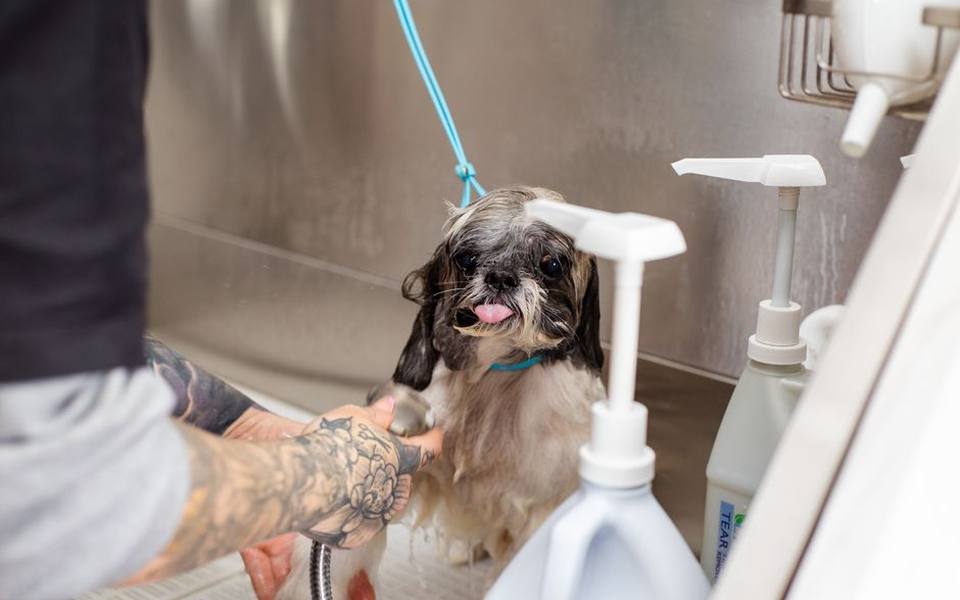
When visiting a dog groomer self service facility, you typically pay for a timed block of water and dryer usage. The operator supplies professional-grade aprons, towels, tiered water nozzles, and pre-mixed cleansing formulas dispensed directly through the wash wand. Because commercial wash bays are built for high turnover, the drainage systems handle high volumes of loose hair that would quickly clog domestic residential plumbing lines.
Pet owners dealing with a thoroughly dirty dog wash often find commercial stations far less stressful than home baths. The physical containment of the bathing stall keeps water inside the basin rather than across your walls. If you are planning an impromptu visit after an outdoor excursion, checking our directory of walk-in dog washes helps you find open bays without needing advance appointments.
The ergonomics of professional stainless steel tubs
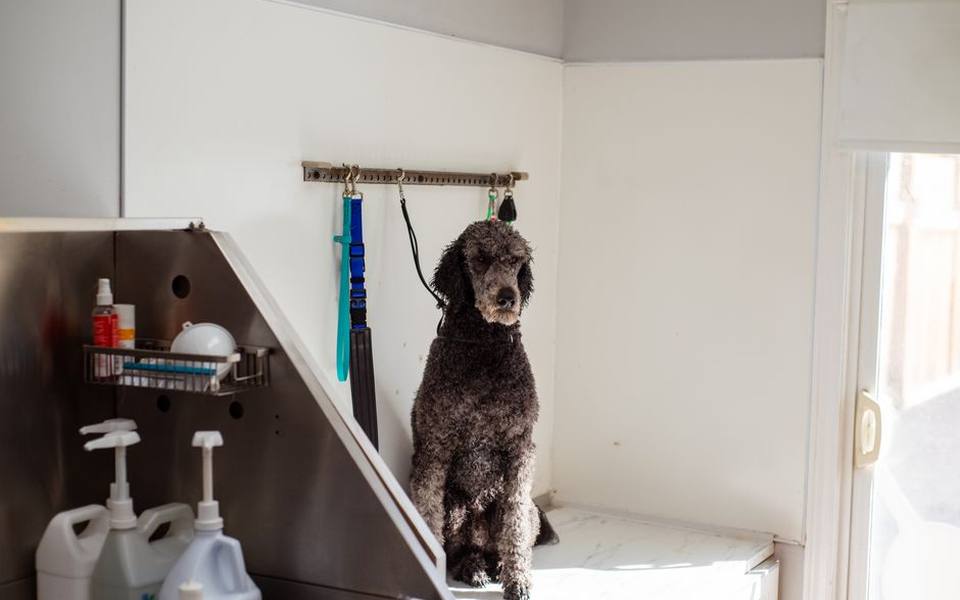
Professional facilities rely almost exclusively on a stainless steel dog wash station because marine-grade or 304-gauge stainless steel resists corrosion, withstands harsh disinfectants, and handles giant breeds without flexing. The non-porous metal prevents bacteria and odors from settling into microscopic scratches, which is critical when dozens of different animals use the same equipment weekly. For owners, the primary benefit is elevation: these tubs sit roughly waist-high, eliminating back strain.
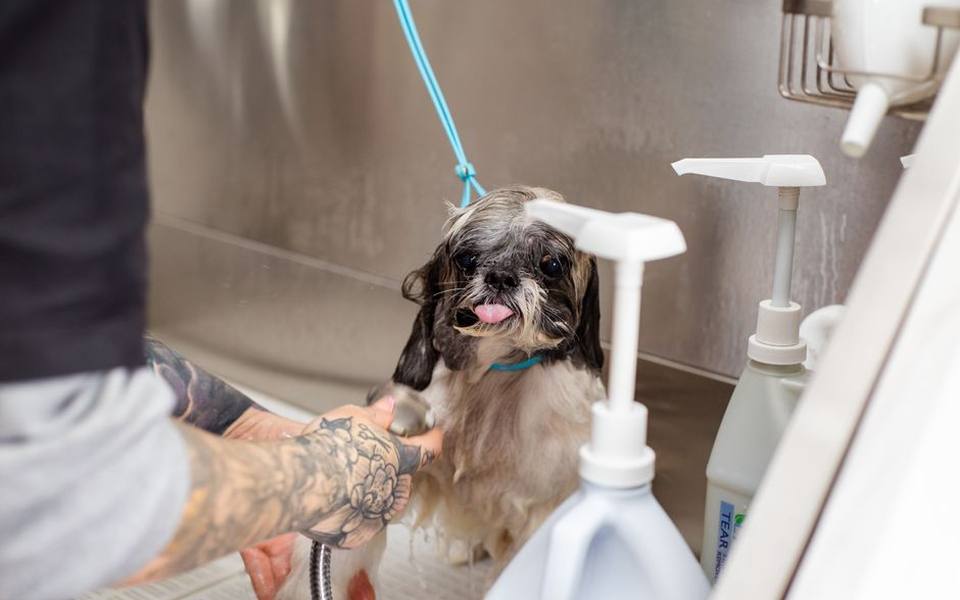
Most heavy-duty stainless dog wash station units include textured non-slip floor grates that keep the dog elevated above draining rinse water. Beneath the grate, hair catchers collect thick undercoat before it enters the municipal sewer line. High backsplashes and side splash guards channel overspray straight downward, protecting the handler from getting soaked during vigorous shaking episodes.
Accessibility plays a significant role in tub design, particularly for geriatric dogs or breeds exceeding seventy pounds. Commercial units usually feature sliding entry doors paired with pull-out ramps or textured stairs. Rather than lifting an uncooperative or wet pet over a tall rim, handlers can guide the dog up the gentle incline, clip a restraint loop to the overhead tie-out bar, and begin bathing immediately.
Drying techniques and high-velocity air tools
Drying a thick double coat with standard household bath towels often leaves deep layers of undercoat damp for hours, creating a damp environment where hot spots and skin infections can develop. A dedicated dog blow dry routine at a self-serve facility utilizes a high-velocity forced-air dryer rather than a heated element dryer. These powerful blowers blast moisture out from the skin level upward without cooking the animal's delicate epidermis.
Using forced-air equipment also serves as an intensive deshedding treatment. As water droplets blast away from the hair shaft, trapped dander and dead undercoat release simultaneously, floating into the air rather than settling on your living room rug. Handlers should hold the dryer nozzle approximately two to four inches from the dog's skin, moving in continuous overlapping sweeps to prevent tangling long fur.
Noise sensitivity is common among dogs during their first encounter with high-velocity air nozzles. Facilities often provide protective fabric headbands that muffle blower noise around sensitive ears. Starting the machine on its lowest airflow setting near the dog's rump allows the pet to acclimate to the tactile sensation before you work forward toward the shoulders and chest.
Planning a dedicated dog wash home station
Homeowners with multiple large dogs or working breeds often decide that a permanent dog wash home station in a mudroom, laundry room, or garage pays for itself over time. A home setup eliminates travel logistics and lets you wash a pet immediately before mud dries and tracks through the house. However, building an indoor station requires careful planning around spatial footprint, wall waterproofing, and dedicated ventilation.
A successful diy dog wash station demands at least a four-by-four-foot footprint to allow comfortable movement around the animal. Fiberglass utility basins or custom-tiled alcoves work well for small to medium breeds, while prefabricated stainless units fit larger spaces. Waterproofing the adjacent walls with PVC wall panels, cement backer board, or subway tile is mandatory to prevent moisture from penetrating drywall and creating hidden mold colonies.
Ventilation is another frequently overlooked factor in residential installations. Bathing a saturated retriever releases substantial humidity into enclosed rooms, which can warp cabinetry and foster mildew. Installing a continuous-duty exhaust fan rated for high CFM output helps clear damp air quickly, matching the drying environment found in commercial wash bays across the country.
Plumbing requirements and drainage traps for residential spaces
Residential drains are built primarily for clear greywater rather than dense fur, meaning standard two-inch domestic drain pipes choke quickly without dedicated filtration. When setting up a home wash area, plumbers typically recommend installing a commercial in-line hair interceptor beneath the tub basin. These stainless basket strainers trap dense dog hair before the discharge enters the home's main waste stack.
Water temperature stability is equally essential for canine comfort. Dogs have higher resting body temperatures than humans, but their skin is thinner and more vulnerable to thermal burns. Installing a pressure-balancing thermostatic mixing valve ensures the water stream maintains a consistent, lukewarm ninety-eight degrees even if someone runs an appliance elsewhere in the house.
Handheld spray wands paired with flexible, commercial-grade six-foot metal hoses offer the best control when rinsing bellies and paw pads. Sprayers featuring integrated thumb triggers let you shut water off instantly without reaching back toward the wall valves. This allows you to keep one hand safely anchored on the dog's collar or harness at all times.
Building an outdoor dog bath station for warm seasons
For homes where indoor square footage is limited, an outdoor dog wash station provides a practical alternative from late spring through early autumn. Situating a wash area near a back patio, side yard, or garden shed keeps muddy messes entirely outdoors. When designing an outdoor dog bath station, positioning the platform over a well-draining gravel bed or concrete pad keeps runoff from creating slippery mud pits right where you are working.
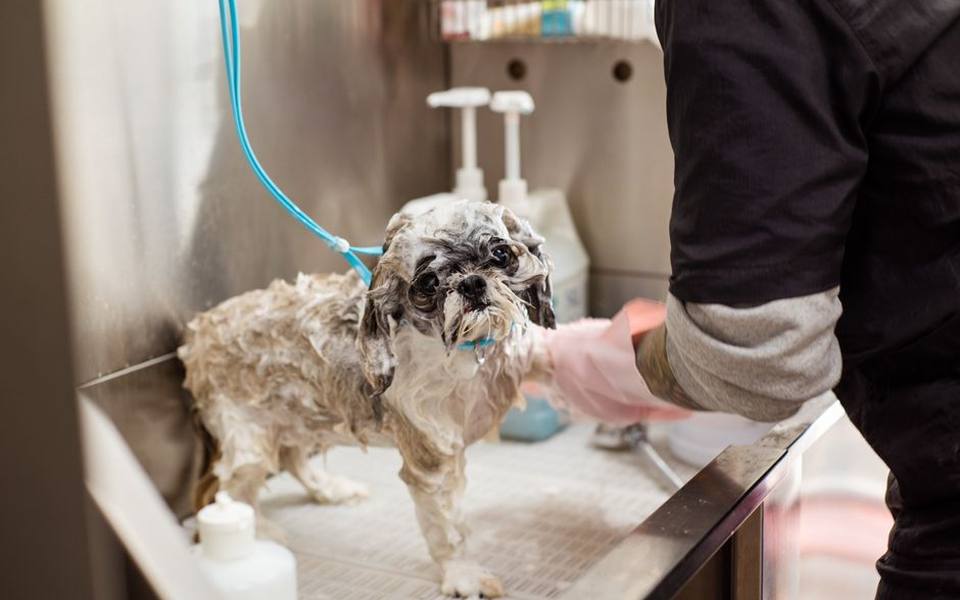
A functioning dog wash station outside requires access to both hot and cold water supplies to prevent chilling the animal. Running a secondary warm water line to an exterior frost-free mixing spigot lets you attach flexible garden hoses without subjecting your pet to icy groundwater. If plumbed hot water is unavailable, compact tankless propane water heaters designed for camping can provide immediate, continuous warm water.
Securing the dog safely is just as critical outdoors as it is in a commercial facility. A sturdy post anchored into concrete or a heavy exterior wall bracket provides an attachment point for a waterproof grooming loop. Restraining the animal prevents sudden escapes across the yard while covered in slick lather, keeping the wash process orderly and stress-free.
Selecting a portable dog wash station for travel or rentals
Renters and frequent road travelers rarely have the luxury of modifying walls or outdoor plumbing lines for pet maintenance. In these situations, an elevated portable dog wash station made of durable molded plastic or structural aluminum tubing bridges the gap. These units collapse down flat, fitting easily into vehicle trunks or utility closets between uses.
Portable basins typically rely on flexible drainage hoses that can be routed into standard bathtubs, shower pans, or outdoor lawn areas. Elevating small-to-medium pets three feet off the ground eliminates the posture strain of bending over a standard apartment tub. Most portable designs feature lightweight folding legs supported by cross-braces that accommodate pets weighing up to approximately seventy-five pounds.
For travel emergencies or camping trips, portable setups can pair with battery-operated submersible pumps that draw warm water directly from a five-gallon bucket. While these compact tools lack the infinite hot water and heavy-gauge stability of commercial fixtures, they offer sufficient utility to rinse sandy fur, salty ocean residue, or light trail mud before heading inside.
Evaluating costs: commercial facilities versus home builds
Deciding between visiting public wash facilities and investing in home infrastructure largely depends on household dog count and bath frequency. Commercial bays typically charge around twelve to twenty-five dollars per session, covering all utilities, chemicals, towels, and trash disposal. For an owner bathing a single companion pet once every four to six weeks, public facilities remain remarkably cost-effective.
In contrast, building a permanent indoor wash station with professional stainless fixtures, dedicated water lines, and tile waterproofing can require several thousand dollars in materials and licensed trade labor. Even basic outdoor DIY plumbing setups involve modest material investments in mixing valves, hoses, and gravel drainage. The financial justification increases for families managing multiple large, working, or show dogs that require weekly bathing.
Time and cleanup remain central to the comparison. When you leave a commercial self-serve dog wash station, facility staff handle tub sanitization, hair disposal, and towel laundering. At home, every bath cycle concludes with clearing hair filters, wiping down splash panels, and mopping the surrounding floor area, which adds fifteen to thirty minutes to your overall routine.
Incorporating nail care and coat maintenance
Bathing softens hard keratin, making the post-wash period an optimal window for handling routine foot and coat maintenance. Warm water and conditioning shampoos hydrate rough claw tissue, allowing clippers or rotary files to slice cleanly through nail material without excessive splintering. Combining claw maintenance with bath time establishes a predictable, streamlined hygiene schedule for your pet.
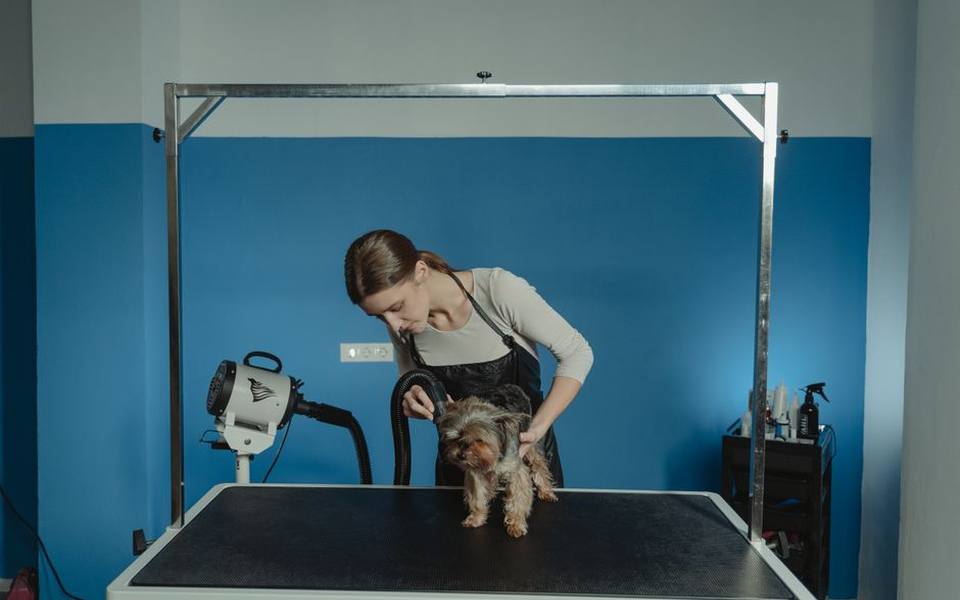
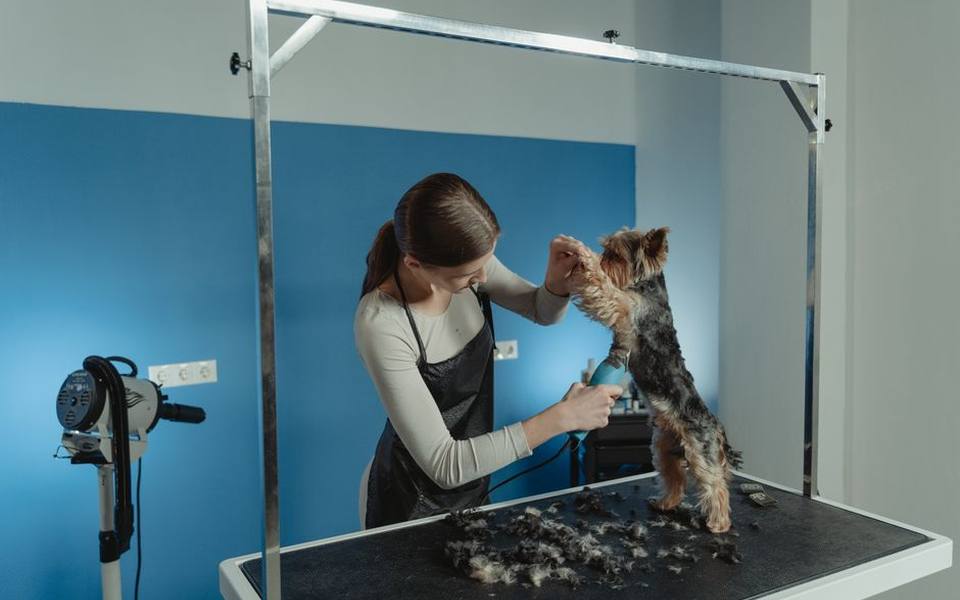
Many public locations offer dedicated grooming tables alongside their bathing bays. If you prefer professional assistance for tricky steps, looking into dog nail clipping services ensures the quick is protected from accidental cuts. For owners comfortable doing maintenance themselves, a quiet rotary grinder smooths sharp edges left behind after traditional clipping.
Post-bath brushing is equally critical, especially when coats are nearly dry. Running an undercoat rake or slicker brush through the fur removes dead follicles loosened by the high-velocity blower. Finishing the session with a thorough comb-out prevents post-wash matting around friction zones like armpits, ears, and the base of the tail.
Sanitization and safety across all washing environments
Whether using a commercial stall or your own backyard tub, maintaining biological cleanliness protects animals against infectious dermatological conditions, ringworm, and parasite transmission. High-traffic commercial wash bays utilize veterinary-grade disinfectants between clients to sanitize tub basins, grooming tethers, and spray nozzles. Owners should always visually inspect public tubs and request a fresh sanitizing rinse if stray debris remains from previous users.
Traction is the primary physical safety factor during bathing. Slipping on wet porcelain, plastic, or metal creates extreme panic in dogs and can lead to pulled ligaments or hip injuries. Basins must always be equipped with heavy rubber traction mats or textured floor grates that provide reliable footing while paws are soapy and unstable.
Finally, always observe facility hours and plan around peak periods to minimize stress for reactive pets. Choosing off-peak times or visiting 24-hour dog washes provides a calm, quiet atmosphere where fearful animals can adjust without facing unfamiliar dogs barking in adjacent wash bays. Checking our directory for nearby self-service dog wash stations makes it simple to locate facilities with the right layout for your dog.
Published 2026-09-21 · reviewed with each rebuild, last September 2026.
Find self-serve dog washes near you
The directory lists 2,264 self-serve dog washes by state and city — pick your state or use the “Near me” button in the header.
More guides
-
 Money
MoneyUnderstanding the Costs of Grooming and Washing Your Dog
-
 Service
Canine Scent Gland Care: Symptoms, DIY Steps, and Professional Costs
-
 Money
MoneyDog Grooming Cost Breakdown: Salons, Mobile Vans, and Retail Chains
-
 Service
Dog Anal Gland Expression: How It Works, When It Is Needed, and Typical Costs
-
 Owning
Essential Dog Grooming Tools: Choosing Clippers, Shears, and Maintaining Blades
-
 Money
MoneyDog Teeth Cleaning Costs: Vet Anesthesia vs. Non-Anesthetic Options
-
 Service
How to Choose the Best Local Dog Groomer: What to Look For
-
 Service
Self-Service Dog Wash Guide: Locations, Pricing, and How It Works
-
 Owning
Complete Dog Anal Gland Care: How to Express, Symptoms, and Safe Techniques
-
 Service
Professional Dog Grooming and Self-Wash Stations: Comparing Costs, Services, and Formats
-
 Owning
Dog Nail Trimming and Grinding Guide: Clippers, Rotary Tools, and Safe At-Home Care
-
 Service
Popular Dog Haircut Styles: Breed Cuts, Teddy Bear Trims, and Styling Rules
-
 Owning
Managing Dog Itchy Skin and Fleas: Medicated Baths, Shampoos, and Remedies
-
 Service
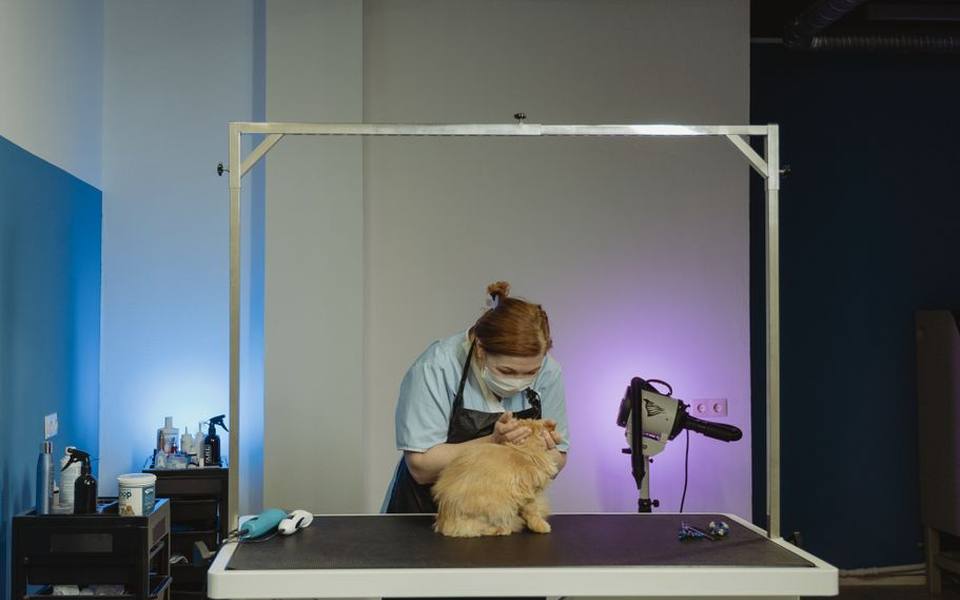
Complete Cat Grooming Guide: Bathing, Haircuts, Nail Trimming, and Mobile Care
-
 Owning
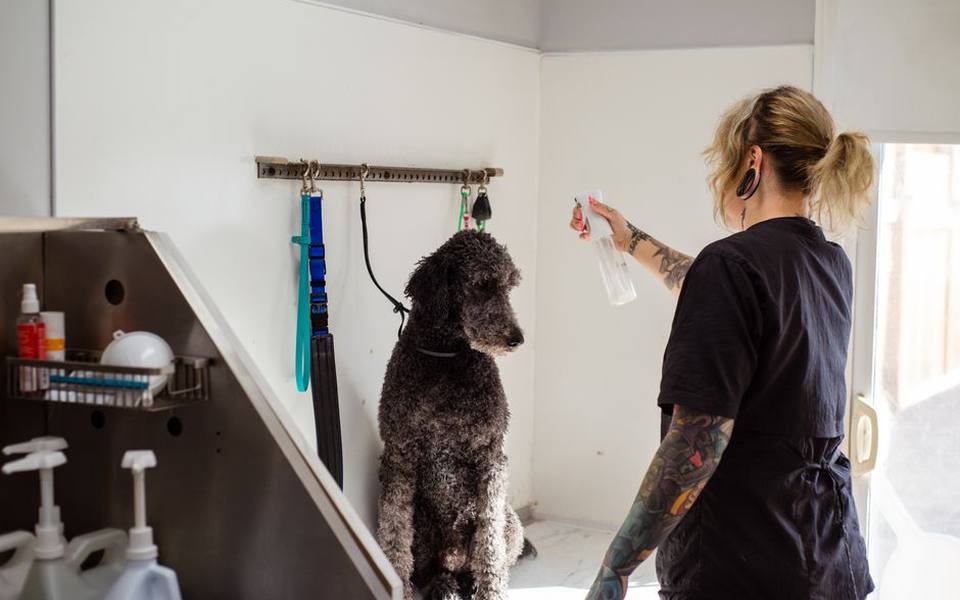
Dog Ear Cleaning and Flushing Solutions: Preventing Wax Build-Up and Infections
-
 Owning
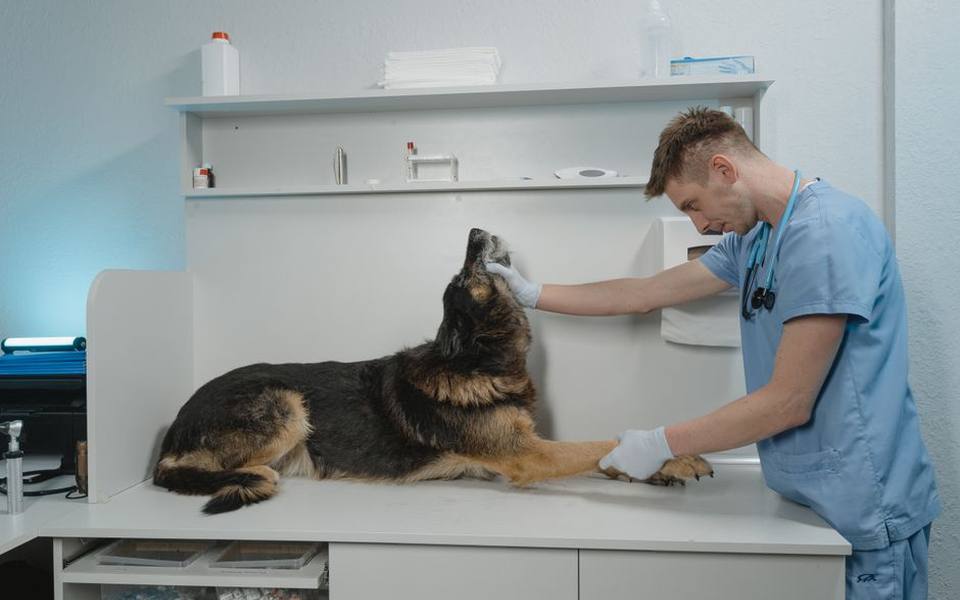
Dog Anal Gland Care: Expression, Swollen Glands, and Hygiene Solutions
-
 Owning
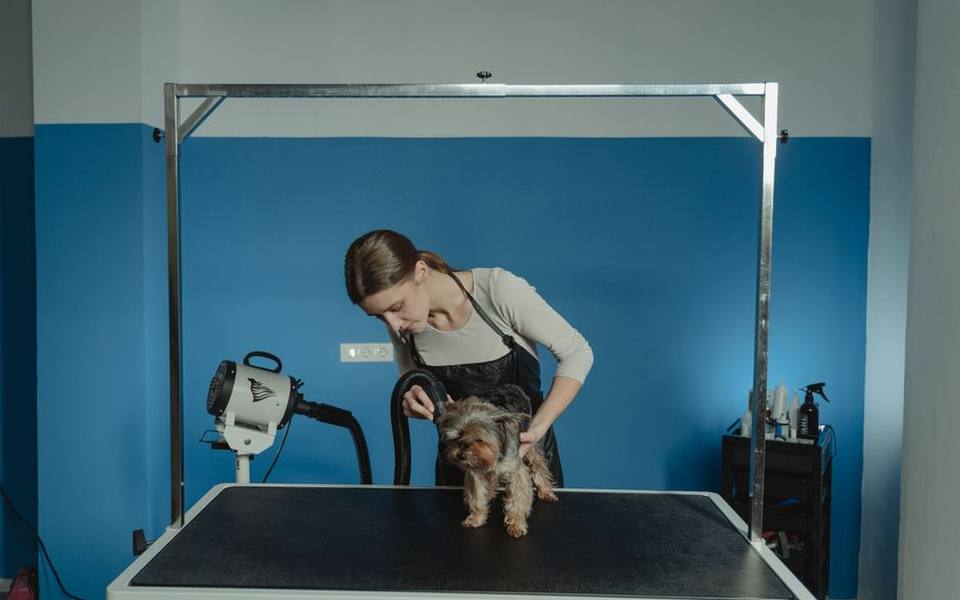
Dog Blow Drying, Coat Coloring, and Waterless Grooming Essentials
-
 Owning
Essential Grooming Tools: Brushes, De-Matting, Odor Neutralizers, and Paw Care
-
 Owning
Canine Dental Hygiene Guide: Toothbrushes, Powders, and Tartar Control
-
 Owning
Complete Guide to Dog Training: Methods, Equipment, Classes, and Costs
-
 Owning
Ultimate Guide to Dog Haircut Styles by Breed: Puppy Cuts, Teddy Bear, and Lion Clips
-
 Owning
How to Treat Dog Itchy Skin and Allergies: Medications, Shampoos, and Home Remedies
-
 Safety
How to Trim Dog Nails Safely: Clippers vs Grinders and Techniques
-
 Service
Professional Dog Grooming Services: Costs, Salons, and At-Home Options
-
 Owning
Dog Dental Care Guide: Toothbrushes, Powders, and At-Home Cleaning
-
 Safety
Dog Ear Cleaning Solutions, Wax Buildup, and Infection Care Guide
-
 Owning
Choosing the Right Dog Shampoo for Dry Skin, Dandruff, Fleas, and Ticks
-
 Buying
Essential Professional Grooming Tools, Clippers, and Blade Care
-
 Owning
Dog Nail Trimming, Grinding, Polish, and Safe Hair Dye: A Practical Guide
-
 Service
Dog Haircuts and Breed Styling Guide: Popular Cuts, Trims, and Coat Care
-
 Service
Cat Grooming and Styling: Lion Cuts, Bathing, and Coat Care
-
 Owning
Dog Ear Care and Skunk Odor Removal: Cleaning, Wax, and Emergency Deodorizing
-
 Safety
Dog Flea Baths and Medicated Shampoos: OTC and Prescription Remedies
-
 Owning
Complete Guide to Raw Dog Food Nutrition and Diets
-
 Owning
Dog Birthday Cakes, Safe Treats, and Celebration Guide
-
 Service
Hiring a Dog Walker: Services, Rates, and Agency Options
-
 Service
Dog Breed Haircuts, Styling, and Coat Maintenance Guide