The Foundation of Daily Coat Maintenance
Regular brushing does far more than keep a canine looking tidy; it clears trapped debris, distributes natural skin oils along the hair shaft, and stops tangles before they develop into painful mats. When you select a brush for dogs, the primary factor is always coat architecture rather than aesthetic design or brand hype. Double-coated breeds, wire-haired terriers, and silky spaniels each require unique pin lengths, spacing, and bristle densities to reach through dead undercoat without scraping sensitive epidermal layers.
Attempting to maintain a thick or shedding coat with the wrong tool often creates a false sense of security. A superficial pass with a soft bristle tool might smooth topcoat hairs while leaving the dense undercoat packed tight against the skin. Over several weeks, trapped dead fur absorbs ambient moisture and dander, forming a felted sheet that restricts natural airflow. Taking the time to test pin depth against your own palm helps verify that the bristles have enough flex to glide safely.
Establishing a steady rhythm makes the process predictable for your pet. Dogs thrive on consistent tactile handling, and a predictable grooming routine prevents the defensive avoidance that develops when sessions turn into marathon de-tangling battles. Working in short five-minute increments across distinct body zones keeps the animal relaxed, turning daily coat upkeep into an easy habit rather than an exhausting chore.
Selecting the Right Slicker for Doodles and Curly Coats
Owners managing poodle crossbreeds face a unique grooming challenge because curly fleece and wool coats continuously trap shed hairs instead of dropping them onto the carpet. A long-pin slicker brush for goldendoodle maintenance is widely regarded by professional groomers as an indispensable daily tool. These specialty brushes feature slightly angled, flexible wire pins embedded in a cushioned rubber base, allowing the pins to penetrate deep into dense curls without scratching tender skin.
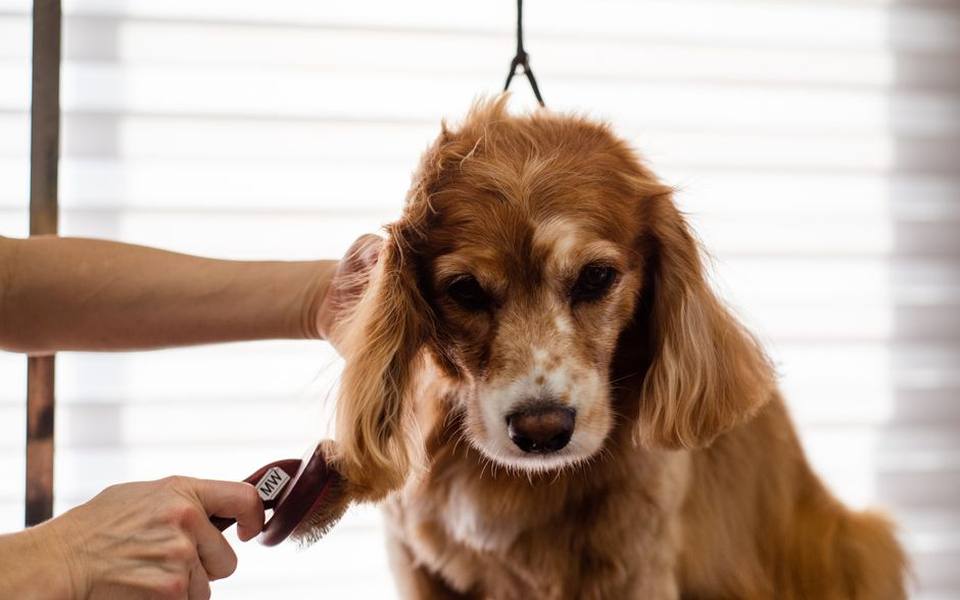
When shopping for a slicker brush, examine the pin bend and cushion resistance closely. Rigid wire pins with poor flex can cause severe brush burn if applied with too much downward pressure, particularly across bony areas like hips and hocks. A quality slicker utilizes bent wire tips that gather loose undercoat on the backward pull stroke, gently separating individual hair clusters so that air can circulate down to the dermis.
Size matters just as much as pin configuration when working through different body segments. A large curved-back slicker covers substantial ground across the flank, ribs, and hindquarters with minimal arm fatigue, while a compact triangular slicker allows precise work around armpits, behind ears, and across the muzzle. Matching the tool dimensions to the target body zone ensures you clear tangles without bumping delicate joints.
Always follow slicker brushing with a sturdy metal comb, often referred to in shops as a greyhound comb. While the slicker fluffs and separates hair fibers, the comb acts as an honest diagnostic tool. Gliding the metal teeth parallel to the skin will instantly reveal any hidden knots that the flexible wires skimmed over.
Line Combing and Safe De-Matting Techniques
Line combing represents the gold standard technique for preventing dense coats from felting near the skin surface. To execute this properly, hold a section of the coat up with your non-dominant hand to expose a clean line of visible skin. Using your brush for a dog with heavy growth, gently stroke downward through a thin ribbon of hair, starting right at the root line and working out toward the hair tips.
Once that bottom layer is completely smooth and free of resistance, drop another narrow horizontal ribbon of hair down and repeat the gentle downward stroke. Working progressively from the lower belly upward toward the spine ensures that you never miss the dense undergrowth where moisture accumulates. This method takes patience, but it prevents the common mistake of only skimming the outer canopy of the dog's coat.
When you encounter a solid knot, avoid pulling directly away from the skin, which pinches sensitive subcutaneous tissue and causes sharp distress. Instead, apply a small amount of conditioning spray or specialized detangling fluid directly onto the knot to reduce friction between the hair shafts. Use your fingers to gently pull the mat apart horizontally, loosening its core before teasing it out gently using the edge teeth of a steel comb.
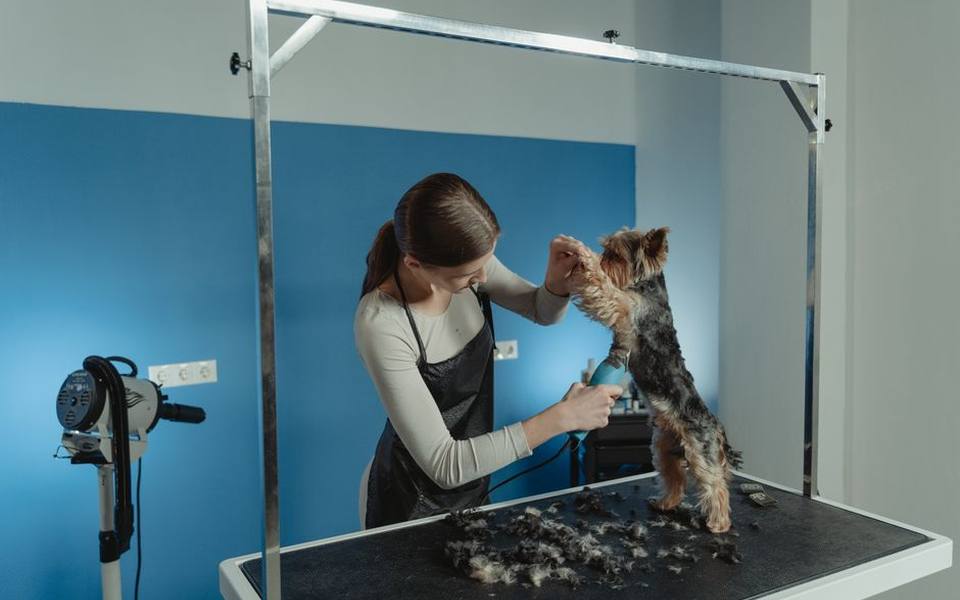
In cases where a mat has bonded tightly to the skin surface, mechanical shaving remains the only humane solution. Trying to comb out severe pelted fur rips follicles, creates localized bruising, and ruins the dog's trust in grooming tools. A professional groomer or a trip to a local facility with proper clippers can remove dense pelts safely and painlessly, giving the coat a clean slate to regrow.
Neutralizing Skunk Sprays and Deep Odors
Curious dogs frequently run into wildlife during dusk or early dawn walks, leading to the dreaded direct hit from a defensive skunk. The noxious spray consists primarily of volatile organic compounds known as thiols and thioacetates, which bond rapidly to the oils in canine fur. Achieving real skunk odor removal requires chemical neutralization through oxidation, rather than merely masking the stench with perfumed shampoos, which usually creates an even more nauseating lingering aroma.
A common mistake when confronting skunk spray is immediately dousing the dog with warm water. Because thiols are hydrophobic oily compounds, water repels them across the coat, spreading the foul liquid deeper into dry undercoat layers and contaminating your bathroom fixtures. Keep the animal outdoors or in a garage while preparing an oxidizing wash, keeping the fur dry until your neutralizing formula is ready to apply directly onto the oily zone.
Commercial products like a dedicated skunk odor remover nature's miracle formula rely on bio-enzymatic agents and surfactants engineered to cleave thiol molecules on contact. If a commercial product is not on hand, the classic emergency formula combines one quart of fresh three-percent hydrogen peroxide, a quarter cup of baking soda, and a teaspoon of liquid dish detergent. This mixture foams actively and breaks down the oily thiols through rapid oxygenation.
Work the oxidizing mixture thoroughly into dry fur, focusing heavily on the chest, face, and neck where skunks typically aim their defensive bursts. Take extreme care to shield the eyes and mouth from the mixture, as both commercial oxidizers and peroxide blends cause significant corneal irritation. Allow the treatment to sit on the fur for roughly ten minutes before rinsing thoroughly with cool, clean water.
Emergency Wash Facilities and Containing Messes
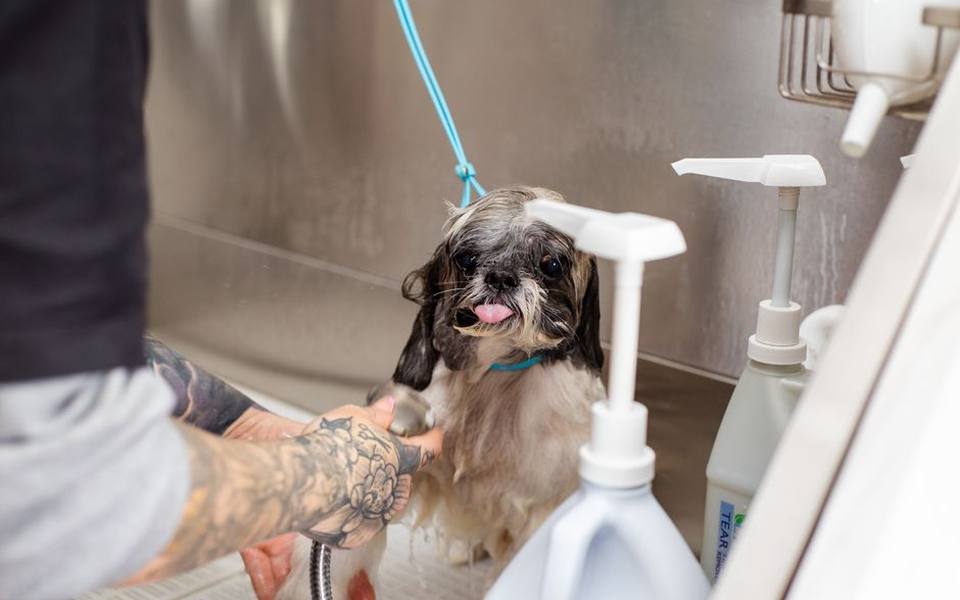
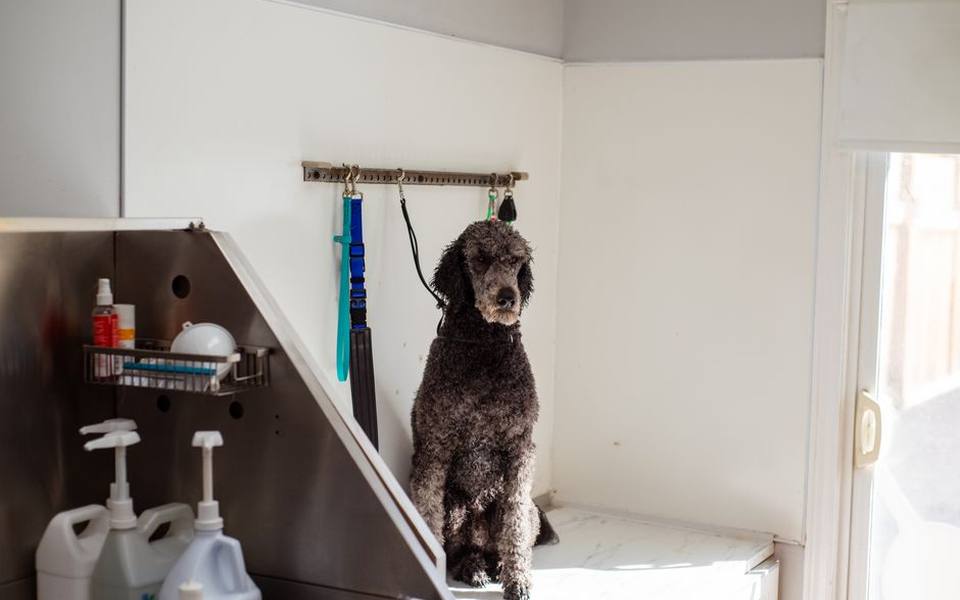
Decontaminating a skunked or heavily soiled dog inside a home bathroom frequently leaves lingering odors trapped in household drywall, carpets, and shower curtains for months. Dedicated self-serve dog wash stations provide elevated stainless steel tubs, high-flow rinse hoses, and commercial-grade exhaust systems that make odor remediation far easier on your back and plumbing.
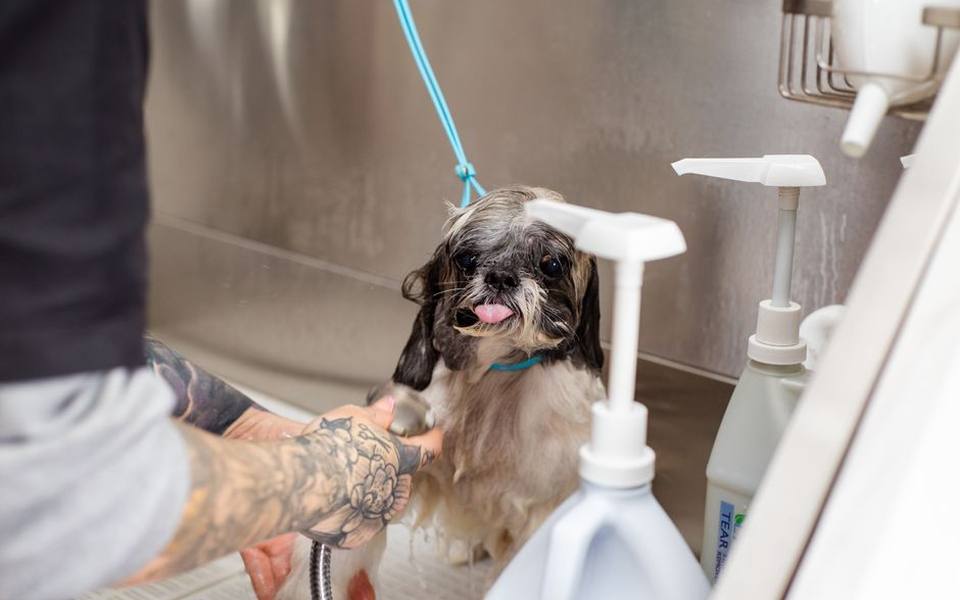
Because wildlife encounters rarely happen during normal retail business hours, having nearby 24-hour dog washes mapped ahead of time eliminates late-night panic. These facilities allow you to pull right up, contain the mess outside your living space, and access warm water, heavy-duty aprons, and professional air blowers without waiting for an appointment.
If you are traveling through western or southern states where wildlife encounters peak during seasonal migrations, finding accessible facilities is straightforward. Dog owners frequently utilize self-serve dog washes in California when hiking coastal foothills, while those crossing southern territories can easily find self-serve dog washes in Texas equipped with professional blowers. High-velocity warm air dryers at these stations blow residual water and loosened undercoat clear out of the fur without baking smells into the skin.
When loading a smelly dog into your vehicle for transport to a tub, wrap the animal loosely in an old moving blanket or heavy canvas tarp. Avoid tightly sealing plastic wraps around the dog, which traps humidity and forces pungent oily vapors deep into your vehicle's upholstery foam. Keep windows cracked to maintain steady cross-ventilation during the brief drive to the wash bay.
The Physical and Mental Benefits of Canine Massage
Integrating deliberate bodywork into a grooming routine transforms maintenance into a calming, restorative session. A structured dog massage helps lower elevated cortisol levels, eases chronic muscle tightness in active sporting breeds, and builds handling tolerance for nervous rescues. Engaging in gentle hands-on touch allows owners to detect subtle physical changes early, such as developing skin cysts, localized heat, tick bites, or tender joint margins.
From an anatomical standpoint, canine massage stimulates both blood circulation and lymphatic drainage throughout peripheral tissues. Increased microcirculation delivers fresh oxygen and essential nutrients to muscle fibers that become tight from vigorous play, running, or compensatory postures caused by aging joints. For senior animals coping with stiffness, gentle tactile therapy warms the connective tissues and preserves functional mobility.
Setting up the right environment is critical before starting any hands-on bodywork. Choose a quiet, draft-free room with secure footing, such as a thick rubber mat or plush rug, so your pet does not slip or brace defensively. Keep your own breathing slow and steady, as animals pick up on human tension instantly; if you are rushed or frustrated, the dog will mirror that vigilance and resist relaxing into your touch.
Practical Massage Strokes for Calming Your Dog
Begin each session with gentle effleurage, which consists of long, gliding strokes using the flat palms of your hands. Start at the top of the dog's skull and trace smoothly down the neck, over the shoulder blades, and along the long spinal muscles toward the base of the tail. When you massage doggy family members, always follow the natural direction of hair growth and maintain steady, light contact to signal that handling is gentle.
Once your dog settles and lets out an audible sigh or softens their eye expression, transition to gentle fingertip circles across high-tension zones. The neck and shoulder girdle carry significant mechanical stress from running, leash pulling, and jumping down from furniture. Apply small, rhythmic circular motions with your finger pads, gently rolling the skin over underlying muscle beds without pressing hard against underlying vertebrae or bone prominences.
Pay special attention to the rear pelvic limbs, where the hamstring and quadricep groups often harbor hidden knots. Use gentle compression, cupping your hands around the fleshy parts of the thigh and applying gentle rhythmic pressure like kneading soft bread dough. Never manipulate joints past their natural range of motion, and cease contact immediately if the dog pulls away, yawns repeatedly, or stiffens, which signals sensory overload.
Conclude the physical bodywork by returning to slow, grounding effleurage strokes that run from the forehead all the way down to the paw tips. Pairing this physical unwinding with a post-brushing session reinforces positive associations with the grooming table. Dogs that regularly experience calm touch learn to view clippers, combs, and nail trimmers with far less apprehension.
Safety Standards for Dog Nail Polish and Finishes
Adding decorative color to a companion's paws has grown increasingly popular, but human cosmetic products must never cross over into pet grooming. Human nail varnishes frequently contain toxic compounds including formaldehyde, toluene, dibutyl phthalate, and volatile solvents that emit hazardous fumes. Because dogs naturally lick their paws when resting, ingesting dried chips of conventional human enamel can lead to gastrointestinal distress or toxic reactions.
Formulations marketed specifically as dog toenail polish utilize water-based, non-toxic polymer resins that dry rapidly without releasing harmful organic vapors. These pet-safe lacquers are odorless once cured, peel-resistant, and free from heavy metals or harsh plasticizers. When shopping for dog nail polish, review the safety data to confirm the formula lists food-grade or cosmetic-grade pigments that carry zero risk if accidentally ingested during normal grooming habits.
Introducing puppy nail polish requires the same gradual counter-conditioning used for nail trimming. Puppies have hyper-sensitive foot pads and natural withdrawal reflexes when their toes are separated. Attempting to hold a squirming pup still while painting nails invites accidental spills, ruined bedding, and negative handling associations. Spend several days simply touching paws, lifting individual toes, and offering small treats before opening any paint applicators.
If your pet exhibits signs of seasonal allergies, pododermatitis, or inflamed nail folds, skip aesthetic finishes entirely. Applying any dog nail varnish over an irritated, broken, or raw nail bed can trap microbial pathogens against damaged skin tissue, exacerbating bacterial or yeast infections. Keep paws completely clean, dry, and natural until any medical dermatological issues clear up entirely.
Step-by-Step Paw Preparation and Polish Application
A flawless, long-lasting nail finish depends entirely on thorough physical preparation before applying color. Begin by trimming excess fur growing between the paw pads and around the base of each claw using rounded safety shears or a mini cordless trimmer. Stray hairs caught in wet polish will ruin the finish and cause annoying pulling sensations that prompt the dog to chew aggressively at its paws.
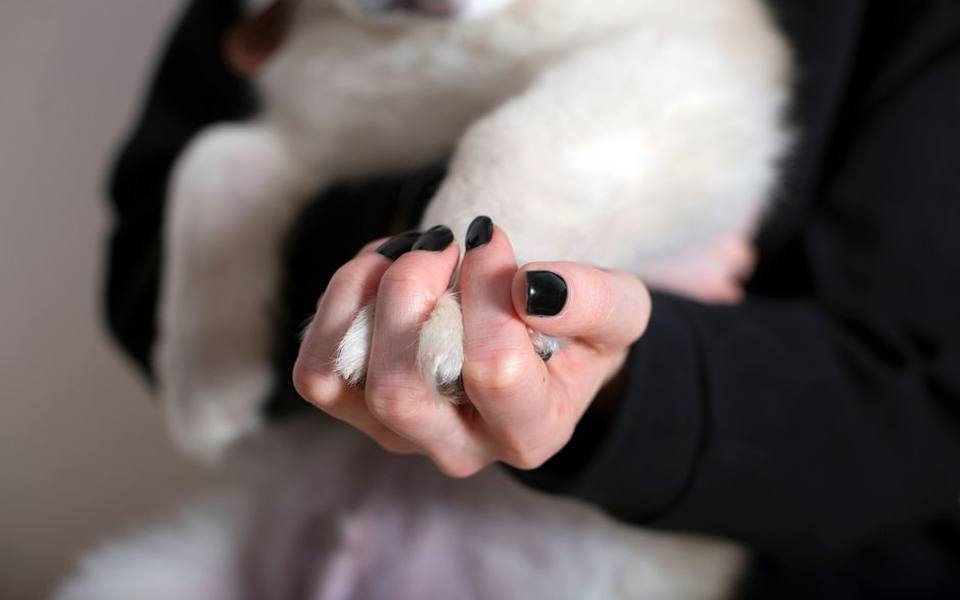
Clean each nail sheath using a cotton pad lightly dampened with isopropyl alcohol or warm soapy water to lift residual outdoor grime, sebum, and sidewalk oils. Natural oils prevent water-based pet lacquers from adhering securely, leading to premature chipping within hours of drying. Inspect the nail structure closely during cleaning, ensuring the quick is undisturbed and the claw edge is neatly beveled with a fine-grit nail file.
Pet paint pens often provide far better tactile control than traditional brush bottles, especially when dealing with fidgety animals. Depress the pen tip on a paper towel until the non-toxic liquid fills the felt nib, then apply a single thin coat running smoothly from the cuticle line toward the claw tip. Applying thin coats ensures rapid drying within sixty seconds, drastically reducing the window in which an impatient dog might smear wet paint across your rug.
Distract your pet during the brief curing period with a silicone lick mat spread with a thin layer of peanut butter or pureed pumpkin. Keeping their focus on a high-value lick treat keeps their paws immobile on the floor or grooming armrest until the finish sets hard to the touch. Once completely cured, the non-toxic film remains durable against grass, dirt, and daily sidewalk walks.
Building a Sustainable Weekly Grooming Cadence
Maintaining a clean, comfortable dog does not require marathon weekend grooming sessions if you break tasks into manageable weekly increments. High-maintenance coat types benefit from three brief ten-minute brushing sessions each week, which eliminates tangles before they condense into intractable mats. Following brushing with five minutes of targeted shoulder and back massage creates a soothing ritual that reinforces your pet's cooperative behavior.
For deep washes and seasonal de-shedding, visiting local walk-in dog washes once or twice a month provides professional-grade equipment without the mess of home cleanups. Utilizing specialized high-velocity blowers at these stations lifts dead coat out from the root level, making your home maintenance brushing significantly faster and less labor-intensive during the intervening weeks.
Always maintain realistic expectations tailored to your pet's unique temperament and coat genetics. Grooming should be an ongoing dialogue of trust rather than an exercise in cosmetic perfection. Equipping yourself with the proper slickers, effective odor neutralizers, and non-toxic care items ensures you can handle muddy trails, accidental skunk encounters, and quiet home grooming sessions with total confidence.
Published 2026-09-21 · reviewed with each rebuild, last September 2026.
Find self-serve dog washes near you
The directory lists 2,264 self-serve dog washes by state and city — pick your state or use the “Near me” button in the header.
More guides
-
 Money
MoneyUnderstanding the Costs of Grooming and Washing Your Dog
-
 Service
Canine Scent Gland Care: Symptoms, DIY Steps, and Professional Costs
-
 Money
MoneyDog Grooming Cost Breakdown: Salons, Mobile Vans, and Retail Chains
-
 Service
Dog Anal Gland Expression: How It Works, When It Is Needed, and Typical Costs
-
 Owning
Essential Dog Grooming Tools: Choosing Clippers, Shears, and Maintaining Blades
-
 Money
MoneyDog Teeth Cleaning Costs: Vet Anesthesia vs. Non-Anesthetic Options
-
 Service
How to Choose the Best Local Dog Groomer: What to Look For
-
 Service
Self-Service Dog Wash Guide: Locations, Pricing, and How It Works
-
 Owning
Complete Dog Anal Gland Care: How to Express, Symptoms, and Safe Techniques
-
 Service
Professional Dog Grooming and Self-Wash Stations: Comparing Costs, Services, and Formats
-
 Owning
Dog Nail Trimming and Grinding Guide: Clippers, Rotary Tools, and Safe At-Home Care
-
 Service
Popular Dog Haircut Styles: Breed Cuts, Teddy Bear Trims, and Styling Rules
-
 Owning
Managing Dog Itchy Skin and Fleas: Medicated Baths, Shampoos, and Remedies
-
 Service
Complete Cat Grooming Guide: Bathing, Haircuts, Nail Trimming, and Mobile Care
-
 Owning
Dog Ear Cleaning and Flushing Solutions: Preventing Wax Build-Up and Infections
-
 Owning
Dog Anal Gland Care: Expression, Swollen Glands, and Hygiene Solutions
-
 Owning
Dog Blow Drying, Coat Coloring, and Waterless Grooming Essentials
-
 Owning
Canine Dental Hygiene Guide: Toothbrushes, Powders, and Tartar Control
-
 Owning
Complete Guide to Dog Training: Methods, Equipment, Classes, and Costs
-
 Owning
Ultimate Guide to Dog Haircut Styles by Breed: Puppy Cuts, Teddy Bear, and Lion Clips
-
 Owning
How to Treat Dog Itchy Skin and Allergies: Medications, Shampoos, and Home Remedies
-
 Safety
How to Trim Dog Nails Safely: Clippers vs Grinders and Techniques
-
 Service
Professional Dog Grooming Services: Costs, Salons, and At-Home Options
-
 Owning
Dog Dental Care Guide: Toothbrushes, Powders, and At-Home Cleaning
-
 Safety
Dog Ear Cleaning Solutions, Wax Buildup, and Infection Care Guide
-
 Owning
Choosing the Right Dog Shampoo for Dry Skin, Dandruff, Fleas, and Ticks
-
 Owning
Self-Serve Dog Wash Stations and Home Bathing Setup Guide
-
 Buying
Essential Professional Grooming Tools, Clippers, and Blade Care
-
 Owning
Dog Nail Trimming, Grinding, Polish, and Safe Hair Dye: A Practical Guide
-
 Service
Dog Haircuts and Breed Styling Guide: Popular Cuts, Trims, and Coat Care
-
 Service
Cat Grooming and Styling: Lion Cuts, Bathing, and Coat Care
-
 Owning
Dog Ear Care and Skunk Odor Removal: Cleaning, Wax, and Emergency Deodorizing
-
 Safety
Dog Flea Baths and Medicated Shampoos: OTC and Prescription Remedies
-
 Owning
Complete Guide to Raw Dog Food Nutrition and Diets
-
 Owning
Dog Birthday Cakes, Safe Treats, and Celebration Guide
-
 Service
Hiring a Dog Walker: Services, Rates, and Agency Options
-
 Service
Dog Breed Haircuts, Styling, and Coat Maintenance Guide