Understanding Professional Dog Dental Care Costs
Professional dog teeth cleaning typically costs anywhere from a couple hundred dollars to well over a thousand dollars depending on the procedure type, your pet's age, and existing dental disease. Routine hygiene is vital because plaque and tartar accumulate rapidly on canine enamel, progressing to gingivitis, root decay, and systemic infections if left unchecked. When pet owners look up how much a cleaning runs, they often encounter a vast range of quotes that feel confusing without context.
The overall fee splits fundamentally between two distinct approaches: complete veterinary cleanings conducted under general anesthesia and non-anesthetic cosmetic scaling performed while the pet remains conscious. A hospital procedure with sedation involves extensive monitoring, dental radiographs, and subgingival cleaning beneath the gumline where bacteria thrive. Non-anesthetic services focus exclusively on visible plaque on the exposed surface of the tooth and carry a noticeably lower ticket price.
Beyond the core procedure, geographic location, clinical overhead, and unexpected tooth extractions drastically sway your final bill. A baseline estimate provided over the phone rarely covers emergency extractions discovered once tartar flakes away to reveal rotten roots. Knowing what goes into veterinary pricing allows you to budget realistically, ask your provider targeted questions, and prevent minor oral buildup from turning into severe health issues down the road.
Full Veterinary Dental Cleaning Under Anesthesia
A full anesthetic dental cleaning at an accredited animal hospital typically ranges from five hundred to twelve hundred dollars for uncomplicated cases, though severe periodontal disease can push bills beyond two thousand dollars. The base fee reflects extensive medical protocol rather than simple aesthetic polishing. General anesthesia ensures that a certified veterinary team can examine every tooth individually, probe delicate periodontal pockets, and polish rough enamel surfaces without pain, stress, or sudden bites.
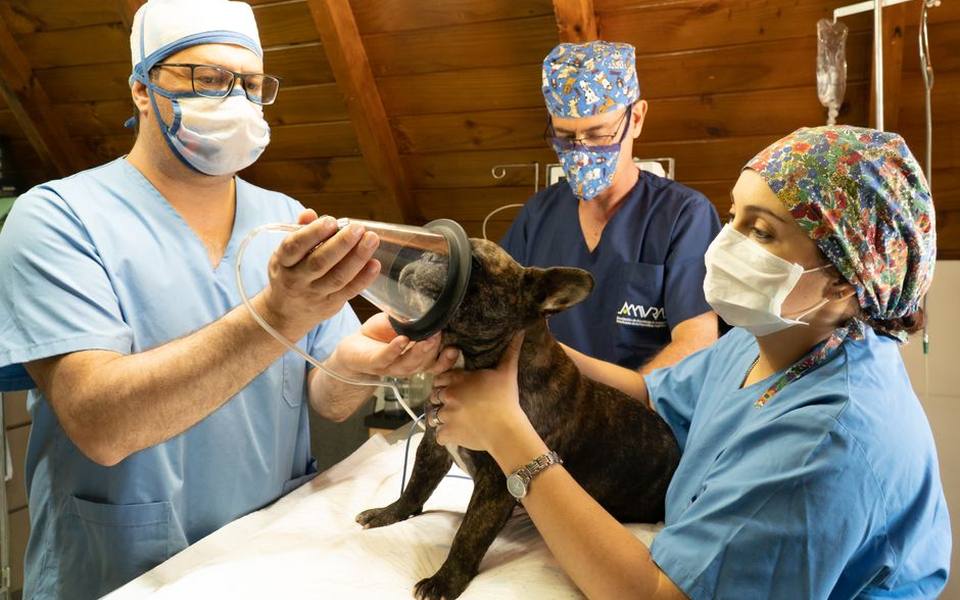
Your total invoice normally combines several mandatory components, starting with pre-anesthetic blood panels. Blood tests evaluate liver and kidney function to ensure your dog can safely process sedative drugs. The package typically includes intravenous catheter placement, continuous fluid therapy, heart and oxygen monitoring, endotracheal intubation to protect airways from dislodged debris, and ultrasonic scaling above and below the gumline.
Full-mouth dental X-rays represent another crucial cost factor that accounts for a noticeable portion of the estimate. Because more than half of each canine tooth hides underneath bone and gingiva, radiographs are the only reliable way to detect abscesses, bone loss, and internal resorption. If the doctor discovers compromised roots during the survey, surgical extractions will add incremental charges for anesthesia time, surgical labor, suturing material, and take-home pain medications.
While an anesthetized cleaning carries a higher upfront cost, it delivers the only medically comprehensive treatment for established periodontal disease. When calculus builds up subgingivally, bacteria enter the bloodstream, potentially stressing the heart, kidneys, and liver over time. Routine anesthetic care every few years addresses oral disease at the source, preventing chronic pain and extensive emergency surgeries in your companion's senior years.
Non-Anesthetic Dental Cleaning Expectations and Limits
Non-anesthetic dental procedures, frequently marketed as cosmetic or gentle cleanings, typically cost between one hundred fifty and three hundred fifty dollars. In these sessions, a technician or groomer physically restrains your dog on a table or in their lap, using manual hand scalers to scrape visible yellow tartar off the teeth before applying a topical polish. Because there are no sedatives, pre-operative blood screens, or expensive monitoring devices involved, the service remains substantially cheaper.
While a conscious scraping leaves teeth looking visibly whiter and improves immediate mouth odors, it provides strictly cosmetic benefits. Veterinary dental boards widely discourage awake scaling as a substitute for medical therapy because tartar beneath the gumline remains untouched. The subgingival zone harbors harmful anaerobic bacteria that cause bone loss and loose teeth, meaning severe periodontal disease can progress invisibly underneath shiny, scraped enamel.
Conscious scaling also presents safety and behavioral risks for certain dogs. Sharp steel hand scalers can easily slip and lacerate delicate gums or tongues if a dog flinches unexpectedly, while the physical restraint can cause elevated stress in anxious pets. Furthermore, scaling creates micro-grooves across the tooth enamel that must be buffed smooth with a mechanical polisher; skipped or hurried polishing allows new plaque to adhere faster than before.
Non-anesthetic cleaning works best solely as supplemental maintenance for docile dogs that already have healthy gums and mild superficial stains. It should never be used as a remedy for loose teeth, swollen gums, or visible decay. If you choose this path to manage light cosmetic staining, pair it with regular oral examinations by a licensed veterinarian who can confirm that the structures beneath the surface remain sound.
Finding Regional Pricing and Local Dental Providers
Finding reliable dental services in your area starts with gathering quotes from diverse care providers, ranging from general veterinary practices to dedicated pet dental specialists. Urban practices in high-cost-of-living metropolitan areas usually charge twenty to forty percent more for cleanings than rural community vets due to higher staffing and lease overhead. Getting a clear written breakdown allows you to compare what each neighborhood clinic includes within their baseline quote.
Pet owners living in densely populated regions like Self-Serve Dog Washes in California often encounter higher average veterinary estimates than guardians booking procedures in suburban parts of the Midwest. Similarly, busy urban animal clinics across Self-Serve Dog Washes in Texas may present pricing tiers based on your dog's weight, since heavier breeds require higher drug dosages for safe sedation and fluid support throughout the morning.
When calling local clinics to ask where to get teeth cleaned, request itemized pricing rather than an all-in-one number. Inquire whether the quoted figure covers pre-op bloodwork, dental radiographs, recovery monitoring, and post-procedure antibiotics, or whether those elements will be tacked onto the invoice at pickup. Transparent veterinary clinics happily explain their fee structure and describe what thresholds might trigger additional surgical costs during the day.
Exploring Low-Cost Dental Clinics and Assistance Programs
If standard veterinary hospital rates exceed your household budget, several community resources provide affordable options for essential dental care. Non-profit animal welfare organizations and municipal humane societies frequently operate low-cost outpatient clinics that offer subsidized dental packages. These charitable clinics prioritize basic oral health, offering scaled-down pricing for families facing financial constraints without compromising on sterile protocols and humane sedation.
Veterinary colleges and university teaching hospitals represent another excellent avenue for budget-conscious owners seeking high-quality dental care. Veterinary students perform cleanings under the immediate supervision of board-certified veterinary dentists, utilizing state-of-the-art diagnostic equipment. While appointments at teaching hospitals can take longer due to instructional pacing, their fee structures are often noticeably lower than private specialty practices.
You can also take advantage of promotional timing and wellness financing. Many community veterinary practices participate in National Pet Dental Health Month each February, discounting cleanings by ten to twenty percent to encourage preventive visits. Additionally, veterinary payment plans and specialized medical credit programs allow owners to spread dental bills across manageable monthly payments, keeping necessary medical care within reach before mild tartar turns into painful infection.
Selecting the Best Canine Toothbrush and Daily Brushing Routine
Daily brushing at home is the most effective way to lengthen the span between expensive professional cleanings. Plaque hardens into rock-solid tartar within forty-eight hours, meaning consistent mechanical friction from a soft-bristled brush is critical. Investing in the best canine toothbrush for your pet's size and temperament transforms oral maintenance from a chaotic struggle into a smooth two-minute daily ritual.
For small breeds and puppies, silicone finger brushes offer superior maneuverability and let you gauge pressure accurately without poking sensitive gums. For medium to large dogs, long-handled brushes featuring angled dual heads clean both the outer and inner surfaces of teeth simultaneously. Always select bristles marked ultra-soft, as rough human bristles can damage delicate canine gingiva and cause uncomfortable micro-tears.
Pair the brush exclusively with enzymatic pet toothpaste formulated specifically for animals, never human paste containing fluoride or foaming agents like xylitol, which is toxic to dogs. Enzymatic pastes break down food proteins even after brushing finishes and come in dog-friendly flavors like poultry and beef. Begin by letting your dog lick paste off your finger for a week, gradually introducing brush strokes along the outer molars once trust is established.
Focus your daily brushing efforts on the outside tooth surfaces facing the cheeks, where salivary glands deposit the highest concentration of minerals. You do not need to worry extensively about scrubbing the inside surfaces, as a dog's coarse tongue naturally helps keep inner enamel cleaner. Consistency trumps perfection: two minutes of calm brushing five days a week will save hundreds of dollars in future dental extractions.
Maintaining Head-to-Tail Cleanliness and Controlling Shedding
A healthy mouth belongs to an integrated home grooming regimen that keeps your dog comfortable from head to tail. Managing coat hygiene, skin health, and dental care together prevents unpleasant odors and reduces the domestic chaos of stray fur. Pet owners frequently ask how to control dog shedding alongside their routine oral care, especially during heavy seasonal spring and autumn coat blowouts.
Controlling shedding requires a multi-step routine centered on regular mechanical deshedding and thorough bath cycles. Using an undercoat rake or slicker brush removes loose hairs before they tangle into mats or scatter across furniture. High-velocity blow dryers dislodge deep trapped dander, while quality omega-3 fatty acid dietary supplements strengthen hair follicles, nourishing the skin barrier and cutting down unnecessary daily hair drop.
Managing heavy shedding at home can quickly overwhelm a standard household bathroom, making specialized community facilities an ideal alternative. Visiting local Self-Serve Dog Wash Stations gives you access to elevated wash tubs, commercial warm-air dryers, and heavy-duty drainage designed specifically for thick animal coats. Many neighborhood pet supply shops offer flexible Walk-In Dog Washes where you can scrub your dog, brush out wet fur, and clean their mouth without creating mess at home.
Safe Homemade Ear Cleaning Solutions for Canines
While attending to oral hygiene, inspecting and cleaning your dog's ears prevents yeast overgrowth and chronic head shaking. Many pet owners prefer mixing the best dog ear cleaning solution homemade with simple pantry staples to save money. An effective, veterinarian-approved base formula combines equal parts organic white vinegar or apple cider vinegar with purified water, creating an acidic environment that inhibits yeast and bacterial colonization.
Never use harsh household disinfectants like rubbing alcohol or undiluted hydrogen peroxide inside a dog's ears. Alcohol causes intense burning on raw or inflamed skin, while peroxide bubbles aggressively, leaving behind excess moisture that softens tissue and encourages fungal proliferation. If your dog exhibits sensitive skin, an alternate soothing solution made from equal parts pure witch hazel and distilled water provides gentle cleansing without irritation.
To apply your homemade wash safely, soak a clean cotton pad or round gauze sponge in the liquid and gently wipe away visible wax from the ear flap and upper canal. Avoid pouring liquid directly down the ear canal unless a veterinarian has examined the eardrum to confirm it remains intact. Never insert cotton-tipped swabs into the ear canal, as this packs debris deeper against the delicate tympanic membrane and risks serious injury.
Long-Term Financial Planning for Canine Dental Health
Preventive dental maintenance requires a forward-looking financial strategy to avoid surprise bills when your dog reaches their senior years. Establishing a dedicated pet emergency savings fund allows you to handle both routine cleanings and sudden extractions without stress. Putting away twenty to thirty dollars each month covers standard professional dental scaling every two to three years without denting your monthly household budget.
Pet insurance policies can also offset substantial dental expenses, though coverage terms vary significantly between providers. Standard accident-and-illness policies generally cover dental trauma, broken teeth, or emergency extractions caused by underlying disease, but exclude routine preventive scaling unless you purchase an optional wellness rider. Review your policy paperwork carefully to verify waiting periods and pre-existing condition clauses regarding oral health.
Evaluating dental expenses alongside broader home care shows that preventive habits deliver substantial financial return. Spending a few dollars a month on soft brushes, pet-safe enzymatic toothpaste, and veterinarian-approved dental chews dramatically slows plaque accumulation. By preventing advanced periodontal pockets from eroding jaw bone, daily dedication keeps your pet comfortable and preserves your long-term savings.
Post-Cleaning Recovery and Routine Maintenance
Following a professional cleaning under anesthesia, your dog will require calm rest and targeted aftercare for the first twenty-four to forty-eight hours. Residual sedatives often leave dogs groggy, slightly uncoordinated, and sensitive to loud noises. Keep your companion in a warm, quiet indoor space away from stairs, children, and other household pets until normal motor coordination and appetite fully return.
Dietary adjustments are critical during the initial recovery window, particularly if your veterinarian had to perform extractions. Soften their regular kibble with warm water or offer canned wet food for five to seven days to protect healing gum tissue and dissolvable sutures. Avoid crunchy treats, tough rawhides, and hard rubber chew toys until your vet confirms at the follow-up check that extraction sites have fully healed.
Once your veterinarian clears your dog for normal activity, re-establish your daily hygiene habits to preserve the clinical results. Plaque starts re-accumulating within hours after a professional polish, making immediate return to brushing essential. Combining consistent mechanical brushing, dental water additives, and annual oral checkups keeps your dog's breath fresh and protects their overall vitality for years to come.
Published 2026-09-20 · reviewed with each rebuild, last September 2026.
Find self-serve dog washes near you
The directory lists 2,264 self-serve dog washes by state and city — pick your state or use the “Near me” button in the header.
More guides
-
 Money
MoneyUnderstanding the Costs of Grooming and Washing Your Dog
-
 Service
Canine Scent Gland Care: Symptoms, DIY Steps, and Professional Costs
-
 Money
MoneyDog Grooming Cost Breakdown: Salons, Mobile Vans, and Retail Chains
-
 Service
Dog Anal Gland Expression: How It Works, When It Is Needed, and Typical Costs
-
 Owning
Essential Dog Grooming Tools: Choosing Clippers, Shears, and Maintaining Blades
-
 Service
How to Choose the Best Local Dog Groomer: What to Look For
-
 Service
Self-Service Dog Wash Guide: Locations, Pricing, and How It Works
-
 Owning
Complete Dog Anal Gland Care: How to Express, Symptoms, and Safe Techniques
-
 Service
Professional Dog Grooming and Self-Wash Stations: Comparing Costs, Services, and Formats
-
 Owning
Dog Nail Trimming and Grinding Guide: Clippers, Rotary Tools, and Safe At-Home Care
-
 Service
Popular Dog Haircut Styles: Breed Cuts, Teddy Bear Trims, and Styling Rules
-
 Owning
Managing Dog Itchy Skin and Fleas: Medicated Baths, Shampoos, and Remedies
-
 Service
Complete Cat Grooming Guide: Bathing, Haircuts, Nail Trimming, and Mobile Care
-
 Owning
Dog Ear Cleaning and Flushing Solutions: Preventing Wax Build-Up and Infections
-
 Owning
Dog Anal Gland Care: Expression, Swollen Glands, and Hygiene Solutions
-
 Owning
Dog Blow Drying, Coat Coloring, and Waterless Grooming Essentials
-
 Owning
Essential Grooming Tools: Brushes, De-Matting, Odor Neutralizers, and Paw Care
-
 Owning
Canine Dental Hygiene Guide: Toothbrushes, Powders, and Tartar Control
-
 Owning
Complete Guide to Dog Training: Methods, Equipment, Classes, and Costs
-
 Owning
Ultimate Guide to Dog Haircut Styles by Breed: Puppy Cuts, Teddy Bear, and Lion Clips
-
 Owning
How to Treat Dog Itchy Skin and Allergies: Medications, Shampoos, and Home Remedies
-
 Safety
How to Trim Dog Nails Safely: Clippers vs Grinders and Techniques
-
 Service
Professional Dog Grooming Services: Costs, Salons, and At-Home Options
-
 Owning
Dog Dental Care Guide: Toothbrushes, Powders, and At-Home Cleaning
-
 Safety
Dog Ear Cleaning Solutions, Wax Buildup, and Infection Care Guide
-
 Owning
Choosing the Right Dog Shampoo for Dry Skin, Dandruff, Fleas, and Ticks
-
 Owning
Self-Serve Dog Wash Stations and Home Bathing Setup Guide
-
 Buying
Essential Professional Grooming Tools, Clippers, and Blade Care
-
 Owning
Dog Nail Trimming, Grinding, Polish, and Safe Hair Dye: A Practical Guide
-
 Service
Dog Haircuts and Breed Styling Guide: Popular Cuts, Trims, and Coat Care
-
 Service
Cat Grooming and Styling: Lion Cuts, Bathing, and Coat Care
-
 Owning
Dog Ear Care and Skunk Odor Removal: Cleaning, Wax, and Emergency Deodorizing
-
 Safety
Dog Flea Baths and Medicated Shampoos: OTC and Prescription Remedies
-
 Owning
Complete Guide to Raw Dog Food Nutrition and Diets
-
 Owning
Dog Birthday Cakes, Safe Treats, and Celebration Guide
-
 Service
Hiring a Dog Walker: Services, Rates, and Agency Options
-
 Service
Dog Breed Haircuts, Styling, and Coat Maintenance Guide