Setting the Groundwork for Everyday Canine Obedience
Teaching a dog reliable obedience comes down to clear communication, consistent timing, and managing daily environments before bad habits set in. Dogs learn through immediate association, connecting actions to outcomes within one to two seconds. When you establish dependable household routines early on, your animal develops confidence and clarity about what is expected across different rooms, yards, and public spaces.
Modern canine education typically balances motivation with structure. Most certified behavioral professionals emphasize positive reinforcement, marking preferred behaviors with clear cues and rewarding them immediately. Instead of waiting for a dog to make a mistake and reacting with frustration, proactive handlers arrange training scenarios so the dog makes the correct choice naturally, creating a foundation that holds up under real distraction.
Consistency across every human member of the household makes or breaks early progress. If one handler allows jumping at the front door while another scolds the dog for the same behavior, the animal experiences chronic confusion. Setting unified household boundaries from day one ensures that commands mean the exact same thing regardless of who holds the leash or issues a verbal cue.
Selecting High-Value Rewards to Build Focus
Food rewards serve as the primary currency in modern canine training, especially when introducing brand-new behaviors or working around competing outdoor smells. Dry kibble often works fine inside a quiet living room, but chaotic public sidewalks usually demand higher-value options like freeze-dried beef liver, cooked chicken breast, string cheese, or soft lamb morsels that can be swallowed quickly without excessive chewing.
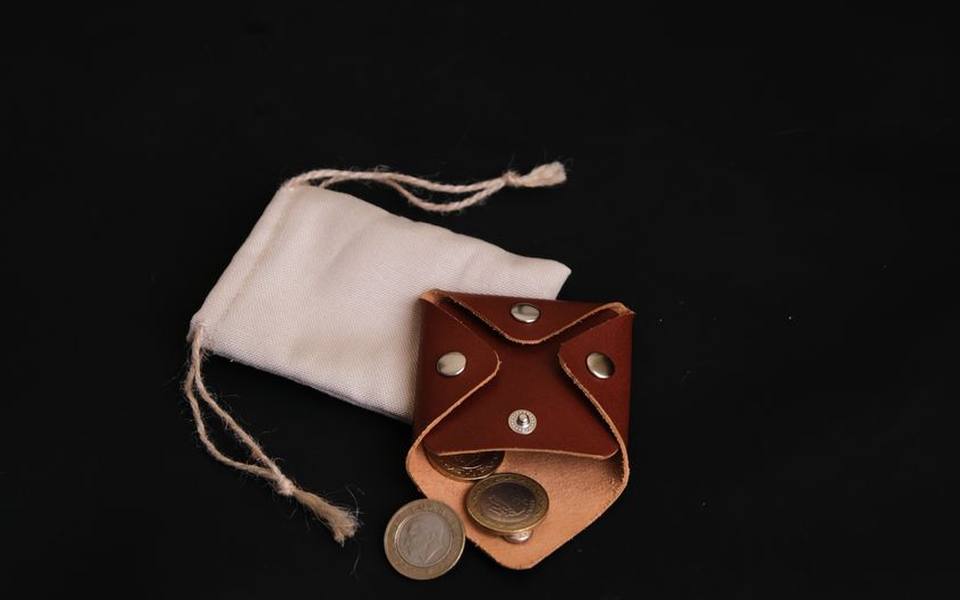
Portion control is critical when handling dozens of repetitions throughout a single training session. Savvy handlers cut soft rewards into pieces no larger than a green pea to prevent digestive upset and avoid filling the dog up too quickly. Using soft textures allows the animal to eat in a fraction of a second and immediately re-engage your attention for the next repetition.
Over time, treats transition from continuous rewards to an intermittent schedule. Once a dog reliably performs a basic sit, down, or stay across multiple environments, handlers gradually taper down the food frequency while increasing praise, play, and life rewards like opening doors or unclipping leashes to maintain high enthusiasm.
Precision Marking With Clickers and Recall Whistles
A clicker is a simple mechanical noisemaker that provides an unmistakable acoustic marker the exact microsecond your dog performs a desired action. Because human verbal praise varies widely in pitch, volume, and inflection, the crisp and uniform sound of a mechanical clicker cuts through ambient noise, letting the dog pinpoint precisely which muscle movement earned the upcoming reward.
Charging the marker takes minimal time: you click and immediately follow with a tasty morsel several dozen times until your pet perks up at the distinct snap. Once established, the clicker acts as a bridge between the physical behavior and the reward, accelerating the speed at which puppies grasp complex positions like heel positioning, chin rests, or clean front sits.
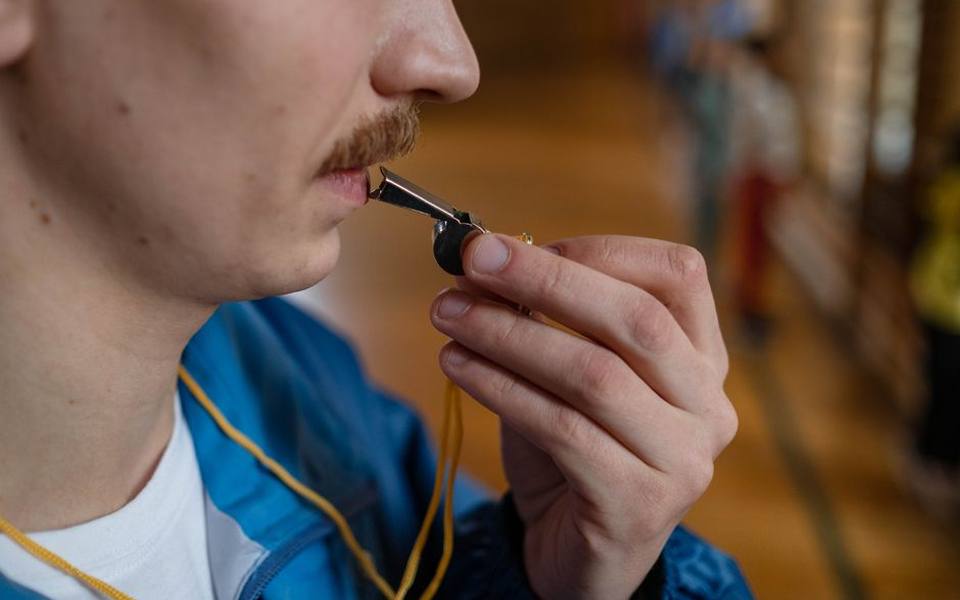
For distance work and outdoor open spaces, high-frequency sound tools like training whistles provide clear advantages over human vocal cords. A whistle carries hundreds of yards across gusty fields, swamp margins, or busy parks without showing panic or emotional strain. Conditioned whistle recalls reliably cut through heavy distractions where verbal calls often get drowned out or ignored.
Establishing Place Boundaries With Raised Platforms
Elevated training platforms and rigid place boards have become standard gear for instilling calm boundary discipline in active dogs. A platform gives an animal an unambiguous physical boundary; they are either cleanly on the wooden or rubberized surface, or they have stepped off. This binary distinction eliminates the fuzzy gray area common with soft, shifting living room rugs.
Teaching the place command on an elevated surface gives hyperactive pets a dedicated job when guests knock or family dinners start. When a dog understands that remaining on their platform yields occasional calm rewards, they develop impulse control and learn to settle their own arousal levels rather than pacing the perimeter of the room.
Platforms also accelerate proper footwork and stationary postures. Handlers frequently use small target boxes to teach precise hind-end awareness, stationary pivots, and tight competition sits. Once your dog demonstrates rock-solid duration on an elevated board, the concept transfers cleanly to flat mats, car seats, or towels in hotel rooms.
Managing Indoor Housebreaking and Scent Marking
Housebreaking requires relentless scheduling, tight management, and vigilant supervision during the first few months of life. Absorbent housebreaking pads provide a practical indoor bathroom solution for high-rise apartment dwellers, tiny toy breeds with miniature bladders, or young pups awaiting full vaccination rounds before touching neighborhood turf.
However, prolonged reliance on fabric-like pads can sometimes blur substrate preferences, leading puppies to confuse soft bath mats, bedroom carpets, or blankets with authorized potty zones. Trainers typically recommend positioning pads directly near exterior exit doors and moving them progressively outside as bladder maturity develops, eventually phasing them out entirely.
A reliable crate training routine prevents the vast majority of overnight accidents and unsupervised chewing spells. Because dogs naturally avoid soiling their primary sleeping quarters, a properly sized crate encourages pups to hold their bladder until scheduled bathroom breaks, speeding up total household reliability across the board.
Navigating Walking Equipment and Collar Options
Choosing walking gear depends heavily on your dog's size, drive level, neck anatomy, and current degree of leash pull. Standard flat nylon or leather collars hold identification tags securely and work well for dogs that already possess polite leash manners, but they can put concentrated pressure on the trachea if an energetic youngster lunges forcefully toward squirrels.

Front-clip harnesses redirect forward pulling momentum sideways, giving owners mechanical leverage without exerting choking force against delicate neck tissue. For long-necked or sight-hound breeds with heads narrower than their necks, martingale collars prevent backing out while distributing tension evenly when slight line corrections occur.
Advanced tools such as remote communication collars or specialized pressure-relief collars require hands-on instruction from skilled professionals to avoid misuse. Handlers should understand that no piece of mechanical walking gear teaches loose-leash walking on its own; equipment simply provides safe physical control while foundational leash pressure games and reward markers do the real teaching.
Evaluating Commercial Pet Store Classes and Group Sessions
For basic socialization and general family manners, entry-level group courses at large retail outlets like PetSmart offer convenient scheduling and modest entry fees. These entry courses typically cover loose leash walking, polite greetings, sits, downs, and basic recalls alongside four to eight other neighborhood dogs, providing controlled exposure to distracting retail smells and sounds.
Independent training academies often provide deeper, specialized curriculums divided by distinct developmental milestones. While national pet store curricula follow standardized corporate workbooks, private facilities often employ certified trainers with broad backgrounds in behavioral modification, working dog sport foundations, and reactive handling.
The primary value of any structured group class lies less in the actual exercises—which can be studied online—and more in the controlled distraction proofing. Learning to sit calmly ten feet away from a whining doodle or an excited young boxer teaches your dog that working alongside unfamiliar canines is standard operating procedure.
Comparing Specialized Franchises and Immersion Programs
When busy working schedules or serious behavioral challenges rule out weekly one-hour group classes, comprehensive immersion programs provide direct professional intervention. Specialized franchises, including national brands like Dog Training Elite, focus heavily on structured in-home coaching combined with park sessions to address barking, separation distress, boundary manners, and off-leash obedience directly inside your home environment.
Board-and-train academies take this immersion further by housing your pet at a trainer's facility for two to four weeks of intensive daily work. While this route delivers rapid behavioral breakthroughs and handles the tedious initial repetitions, the lasting success of board-and-train schooling rests entirely on the handler transition lessons conducted when the dog returns home.
Costs for private immersion coaching and residential programs range widely depending on regional overhead, housing style, and trainer credentialing. Owners should thoroughly tour facilities, inspect sleeping accommodations, verify safety protocols, and ask detailed questions about the exact training philosophies and correction thresholds applied to visiting animals.
Regional Considerations for Coastal and Southern Climates
Geographic climate introduces distinct training challenges that every owner must address during outside obedience drills. In warm, humid coastal zones like northern Florida, outdoor puppy training around Jacksonville demands strict awareness of ground temperatures, high summer humidity, and biting pests that quickly sap a young dog's mental endurance.
Handlers in humid southern environments should plan their active leash work for early morning hours before asphalt sidewalks store scorching heat. Familiarizing yourself with state-specific pet spaces and dog-friendly recreation can help you maintain active exposure; for instance, reviewing self-serve dog washes in Florida provides easy recovery locations after sandy training sessions along Atlantic beaches.
High humidity also changes reward handling outdoors. Soft treats turn sticky in pocket pouches, and dogs tire much faster than in dry, crisp climates. Keeping water breaks frequent, utilizing shaded public parks, and working on indoor engagement drills when afternoon heat indices peak keeps training safe, productive, and comfortable for young developing joints.
Building Obedience on a Budget With Low-Cost Resources
You do not need to spend thousands of dollars to raise a calm, well-behaved companion animal. Countless free educational materials, university animal behavior studies, and video tutorials produced by master trainers explain the mechanics of operant conditioning, luring, capturing, and shaping behaviors from the comfort of your living room.
Many local municipal shelters, humane societies, and rescue organizations offer free or nominal-cost socialization meetups, drop-in puppy playgroups, and foundational obedience clinics for adopted dogs. These nonprofit community seminars deliver valuable coaching tips while connecting you with knowledgeable local volunteers who understand real-world pet parenting.
Practicing everyday boundaries during regular household moments costs absolutely nothing. Asking your dog to sit before opening the back door, waiting quietly before their food bowl hits the kitchen floor, and practicing thirty-second down-stays during television commercial breaks build durable, lifelong discipline without requiring expensive private contracts.
Transitioning Training Skills to Real-World Outings
The true test of practical obedience occurs outside the backyard fence during everyday errands, neighborhood strolls, and community visits. Taking a trained dog out into urban areas requires them to maintain focus despite loud traffic, bicycle commuters, food wrappers, and approaching children wanting to offer uninvited head pats.
Regular field trips to pet-friendly retail spaces, outdoor cafes, and maintenance stations provide exceptional mental conditioning. Many handlers pair training outings with maintenance stops; visiting self-serve dog wash stations or local walk-in dog washes lets you practice cooperative care commands—like standing still on slick tub surfaces and accepting mechanical blow dryers—in neutral public settings.
Integrating grooming manners, leash handling, and boundary patience turns obedience from a temporary school exercise into a lifelong lifestyle. When you consistently reinforce basic manners across diverse settings, your dog evolves into a relaxed, dependable partner ready for road trips, busy parks, and peaceful household living.
Published 2026-09-21 · reviewed with each rebuild, last September 2026.
Find self-serve dog washes near you
The directory lists 2,264 self-serve dog washes by state and city — pick your state or use the “Near me” button in the header.
More guides
-
 Money
MoneyUnderstanding the Costs of Grooming and Washing Your Dog
-
 Service
Canine Scent Gland Care: Symptoms, DIY Steps, and Professional Costs
-
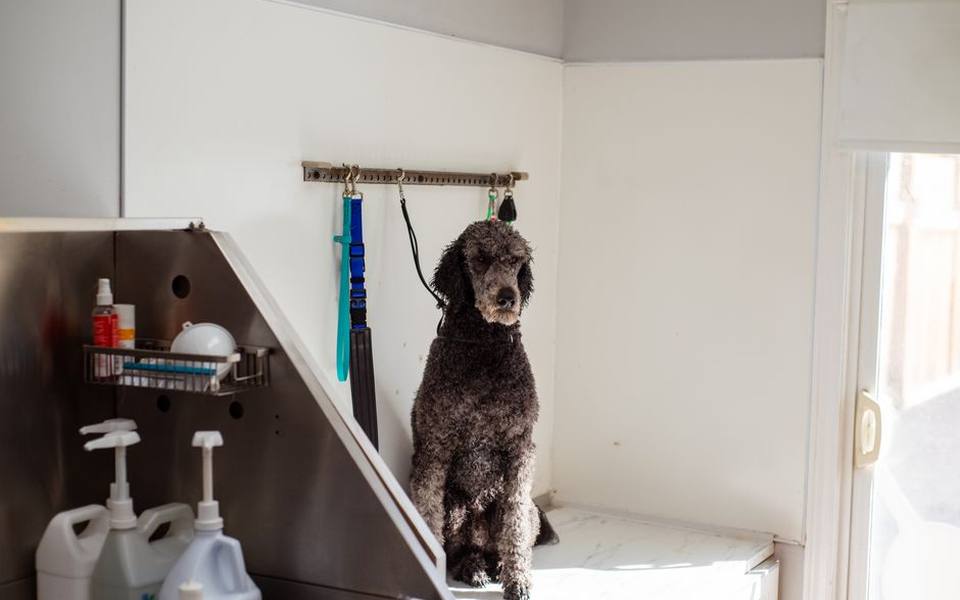 Money
MoneyDog Grooming Cost Breakdown: Salons, Mobile Vans, and Retail Chains
-
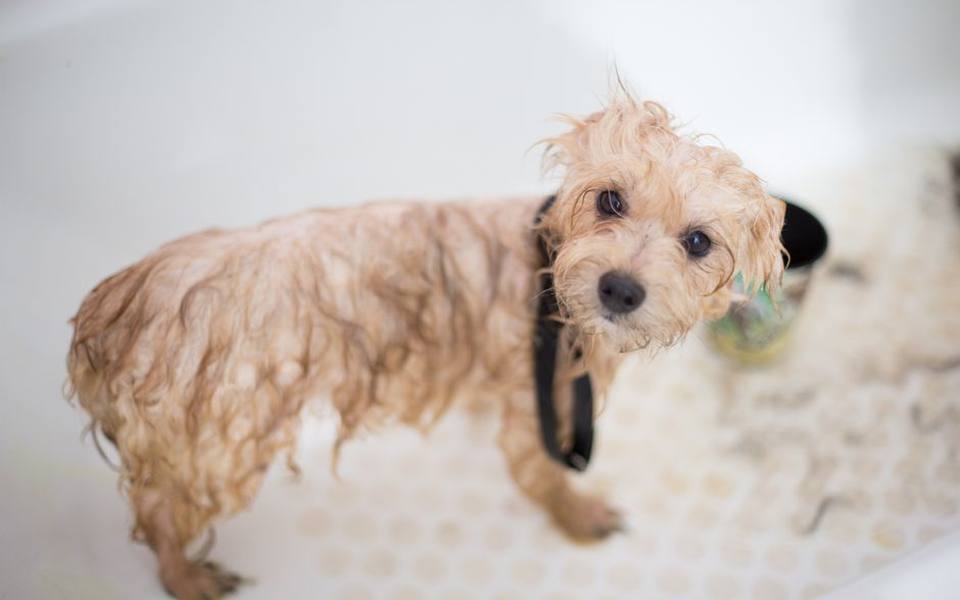 Service
Dog Anal Gland Expression: How It Works, When It Is Needed, and Typical Costs
-
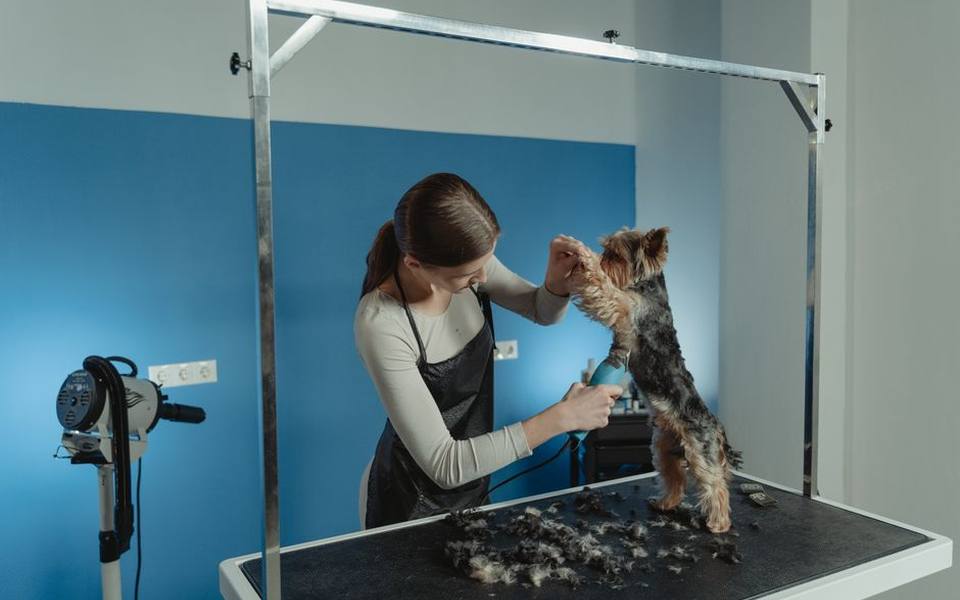 Owning
Essential Dog Grooming Tools: Choosing Clippers, Shears, and Maintaining Blades
-
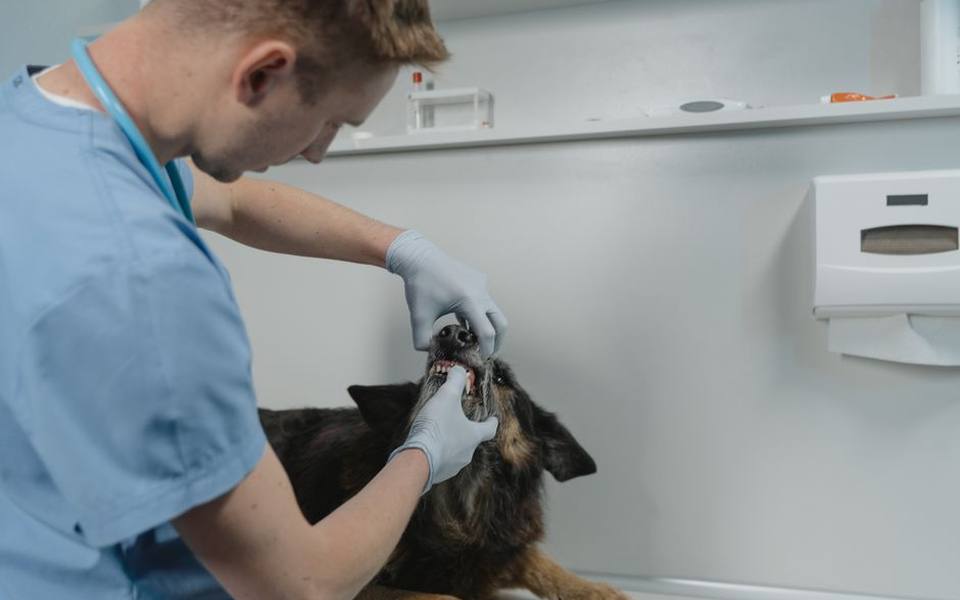 Money
MoneyDog Teeth Cleaning Costs: Vet Anesthesia vs. Non-Anesthetic Options
-
 Service
How to Choose the Best Local Dog Groomer: What to Look For
-
 Service
Self-Service Dog Wash Guide: Locations, Pricing, and How It Works
-
 Owning
Complete Dog Anal Gland Care: How to Express, Symptoms, and Safe Techniques
-
 Service
Professional Dog Grooming and Self-Wash Stations: Comparing Costs, Services, and Formats
-
 Owning
Dog Nail Trimming and Grinding Guide: Clippers, Rotary Tools, and Safe At-Home Care
-
 Service
Popular Dog Haircut Styles: Breed Cuts, Teddy Bear Trims, and Styling Rules
-
 Owning
Managing Dog Itchy Skin and Fleas: Medicated Baths, Shampoos, and Remedies
-
 Service
Complete Cat Grooming Guide: Bathing, Haircuts, Nail Trimming, and Mobile Care
-
 Owning
Dog Ear Cleaning and Flushing Solutions: Preventing Wax Build-Up and Infections
-
 Owning
Dog Anal Gland Care: Expression, Swollen Glands, and Hygiene Solutions
-
 Owning
Dog Blow Drying, Coat Coloring, and Waterless Grooming Essentials
-
 Owning
Essential Grooming Tools: Brushes, De-Matting, Odor Neutralizers, and Paw Care
-
 Owning
Canine Dental Hygiene Guide: Toothbrushes, Powders, and Tartar Control
-
 Owning
Ultimate Guide to Dog Haircut Styles by Breed: Puppy Cuts, Teddy Bear, and Lion Clips
-
 Owning
How to Treat Dog Itchy Skin and Allergies: Medications, Shampoos, and Home Remedies
-
 Safety
How to Trim Dog Nails Safely: Clippers vs Grinders and Techniques
-
 Service
Professional Dog Grooming Services: Costs, Salons, and At-Home Options
-
 Owning
Dog Dental Care Guide: Toothbrushes, Powders, and At-Home Cleaning
-
 Safety
Dog Ear Cleaning Solutions, Wax Buildup, and Infection Care Guide
-
 Owning
Choosing the Right Dog Shampoo for Dry Skin, Dandruff, Fleas, and Ticks
-
 Owning
Self-Serve Dog Wash Stations and Home Bathing Setup Guide
-
 Buying
Essential Professional Grooming Tools, Clippers, and Blade Care
-
 Owning
Dog Nail Trimming, Grinding, Polish, and Safe Hair Dye: A Practical Guide
-
 Service
Dog Haircuts and Breed Styling Guide: Popular Cuts, Trims, and Coat Care
-
 Service
Cat Grooming and Styling: Lion Cuts, Bathing, and Coat Care
-
 Owning
Dog Ear Care and Skunk Odor Removal: Cleaning, Wax, and Emergency Deodorizing
-
 Safety
Dog Flea Baths and Medicated Shampoos: OTC and Prescription Remedies
-
 Owning
Complete Guide to Raw Dog Food Nutrition and Diets
-
 Owning
Dog Birthday Cakes, Safe Treats, and Celebration Guide
-
 Service
Hiring a Dog Walker: Services, Rates, and Agency Options
-
 Service
Dog Breed Haircuts, Styling, and Coat Maintenance Guide