Understanding Canine Anal Sacs and Normal Function
Anal gland expression is the manual or natural emptying of the two small scent reservoirs situated on either side of an animal's rectum. Dogs naturally release this dark, pungent fluid whenever they pass a bowel movement, which serves as a unique chemical signature used to communicate territory and identity to other animals. The glands themselves sit hidden slightly beneath the skin at approximately the four o'clock and eight o'clock positions relative to the anus.
Under ordinary conditions, a healthy dog empties these small reservoirs without any outside intervention. Firm stool pressing against the colon wall as the dog defecates creates enough mechanical pressure to squeeze the sacs, evacuating a tiny drop of oily secretion into the passing waste. When stools are consistently soft or when internal duct passages become narrow or inflamed, secretions accumulate inside the sacs rather than discharging smoothly.
Problems arise when retained fluid thickens from a light oily liquid into a pasty or gritty sludge that cannot clear through natural channels. This accumulation leads to physical pressure, localized swelling, and varying degrees of itchiness or discomfort. Understanding the mechanics of how these scent glands function helps dog owners distinguish between routine self-maintenance and an impaction requiring manual intervention.
Identifying the Symptoms of Full or Impacted Glands
The most recognizable sign that a canine needs scent gland relief is scooting, which occurs when a dog drags its hindquarters across carpets, grass, or rough pavement to relieve pressure. While scooting can occasionally signal intestinal parasites, full anal sacs remain the most frequent culprit. Dogs will often stop abruptly during play or walks to sit down quickly, attempting to compress the area against the floor.
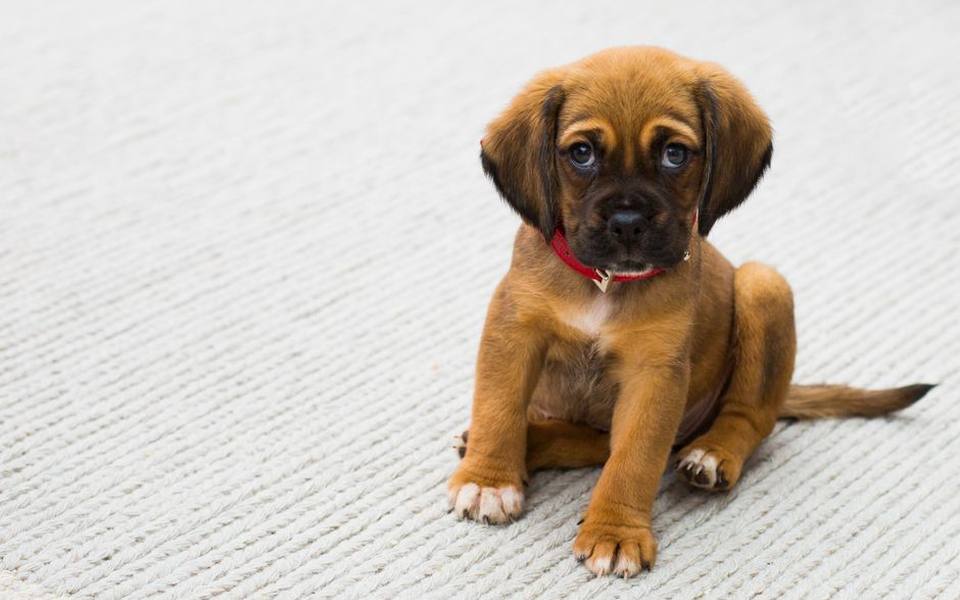
Excessive licking, nibbling, or biting at the base of the tail, flanks, or perineal region serves as another strong indicator. Affected pets often emit a sudden, metallic, or intensely fishy odor that seems to cling to their bedding and coat. In some cases, a dog might chase its tail obsessively or appear agitated whenever someone brushes near its hips or lifts its tail for inspection.
Physical inspection may reveal visible swelling, firm grape-sized lumps beneath the skin below the anus, or localized skin redness. If an animal shows clear signs of straining during elimination, whimpers when squatting, or avoids sitting flat on its hind legs, the internal pressure has reached a level that warrants prompt attention before an infection or rupture can take hold.
Do Dogs Truly Need Their Anal Glands Expressed Regularly?
A common misconception among pet parents is that every dog requires routine manual emptying on a strict monthly timetable. In reality, a large percentage of healthy dogs live their entire lives without ever needing manual expression. Regular, unnecessary squeezing can cause microscopic tissue trauma, localized inflammation, and eventual scarring around the delicate exit ducts, making it harder for the sacs to empty naturally.
Manual intervention is primarily reserved for dogs that show clear clinical symptoms of blockage or those with documented chronic anatomical issues. Small breeds, including Chihuahuas, Pugs, Cocker Spaniels, and Miniature Poodles, are structurally more prone to poor drainage due to smaller duct openings and deeper gland placement. Overweight dogs also face higher risk because excess adipose tissue cushions the rectum and prevents stool from applying adequate pressure.
Rather than scheduling preventive expressions for a completely comfortable dog, owners should monitor their pet's behavior and stool quality. Adding dietary fiber, maintaining an ideal body weight, and addressing food allergies typically resolve mild drainage issues far more effectively than repetitive manual clearing, preserving natural muscle tone and normal duct function over the long term.
Step-by-Step Guide to Performing External Expression at Home
If you decide to empty your dog's anal sacs at home, preparation and gentle handling are essential for safety and comfort. Begin by gathering disposable latex or nitrile gloves, a stack of heavy-duty paper towels or damp washcloths, and a pet-safe soothing wipe. Having a second person gently hold your dog's head and torso helps keep the animal calm and prevents sudden movements that could cause injury.
Stand behind your dog, lift the tail gently upward with one hand to expose the perineum, and use your gloved hand to locate the sacs. Place your thumb and index finger on either side of the anus at roughly the four and eight o'clock positions, feeling just beneath the surface for two small, soft, pea-sized or grape-sized swellings. Cover the entire rectal opening securely with a thick layer of paper towels to catch any escaping fluid.
Apply smooth, gentle pressure inward and upward toward the center of the anus in a slight milking motion. You should never pinch, twist, or squeeze forcefully; if the glands are ready to empty, a small volume of brown or greyish pungent liquid will release into your towel. Once the sacs flatten beneath your fingers, clean the surrounding skin thoroughly with a moist pet wipe to eliminate lingering residue.
External Squeezing Versus Professional Internal Expression
The external method described above is the standard approach used by pet owners and professional grooming salons because it requires no insertion into the body cavity. While external squeezing is safer for non-medical personnel, it cannot always evacuate thick, dried, or deeply seated secretions. Groomers generally rely on external pressure to clear superficial fullness without crossing into clinical medical territory.
Internal expression is performed almost exclusively by licensed veterinary technicians and veterinarians. In this procedure, the practitioner inserts a lubricated, gloved index finger into the dog's rectum while using their thumb externally to isolate the gland entirely. This internal technique allows the clinician to feel the exact consistency, thickness, and condition of each sac, clearing stubborn contents that external pressure cannot dislodge.
Attempting internal expression without veterinary training presents significant hazards, including rectal tears, severe pain, and accidental puncture of inflamed gland walls. If your dog exhibits signs of distress, or if your gentle external attempts fail to produce fluid despite obvious swelling, you should immediately halt the process and book an appointment with your veterinarian for a proper internal examination.
Managing Odor and Post-Care at a Wash Facility
Anal gland secretion possesses one of the most stubborn and offensive odors in the canine world, frequently lingering on fabrics, tile grout, and skin for days. Because of this lingering musk, attempting to empty scent sacs over home carpets or in enclosed residential bathrooms often creates an unpleasant household cleanup project. Performing the task immediately before or during a bath is the best strategy.
Many pet parents find it far more practical to utilize dedicated self-serve dog wash stations, where elevated tubs, commercial warm water sprayers, and specialized deodorizing shampoos make post-expression bathing seamless. These dedicated facilities allow owners to wash away pungent oils directly down commercial drains, eliminating the risk of staining household towels or dealing with lingering odors in domestic living spaces.
For owners whose pets suddenly experience intense rear-end discomfort late in the evening, certain regions offer 24-hour dog washes that provide round-the-clock access to bathing equipment. Immediately lathering the hindquarters with an enzymatic or citrus-based dog shampoo following an expression breaks down the heavy lipid compounds in the scent fluid, leaving your dog clean, refreshed, and comfortable.
Determining How Often Scent Glands Require Emptying
The ideal frequency for emptying canine anal sacs varies drastically from one pet to another, with no universal timeline applying across the board. Some dogs with chronic anatomical misalignment or low muscle tone might require assistance every four to six weeks, while others only need help once or twice per year during seasonal allergy flare-ups. Dogs with balanced digestion and firm stools often go years without needing help.
A major danger of adhering to a rigid, frequent expression schedule is the risk of muscular atrophy and tissue relaxation. If human fingers consistently perform the work of emptying the sacs, the local sphincter muscles may lose their natural tone, creating permanent reliance on manual expressions. It is generally best to empty the glands only when your dog demonstrates visible discomfort or scooting behavior.
Working closely with a primary care veterinarian allows you to establish a baseline that matches your pet's specific physiology. If you notice your dog needing expression more frequently than every four weeks, you should discuss underlying triggers such as food sensitivities, chronic soft stools, or pelvic conformation with your vet rather than simply continuing frequent manual extractions.
Professional Service Costs and Grooming Rates
When considering professional care, the cost to express anal glands depends heavily on whether you visit a veterinary clinic or a pet grooming salon. A standalone expression at a veterinary office typically ranges between $25 and $50, which often excludes the baseline examination fee if a doctor must inspect the animal. Standalone expressions at dedicated grooming shops typically cost between $15 and $30.
Many grooming establishments bundle external expression into full-service packages that encompass baths, nail trims, ear cleaning, and hair cutting. Visiting regional pet salons or checking out local walk-in dog washes that host visiting groomers can be a convenient way to handle maintenance without waiting weeks for an appointment. In full-service packages, the gland check is frequently absorbed into the overall base price.
Geographic location also plays a significant role in professional grooming pricing. Metropolitan areas with higher operating expenses, such as the numerous pet facilities cataloged among self-serve dog washes in California, may reflect slightly higher rates compared to rural clinics. Always ask beforehand whether the service provider performs an external squeeze or provides a comprehensive veterinary medical evaluation.
Comparing Feline Scent Gland Care and Grooming Rates
Cats possess identical scent reservoirs on either side of their rectum, but feline gland problems occur far less frequently than in dogs. When cats do experience impaction, it is commonly linked to advanced age, obesity, severe constipation, or spine mobility issues that prevent normal crouching. Because feline tissues are exceptionally delicate, manual expression in cats should almost always be left to veterinary professionals.
Cat owners inquiring about grooming maintenance frequently ask about cat grooming prices and general salon costs. Professional cat grooming cost typically sits higher than standard canine grooming, with basic bath-and-brush visits generally running between $60 and $90, while comprehensive clipping packages or de-matting sessions often exceed $100 to $140. The specialized handling, bite risks, and patient techniques required for cats justify these higher rates.
Most commercial pet salons will not perform anal gland expression on cats due to the fragility of feline anal ducts and the stress it induces in the animal. If a feline exhibits scooting, excessive genital licking, or discomfort near the base of the tail, owners should bypass grooming parlors entirely and consult a feline veterinary clinic to ensure proper, safe medical care.
Warning Signs of Impaction, Abscess, and Gland Rupture
While routine fullness causes mild annoyance and scooting, a neglected blockage can rapidly evolve into a painful abscess. When secretions cannot escape, bacteria multiply within the trapped fluid, leading to severe inflammation, swelling, and localized fever. The dog's rear area will become extremely tender to the touch, and the pet may actively snap or cry out if anyone approaches its hindquarters.
If left untreated, an abscessed anal gland will eventually rupture through the adjacent skin to relieve internal pressure. A rupture manifests as an open, draining wound beneath or beside the anus, oozing bloody fluid and purulent discharge. Once a rupture occurs, immediate veterinary medical treatment is required, encompassing systemic antibiotics, topical flushes, pain medications, and protective e-collars.
For animals that suffer from persistent, severe infections that fail to respond to dietary fiber and medical treatment, a surgical procedure known as an anal sacculectomy might be recommended. This operation permanently removes both scent sacs. While effective, it carries modest risks of nerve damage or fecal incontinence, making it a final option reserved exclusively for chronic, intractable cases.
Published 2026-09-20 · reviewed with each rebuild, last September 2026.
Find self-serve dog washes near you
The directory lists 2,264 self-serve dog washes by state and city — pick your state or use the “Near me” button in the header.
More guides
-
 Money
MoneyUnderstanding the Costs of Grooming and Washing Your Dog
-
 Money
MoneyDog Grooming Cost Breakdown: Salons, Mobile Vans, and Retail Chains
-
 Service
Dog Anal Gland Expression: How It Works, When It Is Needed, and Typical Costs
-
 Owning
Essential Dog Grooming Tools: Choosing Clippers, Shears, and Maintaining Blades
-
 Money
MoneyDog Teeth Cleaning Costs: Vet Anesthesia vs. Non-Anesthetic Options
-
 Service
How to Choose the Best Local Dog Groomer: What to Look For
-
 Service
Self-Service Dog Wash Guide: Locations, Pricing, and How It Works
-
 Owning
Complete Dog Anal Gland Care: How to Express, Symptoms, and Safe Techniques
-
 Service
Professional Dog Grooming and Self-Wash Stations: Comparing Costs, Services, and Formats
-
 Owning
Dog Nail Trimming and Grinding Guide: Clippers, Rotary Tools, and Safe At-Home Care
-
 Service
Popular Dog Haircut Styles: Breed Cuts, Teddy Bear Trims, and Styling Rules
-
 Owning
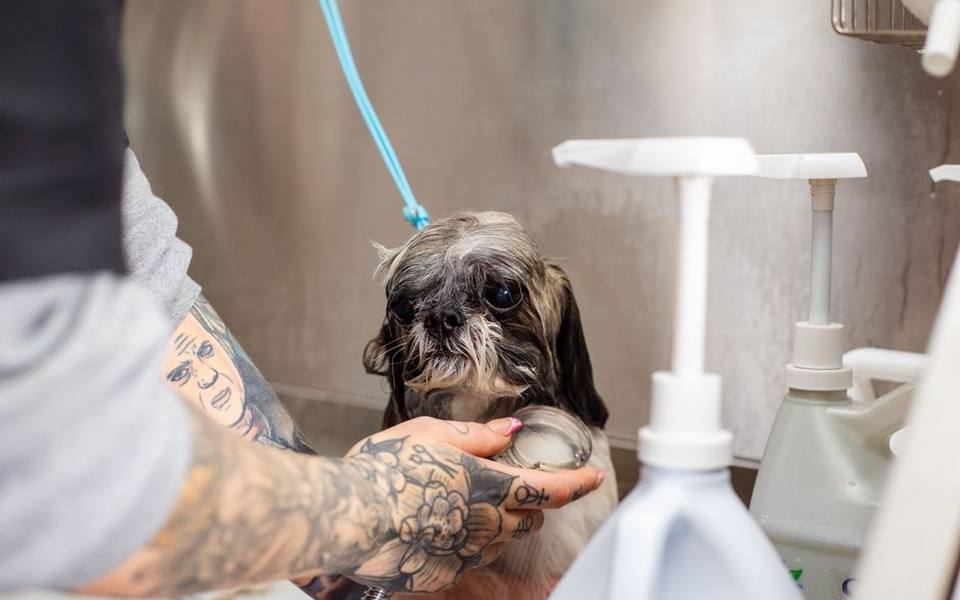
Managing Dog Itchy Skin and Fleas: Medicated Baths, Shampoos, and Remedies
-
 Service
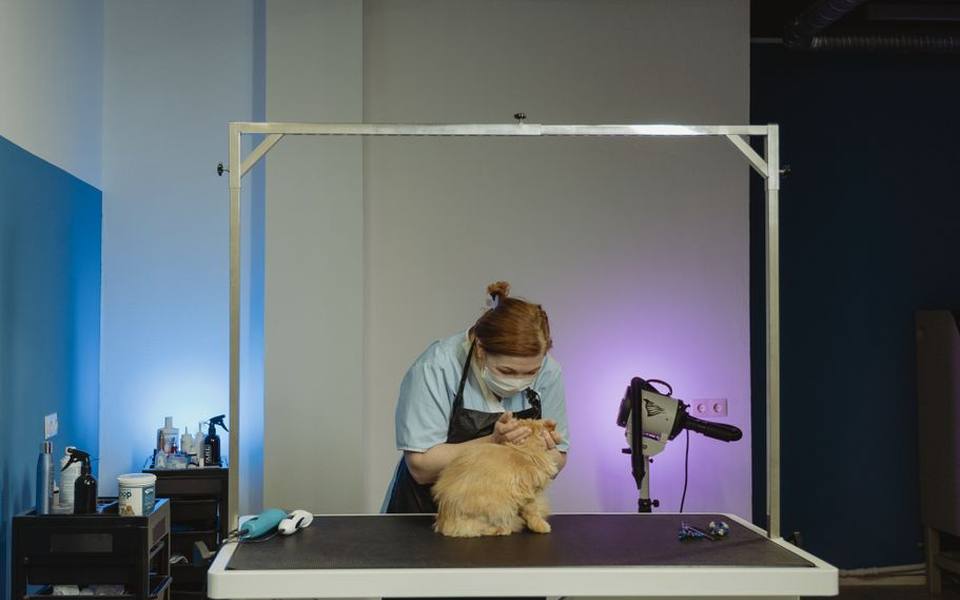
Complete Cat Grooming Guide: Bathing, Haircuts, Nail Trimming, and Mobile Care
-
 Owning
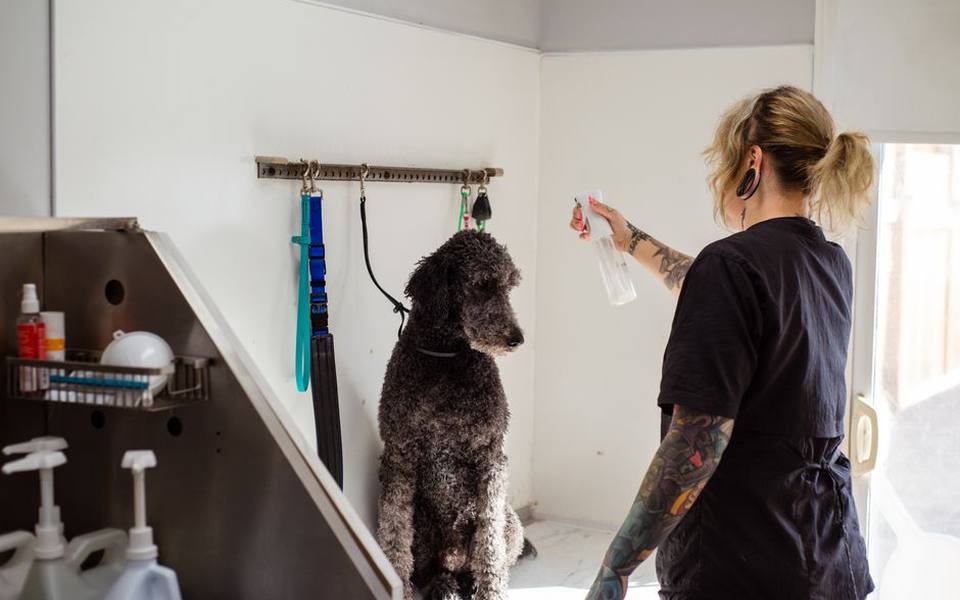
Dog Ear Cleaning and Flushing Solutions: Preventing Wax Build-Up and Infections
-
 Owning
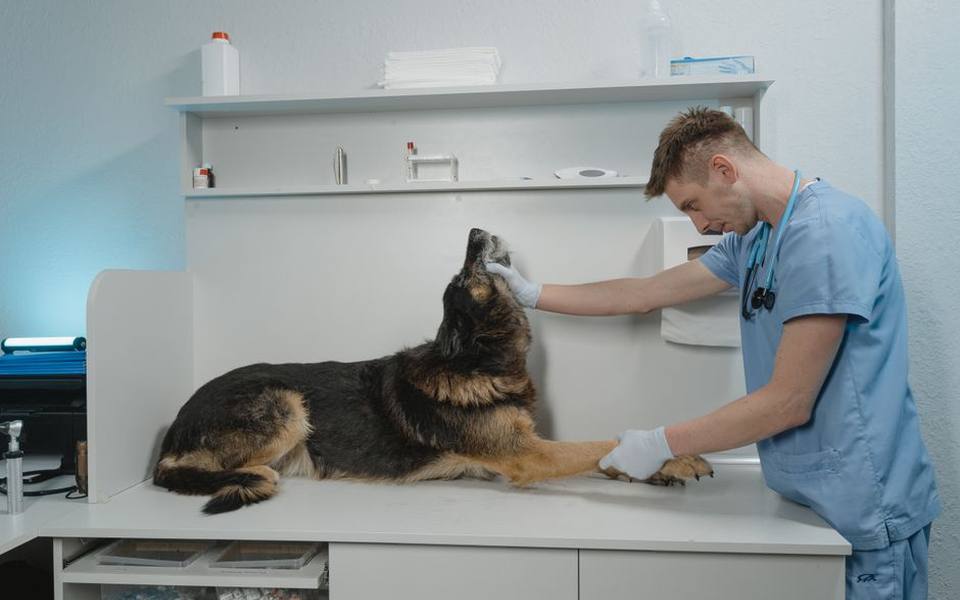
Dog Anal Gland Care: Expression, Swollen Glands, and Hygiene Solutions
-
 Owning
Dog Blow Drying, Coat Coloring, and Waterless Grooming Essentials
-
 Owning
Essential Grooming Tools: Brushes, De-Matting, Odor Neutralizers, and Paw Care
-
 Owning
Canine Dental Hygiene Guide: Toothbrushes, Powders, and Tartar Control
-
 Owning
Complete Guide to Dog Training: Methods, Equipment, Classes, and Costs
-
 Owning
Ultimate Guide to Dog Haircut Styles by Breed: Puppy Cuts, Teddy Bear, and Lion Clips
-
 Owning
How to Treat Dog Itchy Skin and Allergies: Medications, Shampoos, and Home Remedies
-
 Safety
How to Trim Dog Nails Safely: Clippers vs Grinders and Techniques
-
 Service
Professional Dog Grooming Services: Costs, Salons, and At-Home Options
-
 Owning
Dog Dental Care Guide: Toothbrushes, Powders, and At-Home Cleaning
-
 Safety
Dog Ear Cleaning Solutions, Wax Buildup, and Infection Care Guide
-
 Owning
Choosing the Right Dog Shampoo for Dry Skin, Dandruff, Fleas, and Ticks
-
 Owning
Self-Serve Dog Wash Stations and Home Bathing Setup Guide
-
 Buying
Essential Professional Grooming Tools, Clippers, and Blade Care
-
 Owning
Dog Nail Trimming, Grinding, Polish, and Safe Hair Dye: A Practical Guide
-
 Service
Dog Haircuts and Breed Styling Guide: Popular Cuts, Trims, and Coat Care
-
 Service
Cat Grooming and Styling: Lion Cuts, Bathing, and Coat Care
-
 Owning
Dog Ear Care and Skunk Odor Removal: Cleaning, Wax, and Emergency Deodorizing
-
 Safety
Dog Flea Baths and Medicated Shampoos: OTC and Prescription Remedies
-
 Owning
Complete Guide to Raw Dog Food Nutrition and Diets
-
 Owning
Dog Birthday Cakes, Safe Treats, and Celebration Guide
-
 Service
Hiring a Dog Walker: Services, Rates, and Agency Options
-
 Service
Dog Breed Haircuts, Styling, and Coat Maintenance Guide