Understanding Canine Skin and Bathing Basics
Healthy dog skin relies on a delicate balance of natural oils and a specific pH that differs significantly from human skin. When a dog develops dry patches, relentless itching, or white flakes along their back, the immediate reaction is often to bathe them more frequently. However, washing too often with harsh cleansers strips away the protective lipid barrier, turning minor dryness into a persistent and uncomfortable cycle of irritation.
Most veterinary dermatologists recommend bathing an average house pet once every three to four weeks unless they get muddy or suffer from an active skin condition. Selecting the proper formula requires looking closely at active ingredients rather than pleasant scents. Using human soaps or fragranced cleansers can disrupt the cutaneous acid mantle, opening the door to secondary yeast and bacterial infections that require medical intervention.
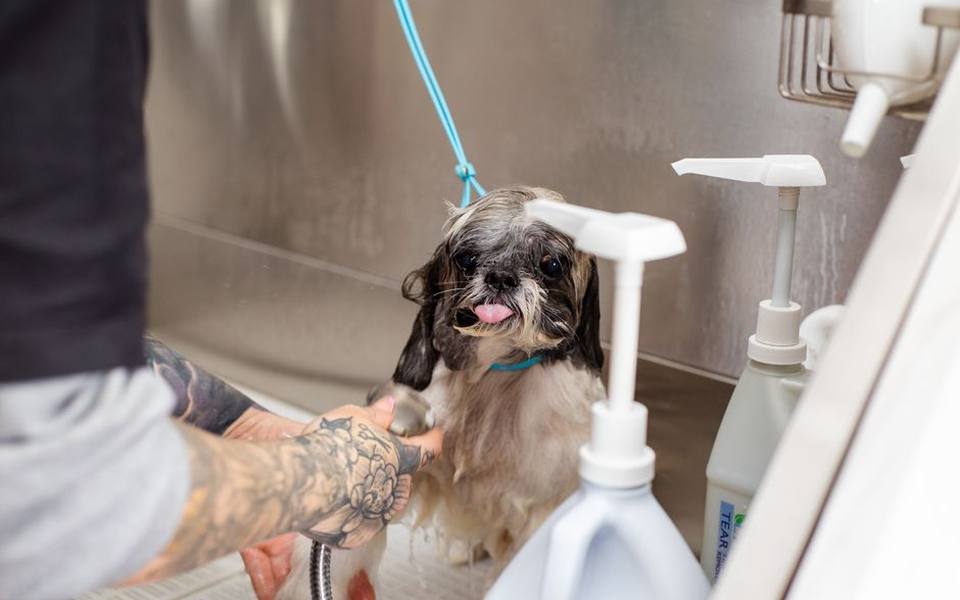
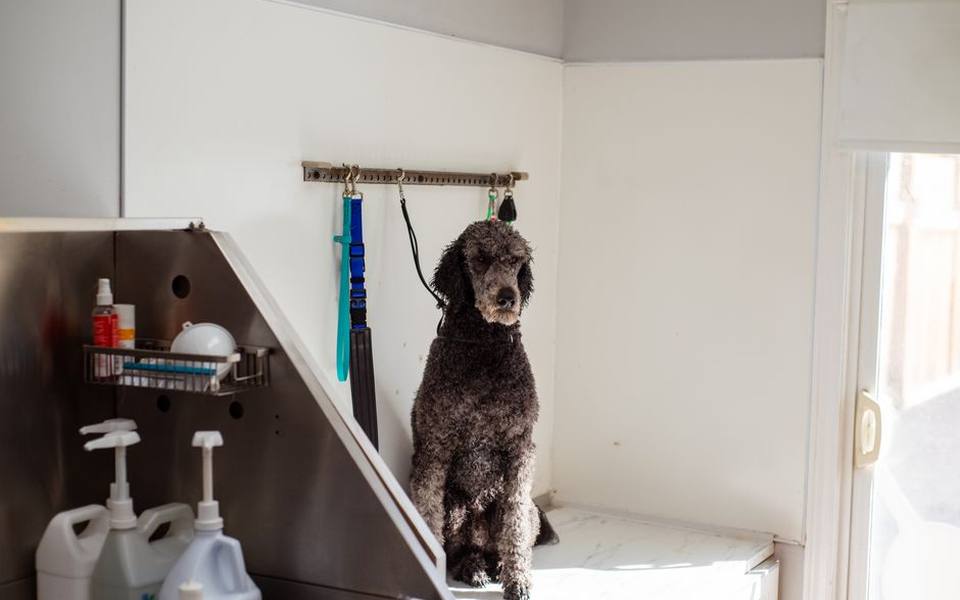
If you prefer handling bath time outside your home bathroom to avoid plumbing clogs and messy cleanups, visiting dedicated self-serve stations provides elevated tubs, regulated water temperatures, and professional blow dryers that make the entire process far less stressful for both you and your pet.
Before applying any specialized product, you should brush your dog thoroughly to remove dead hair and loosen debris. Water penetrates dense undercoats much more effectively when mats are cleared out first, allowing soothing agents or antiparasitic formulas to reach the dermal layer directly.
Soothe Dryness with Hydrating Washes
Canine xerosis, commonly known as simple dry skin, frequently flares up during winter months when indoor heating lowers ambient humidity, or in arid climates with high sun exposure. When searching for a hydrating wash, formulas featuring colloidal oatmeal, aloe vera, glycerin, and natural plant oils like coconut or jojoba provide immediate relief by drawing moisture into the stratum corneum and sealing micro-tears in the tissue.
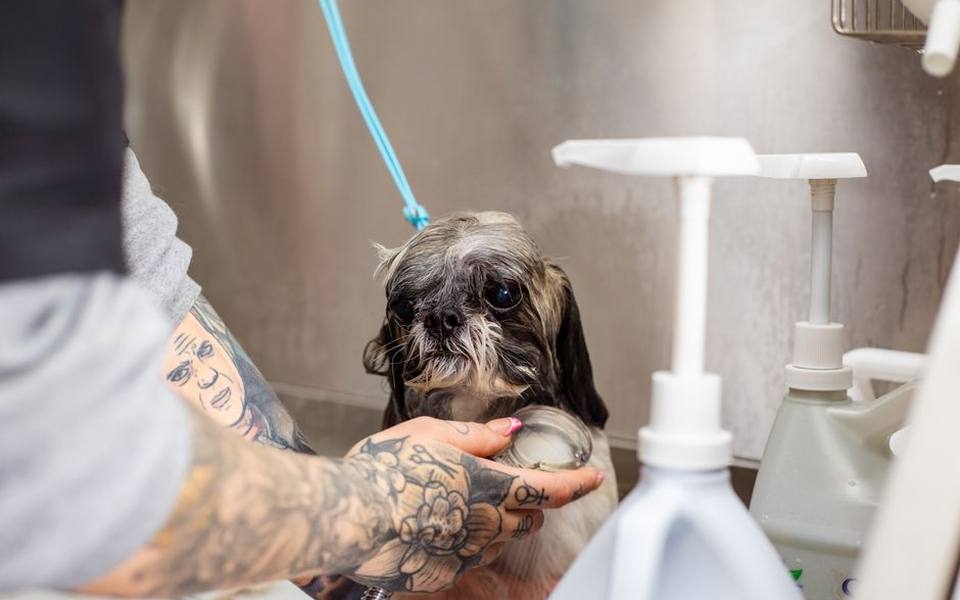
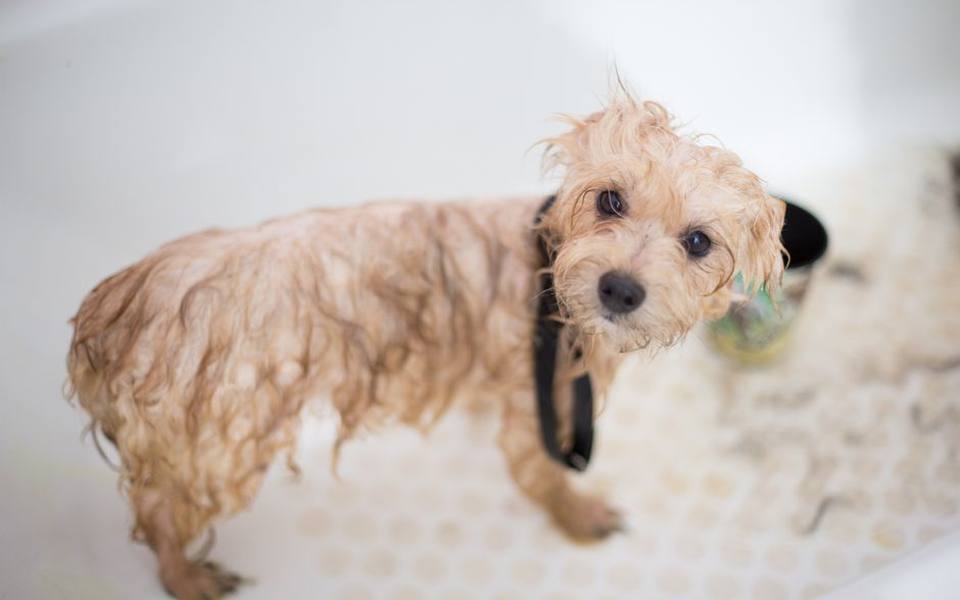
High-grade colloidal oatmeal suspensions coat nerve endings to halt the itch-scratch cycle while aloe vera reduces localized heat and redness. Bathing your dog with lukewarm water is crucial here, as hot water strips natural sebum instantly and exacerbates inflammation, leaving the coat feeling brittle and the skin taut and uncomfortable within hours.
Many owners find that commercially prepared oatmeal and aloe mixtures strike an ideal balance between effective cleaning and deep hydration without leaving greasy residues behind. When lathering a dog with dry skin, let the suds sit quietly on the body for five to ten minutes before rinsing. This contact time allows moisturizing compounds to bind to individual cells rather than washing straight down the drain.
Always rinse thoroughly until the runoff water is completely clear. Lingering soap film dries into a chalky layer that mimics flaking and triggers renewed scratching, which often misleads owners into thinking the dryness has worsened when the real culprit was an incomplete rinse.
Tackling Flakes and Dandruff Effectively
Canine dandruff, clinically termed seborrhea, occurs when the skin produces excess keratinized cells that shed in visible white flakes across the coat. Seborrhea typically falls into two categories: seborrhea sicca, which produces dry, powdery scaling, and seborrhea oleosa, which creates greasy, yellowish flakes accompanied by a distinct rancid odor. Differentiating between the two is vital because treating greasy flakes with heavy oils will worsen the issue.
Dry flakes respond remarkably well to gentle keratolytic agents such as sulfur and salicylic acid in mild concentrations, which loosen dead scales so they rinse away cleanly. Greasy seborrhea often requires medicated washes containing benzoyl peroxide, selenium sulfide, or coal tar derivatives formulated specifically for dogs to cut through stubborn waxy buildup without causing chemical burns.
Persistent flaking may also signal environmental allergies, dietary fatty acid deficiencies, or underlying hormonal imbalances like hypothyroidism. If your dog continues shedding heavy flakes after three consecutive weeks of targeted bathing, consult your veterinarian for diagnostic scrapings and bloodwork to rule out endocrine disorders or microscopic mite infestations.
For pet parents dealing with messy medicated baths that require extensive soak times, utilizing convenient walk-ins welcome facilities makes keeping up with weekly treatment schedules manageable without turning your home into a wet, slippery clinic.
Safe Remedies for Water-Averse Dogs
Not every dog tolerates standing in a tub of warm water, especially senior dogs dealing with painful arthritis, post-surgical patients with bandaged incisions, or deeply anxious rescues. In these scenarios, waterless cleansers and no-rinse foams offer a practical bridge to refresh the coat, lift dander, and calm mild surface itching without the stress of a full immersion bath.
Dry cleansers for dogs generally come in three formats: aerosolized foams, spray-on leave-in conditioning mists, and absorbent powder rubs. Powder formulas, often built on food-grade cornstarch, arrowroot, and baking soda, absorb excess body oils and neutralize trapped odors. You massage the powder into the fur down to the roots and then brush it out completely using a slicker brush.
Liquid leave-in sprays and micellar foams provide light surface hydration for flaky areas without soaking the dense undercoat. While these products excel at spot cleaning paws and muddy bellies or freshening up between grooming visits, they cannot substitute for a deep therapeutic bath when treating severe fungal overgrowths or active flea colonies.
When using any leave-in powder or foam, apply small amounts incrementally to prevent clumping. Ensure your dog does not inhale airborne dust during application by shielding their face and muzzle with a dry hand or soft towel.
Managing Fleas and Ticks in the Wash Tub
Encountering external parasites demands fast, decisive action to stop blood-feeding and prevent household infestations. Antiparasitic washes work as knockdown agents designed to kill live adult fleas and ticks currently crawling on your dog upon direct contact. Traditional insecticidal washes rely on synthetic pyrethrins or permethrins to paralyze parasite nervous systems rapidly.
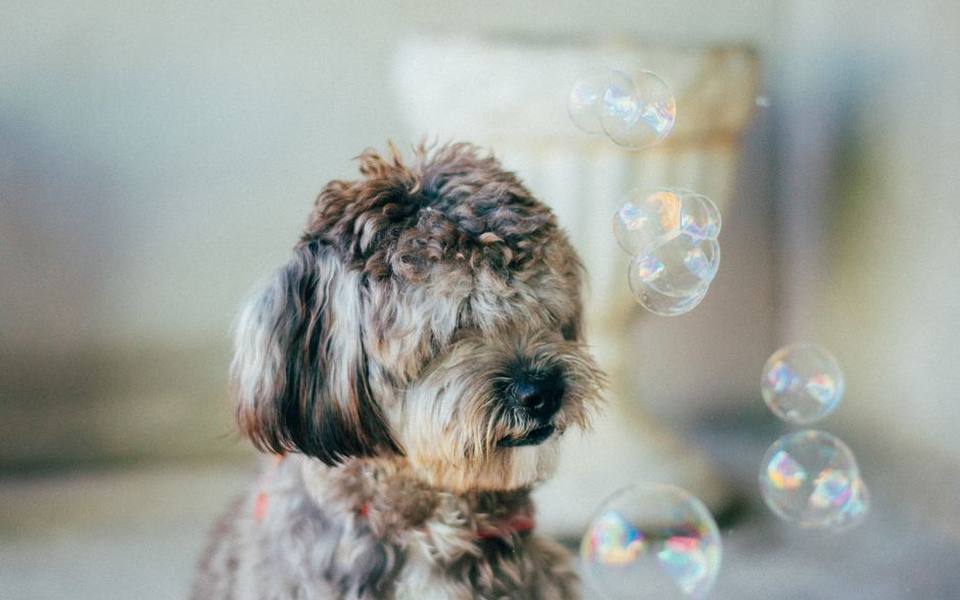
Natural parasite-repelling cleansers incorporate botanical extracts such as cedarwood, peppermint, clove, and lemongrass oils. While these plant-based options provide a gentler experience for sensitive animals, their residual protection is minimal compared to oral or topical veterinary preventatives. An antiparasitic bath should serve as a clearing step, immediately followed by long-term preventative care approved by your vet.
When washing a dog infested with parasites, always apply a thick ring of shampoo around the dog's neck before wetting the rest of the body. Parasites instinctively flee rising water and gather around the ears, eyes, and muzzle; this soapy barrier blocks their retreat and traps them on the torso where they can be thoroughly washed out.
Take your pet to well-equipped self-service dog wash stations if you discover ticks or heavy flea dirt, as professional drain traps and high-pressure rinse wands allow you to flush dead parasites out of the coat without bringing hundreds of pests into your living room.
Gentle At-Home Soothing Treatments
When store-bought products are unavailable or your dog reacts poorly to commercial preservatives, simple pantry staples can provide genuine relief for irritated dermal tissue. An unflavored colloidal oatmeal soak represents one of the safest home therapies available: grind plain, whole-grain oats into a microscopic powder in a clean coffee grinder, then dissolve several tablespoons into a lukewarm bath until the water turns milky.
Pouring this silky mixture over your pet's back and massaging it into irritated spots calms hot spots and seasonal contact itchiness without harsh chemicals. Diluted organic apple cider vinegar rinses also serve as a traditional supportive therapy for yeasty paws and dull coats, thanks to mild acetic acid that helps rebalance skin surface acidity.
To use vinegar safely, dilute raw, unfiltered apple cider vinegar with warm water in a strict one-to-one ratio, apply it as an after-wash rinse, and towel dry without rinsing. Never apply vinegar or acidic solutions to broken skin, open raw scratches, or actively bleeding flea bites, as the sharp burning sensation will cause severe distress.
Cold-pressed virgin coconut oil works well as an overnight topical balm for localized dry patches on elbows and paw pads. Rub a pea-sized amount directly into rough skin until absorbed; while harmless if licked in tiny amounts, excessive licking of oils can trigger gastrointestinal upset, so monitor your pet closely after application.
Preventing Post-Bath Irritation and Flaking
The washing process itself only accounts for half of successful skin management; how you dry and finish your dog determines whether their skin stays supple or flares into an itchy mess. Rubbing roughly with coarse bath towels generates friction that breaks fragile hair shafts and abrades sensitive skin cells, causing acute post-bath itching within minutes.
Instead, press super-absorbent microfiber towels gently against the coat to blot away standing water. When using mechanical dryers, stick strictly to cool or warm air settings. High heat dries out the surface epithelium in seconds, triggering immediate rebound flaking and causing dogs to scratch at their flanks and ears relentlessly.
Bath time is also an ideal opportunity to check other grooming requirements. Overgrown claws alter the angle of your dog's paws, leading to postural strain and frequent scratching at ears and armpits; pairing bath time with professional dog nail trimming & grinding keeps paws tidy and prevents sharp edges from lacerating sensitive skin.
If you find managing restless dogs while holding nail clippers challenging, seeking out local locations with nail clipping offered allows trained staff to handle paw maintenance safely while your pet is secured in a non-slip wash stall.
Dietary Support for Coat Health
Topical washes manage symptoms from the outside, but long-term skin resilience originates from within through balanced cellular nutrition. Chronic dryness, seasonal dandruff, and coarse shedding often point directly to an insufficiency of essential fatty acids in your dog's daily meal plan, particularly Omega-3 and Omega-6 polyunsaturated fats.
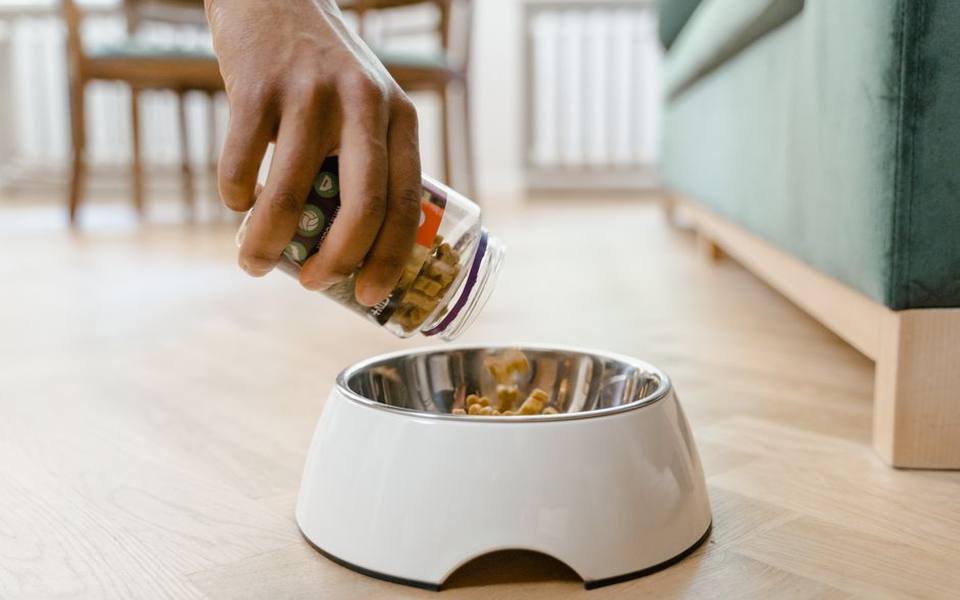
Omega-3 fatty acids derived from marine sources like wild salmon, menhaden, or sardine oil deliver potent amounts of eicosapentaenoic acid (EPA) and docosahexaenoic acid (DHA). These marine fatty acids actively inhibit inflammatory pathways in the skin, reducing allergic responses, redness, and the overall volume of dander shed around the house.
Plant-based oils, including flaxseed and evening primrose, supply alpha-linolenic acid, though dogs convert plant Omega-3s far less efficiently than fish oils. Zinc, biotin, and vitamin E also play central roles in keratinization and lipid barrier maintenance; high-quality commercial dog foods usually supply these, but dogs on raw or home-cooked diets may require careful supplementation.
Always consult your vet before introducing concentrated oil supplements. Introducing fats too quickly can cause loose stools or pancreatitis in sensitive breeds, and proper dosing typically depends on your dog's exact body weight, baseline diet, and specific health conditions.
When to Visit the Veterinarian
While mild dandruff and temporary dryness respond well to over-the-counter soothing cleansers, certain symptoms demand immediate veterinary diagnosis rather than another trip to the wash tub. Bathing a dog that has an undiagnosed deep bacterial infection or parasitic mange with standard grooming washes will often worsen the condition and delay proper medical treatment.
Red-flag indicators include open sores, oozing scabs, circular hair loss patches resembling ringworm, hot spots that expand rapidly, or a pervasive yeasty odor emanating from the ears and groin. Severe itchiness where a dog bites themselves until they bleed signals an acute problem requiring prescription topicals, oral antibiotics, or targeted anti-itch medications.
Parasite infestations that persist despite insecticidal washes also require prescription intervention. Fleas reproduce at an astonishing pace, and the few adults visible on your pet represent merely a fraction of the eggs, larvae, and pupae hiding in carpets, bedding, and baseboards throughout your living space.
A veterinarian can perform superficial skin scrapings, tape prep cytology, and fungal cultures in minutes, pinpointing the exact pathogen involved. Pairing professional medical prescriptions with regular maintenance at local wash stations ensures your companion stays clean, comfortable, and flake-free year-round.
Published 2026-09-21 · reviewed with each rebuild, last September 2026.
Find self-serve dog washes near you
The directory lists 2,264 self-serve dog washes by state and city — pick your state or use the “Near me” button in the header.
More guides
-
 Money
MoneyUnderstanding the Costs of Grooming and Washing Your Dog
-
 Service
Canine Scent Gland Care: Symptoms, DIY Steps, and Professional Costs
-
 Money
MoneyDog Grooming Cost Breakdown: Salons, Mobile Vans, and Retail Chains
-
 Service
Dog Anal Gland Expression: How It Works, When It Is Needed, and Typical Costs
-
 Owning
Essential Dog Grooming Tools: Choosing Clippers, Shears, and Maintaining Blades
-
 Money
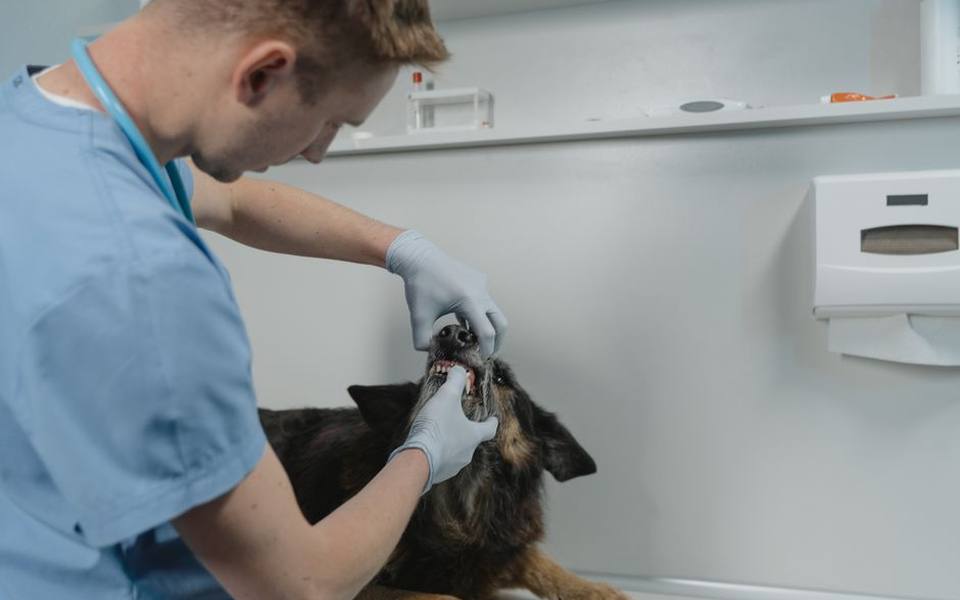
MoneyDog Teeth Cleaning Costs: Vet Anesthesia vs. Non-Anesthetic Options
-
 Service
How to Choose the Best Local Dog Groomer: What to Look For
-
 Service
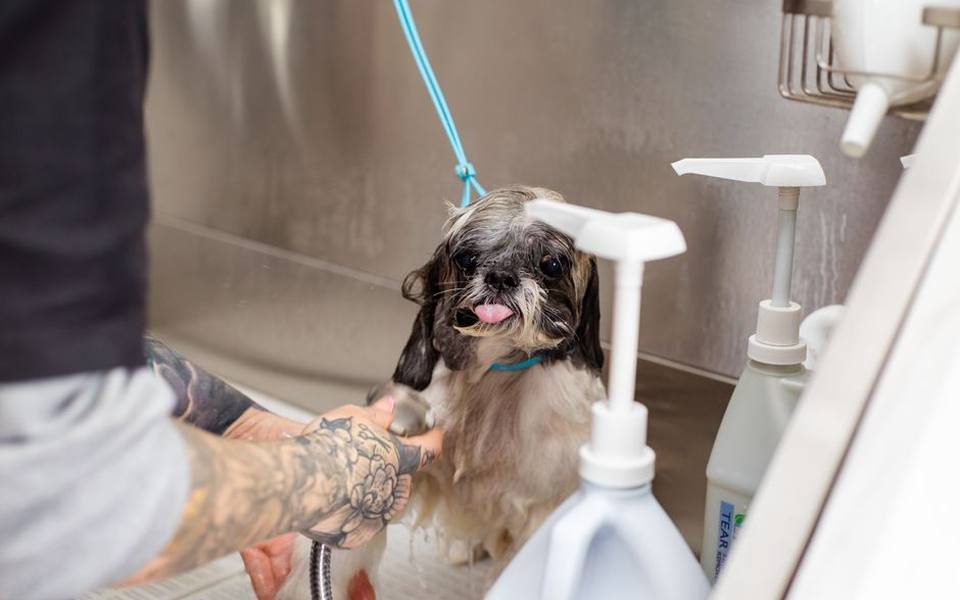
Self-Service Dog Wash Guide: Locations, Pricing, and How It Works
-
 Owning
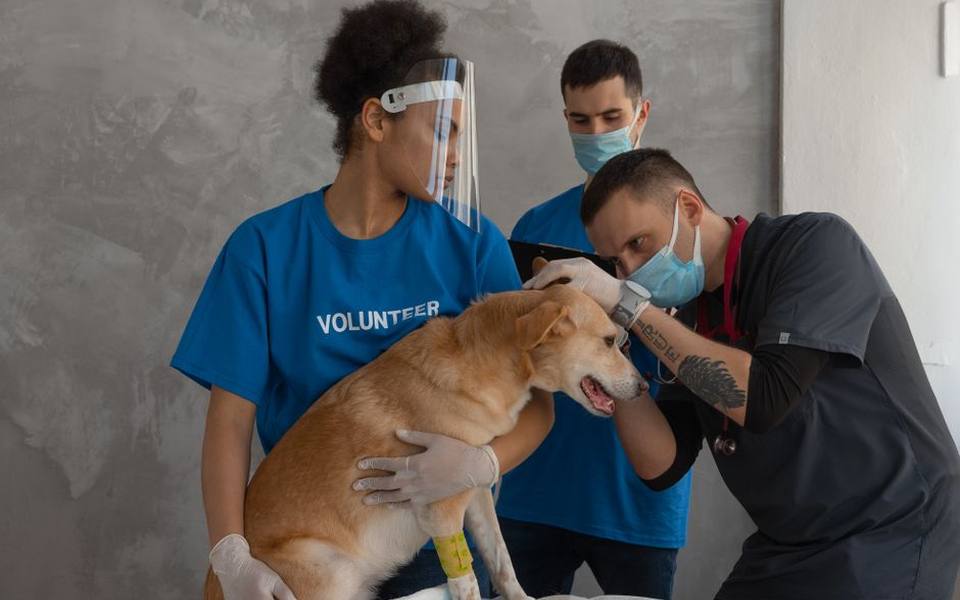
Complete Dog Anal Gland Care: How to Express, Symptoms, and Safe Techniques
-
 Service
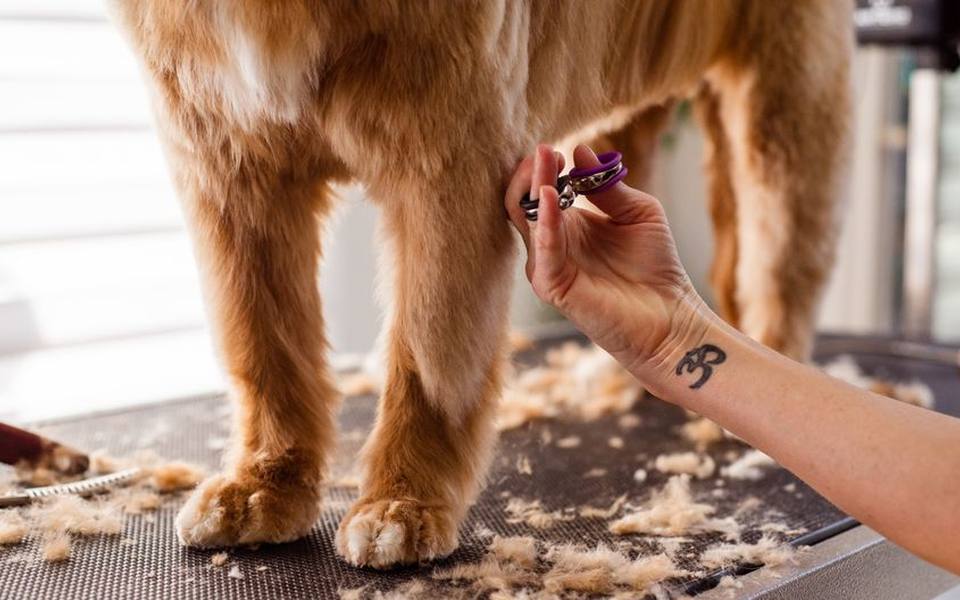
Professional Dog Grooming and Self-Wash Stations: Comparing Costs, Services, and Formats
-
 Owning
Dog Nail Trimming and Grinding Guide: Clippers, Rotary Tools, and Safe At-Home Care
-
 Service
Popular Dog Haircut Styles: Breed Cuts, Teddy Bear Trims, and Styling Rules
-
 Owning
Managing Dog Itchy Skin and Fleas: Medicated Baths, Shampoos, and Remedies
-
 Service
Complete Cat Grooming Guide: Bathing, Haircuts, Nail Trimming, and Mobile Care
-
 Owning
Dog Ear Cleaning and Flushing Solutions: Preventing Wax Build-Up and Infections
-
 Owning
Dog Anal Gland Care: Expression, Swollen Glands, and Hygiene Solutions
-
 Owning
Dog Blow Drying, Coat Coloring, and Waterless Grooming Essentials
-
 Owning
Essential Grooming Tools: Brushes, De-Matting, Odor Neutralizers, and Paw Care
-
 Owning
Canine Dental Hygiene Guide: Toothbrushes, Powders, and Tartar Control
-
 Owning
Complete Guide to Dog Training: Methods, Equipment, Classes, and Costs
-
 Owning
Ultimate Guide to Dog Haircut Styles by Breed: Puppy Cuts, Teddy Bear, and Lion Clips
-
 Owning
How to Treat Dog Itchy Skin and Allergies: Medications, Shampoos, and Home Remedies
-
 Safety
How to Trim Dog Nails Safely: Clippers vs Grinders and Techniques
-
 Service
Professional Dog Grooming Services: Costs, Salons, and At-Home Options
-
 Owning
Dog Dental Care Guide: Toothbrushes, Powders, and At-Home Cleaning
-
 Safety
Dog Ear Cleaning Solutions, Wax Buildup, and Infection Care Guide
-
 Owning
Self-Serve Dog Wash Stations and Home Bathing Setup Guide
-
 Buying
Essential Professional Grooming Tools, Clippers, and Blade Care
-
 Owning
Dog Nail Trimming, Grinding, Polish, and Safe Hair Dye: A Practical Guide
-
 Service
Dog Haircuts and Breed Styling Guide: Popular Cuts, Trims, and Coat Care
-
 Service
Cat Grooming and Styling: Lion Cuts, Bathing, and Coat Care
-
 Owning
Dog Ear Care and Skunk Odor Removal: Cleaning, Wax, and Emergency Deodorizing
-
 Safety
Dog Flea Baths and Medicated Shampoos: OTC and Prescription Remedies
-
 Owning
Complete Guide to Raw Dog Food Nutrition and Diets
-
 Owning
Dog Birthday Cakes, Safe Treats, and Celebration Guide
-
 Service
Hiring a Dog Walker: Services, Rates, and Agency Options
-
 Service
Dog Breed Haircuts, Styling, and Coat Maintenance Guide