Why Canine Ear Anatomy Creates Cleaning Challenges
A dog’s ear canal is shaped quite differently from a human ear, which directly influences how debris gathers and how it must be removed. Rather than running straight horizontally toward the eardrum, the canine canal travels downward vertically before making a sharp turn inward. This unique L-shaped structure protects the delicate internal components from external puncture, but it also means that moisture, shed skin cells, and secreted oils easily become trapped at the bend.
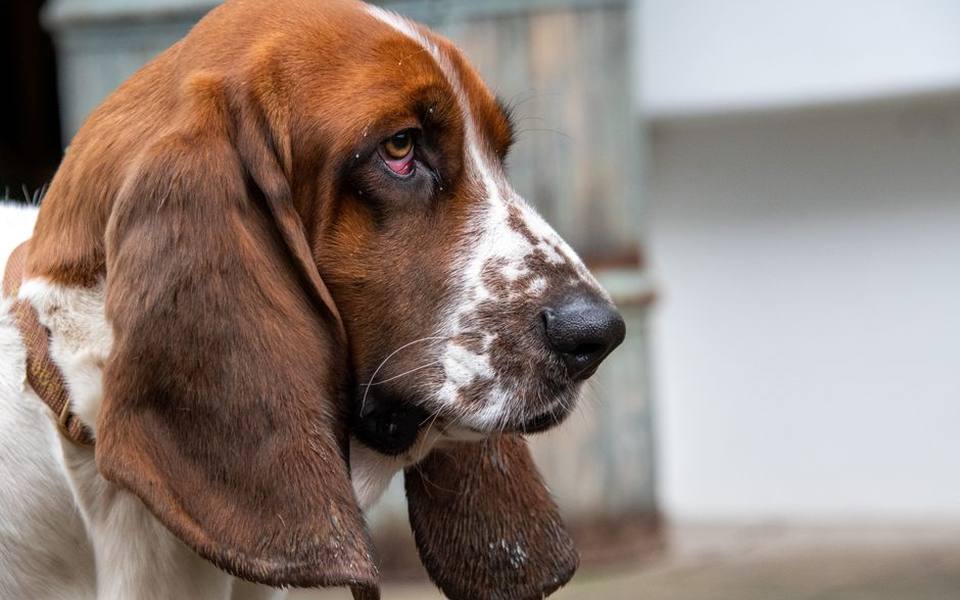
Because airflow down into the horizontal canal is naturally restricted, standard evaporative drying happens slowly. In floppy-eared breeds like Basset Hounds, Cocker Spaniels, or Golden Retrievers, heavy ear flaps cover the opening completely, creating a warm, humid microclimate where naturally occurring yeast and bacteria can multiply rapidly. Even dogs with erect ears collect airborne dirt, seeds, and outdoor matter that cannot escape without deliberate mechanical assistance.
Understanding this internal path explains why surface wiping alone rarely resolves chronic congestion. While the outer flap might look clean, dense wax frequently consolidates around the lower bend where owners cannot see it. Regular maintenance requires liquid canine ear cleaner formulas capable of floating stubborn buildup upward so the dog can shake it free, keeping the canal clear without risking physical trauma to the deeper membranes.
Recognizing Normal Wax Versus Active Ear Troubles
Healthy dog ears usually require very little intervention beyond occasional spot maintenance and regular checks. A normal ear canal appears light pink, dry, and free of persistent odors, carrying only a faint smear of pale amber or light yellowish wax. This natural wax plays an essential role by coating the skin lining, trapping microscopic grit, and moving outward naturally as the jaw moves during chewing and barking.
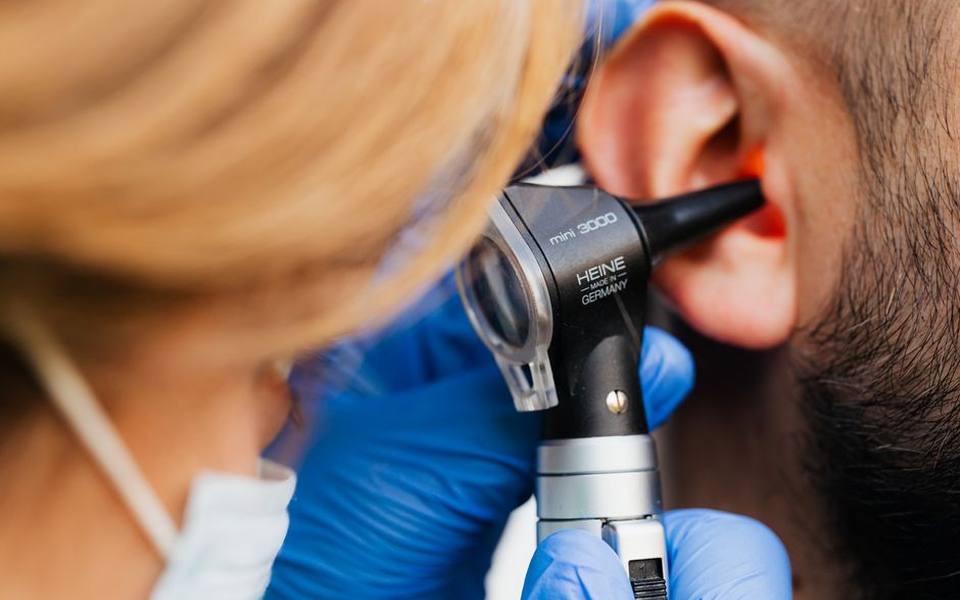
Trouble typically begins when the color, texture, or volume of discharge shifts noticeably. If you observe thick dark brown residue resembling coffee grounds, yellow-green discharge, or a foul, pungent odor reminiscent of sour bread, an overgrowth of yeast or bacteria is likely present. Repeated head shaking, holding the head tilted to one side, or scratching vigorously at the base of the skull also indicate significant discomfort that standard grooming cannot cure.
Attempting routine dog ear cleaning while an active, painful infection is brewing can worsen inflammation and cause severe pain. When inner tissues become bright red, swollen, or warm to the touch, the skin is already compromised. In such circumstances, pouring standard maintenance liquids into the ear without a veterinarian first confirming that the tympanic membrane is intact can lead to hearing complications or inner ear balance issues.
Choosing the Right Dog Ear Cleaning Solution
The market offers dozens of liquid ear care options, making selection confusing for dog owners wanting reliable results. A high-quality dog ear cleaning solution should always be veterinary-formulated to match the slightly acidic or neutral pH range of canine skin. Household remedies like vinegar concoctions, rubbing alcohol, or hydrogen peroxide should never be used, as they severely burn inflamed skin, strip protective oils, and cause cellular damage within the canal.
Over-the-counter maintenance formulas generally rely on mild surfactants that break down oily secretions alongside gentle drying agents like benzoic acid or salicylic acid. These drying ingredients help absorb excess fluid without causing uncomfortable dehydration of the epidermal barrier. For active pets that enjoy swimming, incorporating a canine ear cleaning solution with mild astringent properties after water play helps stop moisture-loving microorganisms from taking hold.
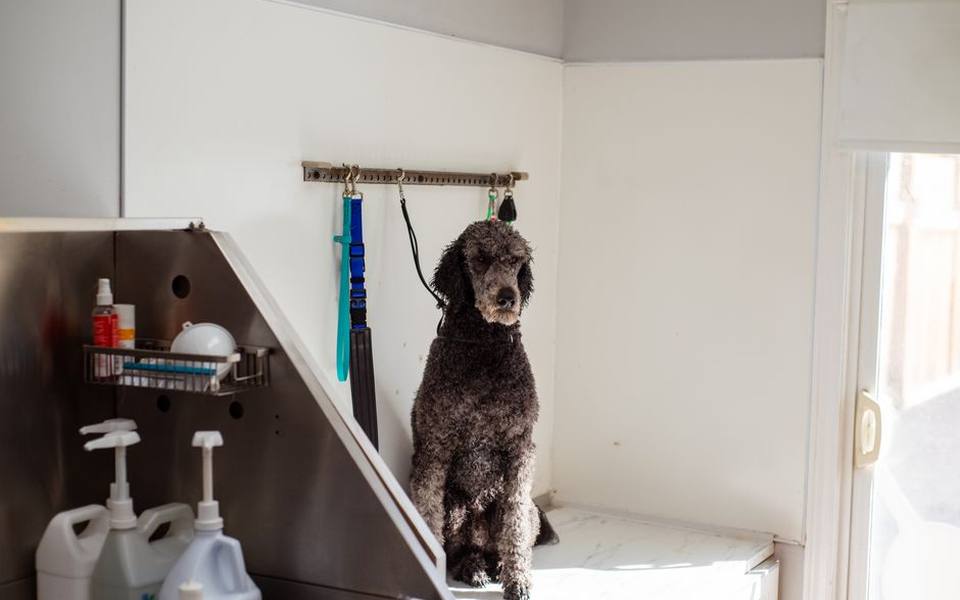
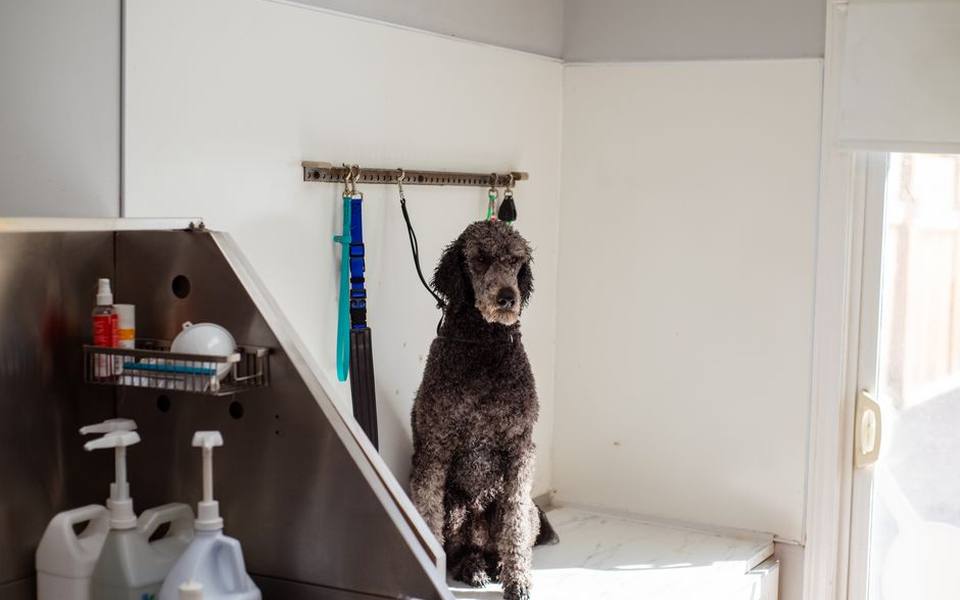
Many owners prefer to keep bottles of reliable cleaner handy at home or bring them along when visiting self-service dog wash stations. Modern facilities make the cleanup process much simpler by containing the mess of head shaking after liquid application. Verifying that a product contains no artificial fragrances or harsh preservatives will safeguard your dog from contact dermatitis, particularly if they have known environmental allergies.
Flushing Solutions and Medicated Formulations
When wax accumulation becomes heavy or a dog experiences recurrent seasonal flare-ups, simple surface washing is rarely sufficient. A dedicated dog ear flushing solution is designed with higher fluid volume and specific chelating buffers to soften dense plugs of sebum deep inside the horizontal canal. These flushes work mechanically by flooding the cavity, loosening adhered material, and lifting it toward the exterior where it can be safely wiped away.
In clinical and preventative care, veterinarians frequently recommend therapeutic flushes featuring antimicrobial and antifungal agents. Formulations containing tromethamine, disodium EDTA, and ketoconazole—commonly recognized in broad-spectrum veterinary flushes such as TrizUltra Keto—are engineered to disrupt bacterial cell walls and suppress yeast proliferation. The EDTA works synergistically to weaken stubborn microbial biofilms, allowing the active ingredients to function at lower, non-irritating concentrations.
Using a targeted dog ear flush solution requires patience and gentle handling. The bottle tip should never be wedged forcefully into the opening; instead, rest the nozzle just above the canal entrance to allow the liquid to flow in under gravity. Once the vertical passage is filled, gentle massage at the base of the ear produces a distinct squishing sound, confirming that the fluid has reached the lower junction where dried matter accumulates.
Gentle Routines for Puppies and Sensitive Dogs
Introducing ear hygiene during puppyhood sets the foundation for stress-free handling throughout a pet’s life. A puppy ear cleaning solution is typically formulated without aggressive drying acids or medicinal actives, focusing instead on soothing botanicals, pure saline bases, or gentle cleansers like chamomile and aloe. Young ear tissues are particularly delicate, and introducing a stinging or intensely cold liquid can create immediate grooming phobias.
Before ever introducing liquid into the ear, spend several days getting your puppy accustomed to having their ears touched and inspected. Lift the flap, rub the cartilage gently, and offer small treats while the pup remains relaxed. Once handling is accepted, warm the bottle slightly between your palms before application; cold liquids dripped directly into the ear canal can trigger an involuntary balance reflex known as the caloric response, making the dog dizzy and anxious.
Begin with minimal volume, rewarding cooperation generously. Early exposure makes future visits for full-body grooming or sessions at walk-in dog washes much smoother. Puppies that accept ear handling calmly are far easier to treat later in life if they ever develop seasonal allergies, foreign body entrapments, or ear mites during their outdoor adventures.
Ear Wipes Versus Deep Liquid Washes
Pet owners often wonder whether a textured dog ear wipe can replace liquid solutions entirely. The short answer depends on which part of the ear you are addressing. Pre-moistened wipes are exceptionally convenient for daily or weekly surface maintenance, cleaning dirt and loose wax from the inner pinna (the visible ear flap) and clearing the immediate entrance of the vertical canal without making a mess.
Wipes are also ideal for quick touch-ups after dusty hikes or routine yard play, ensuring that airborne grit does not gradually slide down into the lower passages. Because wipes do not require pouring liquid into the ear, dogs that are deeply anxious about bottle applicators tolerate them with significantly less fuss. However, a wipe physically cannot reach around the internal anatomical bend where true blockages settle.
For comprehensive hygiene and cleaner ears throughout, combining both formats is typically the most effective approach. Use deep flushes once or twice a month—or following swimming—to dislodge trapped matter from the deeper canal, and rely on gentle wipes for intervening weeks to keep the outer ridges neat. This dual routine minimizes liquid exposure while ensuring wax does not build up undisturbed inside the inner recesses.
Step-by-Step Flushing Technique for Home or Grooming
Performing a proper ear flush requires having all your supplies organized before you begin. You will need your chosen canine ear cleaning solution, several soft cotton rounds or gauze pads, and plenty of training rewards. Place your dog in a comfortable position, ideally with their back against a wall or corner so they cannot easily back away from you during the process.
Gently lift the ear flap upward and outward to straighten the vertical canal as much as natural anatomy allows. Carefully position the bottle tip at the opening without forcing it inside, and squeeze until you see the fluid rise near the rim of the canal. Immediately grasp the base of the ear just below the opening between your thumb and fingers, massaging firmly for 20 to 30 seconds to allow the liquid to break apart stubborn debris.
Step back slightly and let your dog shake their head vigorously; this natural shaking action brings deep-seated wax and excess cleaner up into the visible outer ear. Use your cotton rounds to wipe away the expelled fluid and discharge from the flap and opening. Taking advantage of tubs at self-serve dog wash stations keeps the resulting spray off your living room walls and furniture, making regular maintenance far less daunting.
Integrating Ear Care into Full Bathing and Grooming
Ear maintenance should always be closely linked with your regular bathing and coat brushing schedule. During a full bath, tap water can easily splash into the ear canal, diluting protective secretions and introducing moisture that encourages bacterial multiplication. Placing large cotton balls gently at the entrance of each canal prior to washing helps block running water while lathering shampoo around the head and neck.
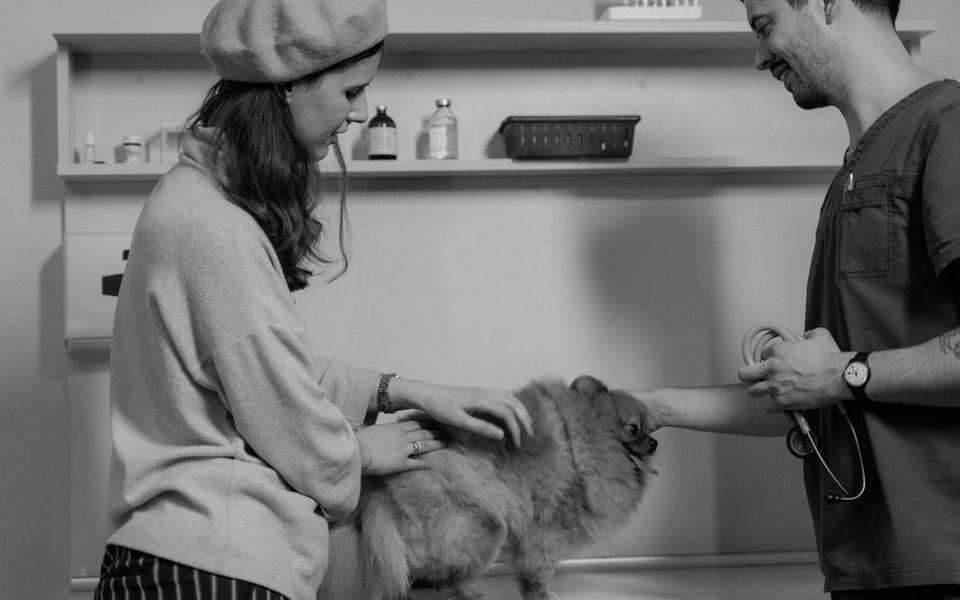
Once the dog is rinsed and towel-dried, remove the temporary cotton barriers and apply an astringent cleaning solution to clear out any stray water that managed to seep past. Combining ear checks with other standard maintenance—such as visiting professional facilities for dog nail trimming—ensures that every aspect of the dog’s physical hygiene is tracked consistently rather than forgotten until an issue becomes uncomfortable.
If your routine involves commercial wash bays, remember that thousands of locations across the country offer dedicated washing spaces with elevated tubs and high-velocity dryers. Across the United States, there are over 1,400 listings in top states where owners can manage messy tasks safely. Using these specialized facilities allows you to finish bathing, drying, and ear flushing in a single organized session, leaving both you and your pet relaxed when returning home.
Common Mistakes and How to Avoid Them
The most frequent mistake owners make when caring for dog ears is attempting to clean too often. While keeping canals clear is vital, over-cleaning strips natural protective lipids, leaving the delicate epithelial lining dry, irritated, and vulnerable to micro-tears. Unless managing an active condition under direct veterinary guidance, most dogs only need thorough liquid flushing once every two to four weeks.
Another common pitfall is using excessive force or inappropriate tools during the cleaning process. Cotton swabs, paper towels, and rough washcloths can abrade the ear lining and push compacted plugs deeper toward the tympanic membrane. Soft cotton pads, veterinary gauze squares, or bare fingers wrapped in soft cloth provide plenty of cleaning surface without the danger of mechanical perforation or abrasive scratching.
Finally, failing to let the dog shake their head after applying fluid prevents the treatment from working properly. Head shaking is the dog’s built-in mechanism for clearing the horizontal canal. If you immediately dry the opening without allowing several hearty shakes, stagnant solution remains trapped at the bottom of the L-turn, creating the very damp environment you were attempting to eradicate.
When to Stop Cleaning and Consult Your Veterinarian
While routine maintenance helps prevent wax buildup, cleaning solutions cannot cure underlying parasitic infestations, foreign bodies, or structural polyps. If your dog whimpers, snaps, or pulls away violently when you touch their ear base, this acute pain indicates an issue that home flushing will aggravate. Suspected foxtail grass seeds, ruptured eardrums, and deep hematomas require professional veterinary diagnostics rather than OTC washes.
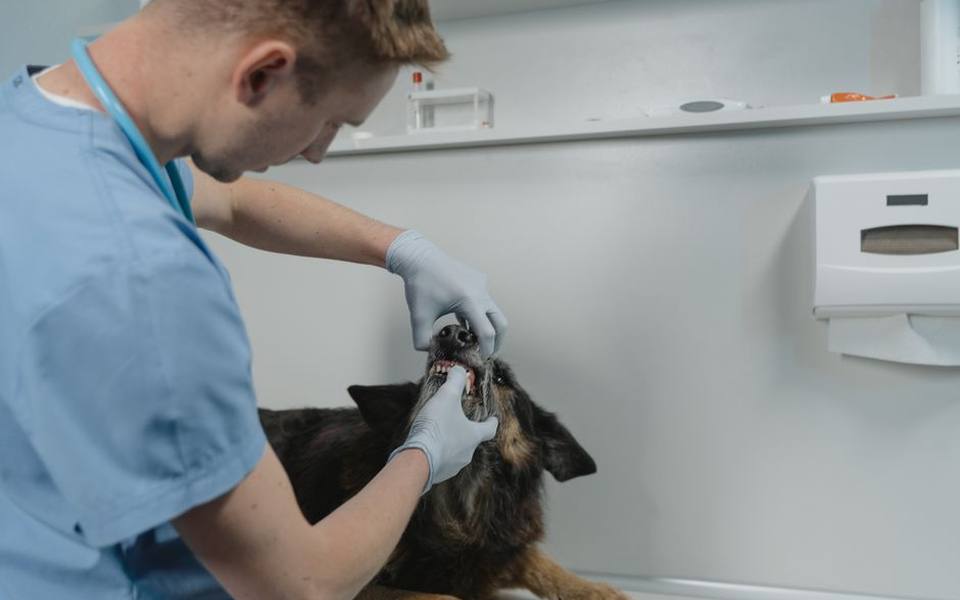
A veterinarian uses an otoscope to look entirely down the horizontal canal to the eardrum, inspecting for micro-perforations or hidden obstructions. If the eardrum is torn, common ingredients found in standard ear cleaners can enter the middle ear, leading to Horner’s syndrome, facial nerve paralysis, or irreversible sensorineural deafness. Cytology tests performed in the clinic will also identify whether bacteria, yeast, or both are multiplying, guiding targeted prescription therapy.
Once any medical issues are resolved and the canal has healed, you can safely resume a regular preventative routine. Incorporating gentle washes into your dog's regular schedule, alongside periodic outings to dog wash locations, will keep their ears clear, comfortable, and healthy for the long term.
Published 2026-09-21 · reviewed with each rebuild, last September 2026.
Find self-serve dog washes near you
The directory lists 2,264 self-serve dog washes by state and city — pick your state or use the “Near me” button in the header.
More guides
-
 Money
MoneyUnderstanding the Costs of Grooming and Washing Your Dog
-
 Service
Canine Scent Gland Care: Symptoms, DIY Steps, and Professional Costs
-
 Money
MoneyDog Grooming Cost Breakdown: Salons, Mobile Vans, and Retail Chains
-
 Service
Dog Anal Gland Expression: How It Works, When It Is Needed, and Typical Costs
-
 Owning
Essential Dog Grooming Tools: Choosing Clippers, Shears, and Maintaining Blades
-
 Money
MoneyDog Teeth Cleaning Costs: Vet Anesthesia vs. Non-Anesthetic Options
-
 Service
How to Choose the Best Local Dog Groomer: What to Look For
-
 Service
Self-Service Dog Wash Guide: Locations, Pricing, and How It Works
-
 Owning
Complete Dog Anal Gland Care: How to Express, Symptoms, and Safe Techniques
-
 Service
Professional Dog Grooming and Self-Wash Stations: Comparing Costs, Services, and Formats
-
 Owning
Dog Nail Trimming and Grinding Guide: Clippers, Rotary Tools, and Safe At-Home Care
-
 Service
Popular Dog Haircut Styles: Breed Cuts, Teddy Bear Trims, and Styling Rules
-
 Owning
Managing Dog Itchy Skin and Fleas: Medicated Baths, Shampoos, and Remedies
-
 Service
Complete Cat Grooming Guide: Bathing, Haircuts, Nail Trimming, and Mobile Care
-
 Owning
Dog Anal Gland Care: Expression, Swollen Glands, and Hygiene Solutions
-
 Owning
Dog Blow Drying, Coat Coloring, and Waterless Grooming Essentials
-
 Owning
Essential Grooming Tools: Brushes, De-Matting, Odor Neutralizers, and Paw Care
-
 Owning
Canine Dental Hygiene Guide: Toothbrushes, Powders, and Tartar Control
-
 Owning
Complete Guide to Dog Training: Methods, Equipment, Classes, and Costs
-
 Owning
Ultimate Guide to Dog Haircut Styles by Breed: Puppy Cuts, Teddy Bear, and Lion Clips
-
 Owning
How to Treat Dog Itchy Skin and Allergies: Medications, Shampoos, and Home Remedies
-
 Safety
How to Trim Dog Nails Safely: Clippers vs Grinders and Techniques
-
 Service
Professional Dog Grooming Services: Costs, Salons, and At-Home Options
-
 Owning
Dog Dental Care Guide: Toothbrushes, Powders, and At-Home Cleaning
-
 Safety
Dog Ear Cleaning Solutions, Wax Buildup, and Infection Care Guide
-
 Owning
Choosing the Right Dog Shampoo for Dry Skin, Dandruff, Fleas, and Ticks
-
 Owning
Self-Serve Dog Wash Stations and Home Bathing Setup Guide
-
 Buying
Essential Professional Grooming Tools, Clippers, and Blade Care
-
 Owning
Dog Nail Trimming, Grinding, Polish, and Safe Hair Dye: A Practical Guide
-
 Service
Dog Haircuts and Breed Styling Guide: Popular Cuts, Trims, and Coat Care
-
 Service
Cat Grooming and Styling: Lion Cuts, Bathing, and Coat Care
-
 Owning
Dog Ear Care and Skunk Odor Removal: Cleaning, Wax, and Emergency Deodorizing
-
 Safety
Dog Flea Baths and Medicated Shampoos: OTC and Prescription Remedies
-
 Owning
Complete Guide to Raw Dog Food Nutrition and Diets
-
 Owning
Dog Birthday Cakes, Safe Treats, and Celebration Guide
-
 Service
Hiring a Dog Walker: Services, Rates, and Agency Options
-
 Service
Dog Breed Haircuts, Styling, and Coat Maintenance Guide