The Practical Case for Bathing Your Dog Away From Home
Giving a dog a thorough bath at home often turns into an exhausting ordeal for both the pet and the owner. Lifting a medium or large dog into a residential porcelain bathtub strains your lower back, while wet fur quickly clogs standard plumbing traps. Water invariably splashes across bathroom walls, mirrors, and floors, turning what should be a straightforward hygiene routine into an hour of heavy household cleanup.
A dedicated self-service facility eliminates almost all of those pain points by providing commercial-grade infrastructure designed specifically for animal bathing. Raised stainless-steel tubs allow you to stand upright while working, keeping your posture neutral and comfortable. Integrated entry ramps or shallow steps mean heavier or elderly dogs can walk directly into the basin without being lifted, reducing the risk of sudden slips or muscle strain for both of you.
Beyond saving your back and bathroom, public wash bays isolate the mess where it belongs. These stations feature deep containment basins, high-volume drains with hair-catching screens, and waterproof surroundings that handle heavy splashing effortlessly. You walk in with a muddy, shedding pet, clean them thoroughly using professional-grade water pressure, dry them completely, and leave the wet mess and hair behind when you walk out the door.
How Self-Serve Dog Wash Pricing Typically Works
Pricing models across the country generally fall into two categories: flat-rate session pricing or metered, coin-and-card timing systems. Independent pet boutiques, feed stores, and retail specialty shops usually favor the flat-rate model, where you pay an upfront fee that typically covers between thirty and forty-five minutes of tub access. This arrangement works particularly well for double-coated or anxious dogs because you never feel the pressure of a ticking clock while detangling or rinsing.
Coin-operated or card-swipe kiosks, frequently attached to automated car washes and convenience plazas, operate on metered time cycles. In these setups, you typically purchase a base block of eight to ten minutes for a nominal starter price, with the option to insert additional cash or tap your credit card to buy extra minutes in two-to-three-minute increments. If you own a small, short-haired dog that can be washed and rinsed swiftly, metered units often provide the most economical bath possible.
In most regions, flat-rate wash bays typically range from twelve to twenty-five dollars per dog, depending on the tier of amenities included and local commercial lease rates. Metered stations generally average between eight and fifteen dollars for an ordinary bath, provided your dog is cooperative and does not require extensive dematting. Some dedicated boutique locations also offer package punch cards or monthly unlimited memberships, which can lower your average cost per wash significantly if your routine involves weekly cleanings.
Common Types of Facilities That Host Wash Bays
When looking for a place to wash your dog yourself, you will encounter wash stations hosted across several distinct business formats. Neighborhood pet supply boutiques and feed stores represent the most traditional setting. These shops usually maintain one or two clean, indoor tubs tucked toward the back of the store, offering a quiet environment with low foot traffic, friendly staff assistance, and retail access to specialty shampoos or grooming treats.
Another widespread option is the exterior wash bay integrated into a modern car wash facility. Many car wash operators install weatherproof modular pet-washing enclosures on their perimeter lots. These units are built from heavy-duty industrial materials, run on automated dial-selector systems, and frequently provide convenient extended hours. Because they operate outdoors under a sheltered roof or inside a dedicated climate-controlled outbuilding, they represent a dependable option when your dog gets unexpectedly muddy during an evening park visit.
In addition, many veterinary clinics, boarding kennels, and self-serve laundromats now feature dedicated public wash rooms on their properties. You can browse regional directories of Self-Serve Dog Wash Stations across the country to see which formats operate in your immediate neighborhood. Each style has its strengths, ranging from the calm indoor setting of a pet shop to the rugged, no-nonsense utility of an automated outdoor bay.
DIY Bathing Availability at Major National Pet Chains
A common question among pet owners is whether the major national pet retail chains offer self-serve wash stations alongside their professional grooming services. The answer varies considerably depending on the specific company and individual store footprint. Petco maintains dedicated self-service dog wash bays in many of its redesigned or larger suburban stores, offering tub access, house shampoos, towels, and blow dryers for a flat fee that typically sits between fifteen and twenty dollars.
However, Petco does not feature self-serve bays in every store. Older locations or dense urban branches often lack the dedicated plumbing and square footage required for customer-facing tubs, focusing exclusively on full-service grooming salons instead. Checking ahead via phone or local store directory listings is essential before loading your dog into the car, as tub availability fluctuates from one suburban shopping center to the next.
In contrast, PetSmart has historically focused almost entirely on full-service grooming salons staffed by trained stylists, rather than do-it-yourself wash stations. With very few regional exceptions or occasional pilot program tests, you will generally not find public self-wash tubs at PetSmart locations. Pet owners seeking a hands-on wash experience typically find far more consistent availability through Petco, regional farm supply chains, independent pet stores, and standalone automated wash kiosks.
Standard Equipment and Supplies Provided at the Station
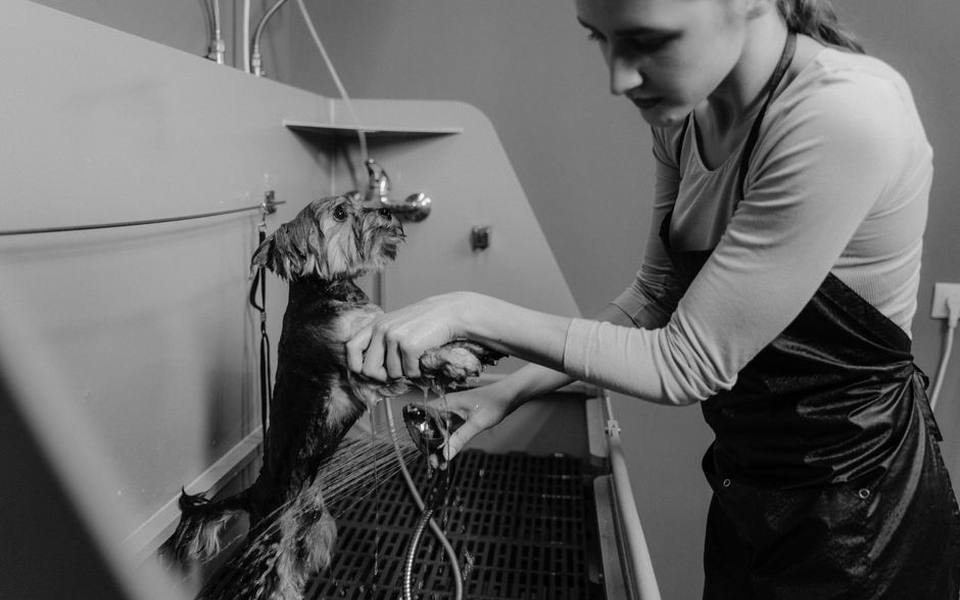
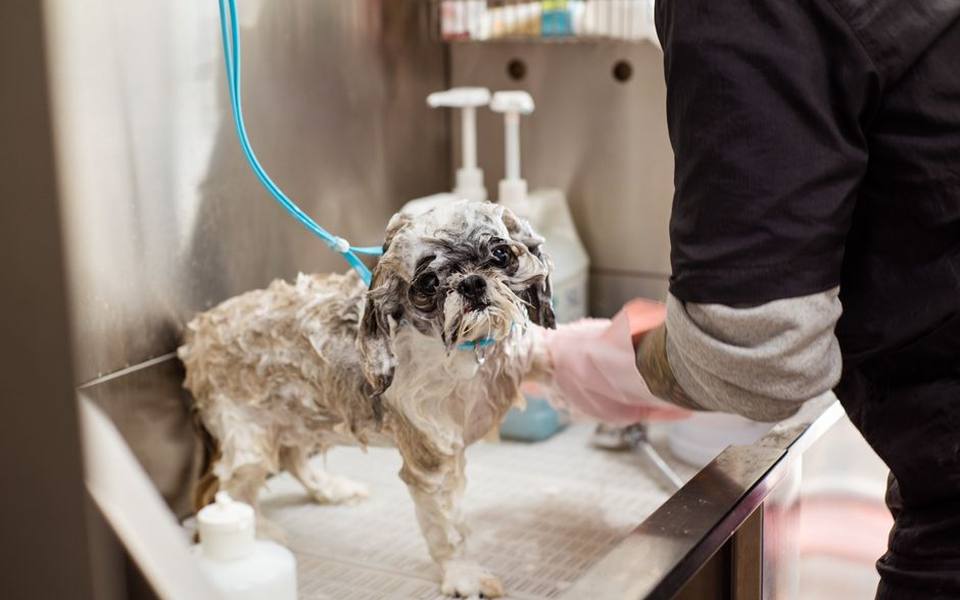
A properly equipped self-serve station provides virtually everything required to clean your pet, eliminating the need to haul damp towels and dripping bottles from home. The centerpiece of every station is an elevated stainless-steel or heavy composite tub featuring a non-slip textured bottom, an entry ramp or swinging door, and adjustable eye-bolt anchor points. An overhead or side-mounted spray hose delivers temperature-controlled warm water through an ergonomic nozzle with multiple flow patterns.
Most commercial wash systems utilize a dial-controlled chemical injection unit that blends professional shampoo and conditioner directly into the water stream. By turning a selector knob on the wall, you can switch smoothly from warm rinse water to tearless face wash, oatmeal cleansing shampoo, tick-and-flea treatment, or a light conditioning rinse. This delivery method forces soapy lather deep into thick undercoats far more effectively than rubbing liquid shampoo by hand across wet surface fur.
After the bath, stations typically provide high-velocity forced-air dryers equipped with specialized nozzles. Unlike residential hair dryers that rely on high heating elements which can burn a dog's sensitive skin, commercial pet dryers use concentrated, unheated or gently warmed air velocity to blow water droplets and shedding undercoat hair directly off the animal. Waterproof vinyl aprons and clean microfiber towels are also standard amenities at staffed retail locations.
Walking Through a Step-by-Step DIY Washing Session
Preparing for your washing session begins before your dog ever enters the tub basin. Take two to three minutes in the staging area to thoroughly brush out your dog's coat using an appropriate de-shedding tool or slicker brush. Removing mats, burrs, and loose, dead undercoat while the fur is bone dry prevents loose tangles from tightening into stubborn felted knots once the warm water hits the skin.
Once your dog walks up the ramp and into the tub, immediately secure them using the tub's built-in safety tether attached to their flat collar or harness. Never leave a dog untethered in a raised basin, as sudden movements or startling noises from neighboring equipment could prompt an impulsive leap. Begin wetting the dog starting at the paws and rear quarters, slowly working your way forward along the back and chest to allow the animal to acclimate calmly to the water temperature and pressure.
Apply lather systematically, working your fingers or a rubber curry brush through the fur to lift trapped grime and loose hair down to the skin level. When washing the head and ears, turn the spray nozzle down to a gentle trickle or switch to a damp washcloth to keep water and stinging soap out of the ear canals and eyes. Rinse twice as long as you think necessary; trapped residue is the primary cause of post-bath itching, flaking skin, and dull coats.
Conclude with drying, starting with a vigorous towel rub-down to absorb bulk surface water from the chest, belly, and legs. Turn on the forced-air dryer at its lowest speed setting while aiming the air nozzle away from your dog's face, letting them get used to the motor hum. Gradually increase the airflow and work from back to front, angling the air stream downward along the natural lay of the hair to avoid whipping damp fur into tight cowlicks or tangles.
What to Look for When Choosing the Best Local Spot
Not all self-serve washing facilities maintain the same operational standards, and choosing a well-run location ensures a safe, hygienic experience for your dog. Your first priority should be overall sanitation. Reliable facilities enforce strict cleaning protocols between customers, washing down tub walls with animal-safe disinfectant and clearing hair traps so the next visitor does not step into standing, dirty water.
Inspect the structural stability and safety features of the tub itself. Look for secure tethering hardware that locks firmly, a sturdy ramp with deep rubberized tread, and a high containment lip that prevents nervous dogs from scrambling over the side. High-quality stations also feature sound-dampening wall panels or partitioned bays, which significantly reduce ambient noise from neighboring high-velocity blow dryers and keep reactive dogs calm.
Pay attention to the quality of the water pressure and temperature stability. An adequate station should maintain consistent, lukewarm water that never fluctuates between freezing cold and dangerously hot when adjacent faucets run. Having clean, dry aprons on hand, ample floor space to maneuver without feeling cramped, and absorbent non-slip mats around the wash area are all strong indicators of a business that cares about customer safety.
Timing, Walk-in Access, and After-Hours Stations
Finding an open tub at the exact moment your dog rolls in garden compost or encounters a swampy trail requires understanding how different venues handle access. Most neighborhood pet boutiques and farm supply stores maintain open-door access policies where Walk-In Dog Washes are welcome on a first-come, first-served basis throughout regular business hours. However, weekend mornings and sunny Sunday afternoons often see long queues, making mid-week mornings or late weekday afternoons the ideal time for an unhurried wash.
If you find yourself dealing with a late-night skunk encounter or an unexpected emergency after standard store closing hours, automated outdoor stations offer an invaluable safety net. A growing number of standalone kiosks and car wash plazas feature 24-Hour Dog Washes equipped with automated card readers, secure perimeter lighting, and continuous water heaters that remain operational around the clock.
Before setting out during off-peak hours, ensure you understand the specific payment mechanics of the station you plan to visit. While staffed retail shops process credit cards, debit transactions, and cash at a traditional register, unstaffed late-night wash bays frequently rely entirely on automated credit card swipers, mobile tap-to-pay apps, or precise dollar-bill acceptors. Keeping a payment card and a few dollar bills in your glove compartment prevents awkward delays when arriving at an unstaffed kiosk.
Geographic Differences and Regional Wash Bay Availability
The availability and physical style of self-service dog wash bays vary substantially across different regions of the United States. In warm, dry climates, standalone outdoor modular bays attached to car washes and fuel plazas dominate the landscape. In contrast, northern states subject to freezing winter conditions feature enclosed, heated facilities housed inside dedicated pet centers, climate-controlled laundromats, or insulated agricultural supply stores.
Regional coverage is extensive across major metro areas and rural corridors alike. Our nationwide directory currently tracks 1,434 listings in top states alone, reflecting the massive growth of DIY pet hygiene infrastructure. Active pet communities support dense networks of facilities, such as Self-Serve Dog Washes in Texas with 256 listings, closely followed by California with 207 listings, Ohio with 157 listings, and Michigan with 134 listings.
Whether you are traveling across the country in an RV or simply looking for a neighborhood station close to home, consulting an independent state directory helps you identify nearby tubs, verify whether the bays are heated or outdoor, and review operating hours before making the trip. Even in less populated regions, agricultural co-ops and local boarding kennels frequently fill the gap by opening their professional wash facilities to the general public.
Essential Etiquette and Station Courtesy
Self-serve wash facilities depend on mutual respect among pet owners to keep stations sanitary, pleasant, and accessible for everyone. One of the most important unspoken rules involves managing the fur your dog sheds during the bathing and drying process. Before vacating the tub, use the rinse sprayer to wash all accumulated fur down toward the drain strainer, and use paper towels or provided waste bins to clear the drain trap for the next waiting customer.
Keep your pet on a short leash at all times when moving between your vehicle, the staging room, and the wash bay. Even if your dog is exceptionally friendly, wash rooms contain high-stress stimuli: loud dryer motors, unfamiliar smells, and other animals that may be fearful, injured, or reactive in tight spaces. Giving other dogs plenty of physical clearance prevents unnecessary stress and ensures a calm environment for everyone inside the building.
Finally, be mindful of posted time limits, especially during peak weekend hours when other pet owners are waiting in line. Complete your washing, rinsing, and primary drying within the designated session window, moving to an open staging table or finishing your final coat brushing outdoors if you require extra time. Leaving the station tidy and wiping down any excess water puddles on the surrounding floor ensures that local shop owners continue offering DIY wash tubs to the public.
Published 2026-09-20 · reviewed with each rebuild, last September 2026.
Find self-serve dog washes near you
The directory lists 2,264 self-serve dog washes by state and city — pick your state or use the “Near me” button in the header.
More guides
-
 Money
MoneyUnderstanding the Costs of Grooming and Washing Your Dog
-
 Service
Canine Scent Gland Care: Symptoms, DIY Steps, and Professional Costs
-
 Money
MoneyDog Grooming Cost Breakdown: Salons, Mobile Vans, and Retail Chains
-
 Service
Dog Anal Gland Expression: How It Works, When It Is Needed, and Typical Costs
-
 Owning
Essential Dog Grooming Tools: Choosing Clippers, Shears, and Maintaining Blades
-
 Money
MoneyDog Teeth Cleaning Costs: Vet Anesthesia vs. Non-Anesthetic Options
-
 Service
How to Choose the Best Local Dog Groomer: What to Look For
-
 Owning
Complete Dog Anal Gland Care: How to Express, Symptoms, and Safe Techniques
-
 Service
Professional Dog Grooming and Self-Wash Stations: Comparing Costs, Services, and Formats
-
 Owning
Dog Nail Trimming and Grinding Guide: Clippers, Rotary Tools, and Safe At-Home Care
-
 Service
Popular Dog Haircut Styles: Breed Cuts, Teddy Bear Trims, and Styling Rules
-
 Owning
Managing Dog Itchy Skin and Fleas: Medicated Baths, Shampoos, and Remedies
-
 Service
Complete Cat Grooming Guide: Bathing, Haircuts, Nail Trimming, and Mobile Care
-
 Owning
Dog Ear Cleaning and Flushing Solutions: Preventing Wax Build-Up and Infections
-
 Owning
Dog Anal Gland Care: Expression, Swollen Glands, and Hygiene Solutions
-
 Owning
Dog Blow Drying, Coat Coloring, and Waterless Grooming Essentials
-
 Owning
Essential Grooming Tools: Brushes, De-Matting, Odor Neutralizers, and Paw Care
-
 Owning
Canine Dental Hygiene Guide: Toothbrushes, Powders, and Tartar Control
-
 Owning
Complete Guide to Dog Training: Methods, Equipment, Classes, and Costs
-
 Owning
Ultimate Guide to Dog Haircut Styles by Breed: Puppy Cuts, Teddy Bear, and Lion Clips
-
 Owning
How to Treat Dog Itchy Skin and Allergies: Medications, Shampoos, and Home Remedies
-
 Safety
How to Trim Dog Nails Safely: Clippers vs Grinders and Techniques
-
 Service
Professional Dog Grooming Services: Costs, Salons, and At-Home Options
-
 Owning
Dog Dental Care Guide: Toothbrushes, Powders, and At-Home Cleaning
-
 Safety
Dog Ear Cleaning Solutions, Wax Buildup, and Infection Care Guide
-
 Owning
Choosing the Right Dog Shampoo for Dry Skin, Dandruff, Fleas, and Ticks
-
 Owning
Self-Serve Dog Wash Stations and Home Bathing Setup Guide
-
 Buying
Essential Professional Grooming Tools, Clippers, and Blade Care
-
 Owning
Dog Nail Trimming, Grinding, Polish, and Safe Hair Dye: A Practical Guide
-
 Service
Dog Haircuts and Breed Styling Guide: Popular Cuts, Trims, and Coat Care
-
 Service
Cat Grooming and Styling: Lion Cuts, Bathing, and Coat Care
-
 Owning
Dog Ear Care and Skunk Odor Removal: Cleaning, Wax, and Emergency Deodorizing
-
 Safety
Dog Flea Baths and Medicated Shampoos: OTC and Prescription Remedies
-
 Owning
Complete Guide to Raw Dog Food Nutrition and Diets
-
 Owning
Dog Birthday Cakes, Safe Treats, and Celebration Guide
-
 Service
Hiring a Dog Walker: Services, Rates, and Agency Options
-
 Service
Dog Breed Haircuts, Styling, and Coat Maintenance Guide