The Fundamentals of Routine Dog Claw Maintenance
Maintaining proper claw length is a vital part of basic canine health rather than just a cosmetic routine. When claws grow too long, they alter the natural alignment of your dog's paws, forcing the toes upward and shifting mechanical stress into the pasterns, elbows, and hips. Over time, neglected nails can cause persistent discomfort, split into the vascular tissue, or even curl inward toward the paw pads. Routine trimming prevents joint strain and keeps your dog walking comfortably on both carpet and hard surfaces.
The interior of every dog claw houses a living core known as the quick, which contains active blood vessels and sensitive nerve endings. In light-colored claws, this structure appears as a distinct pink silhouette within the translucent shell, while dark claws conceal it completely behind heavy pigment. Understanding where the claw shell ends and the living tissue begins is the central challenge of dog claw trimming, requiring patience, consistent lighting, and the proper mechanical tools for the job.
Whether you handle maintenance at home or utilize raised grooming equipment at local facilities, establishing a steady routine makes the process predictable. Most adult dogs require claw maintenance every two to four weeks, depending on their activity level, gait, and the surfaces they encounter during daily walks. Dogs that exercise frequently on concrete may naturally wear down their outer edges, but dewclaws and inside toes almost always require deliberate manual attention.
Selecting the Right Manual Dog Nail Cutter
Manual cutting tools remain the most popular option for routine paw care because they are silent, inexpensive, and quick to use. When shopping for claw clippers for dogs, you will generally encounter two primary mechanical designs: scissor-style cutters and guillotine-style cutters. Scissor-style clippers, which operate with heavy-duty spring-loaded handles, offer the best leverage and control for medium and giant breeds with thick, dense claw walls.
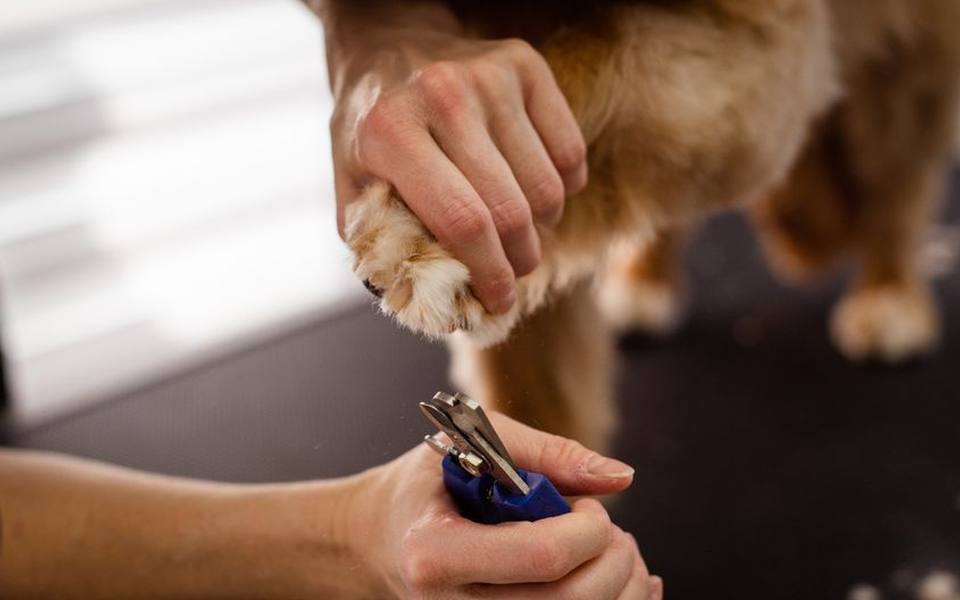
Guillotine clippers feature an internal blade that drops through a stationary ring when the handles are compressed. While they work cleanly on small to medium dogs with relatively thin nails, they can crush or splinter heavier claws if the blade dulls even slightly. For larger breeds or senior dogs whose nails have become brittle, heavy plier-style dog nail clippers with sharp stainless steel bypass blades almost always yield a cleaner cut with far less pinch pressure.
Blade sharpness is the single most critical factor when using any manual dog nail cutter. A dull blade squeezes the sensitive claw walls before slicing, which exerts painful pressure directly onto the internal quick even if you do not cut into the blood supply. Inspect your blades regularly for pitting, rust, or misalignment, and replace your clippers every year or two depending on how many paws you service regularly.
How Rotary Grinders Work for Canine Claws
A dedicated dog grinder for nails replaces the shearing action of a metal blade with a high-speed abrasive sanding drum. As the drum spins, it gradually sands away micro-layers of keratin rather than removing a whole segment of the nail at once. This rotary mechanism gives pet owners fine control over the exact angle and depth of the trim, significantly reducing the risk of a sudden, deep cut into vascular tissue.
Using a canine nail grinder also eliminates the sharp, ragged edges that manual bypass blades often leave behind. Freshly cut claws can snag on upholstery, scratch hardwood floors, or accidentally tear your skin during play. Grinding smoothly rounds the outer shell, leaving a polished, beveled edge that mimics natural outdoor wear. It is especially beneficial for senior canines or dogs recovering from broken claws where a blunt scissor cut would introduce structural stress.
The primary drawback of an electric dog claw grinder is friction heat and mechanical vibration. If an abrasive band stays pressed against a single claw for more than two or three seconds, the heat transfers inward and causes discomfort to the nerve-rich quick. Successful dog nail grinding relies on gentle, repetitive taps rather than sustained pressure, allowing the nail tip to dissipate heat between brief touches of the spinning drum.
Clippers Versus Grinders: Choosing the Best Approach
Deciding between manual clippers and rotary grinding tools usually comes down to your dog's individual temperament and nail thickness. Manual clipping is silent, takes only a split second per claw, and does not produce burning keratin dust. However, clippers carry a higher risk of accidental quicking if the dog jerks unexpectedly, and they can produce jagged edges that require subsequent filing to prevent snagging.
Conversely, rotary tools excel at precision and smooth finishing, making them exceptionally forgiving for owners who feel anxious about cutting dogs toenails. The gradual reduction allows you to stop the instant you see the initial signs of the internal quick. However, the whirr of the motor, the tactile vibration against the paw, and the airborne dust can frighten sound-sensitive dogs, requiring a dedicated acclimation period before full grooming sessions can proceed smoothly.
Many experienced groomers adopt a hybrid strategy that combines the distinct strengths of both tools. They use a manual dog nail cutter to take off the extended, hooked tips quickly and quietly, and then use a rotary canine nail grinder to bevel the edges and smooth back the margins close to the vascular core. This hybrid method minimizes session time while still delivering perfectly rounded, snag-free paws.
Understanding Claw Anatomy and the Receding Quick
To trim with confidence, you must understand the dynamic nature of canine claw biology. The outer protective casing is composed of dense keratin, shielding the soft, vascular dermis underneath. If a dog goes several months without regular maintenance, the internal blood vessel and nerve bundle will steadily lengthen alongside the keratin shell. This means an overgrown claw cannot simply be chopped short in one session without causing substantial bleeding and pain.
Fortunately, the quick responds dynamically to routine trimming pressure. When you consistently remove the dead keratin immediately in front of the living tissue, the blood supply naturally retreats backward toward the paw over successive weeks. By establishing a schedule of small trims every seven to ten days, you can safely shorten even severely overgrown claws back to their proper functional length without ever drawing blood.
The angle of the trim also plays a direct role in encouraging this tissue retraction. Rather than cutting straight across at a perpendicular ninety-degree angle, experienced handlers make their cut at a forty-five-degree angle following the natural downward slant of the paw. This leaves a small protective shelf beneath the bottom edge while exposing the top keratin to natural floor friction, which accelerates the natural receding process.
Technique for Light-Colored and Translucent Claws
Trimming clear or light-colored claws is generally straightforward because the internal anatomy remains visible under adequate lighting. When examining a pale claw from the side, you will clearly see a pink, cone-shaped core nestled within the translucent keratin. The clear region extending past this pink zone represents dead tissue that can be safely removed without causing discomfort or bleeding.
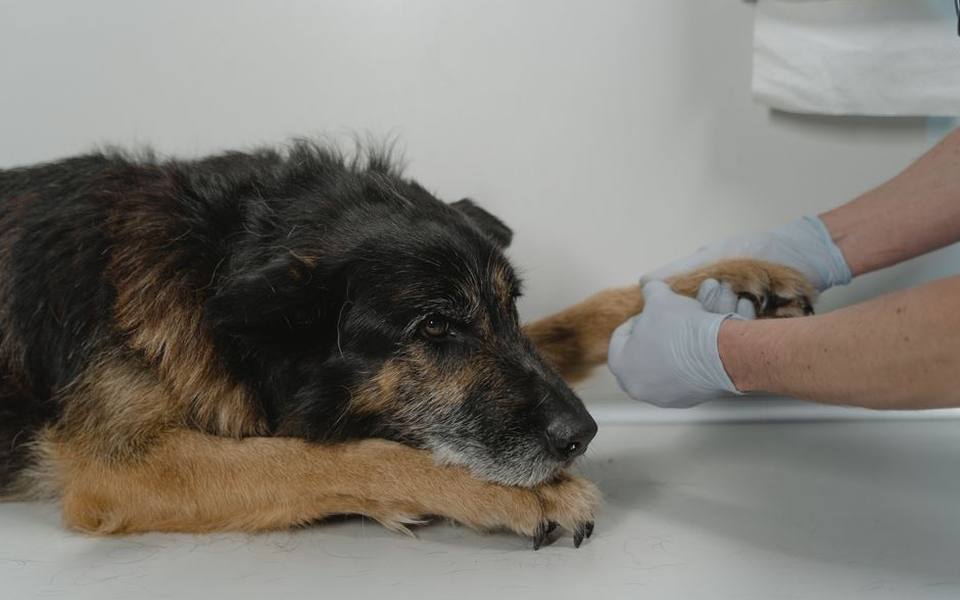
Before making a cut, position your fingers firmly on the specific toe, gently pressing down on the top of the knuckle while pulling back the surrounding fur. Place the cutting edge of your claw clippers for dogs two to three millimeters past the visible tip of the pink quick. Squeeze the handles in one clean, deliberate motion; hesitating mid-squeeze can crush the outer shell rather than slicing cleanly through it.
If you are using a rotary dog grinder for nails on light claws, work across the underside and tip in brief, rhythmic pulses. As you sand away the excess keratin, watch the interior color change from dry white powder to a slightly deeper, moist texture. Stop as soon as you approach the perimeter of the pink silhouette to ensure you maintain a comfortable safety margin for your pet.
Safe Strategies for Cutting Dark and Opaque Claws
Cutting dark claws can be intimidating because heavy black pigment completely obscures the internal quick from a lateral view. To safely manage opaque nails, you must change your visual perspective entirely. Instead of looking at the side profile of the claw, look directly at the fresh cross-section created after removing a tiny sliver from the tip.
Begin by taking off an extremely thin wafer, no more than one or two millimeters thick, using your dog nail cutter. Examine the newly exposed center of the cut surface. In the outer regions of the claw, the cut cross-section will appear dry, chalky, and uniformly white or pale gray. This chalky material is non-living keratin and indicates that you remain well clear of the blood supply.
Continue removing wafer-thin layers one at a time. As you approach the living tissue, the interior texture will transition from dry and chalky to a smooth, uniform gray or dark oval. The appearance of a dark, moist-looking circular dot right in the center of the cross-section is your clear visual cue to stop immediately. That dark center marks the outer protective boundary of the quick, and cutting any further will breach the blood vessel.
Managing an Accidental Nick and Stopping Bleeding
Even experienced professional groomers occasionally nick a quick when a dog shifts unexpectedly, so it is critical to keep styptic powder within arm's reach before you begin. Styptic powder contains an active antihemorrhagic agent, typically ferric subsulfate, which rapidly contracts local capillaries and forms a sturdy chemical clot. If you trim nails without styptic compound nearby, you risk panic and a mess if an accident occurs.
If a claw begins to bleed, keep your demeanor calm and composed; dogs immediately pick up on human tension and may associate the minor injury with severe fear. Moisten a cotton swab or your fingertip, press it deeply into the styptic powder to coat it thoroughly, and press the powder directly against the bleeding tip with moderate, steady pressure for twenty to thirty seconds. Avoid wiping the clot away to check the wound, as this dislodges the seal.
If you do not have commercial styptic compound on hand during an unexpected nick, ordinary household cornstarch or baking flour can serve as an emergency alternative. Pack a generous pinch of powder firmly against the bleeding apex and maintain constant pressure until the blood flow halts. Keep your dog quiet and off hard running surfaces for at least fifteen minutes following the incident to ensure the freshly formed scab remains intact.
Desensitizing Sensitive Paws and Reducing Anxiety
Fear during dog toenail clipping is almost always rooted in paw sensitivity and past negative experiences rather than inherent stubbornness. Many dogs naturally dislike having their feet manipulated because their paws are loaded with sensitive proprioceptive nerves essential for balance and defense. Forcing a frightened dog into tight physical restraint usually amplifies panic, turning a five-minute task into a stressful ordeal.
Desensitization should begin well away from the clippers. Spend several days simply touching your dog's legs, stroking the tops of their feet, and gently separating their toes while offering high-value food rewards. Once your pet accepts foot handling calmly, introduce the sight and sound of the tool. Run your canine nail grinder near their body so they grow accustomed to the low humming sound before ever touching abrasive paper to their claws.
Break the grooming process into small, manageable milestones rather than attempting all four paws in one sitting. Trimming just one or two claws each evening creates positive associations and prevents mental fatigue for both you and your pet. Pairing the experience with lick mats coated in peanut butter or plain Greek yogurt keeps their focus occupied while you work steadily through the trim.
Integrating Nail Care into Your Routine Bathing Schedule
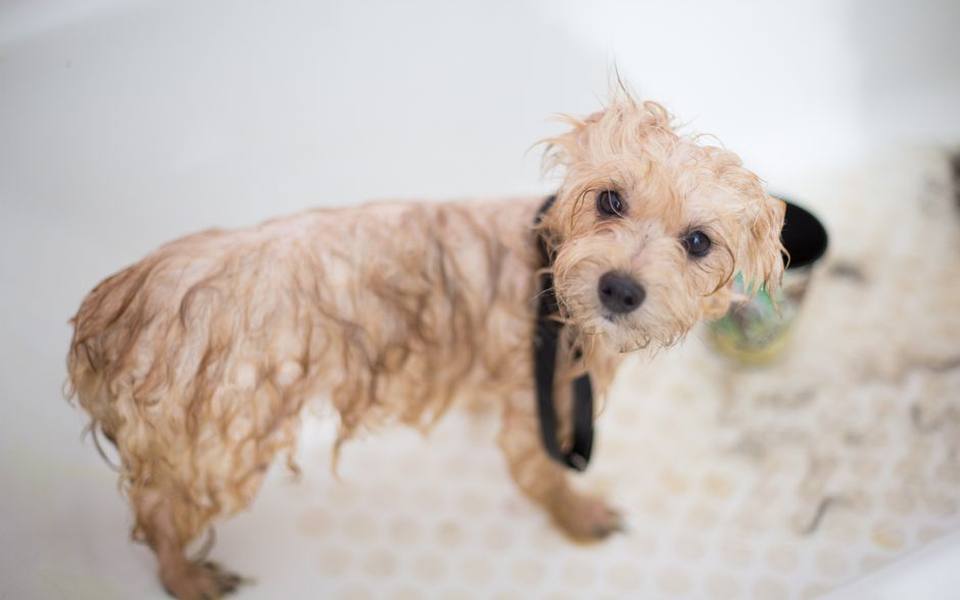
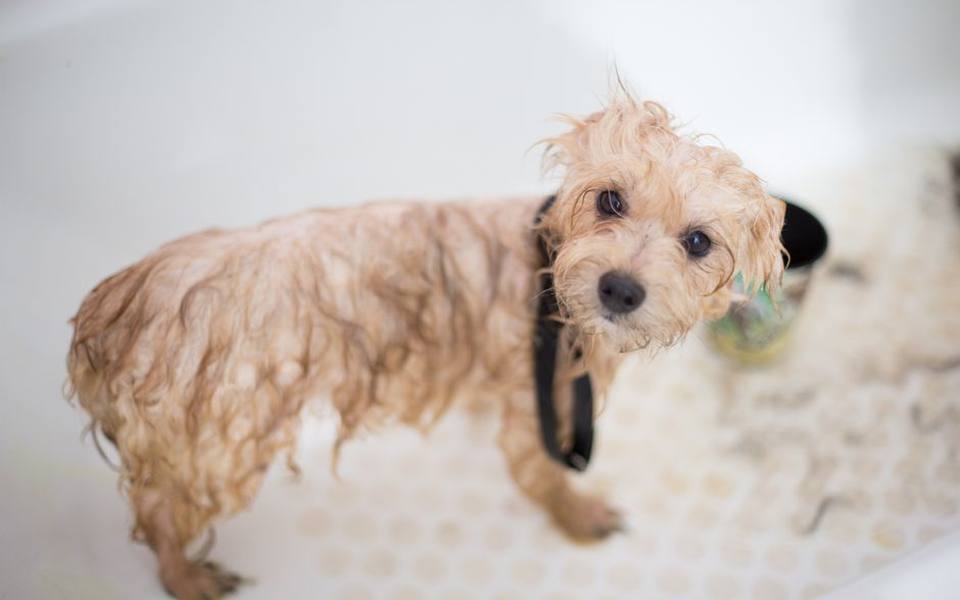
One of the most effective ways to simplify claw maintenance is to combine it with routine bathing. Warm water naturally hydrates and softens dense keratin, making claws substantially easier to slice with manual clippers and reducing the physical effort required to cut through thick adult nails. Doing your trims immediately after a thorough wash drastically decreases the likelihood of claw splintering or cracking along the grain.
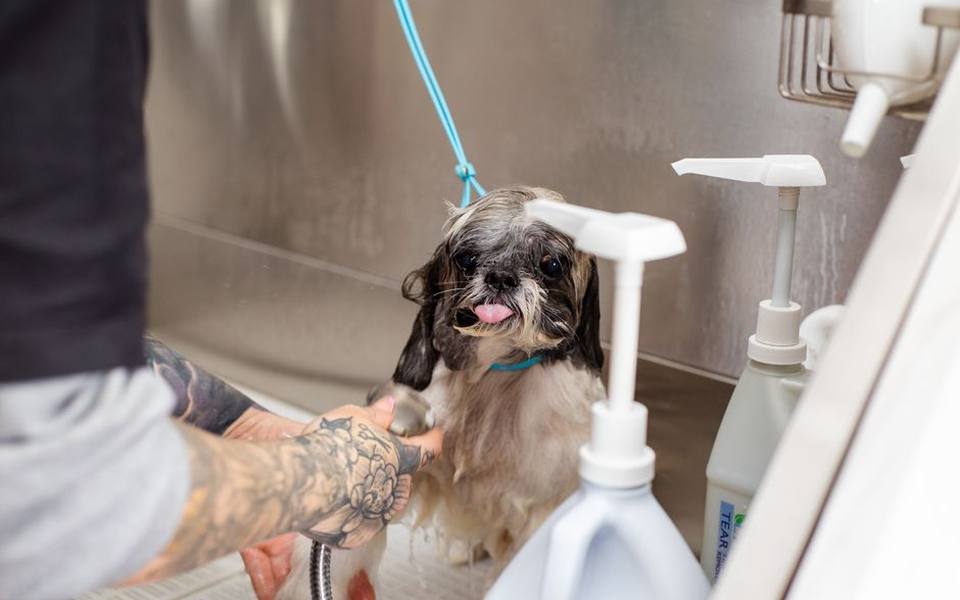
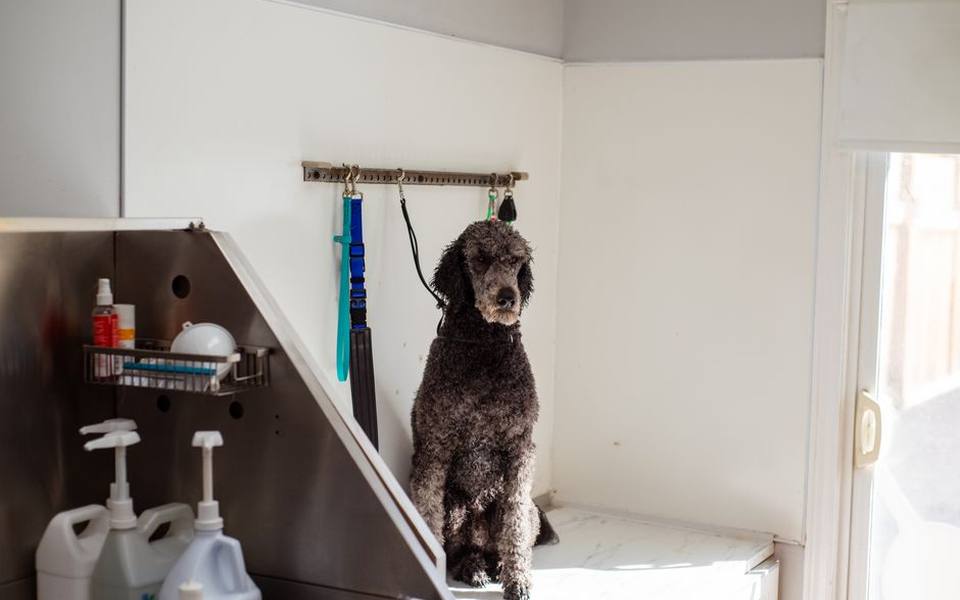
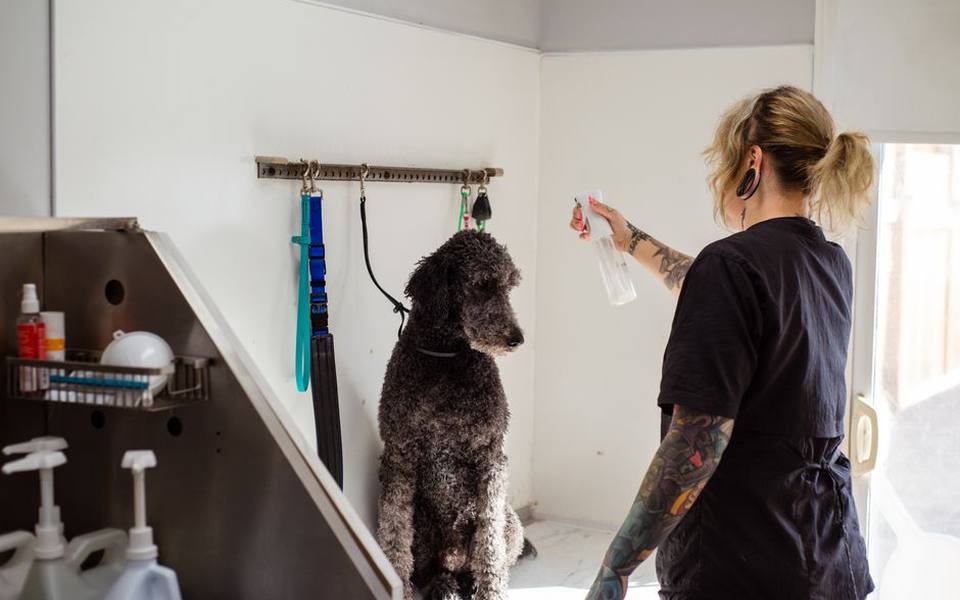
Many pet owners prefer to tackle this entire process at dedicated self-serve dog wash stations. These facilities provide professional waist-high wash tubs with secure safety restraints that keep your dog comfortably positioned without straining your back. The built-in tethering rings prevent sudden bolting or squirming, making it substantially easier to handle sensitive paws under bright, shadow-free overhead lighting.
Whether you frequent high-volume California dog wash locations or find local neighborhood shops across the Midwest, self-service facilities eliminate the stress and cleanup of doing heavy grooming at home. If your schedule is unpredictable, many travelers rely on convenient 24-hour dog washes to bathe and dry their pets at odd hours, followed by a quick nail tidy-up while the coat is still fresh and the paws are completely clean of outdoor dirt.
If your dog gets overly anxious inside home bathrooms or refuses to hold still on slick tile floors, seeking out local walk-in dog washes can completely transform your routine. The commercial-grade non-slip ramps and textured tub mats provide secure footing, which immediately lowers an anxious dog's defensive instincts and allows you to complete dog claw clipping safely and efficiently.
Published 2026-09-21 · reviewed with each rebuild, last September 2026.
Find self-serve dog washes near you
The directory lists 2,264 self-serve dog washes by state and city — pick your state or use the “Near me” button in the header.
More guides
-
 Money
MoneyUnderstanding the Costs of Grooming and Washing Your Dog
-
 Service
Canine Scent Gland Care: Symptoms, DIY Steps, and Professional Costs
-
 Money
MoneyDog Grooming Cost Breakdown: Salons, Mobile Vans, and Retail Chains
-
 Service
Dog Anal Gland Expression: How It Works, When It Is Needed, and Typical Costs
-
 Owning
Essential Dog Grooming Tools: Choosing Clippers, Shears, and Maintaining Blades
-
 Money
MoneyDog Teeth Cleaning Costs: Vet Anesthesia vs. Non-Anesthetic Options
-
 Service
How to Choose the Best Local Dog Groomer: What to Look For
-
 Service
Self-Service Dog Wash Guide: Locations, Pricing, and How It Works
-
 Owning
Complete Dog Anal Gland Care: How to Express, Symptoms, and Safe Techniques
-
 Service
Professional Dog Grooming and Self-Wash Stations: Comparing Costs, Services, and Formats
-
 Service
Popular Dog Haircut Styles: Breed Cuts, Teddy Bear Trims, and Styling Rules
-
 Owning
Managing Dog Itchy Skin and Fleas: Medicated Baths, Shampoos, and Remedies
-
 Service
Complete Cat Grooming Guide: Bathing, Haircuts, Nail Trimming, and Mobile Care
-
 Owning
Dog Ear Cleaning and Flushing Solutions: Preventing Wax Build-Up and Infections
-
 Owning
Dog Anal Gland Care: Expression, Swollen Glands, and Hygiene Solutions
-
 Owning
Dog Blow Drying, Coat Coloring, and Waterless Grooming Essentials
-
 Owning
Essential Grooming Tools: Brushes, De-Matting, Odor Neutralizers, and Paw Care
-
 Owning
Canine Dental Hygiene Guide: Toothbrushes, Powders, and Tartar Control
-
 Owning
Complete Guide to Dog Training: Methods, Equipment, Classes, and Costs
-
 Owning
Ultimate Guide to Dog Haircut Styles by Breed: Puppy Cuts, Teddy Bear, and Lion Clips
-
 Owning
How to Treat Dog Itchy Skin and Allergies: Medications, Shampoos, and Home Remedies
-
 Safety
How to Trim Dog Nails Safely: Clippers vs Grinders and Techniques
-
 Service
Professional Dog Grooming Services: Costs, Salons, and At-Home Options
-
 Owning
Dog Dental Care Guide: Toothbrushes, Powders, and At-Home Cleaning
-
 Safety
Dog Ear Cleaning Solutions, Wax Buildup, and Infection Care Guide
-
 Owning
Choosing the Right Dog Shampoo for Dry Skin, Dandruff, Fleas, and Ticks
-
 Owning
Self-Serve Dog Wash Stations and Home Bathing Setup Guide
-
 Buying
Essential Professional Grooming Tools, Clippers, and Blade Care
-
 Owning
Dog Nail Trimming, Grinding, Polish, and Safe Hair Dye: A Practical Guide
-
 Service
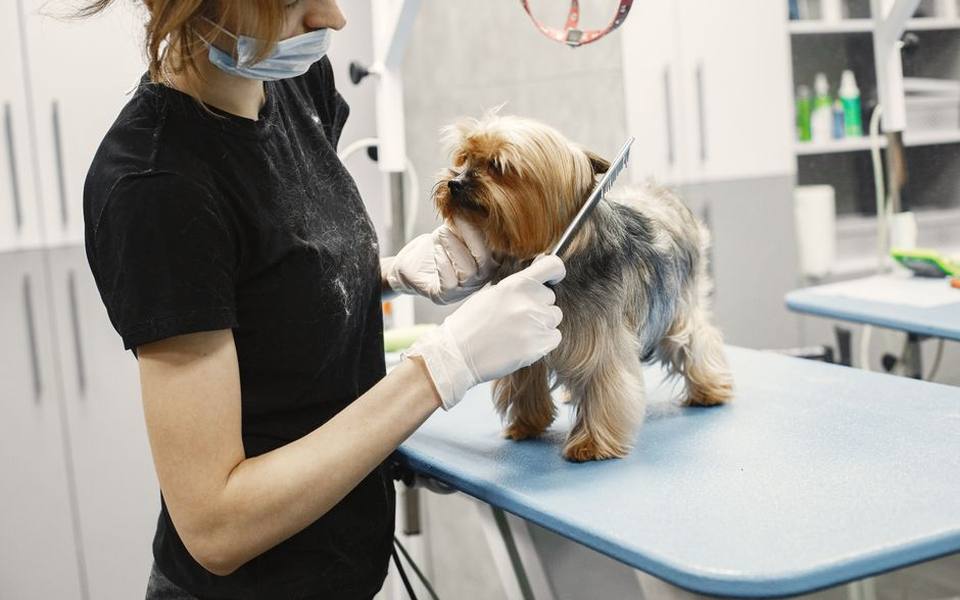
Dog Haircuts and Breed Styling Guide: Popular Cuts, Trims, and Coat Care
-
 Service
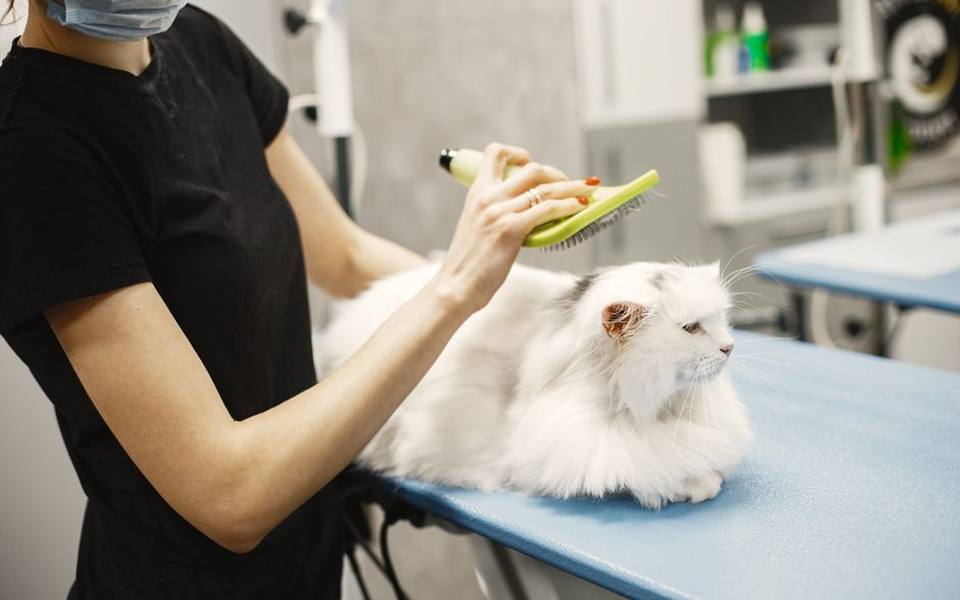
Cat Grooming and Styling: Lion Cuts, Bathing, and Coat Care
-
 Owning
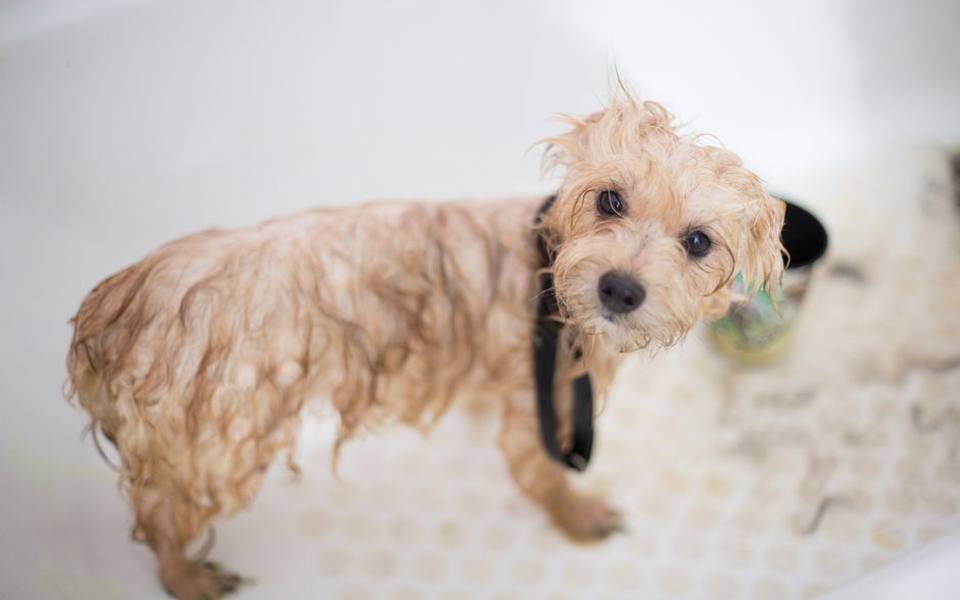
Dog Ear Care and Skunk Odor Removal: Cleaning, Wax, and Emergency Deodorizing
-
 Safety
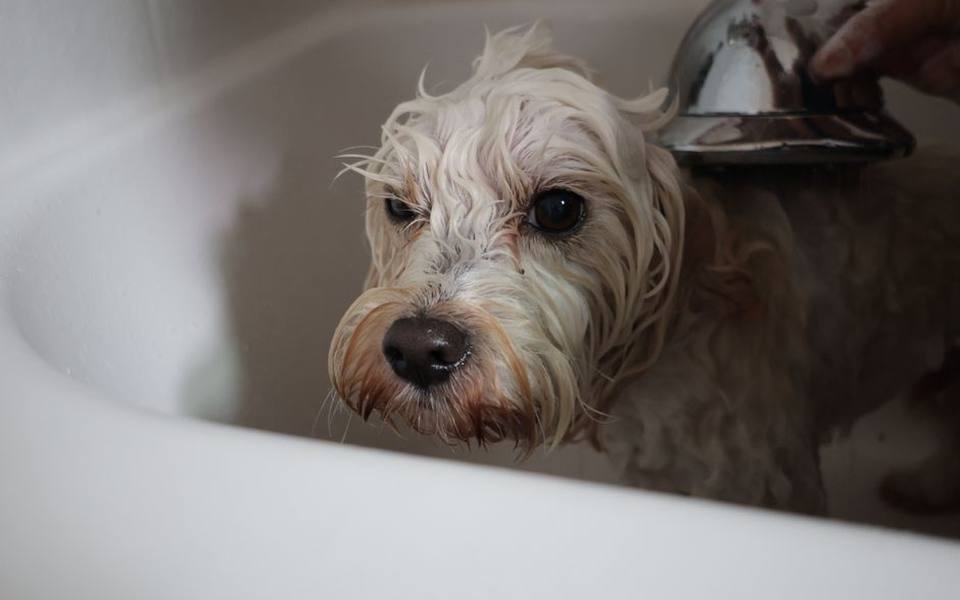
Dog Flea Baths and Medicated Shampoos: OTC and Prescription Remedies
-
 Owning
Complete Guide to Raw Dog Food Nutrition and Diets
-
 Owning
Dog Birthday Cakes, Safe Treats, and Celebration Guide
-
 Service
Hiring a Dog Walker: Services, Rates, and Agency Options
-
 Service
Dog Breed Haircuts, Styling, and Coat Maintenance Guide