Weighing the Three Modern Paths to a Clean Dog
Dog owners today have three primary options when coat maintenance becomes too demanding for a home bathroom: dedicated storefront grooming salons, mobile grooming vans that arrive at your driveway, and self-serve dog wash stations. Each route solves the central challenge of managing wet fur, shedding, and hygiene, but they differ fundamentally in cost, time investment, and physical handling. Understanding these operational differences helps eliminate the trial-and-error that often causes unnecessary stress for both pets and owners.
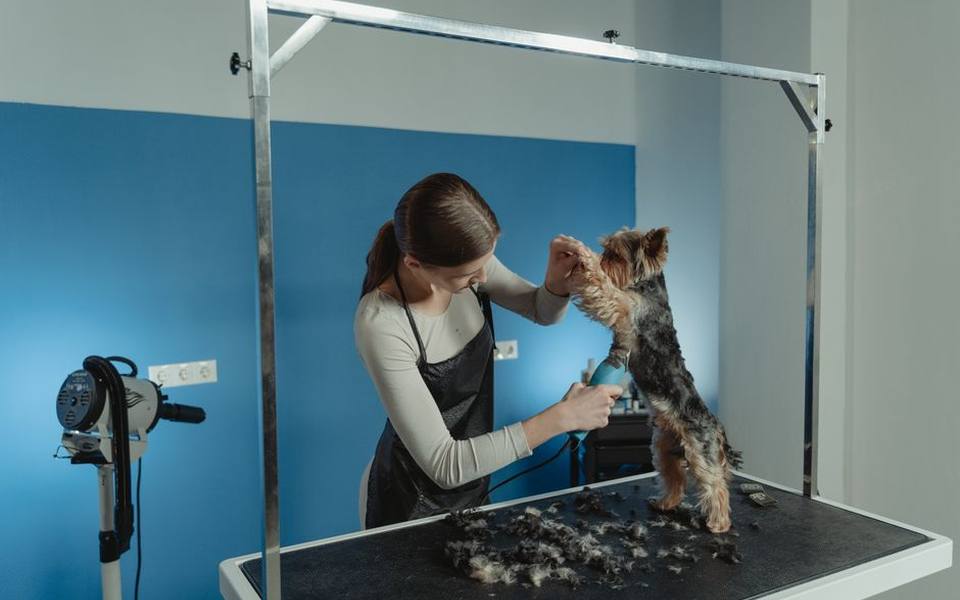
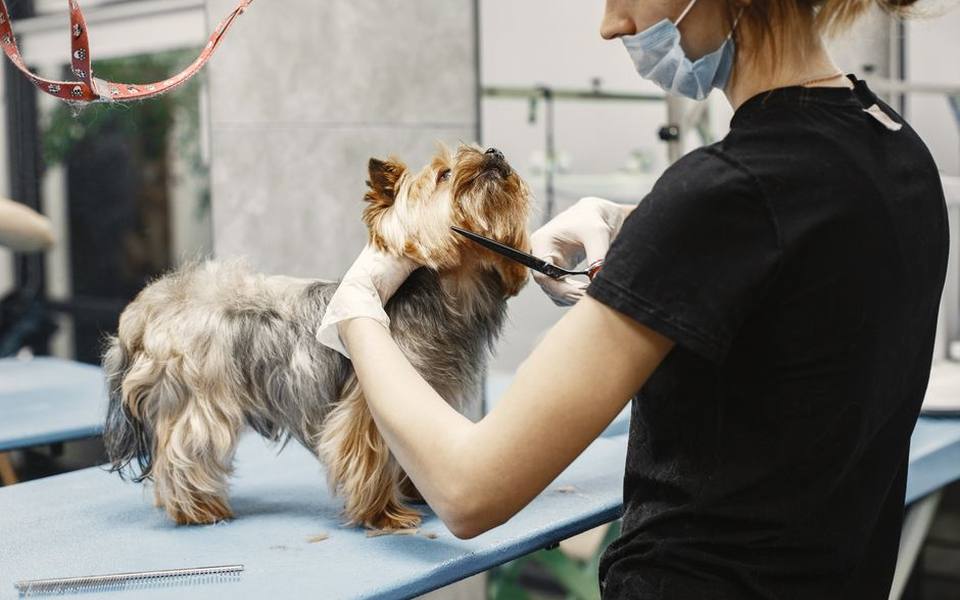
Storefront facilities range from high-volume national pet retail chains to intimate neighborhood studios. In these settings, staff manage the entire process from intake to drying, clipping, and styling, requiring owners to leave their dog for several hours. This format suits owners seeking complete coat restyling, sanitary trims, and anal gland care without participating in the labor. However, the multi-dog environment can occasionally overwhelm nervous or sound-sensitive pets.
Alternatively, mobile operators provide fully isolated one-on-one attention directly outside your home, while community self-wash facilities give owners access to commercial-grade equipment without the mess in residential bathrooms. Evaluating coat condition, animal temperament, budget, and schedule flexibility will determine whether hands-off full service, premium private handling, or affordable self-directed bathing represents the practical choice.
What to Expect at Corporate Retail Grooming Salons
National pet retail outlets like PetSmart and Petco operate some of the most accessible grooming salons in the country. These commercial environments operate under strict corporate standardized safety policies, requiring computerized proof of current vaccinations, detailed intake checklists, and direct line-of-sight monitoring for dogs on grooming tables or in bathing areas. Because these stores are distributed across nearly every metropolitan area, securing a routine appointment is generally straightforward.
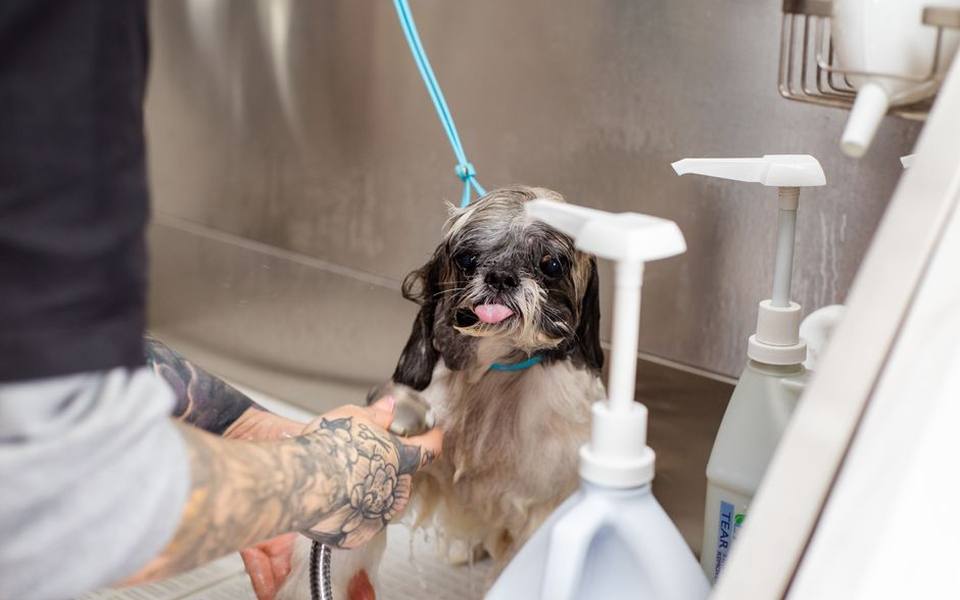
Services within these retail centers are usually structured into tiered packages. Basic packages typically cover a bath with standard shampoo, blow-dry, brush-out, ear cleaning, and nail trimming. Upgraded packages introduce specialty bathing solutions for skin sensitivities, deshedding treatments using specialized rakes, and breed-standard pattern cuts performed by trained stylists. Owners who want their dog handled inside a retail store should plan for appointments lasting between two and four hours depending on salon volume.
Retail salons also cater specifically to puppies embarking on their initial grooming experiences. Introductory puppy appointments are typically shorter, focusing on gentle desensitization to the sounds of high-velocity blowers, clippers, and running water rather than extensive hair cutting. Stylists work to establish positive associations using treats and low-pressure handling, which lays a predictable foundation for routine visits once adult coat textures develop.
Independent Neighborhood Salons and Boutique Stylists
Independent grooming businesses—ranging from single-stylist neighborhood studios to boutique establishments modeled after luxury concepts like Groomingdales—approach dog care with individualized attention. Unlike corporate chains governed by centralized protocols, independent proprietors establish their own working tempos, cage-free waiting areas, and product lines. This flexibility often attracts owners searching for top-tier stylists capable of hand-scissoring double coats, performing hand-stripping for wire-haired terriers, or accommodating senior dogs.
Boutique shops frequently limit the number of animals admitted per day to create a calmer ambient setting. For dogs prone to stress in crowded rooms with multiple barking animals, a private or low-volume salon provides a markedly quieter environment. Independent groomers often foster long-term personal relationships with individual dogs, allowing them to track subtle changes in skin health, weight, ear cleanliness, and joint flexibility over the dog's life.
Communication at independent salons is typically direct with the individual holding the shears rather than an intake receptionist. This allows for nuanced discussions regarding exact styling preferences, scissor lengths, and behavioral quirks. While availability can be constrained by waiting lists during peak spring and holiday seasons, the consistency of having the same dedicated handler at every visit often yields smoother appointments for sensitive pets.
The Convenience and Mechanics of Mobile Grooming Vans
Mobile pet grooming services convert the traditional salon experience into an on-demand, curbside operation. Technicians operate inside custom-fitted vans equipped with integrated water tanks, quiet generators, hydraulic grooming tables, and climate-controlled drying stations. The primary advantage is convenience: owners avoid navigating traffic with an anxious dog, and pets avoid the stress of sitting in holding crates before and after styling.
Because mobile grooming functions on a dedicated one-on-one schedule, the dog is the sole animal inside the vehicle. The entire bathing, drying, clipping, and finishing sequence typically concludes within sixty to ninety minutes, after which the dog is walked back to your front door. This eliminates the multi-hour holding periods common in busy storefronts, making it particularly advantageous for geriatric dogs, pets with severe separation anxiety, or animals reactive toward other dogs.
The trade-off for this personalized attention is primarily financial and logistical. Mobile operators must offset the costs of vehicle maintenance, fuel, water haulage, and travel time between neighborhoods, which reflects in their pricing. Furthermore, severe weather, mechanical issues, or tight suburban parking can occasionally affect scheduling windows compared to a fixed commercial storefront.
Self-Serve Dog Wash Stations and DIY Bathing
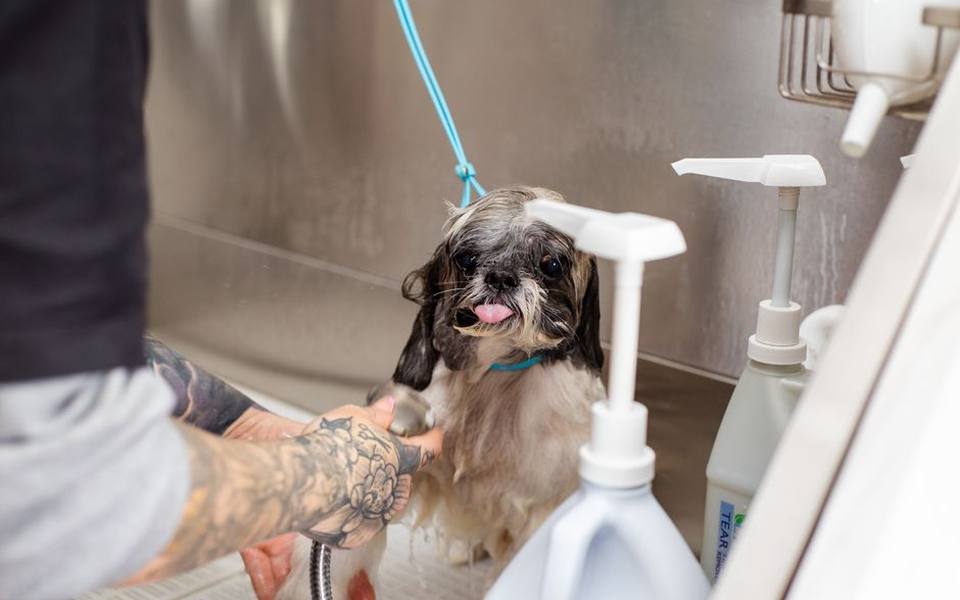
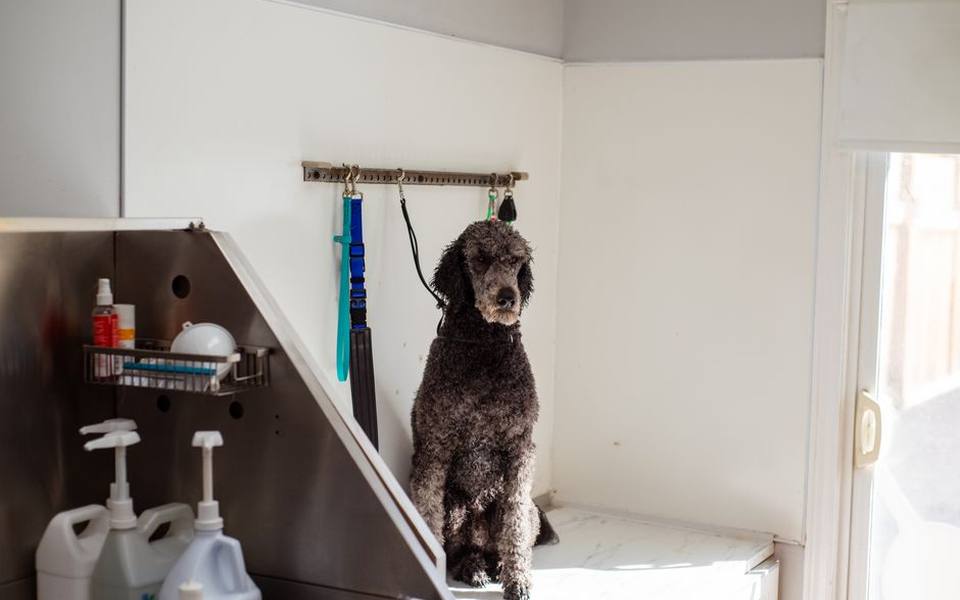
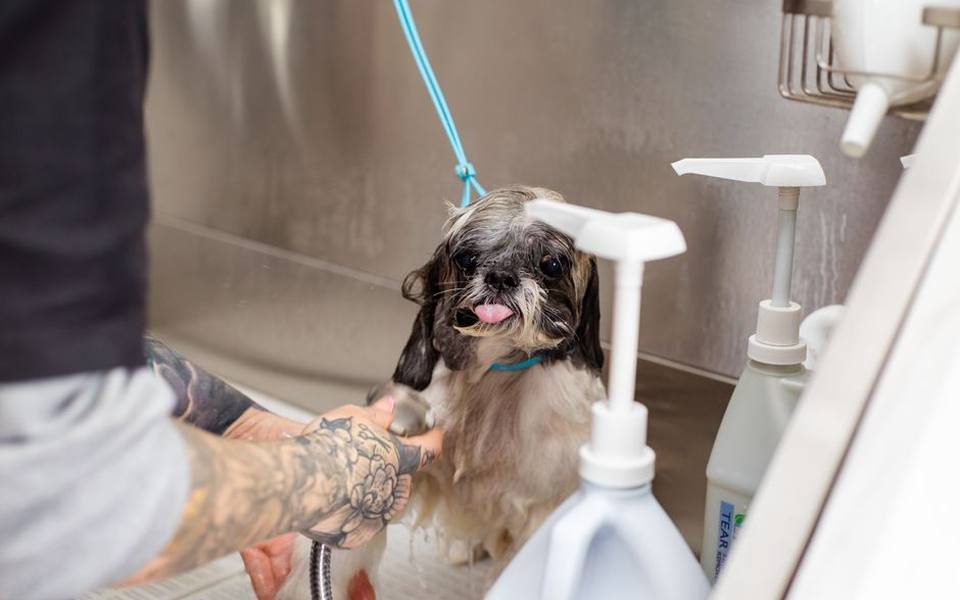
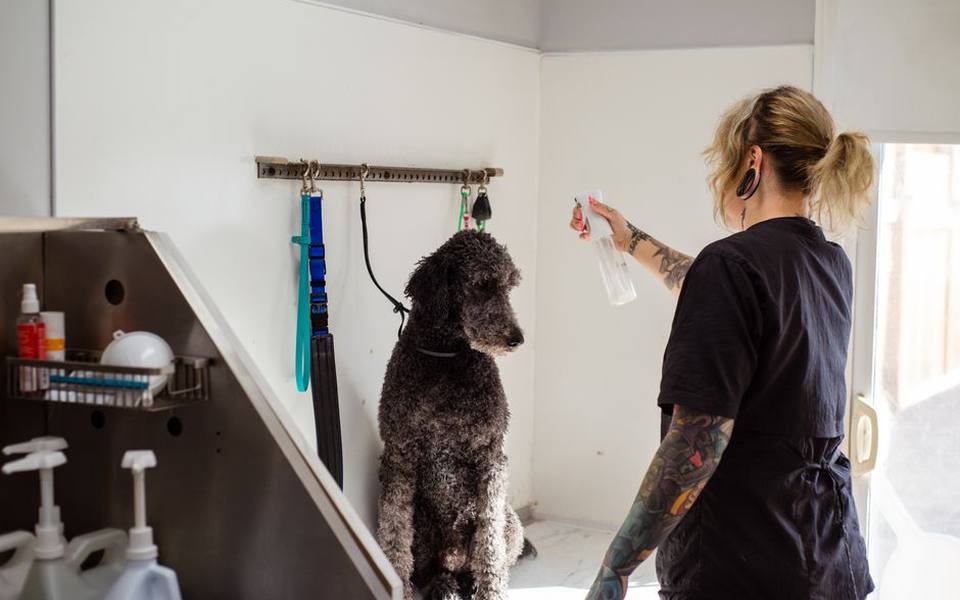
For owners who prefer bathing their own dogs without destroying their home bathrooms, commercial self-serve stations provide an effective middle ground. These facilities house industrial waist-high stainless steel wash basins, non-slip entry ramps, elevated restraint tethers, and temperature-regulated spray nozzles. By elevating the animal, these tubs eliminate the severe back strain and slipping hazards that accompany washing a dog in a residential shower or bathtub.
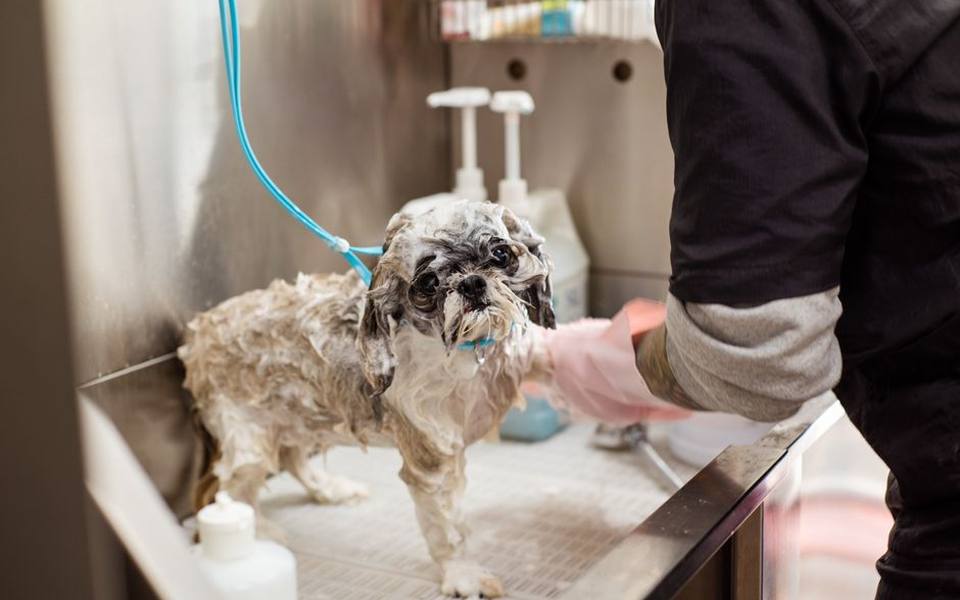
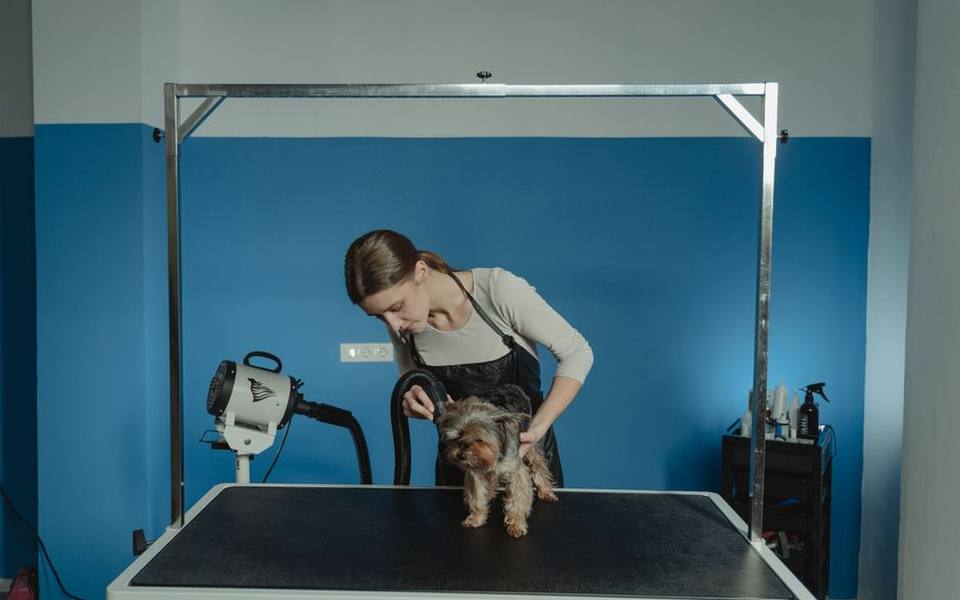
Most self-serve bathing bays supply everything needed to complete a thorough wash, including diluted professional shampoos, conditioners, tearless facial cleansers, scrub brushes, towels, and commercial high-velocity air dryers. Unlike consumer hair dryers, high-velocity pet dryers blast moisture directly out of dense undercoats without relying on excessive heating elements that could burn a dog's skin. The mess of wet walls, flying fur, and clogged household drains remains entirely at the commercial facility.
According to national directory records, there are over 1434 listings in top states where owners can access these amenities on demand. In large regional markets like Texas facilities, self-wash bays are commonly integrated alongside independent pet supply stores, community car washes, and veterinary practices, allowing owners to wash their pets quickly after outdoor activities.
Cost Breakdown Across Formats and Service Tiers
Service pricing in the dog care industry is influenced by facility format, geographic region, pet size, and coat condition. Self-serve wash stations represent the most economical category, typically charging between $12 and $25 for roughly thirty minutes of tub and dryer access with cleaning supplies included. This flat pricing model allows owners of large double-coated breeds to achieve professional bathing results at a fraction of salon labor rates.
Storefront salon pricing at regional chains and independent shops typically ranges from $45 to $75 for small dogs with low-maintenance coats, climbing to $90 or well over $130 for giant breeds or complex scissor cuts like standard poodles. Extra labor fees are commonly added if a dog presents with heavy matting, severe undercoat compaction, or behavioral issues requiring multiple staff members to safely handle the animal during clipping.
Mobile pet grooming occupies the premium tier. Base rates for mobile visits typically start between $85 and $125 for small breeds and easily exceed $160 to $200 for large breeds requiring full haircuts. Most mobile services incorporate travel fees into their baseline pricing or mandate minimum package tiers to cover operational overhead. Across all full-service formats, customary gratuities of fifteen to twenty percent for the groomer are standard industry practice.
Puppy Introductions and First-Time Handling Protocols
A dog's first salon visit sets the behavioral tone for its entire grooming life. Puppies typically begin their salon journey around twelve to sixteen weeks of age, immediately following their final rounds of core vaccinations. Early appointments focus entirely on tactile habituation: feeling electric clippers vibrate against their paw pads, hearing the mechanical hum of dryers, and standing calmly inside a stainless steel tub while gentle warm water rinses their legs.
Rushing a young puppy into a comprehensive, multi-hour haircut on their first outing can create lasting handling anxiety. Experienced groomers recommend scheduling two or three abbreviated maintenance sessions—often consisting simply of a bath, sanitary trim, nail file, and brief face scissoring—before attempting complex breed pattern styling. This controlled exposure prevents overstimulation and builds baseline trust with the equipment.
Owners planning to use self-serve wash bays for puppy training should visit during off-peak hours when background noise is minimal. Allowing a puppy to explore the ramp, sniff the empty tub, and eat high-value treats near an idling dryer helps construct a positive association before water is ever introduced. Taking deliberate small steps early prevents future bath-time struggles as the dog reaches adult size.
Health, Vaccination, and Facility Sanitation Rules
Reputable pet salons and mobile operators enforce strict health protocols to prevent the transmission of communicable diseases among animals sharing common spaces. Almost all commercial facilities require verified veterinary documentation of current Rabies, Distemper, Parvovirus, and Bordetella (kennel cough) vaccinations prior to admitting any dog through their doors. Some urban facilities in certain states also strongly recommend or mandate canine influenza inoculations.
Beyond vaccination checks, professional salons implement rigorous daily sanitization routines. Stainless steel tubs, grooming tables, clipper blades, and shear assemblies must be cleaned with hospital-grade disinfectants between clients to eliminate bacteria, ringworm spores, and external parasites. If a dog arrives with active flea or tick infestations, facilities typically apply mandatory antiparasitic baths at the owner's expense or decline service until the infestation is medically resolved.
Owners should actively observe the cleanliness of any facility they consider patronizing. Warning signs of poor sanitary management include foul standing water odors, accumulations of clipped fur beneath tables from previous dogs, unventilated crate drying areas, and rusty tub fixtures. A well-managed shop operates transparently, welcomes brief tours of their bathing stations, and demonstrates consistent sanitation practices across all work surfaces.
Walk-In Services versus Advance Scheduling
Routine coat upkeep often involves minor maintenance tasks that do not necessitate a full three-hour salon package. Tasks such as nail trimming, nail grinding with a rotary tool, ear flushing, and external anal gland expression are widely offered as stand-alone walk-in options at both retail stores and independent shops. These quick appointments typically take ten to fifteen minutes and can often be completed without advance booking.
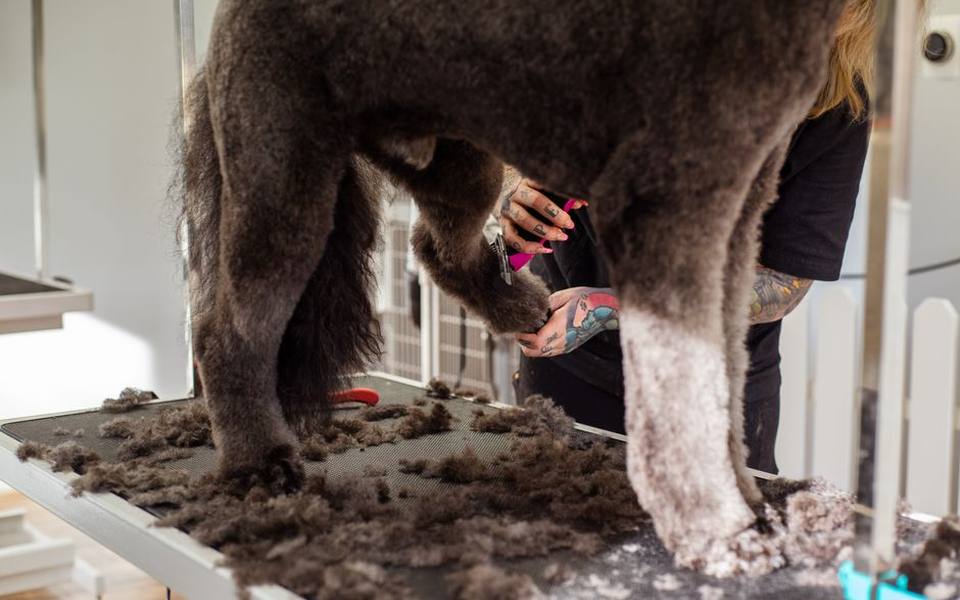
In contrast, comprehensive haircuts, breed-specific scissoring, and deshedding baths almost universally demand advance scheduling, especially during holiday rushes in November and December or seasonal spring shedding cycles. Booking four to six weeks ahead is customary for top-rated stylists. For owners who struggle with unpredictable calendars, walk-in dog washes provide immediate access for bathing without appointment delays.
Certain community wash centers even operate with 24-hour access via automated card payment portals, allowing pet owners to manage late-night emergencies, such as unexpected encounters with mud or skunks, without waiting for morning business hours. You can search the national dog wash directory to locate regional facilities offering flexible, unscheduled entry.
Selecting the Right Format for Your Dog's Specific Needs
Determining whether to use a retail salon, an independent boutique, a mobile groomer, or a self-serve wash station comes down to your dog's age, physical health, coat type, and temperament. A young, sociable golden retriever with a resilient personality will likely thrive in a bustling retail salon or an interactive self-wash facility. Conversely, an arthritic senior dog or an animal with kennel-reactivity is significantly better served by the quiet, uninterrupted environment of a mobile van.
Coat complexity also plays a definitive role in this choice. Breeds requiring intricate hand-scissoring, such as poodles, bichons, and various doodle mixes, require the technical expertise of experienced full-service stylists with specialized equipment. Conversely, smooth-coated breeds like boxters, labradors, and hounds often need little more than a thorough degreasing bath, high-velocity blowout to shed loose undercoat, and nail trim—tasks that owners can easily accomplish at a self-serve station for a fraction of the cost.
Consider your personal schedule and physical capabilities alongside your dog's profile. If lifting a sixty-pound dog into a tub or brushing dense undercoat for forty minutes causes you physical discomfort, paying for professional salon labor is a practical investment in your pet's wellbeing. If your dog enjoys shared bath time and your primary goal is keeping hair out of household plumbing, a local self-wash bay offers the ideal balance of affordability and control.
Published 2026-09-21 · reviewed with each rebuild, last September 2026.
Find self-serve dog washes near you
The directory lists 2,264 self-serve dog washes by state and city — pick your state or use the “Near me” button in the header.
More guides
-
 Money
MoneyUnderstanding the Costs of Grooming and Washing Your Dog
-
 Service
Canine Scent Gland Care: Symptoms, DIY Steps, and Professional Costs
-
 Money
MoneyDog Grooming Cost Breakdown: Salons, Mobile Vans, and Retail Chains
-
 Service
Dog Anal Gland Expression: How It Works, When It Is Needed, and Typical Costs
-
 Owning
Essential Dog Grooming Tools: Choosing Clippers, Shears, and Maintaining Blades
-
 Money
MoneyDog Teeth Cleaning Costs: Vet Anesthesia vs. Non-Anesthetic Options
-
 Service
How to Choose the Best Local Dog Groomer: What to Look For
-
 Service
Self-Service Dog Wash Guide: Locations, Pricing, and How It Works
-
 Owning
Complete Dog Anal Gland Care: How to Express, Symptoms, and Safe Techniques
-
 Owning
Dog Nail Trimming and Grinding Guide: Clippers, Rotary Tools, and Safe At-Home Care
-
 Service
Popular Dog Haircut Styles: Breed Cuts, Teddy Bear Trims, and Styling Rules
-
 Owning
Managing Dog Itchy Skin and Fleas: Medicated Baths, Shampoos, and Remedies
-
 Service
Complete Cat Grooming Guide: Bathing, Haircuts, Nail Trimming, and Mobile Care
-
 Owning
Dog Ear Cleaning and Flushing Solutions: Preventing Wax Build-Up and Infections
-
 Owning
Dog Anal Gland Care: Expression, Swollen Glands, and Hygiene Solutions
-
 Owning
Dog Blow Drying, Coat Coloring, and Waterless Grooming Essentials
-
 Owning
Essential Grooming Tools: Brushes, De-Matting, Odor Neutralizers, and Paw Care
-
 Owning
Canine Dental Hygiene Guide: Toothbrushes, Powders, and Tartar Control
-
 Owning
Complete Guide to Dog Training: Methods, Equipment, Classes, and Costs
-
 Owning
Ultimate Guide to Dog Haircut Styles by Breed: Puppy Cuts, Teddy Bear, and Lion Clips
-
 Owning
How to Treat Dog Itchy Skin and Allergies: Medications, Shampoos, and Home Remedies
-
 Safety
How to Trim Dog Nails Safely: Clippers vs Grinders and Techniques
-
 Service
Professional Dog Grooming Services: Costs, Salons, and At-Home Options
-
 Owning
Dog Dental Care Guide: Toothbrushes, Powders, and At-Home Cleaning
-
 Safety
Dog Ear Cleaning Solutions, Wax Buildup, and Infection Care Guide
-
 Owning
Choosing the Right Dog Shampoo for Dry Skin, Dandruff, Fleas, and Ticks
-
 Owning
Self-Serve Dog Wash Stations and Home Bathing Setup Guide
-
 Buying
Essential Professional Grooming Tools, Clippers, and Blade Care
-
 Owning
Dog Nail Trimming, Grinding, Polish, and Safe Hair Dye: A Practical Guide
-
 Service
Dog Haircuts and Breed Styling Guide: Popular Cuts, Trims, and Coat Care
-
 Service
Cat Grooming and Styling: Lion Cuts, Bathing, and Coat Care
-
 Owning
Dog Ear Care and Skunk Odor Removal: Cleaning, Wax, and Emergency Deodorizing
-
 Safety
Dog Flea Baths and Medicated Shampoos: OTC and Prescription Remedies
-
 Owning
Complete Guide to Raw Dog Food Nutrition and Diets
-
 Owning
Dog Birthday Cakes, Safe Treats, and Celebration Guide
-
 Service
Hiring a Dog Walker: Services, Rates, and Agency Options
-
 Service
Dog Breed Haircuts, Styling, and Coat Maintenance Guide