Pinpointing Why Your Dog Cannot Stop Scratching
Persistent scratching, chewing at paws, and rubbing against furniture are clear signs that a dog is experiencing genuine discomfort. Pruritus, the medical term for severe itching, is not an independent disease but rather a symptom triggered by an underlying imbalance. In most cases, the culprit is either environmental allergies, parasitic irritation from fleas or mites, a reaction to dietary ingredients, or a disrupted epidermal moisture barrier. Addressing the problem requires determining whether the issue stems from an acute exposure or a chronic inflammatory condition.
When an allergen or irritant breaches the skin barrier, specialized immune cells release inflammatory messengers like histamine and cytokines. These compounds bind to peripheral nerve endings, sending an urgent itch signal directly to the canine brain. Scratching provides only fleeting relief while physically damaging the outermost protective layer of the skin. This repetitive trauma creates micro-abrasions that allow opportunistic environmental bacteria and natural yeast populations to multiply rapidly.
Differentiating between a simple dry coat and a complex allergic reaction typically begins with inspecting the pattern of irritation. Surface flaking across the back during dry winter months usually points toward low indoor humidity and dehydration of the outer stratum corneum. Conversely, inflamed red skin on the belly, recurrent ear infections, and obsessive paw chewing generally suggest an internal or environmental allergy that topical moisturizers alone cannot resolve.
Veterinary Medications That Interrupt the Itch Cycle
Modern veterinary medicine offers several targeted pharmaceutical options designed to halt severe pruritus without the heavy systemic side effects historically associated with high-dose steroids. For dogs suffering from intense, non-stop discomfort, prescription Janus kinase inhibitors are frequently prescribed as daily oral tablets. These medications selectively block the specific signaling pathways that transmit the sensation of itching from the skin nerves to the brain, providing noticeable relief within hours of administration.
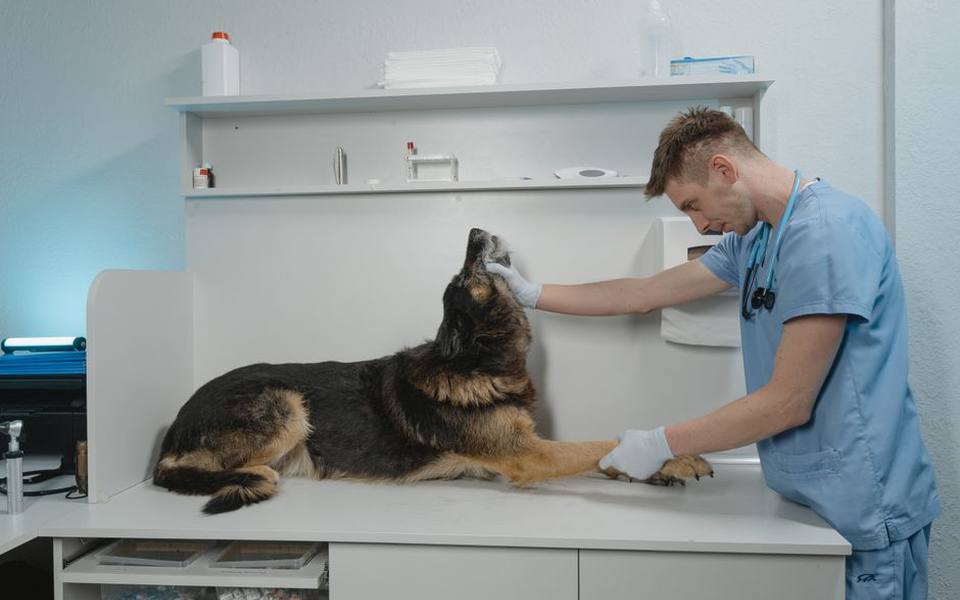
Another widely utilized medical advancement is the use of injectable monoclonal antibody therapy. Administered subcutaneously in a clinic setting typically once every four to eight weeks, these specialized proteins mimic the dog’s natural immune system to bind and neutralize interleukin-31, a primary cytokine responsible for triggering canine itch sensations. Because this therapy is processed through normal protein catabolism channels rather than the liver and kidneys, it is commonly recommended for long-term atopic allergy management.
Traditional oral antihistamines remain an accessible option, though their effectiveness in canine dermatology is considerably lower than in human medicine. While some dogs with mild seasonal irritation benefit from them, clinical response depends on the individual animal, and many require more potent interventions to control flare-ups. Short-term corticosteroid courses may still be utilized during acute crisis events to break an aggressive inflammation cycle, but long-term maintenance relies on non-steroidal solutions to prevent organ strain.
Targeted Therapies for Allergic Dermatitis
A successful treatment strategy for canine allergic dermatitis depends entirely on isolating the primary trigger behind the flare-up. Flea allergy dermatitis is remarkably common, where a hypersensitive dog reacts severely to proteins found in flea saliva. Even a single insect bite can ignite weeks of frantic biting and hair loss near the tail base. In these instances, year-round broad-spectrum parasite preventatives are mandatory, as no soothing shampoo or topical spray can overcome ongoing exposure to parasitic bites.
Environmental allergies, known clinically as atopic dermatitis, occur when a dog develops an exaggerated immune reaction to airborne or surface allergens such as tree pollen, grass, mold spores, and house dust mites. Because avoiding these microscopic particles entirely is impossible, treatment focuses on multimodality care: stabilizing the skin barrier, administering immune-modulating pharmaceuticals during high-pollen seasons, and performing regular full-body rinses to remove allergen particles before they penetrate the skin.
Cutaneous adverse food reactions present with identical symptoms to environmental allergies, frequently making diagnosis a process of elimination. If a veterinary dermatologist suspects a food sensitivity, they typically recommend an eight-to-twelve-week strict dietary elimination trial using a novel protein or a hydrolyzed diet. During this period, all conventional treats, flavored medications, and table scraps must be completely eliminated to observe whether skin redness and itching progressively clear.
Managing Scurf, Flaking, and Canine Dandruff
Scurf, commonly recognized as canine dandruff, consists of small white flakes of dead skin that accumulate throughout the fur and shed across bedding. Skin cells naturally regenerate and slough off, but when the sebaceous glands produce too little sebum or the epidermis is chronically inflamed, the rate of cell turnover accelerates dramatically. This leaves dry, uncohesive flakes that cling to the hair shafts, frequently accompanied by mild pruritus and a dull, coarse coat texture.
Addressing persistent canine scurf requires identifying whether the flaking is secondary to dry environmental air or an active skin infection. Low indoor humidity during winter heating cycles strips natural surface lipids from the coat, causing widespread superficial desquamation. Humidifiers placed near sleeping areas and regular brushing with a soft-bristle brush help stimulate natural sebum distribution along the hair shafts, loosening dead flakes and promoting balanced glandular secretion across the back and flanks.
In more stubborn cases, excessive scurf points to primary seborrheic disorders or secondary yeast overgrowth that feeds on skin oils. Medicated keratolytic shampoos containing ingredients such as salicylic acid, sulfur, or zinc gluconate help soften and dissolve the outer dead layer, gently shedding crusts without causing harsh chemical abrasions. Balancing gentle mechanical exfoliation with adequate hydration prevents the skin from overcompensating with erratic cellular shedding.
Choosing the Right Cleanser for Dry and Irritated Skin
Selecting an appropriate cleanser is essential when dealing with an itchy dog, as standard or perfumed formulas easily strip away natural lipid layers. A gentle, soap-free formulation designed specifically for canine skin pH—which sits substantially more neutral than human skin—protects the delicate stratum corneum. Formulas enriched with micronized colloidal oatmeal provide natural anti-inflammatory properties, coating the skin in a protective polysaccharide film that locks in moisture and calms surface tingling.
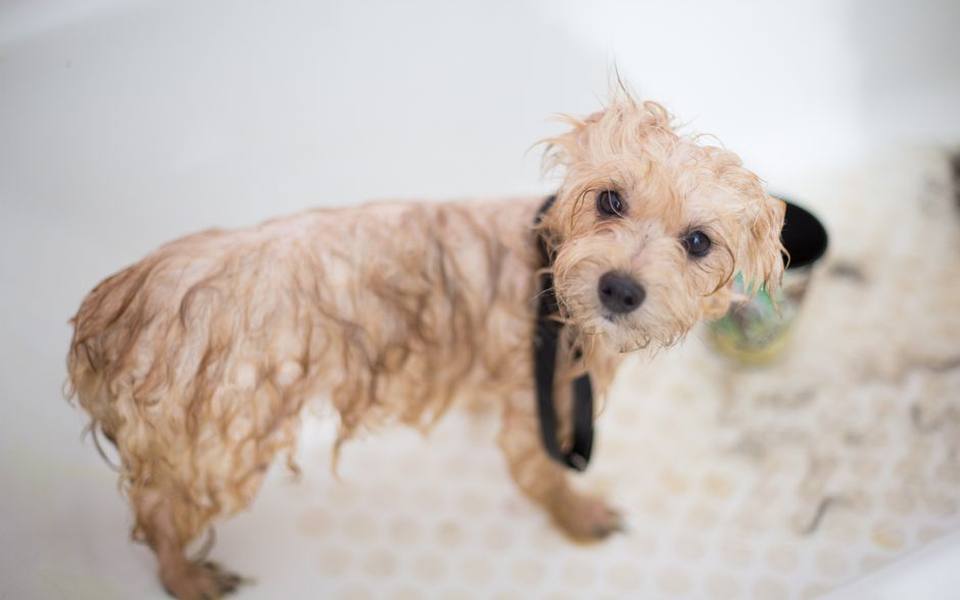
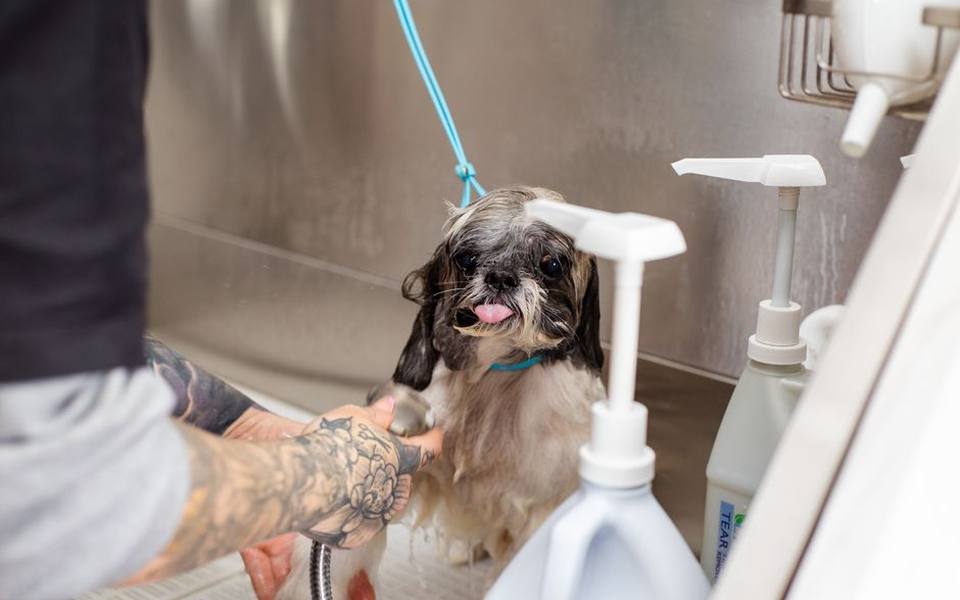
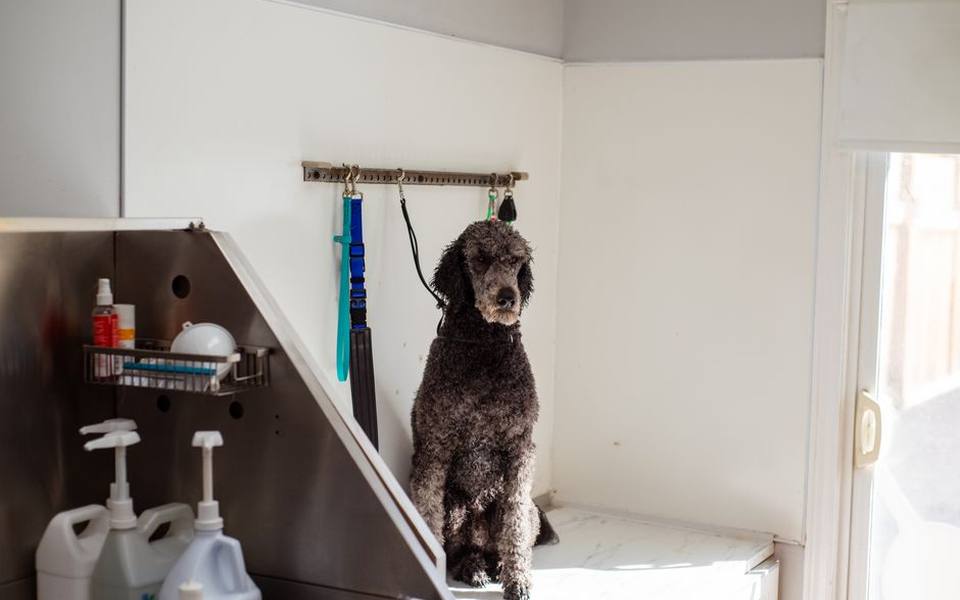
For skin that feels greasy, emits an unpleasant yeasty odor, or exhibits spreading redness, veterinarians frequently recommend therapeutic formulas containing antiseptic agents such as chlorhexidine and ketoconazole. These clinical ingredients target secondary bacterial and fungal populations that capitalize on broken skin. Many owners take advantage of self-service dog wash stations because the elevated stainless steel tubs and professional sprayers allow for controlled application and adequate contact time without making a mess at home.
When bathing a dog prone to severe dry skin, look for labels containing ceramides and essential fatty acids. Ceramides act as the structural mortar between skin cells, repairing microscopic gaps that allow hydration to evaporate and airborne allergens to penetrate. Avoid products containing artificial colorants, synthetic perfumes, or harsh sulfates, as these additives frequently worsen contact sensitivity on compromised epidermal tissue.
Bathing Routines That Calm Flare-Ups Without Over-Drying
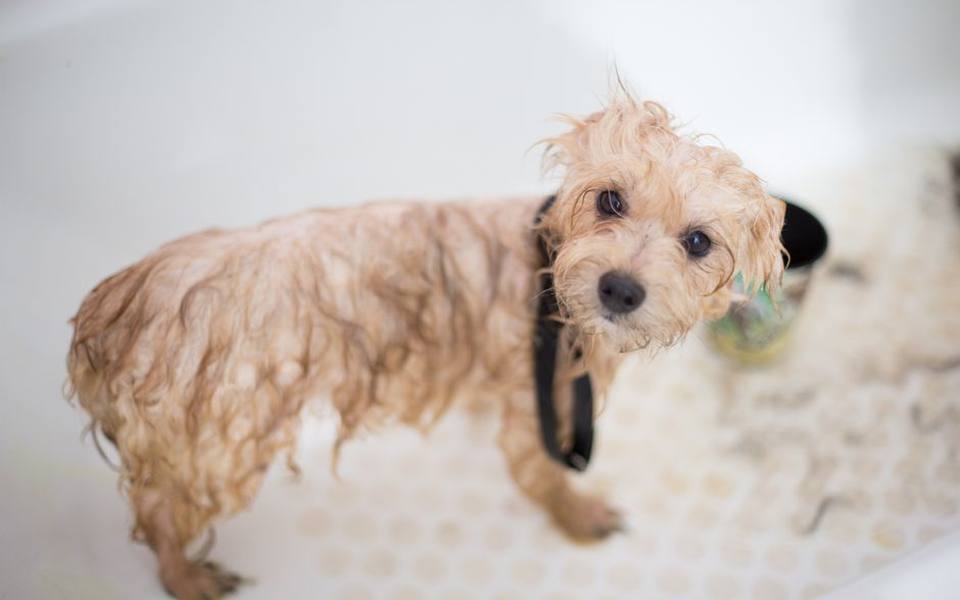
Bathing frequency is a delicate balance when managing canine skin complaints. While washing too often with drying detergents causes rebound flaking, bathing a dog once or twice a week with a prescribed therapeutic formula is often crucial for clearing allergens and controlling microbial loads. Using lukewarm water is critical, as hot water increases cutaneous blood flow, intensifying itching and further dehydrating inflamed tissue.
Allowing therapeutic shampoos to sit on the coat for a full ten to fifteen minutes before rinsing is necessary for active ingredients to work. Washing a dog at home can be physically demanding during long contact times, leading many owners to visit specialized Self-Serve Dog Wash Stations where secure tethers and raised platforms make the waiting period comfortable for both owner and pet.
Thorough rinsing is just as important as the initial application. Any dried surfactant residue left behind on the underbelly or between the toes quickly causes secondary chemical irritation, resulting in renewed licking and gnawing. After a complete rinse, gently pat the fur with microfiber towels rather than rubbing vigorously, and if using blow dryers, ensure they are set strictly to cool or room-temperature settings to avoid thermal irritation.
Soothing Rashes and Hot Spots Safely
Canine skin rashes often manifest as erythematous patches, small red papules, or moist, rapidly expanding lesions known as hot spots. Acute moist dermatitis develops quickly when intense chewing drives normal surface bacteria deep into self-inflicted wounds. Resolving a hot spot begins with carefully clipping the surrounding fur to allow air to reach the lesion, as trapped moisture creates an ideal breeding ground for bacterial expansion.
Once clipped, the affected area should be cleansed using a gentle, alcohol-free antiseptic wash such as diluted chlorhexidine or dilute povidone-iodine. Applying astringent solutions or veterinary-formulated hydrocortisone sprays helps dry exudative weeping and temporarily desensitizes inflamed nerve endings. Never apply occlusive ointments like petroleum jelly or heavy human moisturizers to acute weeping hot spots, as sealing moisture inside accelerates bacterial proliferation.
Preventing the dog from continuing to lick or chew the irritated patch is paramount during the healing phase. An Elizabethan collar, soft recovery cone, or breathable protective garment must be kept on until the surface scabs over and loses its moist sheen. For persistent rashes that spread across the groin or armpits, a visit to a veterinarian is necessary to rule out deep pyoderma or mite infestations that require systemic antimicrobial therapy.
Dietary Support and Fatty Acid Supplementation
Topical interventions provide immediate comfort, but building long-term skin resilience requires proper internal nutritional support. Long-chain omega-3 fatty acids, specifically eicosapentaenoic acid (EPA) and docosahexaenoic acid (DHA) derived from marine fish oils, play a proven biological role in modulating inflammatory pathways. When incorporated into the daily diet, these fatty acids gradually replace arachidonic acid in cell membranes, resulting in the production of significantly less inflammatory mediators.
Noticeable improvements in coat shine, skin hydration, and reduced scratching typically take between six to twelve weeks of consistent supplementation. The dosage depends on the dog's body weight and overall health profile, and pet owners should use veterinary-specific purified fish oils rather than standard human supplements, which may contain excessive concentrations of vitamin A or D. Cold-pressed flaxseed oil provides alpha-linolenic acid, but dogs convert plant-based fatty acids into active EPA and DHA relatively inefficiently.
In addition to fatty acids, trace minerals such as zinc and bioavailable biotin are essential for keratin synthesis and structural epidermal integrity. Deficiencies in these micronutrients lead to cracked paw pads, brittle coats, and localized scaling. Choosing a nutritionally balanced diet certified by regulatory standards ensures your pet receives adequate baseline nutrition to support normal cell turnover alongside specialized supplements.
Environmental Control and Home Management
Minimizing environmental allergen exposure inside the household substantially lowers the cumulative itch burden on a sensitive dog. Dust mites, outdoor pollen tracked inside, and indoor molds settle deeply into fabric weaves, creating persistent contact triggers. Washing your dog's bedding in hot water weekly using a fragrance-free, hypoallergenic laundry detergent eliminates accumulated allergens and microscopic debris that irritate delicate skin overnight.
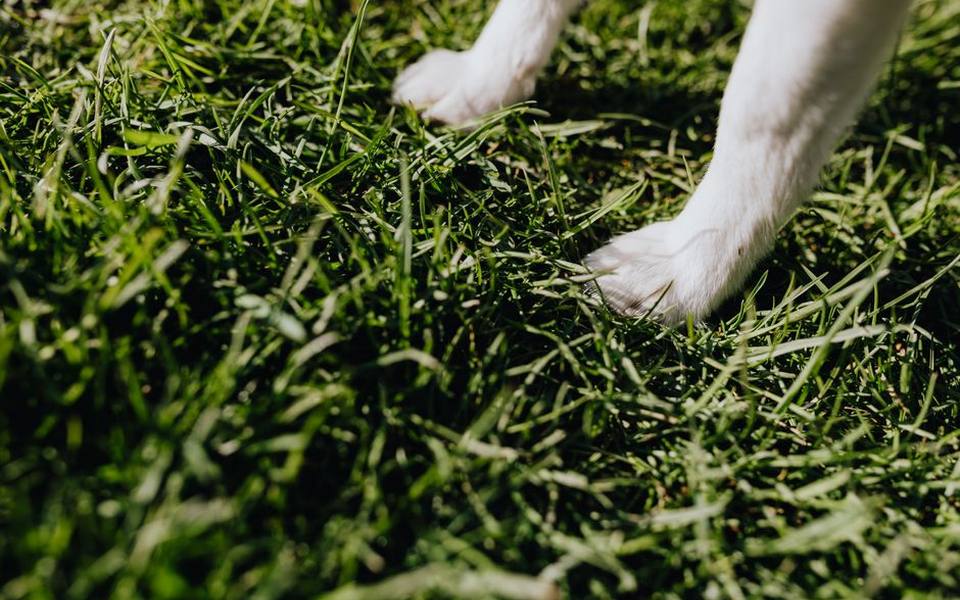
After daily walks during peak allergy seasons, wipe your dog's paws, underbelly, and coat with a damp washcloth or hypoallergenic pet wipe before letting them indoors. This simple barrier habit physically removes grass pollen and road contaminants before your dog can lick them off and ingest them. Keeping indoor humidity levels between forty and fifty percent using humidifiers or dehumidifiers prevents both excessive skin dryness and excessive indoor mold growth.
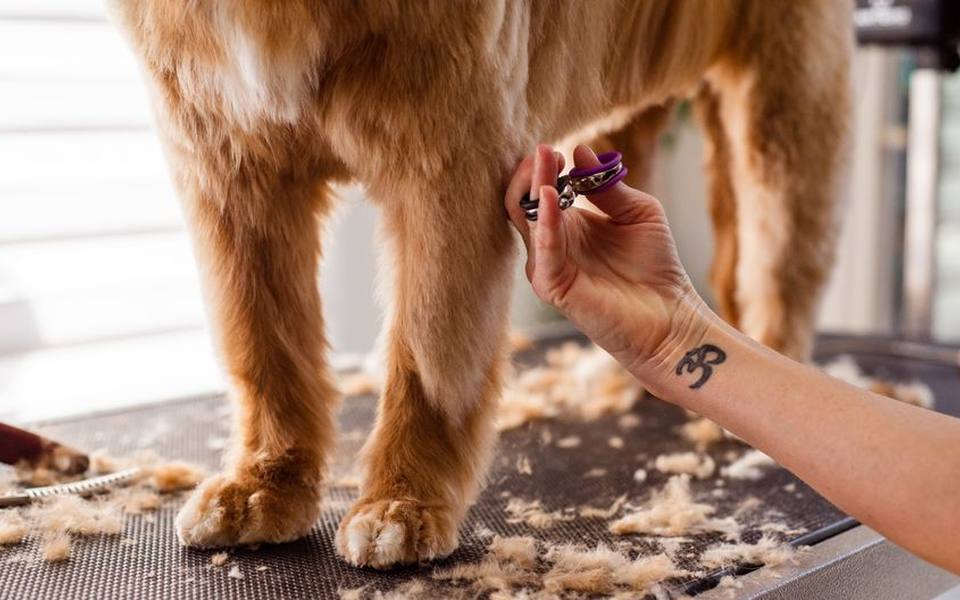
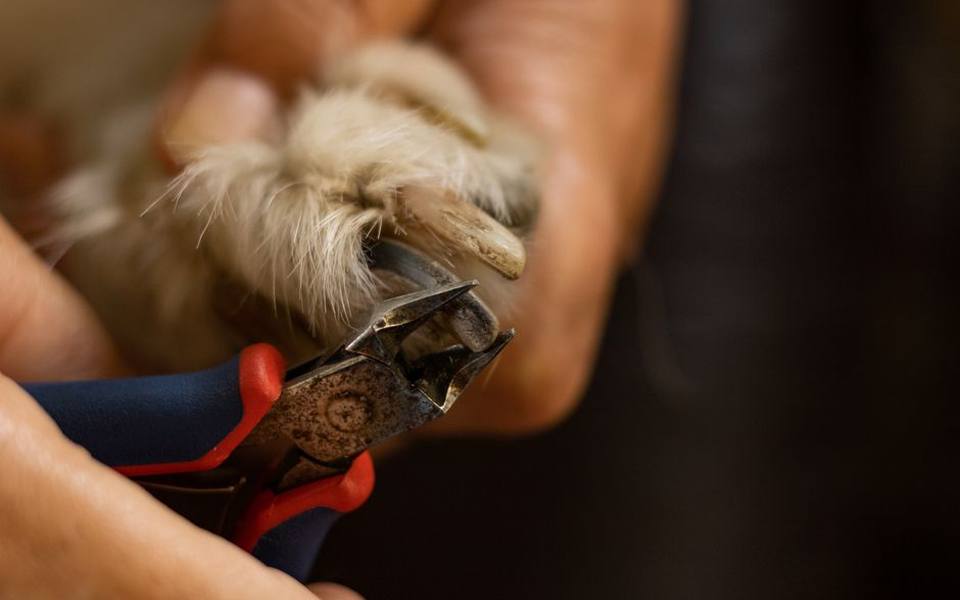
Managing your dog's paws and claws is an often overlooked factor in controlling skin damage. Sharp, overgrown nails turn a mild scratching session into deep lacerations, opening pathways for secondary infections. Routine maintenance using dog nail trimming & grinding services keeps claws rounded and smooth, minimizing the mechanical trauma inflicted when your pet reflexively scratches their ears or flank.
Recognizing When Professional Intervention Is Essential
While mild dry skin and seasonal flaking can often be managed with good hygiene and nutritional support, certain symptoms demand prompt evaluation by a licensed veterinarian. If your dog exhibits open bleeding sores, widespread hair loss, severe swelling, or signs of intense discomfort that interrupt normal sleep patterns, home remedies are no longer adequate. Deep cutaneous infections require culture tests and targeted prescription treatments to resolve safely.
Secondary yeast and bacterial infections frequently emit a strong, sour odor and leave a dark, greasy discharge in ear canals and skin folds. Left untreated, these secondary complications create an endless cycle of self-mutilation and chronic tissue thickening known as lichenification. A veterinarian can perform quick in-clinic skin scrapes and cytology impressions to identify the precise organisms present and prescribe appropriate medications.
If a sudden rash or severe facial swelling emerges alongside lethargy, facial puffiness, or difficulty breathing, immediate veterinary attention is required, as this signals an acute anaphylactic reaction. For urgent care after normal clinic hours or when sudden dirt and allergen exposure triggers severe distress, locating facilities with 24-hour access or after-hours emergency veterinary clinics ensures that your pet receives rapid stabilization without unnecessary delay.
Published 2026-09-21 · reviewed with each rebuild, last September 2026.
Find self-serve dog washes near you
The directory lists 2,264 self-serve dog washes by state and city — pick your state or use the “Near me” button in the header.
More guides
-
 Money
MoneyUnderstanding the Costs of Grooming and Washing Your Dog
-
 Service
Canine Scent Gland Care: Symptoms, DIY Steps, and Professional Costs
-
 Money
MoneyDog Grooming Cost Breakdown: Salons, Mobile Vans, and Retail Chains
-
 Service
Dog Anal Gland Expression: How It Works, When It Is Needed, and Typical Costs
-
 Owning
Essential Dog Grooming Tools: Choosing Clippers, Shears, and Maintaining Blades
-
 Money
MoneyDog Teeth Cleaning Costs: Vet Anesthesia vs. Non-Anesthetic Options
-
 Service
How to Choose the Best Local Dog Groomer: What to Look For
-
 Service
Self-Service Dog Wash Guide: Locations, Pricing, and How It Works
-
 Owning
Complete Dog Anal Gland Care: How to Express, Symptoms, and Safe Techniques
-
 Service
Professional Dog Grooming and Self-Wash Stations: Comparing Costs, Services, and Formats
-
 Owning
Dog Nail Trimming and Grinding Guide: Clippers, Rotary Tools, and Safe At-Home Care
-
 Service
Popular Dog Haircut Styles: Breed Cuts, Teddy Bear Trims, and Styling Rules
-
 Owning
Managing Dog Itchy Skin and Fleas: Medicated Baths, Shampoos, and Remedies
-
 Service
Complete Cat Grooming Guide: Bathing, Haircuts, Nail Trimming, and Mobile Care
-
 Owning
Dog Ear Cleaning and Flushing Solutions: Preventing Wax Build-Up and Infections
-
 Owning
Dog Anal Gland Care: Expression, Swollen Glands, and Hygiene Solutions
-
 Owning
Dog Blow Drying, Coat Coloring, and Waterless Grooming Essentials
-
 Owning
Essential Grooming Tools: Brushes, De-Matting, Odor Neutralizers, and Paw Care
-
 Owning
Canine Dental Hygiene Guide: Toothbrushes, Powders, and Tartar Control
-
 Owning
Complete Guide to Dog Training: Methods, Equipment, Classes, and Costs
-
 Owning
Ultimate Guide to Dog Haircut Styles by Breed: Puppy Cuts, Teddy Bear, and Lion Clips
-
 Safety
How to Trim Dog Nails Safely: Clippers vs Grinders and Techniques
-
 Service
Professional Dog Grooming Services: Costs, Salons, and At-Home Options
-
 Owning
Dog Dental Care Guide: Toothbrushes, Powders, and At-Home Cleaning
-
 Safety
Dog Ear Cleaning Solutions, Wax Buildup, and Infection Care Guide
-
 Owning
Choosing the Right Dog Shampoo for Dry Skin, Dandruff, Fleas, and Ticks
-
 Owning
Self-Serve Dog Wash Stations and Home Bathing Setup Guide
-
 Buying
Essential Professional Grooming Tools, Clippers, and Blade Care
-
 Owning
Dog Nail Trimming, Grinding, Polish, and Safe Hair Dye: A Practical Guide
-
 Service
Dog Haircuts and Breed Styling Guide: Popular Cuts, Trims, and Coat Care
-
 Service
Cat Grooming and Styling: Lion Cuts, Bathing, and Coat Care
-
 Owning
Dog Ear Care and Skunk Odor Removal: Cleaning, Wax, and Emergency Deodorizing
-
 Safety
Dog Flea Baths and Medicated Shampoos: OTC and Prescription Remedies
-
 Owning
Complete Guide to Raw Dog Food Nutrition and Diets
-
 Owning
Dog Birthday Cakes, Safe Treats, and Celebration Guide
-
 Service
Hiring a Dog Walker: Services, Rates, and Agency Options
-
 Service
Dog Breed Haircuts, Styling, and Coat Maintenance Guide