The Reality of Flea Baths in Modern Parasite Control
A flea bath provides immediate mechanical knockdown of live parasites crawling on your dog's skin, but it rarely solves an infestation on its own. While the warm water and lather drown or paralyze adult insects within minutes, topical washes offer almost no residual protection once the coat dries. Understanding where bathing fits into a complete veterinary eradication plan prevents the frustrating cycle of reinfestation that catches many dog owners off guard.
When an adult flea lands on a canine host, it begins feeding within minutes and can deposit up to fifty eggs per day into the fur. Those microscopic eggs roll off into carpets, dog beds, and upholstery, creating an invisible reservoir in your home. A single wet wash clears the active biting adults off your dog, but those unhatched environmental eggs will mature into hungry adults over the subsequent weeks.
Successful treatment demands a two-front strategy: rapid physical removal of the biting population to soothe inflamed skin, followed immediately by long-acting pharmaceutical control. Treating your dog during bath time eliminates immediate discomfort, washes away flea dirt that feeds larvae, and reduces the bacterial burden on broken skin caused by persistent scratching.
How Medicated Shampoos Target Parasites on Contact
Most commercial insecticidal washes rely on active chemical compounds engineered to disrupt the nervous system of cold-blooded parasites. Formulations featuring pyrethrins, which derive naturally from chrysanthemum flowers, or synthetic pyrethroids like permethrin, overstimulate insect nerve cells to cause rapid paralysis and death. Products such as Adams flea and tick cleansing shampoo often combine these neurotoxins with synergists like piperonyl butoxide to prevent insects from metabolizing the poison.
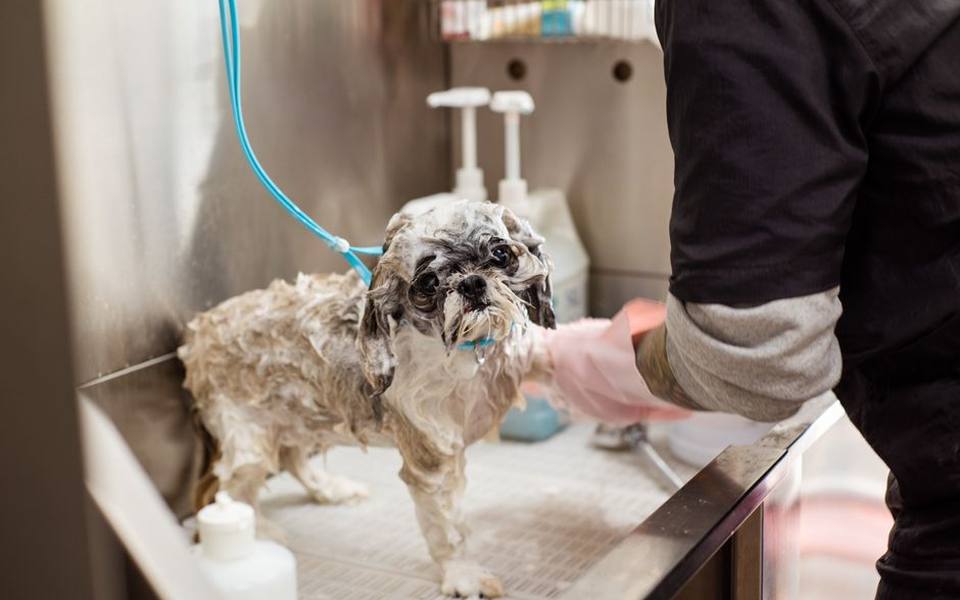
Beyond killing adult parasites, advanced medicated flea shampoo for dogs frequently incorporates an insect growth regulator, commonly abbreviated as an IGR. Ingredients such as pyriproxyfen or S-methoprene mimic juvenile insect hormones, effectively sterilizing adult female fleas and preventing eggs or larvae from maturing into breeding adults. This multi-stage approach ensures that stray eggs left behind after rinsing fail to hatch.
Contact time is the single most critical variable when applying any medicated insecticidal wash. Unlike regular conditioning shampoos that you lather and rinse immediately, parasitic cleansers require a strict ten-minute dwell time while thoroughly worked into the coat. Rinsing too early leaves active compounds diluted before they can penetrate the exoskeleton of embedded ticks or clinging fleas, rendering the effort largely ineffective.
Evaluating Over-the-Counter Flea and Tick Shampoos
Browsing the grooming aisle presents dozens of retail options ranging from budget grocery bottles to high-concentration veterinary washes. Well-known legacy brands like Hartz flea and tick shampoo sit directly alongside specialty lines like Adams flea shampoo on department shelves. While both categories utilize pyrethroid chemistry, their concentration levels, surfactant quality, and skin-conditioning additives vary dramatically across retail price points.
Choosing a good flea and tick shampoo means inspecting the label for moisturizing agents that offset the harsh drying effects of insecticidal detergents. Pyrethrins strip the natural sebum layer from your dog's dermis, which can trigger intense post-bath flaking, secondary redness, and worsened pruritus. Formulas enriched with colloidal oatmeal, aloe vera extract, or essential fatty acids help repair the epidermal barrier while the active chemicals neutralize the pests.
Safety profiles also differ substantially depending on the specific pyrethroid used in the formula. While synthetic permethrins offer robust tick-killing strength for medium and large canines, they carry heightened toxicity risks for sensitive individuals and are lethal to household cats. Never use a canine-specific pyrethroid wash in a home where felines groom the dog, as accidental chemical ingestion during mutual grooming can induce severe tremors.
Natural and Botanical Flea Washes: Capabilities and Limits
Pet owners wary of synthetic neurotoxins frequently seek out a natural flea and tick shampoo for dogs based on botanical essential oils. Formulas utilizing concentrated cedarwood, peppermint, rosemary, clove, or lemongrass oils rely on strong scent barriers and octopamine receptor interference to repel and suffocate small insects. These botanical washes can offer a milder bathing experience for dogs with minor flea exposure or mild seasonal sensitivity.
However, botanical repellency should never be mistaken for complete clinical eradication during an active parasitic outbreak. Essential oils lack the sustained killing power and hormone-disrupting capabilities of tested synthetic IGRs, meaning heavily embedded ticks and resistant flea strains often survive the wash. Furthermore, unrefined plant oils can cause significant dermal contact allergies, airway irritation, or accidental systemic toxicity if swallowed in large quantities.
When using plant-based shampoos, treat them primarily as cleansing agents that provide temporary repellent properties during outdoor excursions rather than primary infestation remedies. If your dog exhibits visible flea clusters around the tail base or embedded ticks along the neck, botanical oils rarely provide the decisive knock-down speed necessary to prevent vector-borne illness transmission.
Puppy Bathing Rules and Safe Parasite Management
Young animals present unique physiological vulnerabilities when exposed to topical insecticides due to their immature liver metabolism and thin skin barrier. Finding a flea shampoo safe for puppies requires reading age restrictions carefully, as the vast majority of chemical flea cleansers are strictly prohibited on animals younger than twelve weeks of age. Applying concentrated pyrethrins to a fragile eight-week-old pup can provoke hypothermia, neurological tremors, and chemical burns.
For very young puppies harboring active fleas, manual physical removal paired with gentle, non-medicated dish soap or basic puppy shampoo remains the safest immediate course. Warm water and a dense lather trap adult fleas mechanically, allowing you to systematically lift them out with a fine-toothed metal flea comb. Dip the comb into soapy water between strokes to drown the collected parasites without exposing the puppy's system to synthetic toxins.
If a young pup suffers from severe flea-induced anemia, professional veterinary intervention takes precedence over home baths. Pale gums, lethargy, and cold extremities signal that heavy flea feeding has dangerously depleted the animal's red blood cell count. In these critical cases, veterinarians administer targeted, weight-calibrated interventions designed to eliminate parasites without placing stress on developing organs.
Medicated Dips and Dedicated Tick Baths
A formal tick bath for dogs differs fundamentally from an ordinary insecticidal shampoo wash in both application and concentration. Traditional dips utilize chemical solutions, historically derived from organophosphates or concentrated pyrethroids, that are poured over the dog's body after washing and allowed to dry completely on the skin without rinsing. This leave-on barrier creates a toxic surface environment for hard-bodied arachnids.
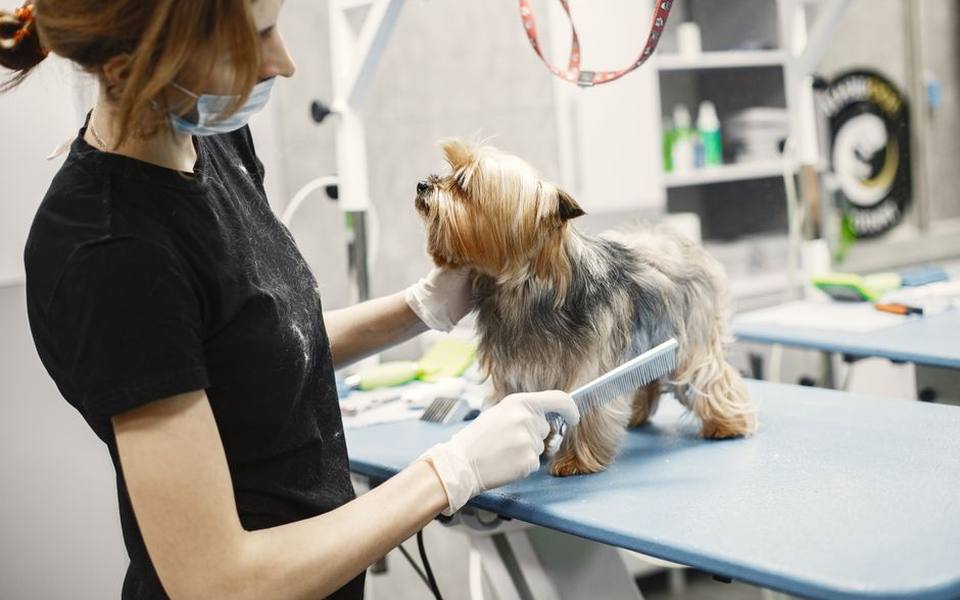
While medicated dips were once the gold standard in grooming shops across the country, their usage has sharply declined due to toxicity concerns. The intense chemical vapors can cause respiratory distress in both the dog and the handler, and accidental ingestion from coat licking poses documented poisoning hazards. Modern veterinary medicine generally favors targeted systemic oral preventatives over hazardous whole-body chemical dips.
If an outdoor excursion results in dozens of embedded seed ticks or adult dog ticks, a heavy lather using a dedicated tick wash remains a viable emergency measure. Start by applying a concentrated ring of soap around the dog's neck before wetting the rest of the body; this physical barrier prevents ticks and fleas from migrating upward into the sensitive ear canals and facial folds to escape the water.
Retail Spot-Ons and Over-the-Counter Bathing Synergy
Navigating the pet aisle for dog flea treatment Petsmart shelves or farm supply displays stock reveals a vast array of topical spot-on liquids and collars. Classic over-the-counter topical treatments, notably formulas built around fipronil like classic dog flea treatment Frontline, work by spreading across the lipid layer of the dog's skin over twenty-four to forty-eight hours. These spot-ons provide continuous parasite killing that standard bath soaps cannot match.
Timing the bath relative to topical spot-on application is critical for therapeutic success. Bathing a dog immediately before applying a topical treatment strips the skin of the natural sebum oils required to carry the active medication across the body. Conversely, bathing too soon after application washes the concentrated chemical away before it binds securely to the sebaceous glands.
Veterinarians typically recommend waiting at least forty-eight hours after an insecticidal or cleansing bath before parting the fur to apply an over-the-counter spot-on tube. Similarly, if your dog already has a topical spot-on applied, avoid bathing for at least two full days to prevent washing off the protective barrier. Always verify that subsequent routine shampoos are strictly soap-free to avoid stripping existing topical treatments.
Prescription Parasiticides and Modern Systemic Remedies
The standard of canine parasite care has shifted decisively away from topical washes toward internal dog flea treatment prescription options. Modern oral chewables belonging to the isoxazoline class, alongside multi-spectrum topical solutions like prescription dog flea treatment Revolution, circulate systemically through the dog's tissue fluids. When a flea or tick bites, it ingests the compound and dies rapidly before it can feed or reproduce.
Prescription remedies like selamectin or oral isoxazolines provide consistent, month-long protection that is completely impervious to water exposure. Unlike topical spot-ons or medicated washes, you can wash your dog thoroughly in warm water without degrading the medication's clinical efficacy. This water-fast reliability makes systemic prescriptions particularly advantageous for dogs that swim frequently or require routine therapeutic baths for allergic skin conditions.
Consulting your veterinarian ensures the chosen prescription matches your regional parasite risks and individual canine health profile. Some systemic preventatives also eliminate heartworm microfilariae, ear mites, and sarcoptic mange, offering comprehensive internal and external protection. For dogs with severe flea allergy dermatitis, the lightning-fast kill time of modern prescription chews prevents the repeated bites that trigger debilitating allergic flares.
Optimizing Bath Logistics at Self-Service Wash Facilities
Managing an active flea infestation at home frequently creates unwanted chaos in household bathrooms. Confining a soaking, parasite-covered dog in a residential bathtub often results in contaminated towels, soaked floors, and escaping insects finding refuge in baseboards. Utilizing professional self-serve stations provides elevated tubs, high-volume sprayers, and dedicated drainage systems that keep the mess away from your living space.
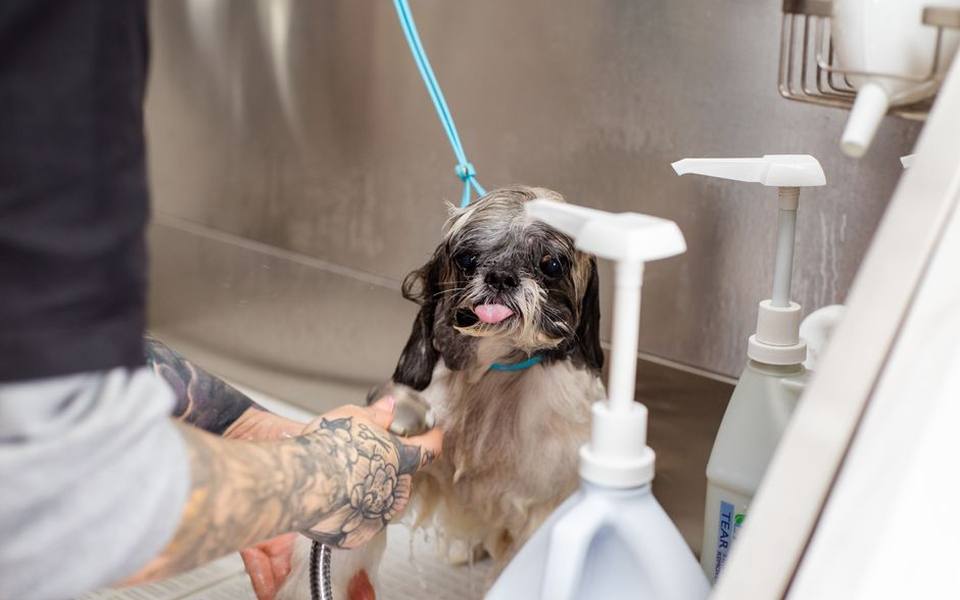
When using public wash facilities during a parasite flare, advance preparation makes the visit efficient and hygienic. Bringing your own specialized medicated shampoo ensures your dog receives the exact formula needed while taking advantage of ergonomic waist-height wash bays. Seeking out local self-service dog wash stations allows you to thoroughly soak, scrub, and rinse dense coats without putting stress on your own back.
After completing the required ten-minute medicated lather and thorough rinse, use the commercial high-velocity blow dryers with care. High air speed helps physically dislodge dead ticks and paralyzed fleas trapped near the skin surface, leaving the coat spotless. Many pet owners also take advantage of professional dog nail trimming & grinding during the same outing to keep paws tidy while the coat dries.
Step-by-Step Flea Eradication in the Home Environment
A successful flea bath marks only the opening move in clearing a household infestation. Because roughly ninety-five percent of a flea population lives in the environment as microscopic eggs, larvae, and pupae, failing to sanitize the home ensures your freshly washed pet will harbor new adult parasites within days. A systematic environmental decontamination protocol must begin the very day your dog undergoes bathing.
Strip all pet bedding, crate liners, throw blankets, and washable slipcovers, laundering them in water heated to at least one hundred forty degrees Fahrenheit followed by high-heat drying. Heat serves as a lethal agent against all life stages of fleas, destroying resilient pupal cocoons that chemical room sprays often fail to penetrate. Vacuum every floor surface thoroughly, paying special attention to dark baseboards, under sofa cushions, and along bedroom carpet edges.
Dispose of the vacuum canister contents or vacuum bag immediately in an outdoor trash receptacle to prevent captured fleas from crawling back into living spaces. Combining regular vacuuming, high-heat textile laundering, and veterinary-approved preventative medications breaks the reproductive cycle permanently. With consistent adherence across a ninety-day window, you can achieve complete home eradication without recurring chemical dips.
Published 2026-09-21 · reviewed with each rebuild, last September 2026.
Find self-serve dog washes near you
The directory lists 2,264 self-serve dog washes by state and city — pick your state or use the “Near me” button in the header.
More guides
-
 Money
MoneyUnderstanding the Costs of Grooming and Washing Your Dog
-
 Service
Canine Scent Gland Care: Symptoms, DIY Steps, and Professional Costs
-
 Money
MoneyDog Grooming Cost Breakdown: Salons, Mobile Vans, and Retail Chains
-
 Service
Dog Anal Gland Expression: How It Works, When It Is Needed, and Typical Costs
-
 Owning
Essential Dog Grooming Tools: Choosing Clippers, Shears, and Maintaining Blades
-
 Money
MoneyDog Teeth Cleaning Costs: Vet Anesthesia vs. Non-Anesthetic Options
-
 Service
How to Choose the Best Local Dog Groomer: What to Look For
-
 Service
Self-Service Dog Wash Guide: Locations, Pricing, and How It Works
-
 Owning
Complete Dog Anal Gland Care: How to Express, Symptoms, and Safe Techniques
-
 Service
Professional Dog Grooming and Self-Wash Stations: Comparing Costs, Services, and Formats
-
 Owning
Dog Nail Trimming and Grinding Guide: Clippers, Rotary Tools, and Safe At-Home Care
-
 Service
Popular Dog Haircut Styles: Breed Cuts, Teddy Bear Trims, and Styling Rules
-
 Owning
Managing Dog Itchy Skin and Fleas: Medicated Baths, Shampoos, and Remedies
-
 Service
Complete Cat Grooming Guide: Bathing, Haircuts, Nail Trimming, and Mobile Care
-
 Owning
Dog Ear Cleaning and Flushing Solutions: Preventing Wax Build-Up and Infections
-
 Owning
Dog Anal Gland Care: Expression, Swollen Glands, and Hygiene Solutions
-
 Owning
Dog Blow Drying, Coat Coloring, and Waterless Grooming Essentials
-
 Owning
Essential Grooming Tools: Brushes, De-Matting, Odor Neutralizers, and Paw Care
-
 Owning
Canine Dental Hygiene Guide: Toothbrushes, Powders, and Tartar Control
-
 Owning
Complete Guide to Dog Training: Methods, Equipment, Classes, and Costs
-
 Owning
Ultimate Guide to Dog Haircut Styles by Breed: Puppy Cuts, Teddy Bear, and Lion Clips
-
 Owning
How to Treat Dog Itchy Skin and Allergies: Medications, Shampoos, and Home Remedies
-
 Safety
How to Trim Dog Nails Safely: Clippers vs Grinders and Techniques
-
 Service
Professional Dog Grooming Services: Costs, Salons, and At-Home Options
-
 Owning
Dog Dental Care Guide: Toothbrushes, Powders, and At-Home Cleaning
-
 Safety
Dog Ear Cleaning Solutions, Wax Buildup, and Infection Care Guide
-
 Owning
Choosing the Right Dog Shampoo for Dry Skin, Dandruff, Fleas, and Ticks
-
 Owning
Self-Serve Dog Wash Stations and Home Bathing Setup Guide
-
 Buying
Essential Professional Grooming Tools, Clippers, and Blade Care
-
 Owning
Dog Nail Trimming, Grinding, Polish, and Safe Hair Dye: A Practical Guide
-
 Service
Dog Haircuts and Breed Styling Guide: Popular Cuts, Trims, and Coat Care
-
 Service
Cat Grooming and Styling: Lion Cuts, Bathing, and Coat Care
-
 Owning
Dog Ear Care and Skunk Odor Removal: Cleaning, Wax, and Emergency Deodorizing
-
 Owning
Complete Guide to Raw Dog Food Nutrition and Diets
-
 Owning
Dog Birthday Cakes, Safe Treats, and Celebration Guide
-
 Service
Hiring a Dog Walker: Services, Rates, and Agency Options
-
 Service
Dog Breed Haircuts, Styling, and Coat Maintenance Guide