Understanding Canine Anal Sacs and Their Purpose
Canine anal glands, technically known as anal sacs, are two small reservoirs positioned beneath the skin on either side of a dog's rectum, roughly at the four o'clock and eight o'clock positions. These small structures produce an oily, foul-smelling fluid that acts as an unmistakable chemical signature. Whenever a dog passes a normal, firm stool, the fecal matter presses against these paired pouches, naturally expelling a tiny amount of the secretion onto the waste. This natural process communicates identity, territory, and reproductive status to other animals who investigate the area.
In a healthy animal, this biological exchange happens automatically and passes unnoticed by owners. The internal lining of each sac contains specialized sebaceous and apocrine glands that continuously generate lubricating fluids. Under ideal physiological conditions, daily outdoor activity and consistent bowel movements keep these reservoirs empty enough to prevent discomfort. Problems begin when the delicate ducts leading from the sacs become compressed, irritated, or blocked, preventing normal drainage.
Domestic pets live in varied environments and consume processed diets that may not always produce the bulky, firm waste required to empty the chambers naturally. When secretions linger inside the tissue for extended periods, the fluid thickens, dries out, and creates mounting pressure inside the delicate pelvic area. Understanding that these organs are designed to function passively during defecation is the first step in diagnosing common discomforts before they progress into painful physical ailments.
Recognizing the Common Signs of Glandular Discomfort
The most recognizable signal that a dog's butt glands require attention is the classic scooting maneuver across carpet, grass, or rough pavement. When the fluid inside the sacs fails to drain, the resulting pressure triggers a persistent, irritating tickle or dull ache that the dog cannot scratch with paws. Scooting is a mechanical effort by the animal to relieve that deep internal tension by dragging the perineal area along a resistant surface, which can quickly abrade delicate skin.
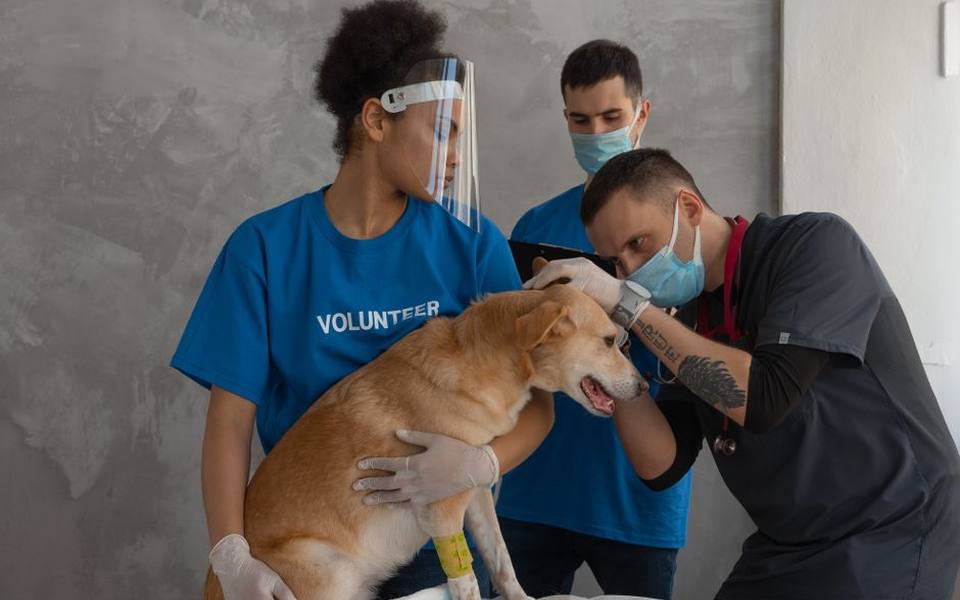
Beyond scooting, dogs suffering from congested glands frequently turn around to lick, bite, or chew at their tail base, flanks, and rectum with sudden urgency. You might notice your pet suddenly jumping up from a relaxed resting position as if stung by an insect, followed by vigorous grooming of the hindquarters. In many households, the initial warning sign is an intense, metallic, or rotting-fish odor that lingers on sofa cushions or bedding long after the pet has moved away.
Physical changes around the anus also accompany progressive buildup. If you gently lift your dog's tail, the skin surrounding the opening should appear flat, uniform, and pale pink or light brown. Swollen or inflamed reservoirs push outward, creating distinct bulges beneath the skin that make the opening look distorted or bruised. If the area seems noticeably hot to the touch, tender, or raised, the internal fluid has likely thickened beyond what the dog can clear unassisted.
The Progression from Full Sacs to Infection and Abscess
Glandular issues typically advance along a predictable spectrum that begins with simple fullness, moves into impaction, and can culminate in an abscess if left unaddressed. During simple fullness, the fluid remains liquid and flows relatively easily through the narrow exit duct once light physical pressure is applied. However, when stagnation continues over several weeks, the retained liquid dehydrates into a gritty, paste-like sediment that clogs the duct opening entirely.
Once a duct is fully occluded, bacteria naturally present in the surrounding rectal canal migrate into the trapped organic material, multiplying rapidly inside the dark, warm cavity. The dog's immune system responds by flooding the capsule with white blood cells, creating an inflammatory abscess. At this stage, the external swelling turns deep red or purple, feels exceedingly firm, and causes intense pain that makes sitting down or posturing to defecate agonizing for the pet.
Without veterinary intervention to lance or flush an infected sac, the increasing pressure will inevitably cause the thin outer wall to rupture. An open rupture manifests as a bleeding, draining wound next to the anus that discharges a mixture of pus and bloody exudate. While a rupture temporarily relieves the excruciating pressure, it leaves a significant open tissue deficit that requires professional medical disinfection, systemic antibiotic therapy, and rigorous hygiene management to heal cleanly.
Unique Considerations for Puppies and Young Dogs
Many pet parents are surprised to learn that young puppies can also experience irritated glands, although chronic impactions are far more common in middle-aged and older canines. In very young animals, immature immune systems and rapid digestive adjustments frequently cause bouts of loose stools or mild diarrhea. Because soft waste cannot exert sufficient pressure against the pelvic canal, a puppy's anal sacs may stay full and become mildly irritated over several consecutive days.
Puppy anatomy is also considerably more delicate than that of an adult dog. The micro-ducts that carry glandular fluid are tiny and easily inflamed by minor bouts of constipation or vigorous tail-chasing. When owners notice a puppy sliding across the living room rug, immediate internal manipulation is rarely advisable. Young tissues bruise easily, and introducing unnatural manual pressure can cause permanent micro-tearing or scarring of the sphincter muscles before the animal has finished growing.
In most young dogs, resolving the underlying digestive inconsistency through age-appropriate nutrition and hydration allows the sacs to empty naturally on their own. If a puppy continues to display discomfort after stools have firmed up, having a professional evaluate the pelvic floor during a standard developmental wellness check is safer than attempting at-home emptying. Monitoring early stool quality helps ensure healthy muscular development and functional natural evacuation throughout adult life.
Comparing Canine Glands with Feline Anal Sacs
While canine anal sac issues are a routine topic in grooming salons and clinics, cats possess an identical anatomical configuration that often escapes an owner's attention. Feline anal sacs sit in the same bilateral positions alongside the rectal opening and serve the same scent-marking purpose. However, cats tend to mask discomfort much more quietly than dogs, rarely exhibiting obvious scooting behaviors across living room carpets or making noticeable fuss over their rear quarters.
Instead of scooting, an affected cat typically shows distress through excessive, obsessive grooming of the lower belly, perineum, or inner thighs, sometimes licking the fur completely down to bare skin. Feline stools are naturally smaller, drier, and denser than canine waste, which normally ensures regular passive emptying. When a cat develops chronic constipation, dehydration, or inflammatory bowel conditions, the secretions dry out into thick plugs that seal the ducts shut.
Expressing feline anal sacs requires extreme delicacy because a cat's glandular walls and rectal tissue are paper-thin compared to those of dogs. Groomers rarely attempt feline expression, preferring to leave the procedure to veterinary technicians equipped with proper restraint techniques and diagnostic lights. Forcing dense secretions through a cat's microscopic duct with heavy external pressure carries a high risk of rupturing the sac internally, which leads to severe pelvic infections.
The Difference Between External and Internal Expression
Manual expression involves physically squeezing the glandular chambers to eject retained secretions, and it is performed using either an external or an internal technique. External expression is the method most often used by commercial groomers and brave pet owners at home. It involves placing a paper towel over the anus and using the thumb and forefinger on the outside of the skin to push inward and upward, squeezing both sacs simultaneously toward the central opening.
While external expression avoids entering the rectal cavity, it has serious functional limitations. It relies on blind compression through skin and subcutaneous fat, which often squeezes the middle of the sac rather than the base. If the secretions are thick or the duct is partially clogged, external squeezing can push fluid backward or bruise the surrounding soft tissue without actually clearing the contents. This frequently causes inflammation that makes the duct swell shut even tighter.
In contrast, medical professionals perform internal expression using a lubricated, gloved index finger inserted gently into the rectum while the thumb rests on the outside. This allows the practitioner to palpate each sac individually between the two digits, feeling its exact size, density, and duct location. By supporting the base and applying controlled, gentle pressure directly toward the exit duct, internal manipulation empties the pouch completely while minimizing stress on adjacent muscle fibers.
Hygiene Solutions and Managing Lingering Odors
The secretion expelled from a dog's butt gland contains volatile fatty acids and sulfur compounds that produce one of the most tenacious, lingering smells in the animal world. If an accidental release occurs on carpet, upholstery, or your dog's tail feathers, ordinary soap and warm water often fail to break down the oily carrier fluids. Instead, enzymatic cleaning solutions specifically formulated to degrade organic proteins and animal lipids are essential for neutralizing the scent at a chemical level.
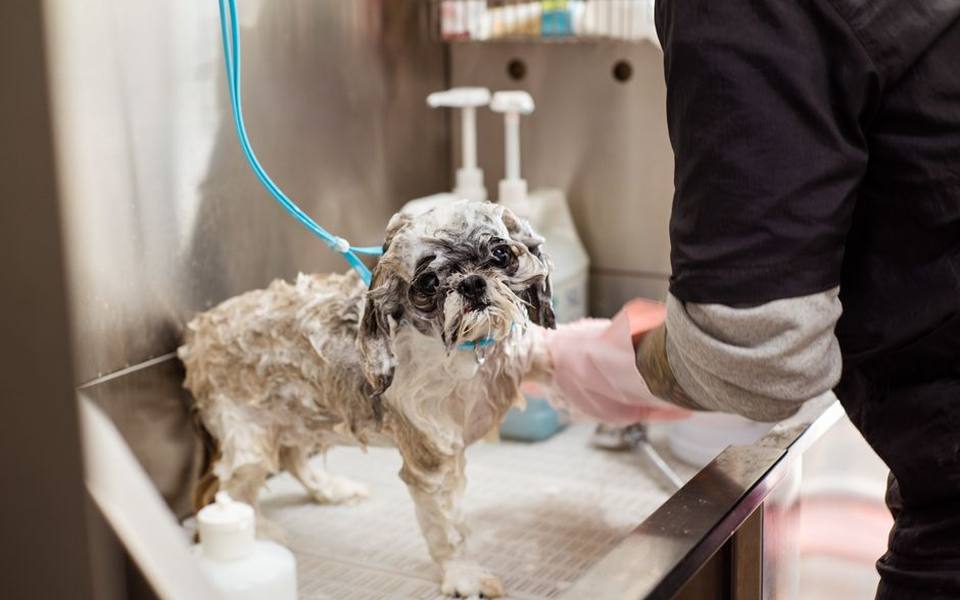
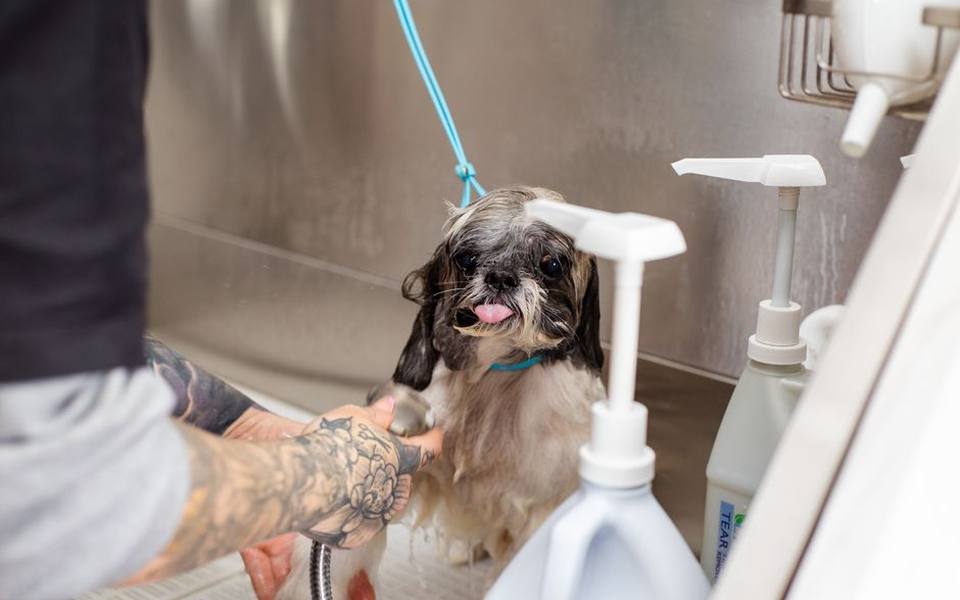
When an expression is completed or an accidental discharge happens during play, bathing the hindquarters immediately prevents the oily residue from drying into the coat. Utilizing dedicated Self-Serve Dog Wash Stations is an effective strategy for tackling this task, as high-pressure wash wands and professional-grade deodorizing shampoos wash away pungent oils without leaving odors inside your family bathroom. Deep rinsing and drying help ensure that skin folds do not stay damp, which could invite secondary yeast infections.
For owners who manage dogs with recurrent leakage, keeping grooming wipes enriched with chlorhexidine or gentle plant enzymes near the doorway provides a fast hygiene barrier after outdoor walks. Regularly inspecting the hair around the tail base and keeping it trimmed short prevents secretions from matting into the fur. Maintaining clean, dry rear anatomy dramatically reduces the incidence of topical bacterial dermatitis caused by chronic licking and residual fluid contact.
Dietary Fiber and Stool Quality as Preventative Care
The most sustainable, long-term solution for recurrent gland issues is modifying the animal's daily diet to produce bulkier, firmer stools. When a dog passes a solid, well-formed stool, the pelvic muscles contract naturally around the feces, creating lateral mechanical pressure that empties the sacs cleanly during every bathroom break. Diets low in fiber or high in moisture sometimes produce stools that are too narrow or soft to trigger that natural physical compression.
Incorporating targeted dietary fiber into daily meals is widely recommended by canine nutrition specialists. Adding modest amounts of plain canned pumpkin, ground psyllium husk, or commercial beet pulp increases fecal bulk and pulls moisture into the stool core while maintaining structural firmness. When adjusting fiber intake, it is critical to introduce supplements gradually over two to three weeks to avoid intestinal gas, cramping, or sudden digestive upset.
Adequate daily hydration plays an equally critical role in preserving proper fluid consistency inside the glands themselves. Chronic sub-clinical dehydration draws water out of glandular secretions, turning lubricating oils into dense, waxy plugs that resist natural expression. Ensuring constant access to fresh water, adding warm water to dry kibble, and encouraging active exercise all help maintain steady metabolic flow and promote predictable, healthy bowel habits.
When to Skip Home Remedies and Seek Veterinary Care
While minor fullness can sometimes be addressed with diet or routine grooming assistance, certain clinical symptoms demand immediate, professional veterinary evaluation. If you observe open sores, bleeding, foul pus, or pronounced unilateral swelling next to the rectum, home expression attempts must be avoided entirely. Squeezing an infected, abscessed, or structurally weakened gland causes severe agony and can force active bacterial colonies deeper into surrounding pelvic tissues.
Professional clinics possess the specialized tools required to flush impacted sacs with sterile saline and infuse therapeutic antibiotic ointments directly into the duct opening. When you schedule an appointment at Walk-In Dog Washes or full-service veterinary hospitals, technicians can assess whether systemic oral antibiotics, anti-inflammatory medications, or pain management protocols are necessary to bring the acute episode under control safely.
In severe, intractable cases where a dog suffers from continuous infections, irreversible duct scarring, or chronic glandular disease, surgical removal known as an anal sacculectomy may be considered. Although sacculectomy is an intricate procedure due to the delicate network of nerves governing fecal continence nearby, experienced veterinary surgeons achieve high success rates. Freeing a chronically suffering dog from recurring abscesses dramatically restores daily comfort and overall quality of life.
Integrating Rear Hygiene into Full Grooming Routines
Maintaining your dog's overall physical wellness works best when rear hygiene is integrated into a complete, predictable grooming routine. Rather than treating gland maintenance as an isolated medical emergency, conscientious pet owners monitor the entire body during standard bathing sessions. Checking the perineal area for redness, foul odors, or localized heat takes only a few seconds while shampooing and rinsing your pet's hindquarters.
A comprehensive approach also includes routine foot care, as overgrown claws alter how a dog positions its pelvis and hind legs during defecation. When nails are excessively long, dogs may shift their weight forward, resulting in altered posture that diminishes natural pelvic floor contraction during elimination. Pairing a regular bath at local Self-Service Dog Wash Stations Near You with professional Dog Nail Trimming and Grinding Services ensures your companion maintains balanced structural alignment from paws to tail.
Over-handling healthy glands can do more harm than good, so establishing a routine that prioritizes observation over aggressive manual intervention is key. If your dog exhibits no symptoms, passes firm waste, and shows zero interest in scooting, the sacs do not need to be squeezed. Respecting the natural physiology of the canine body while staying vigilant for early behavioral cues keeps your pet comfortable, clean, and free from unnecessary discomfort.
Published 2026-09-21 · reviewed with each rebuild, last September 2026.
Find self-serve dog washes near you
The directory lists 2,264 self-serve dog washes by state and city — pick your state or use the “Near me” button in the header.
More guides
-
 Money
MoneyUnderstanding the Costs of Grooming and Washing Your Dog
-
 Service
Canine Scent Gland Care: Symptoms, DIY Steps, and Professional Costs
-
 Money
MoneyDog Grooming Cost Breakdown: Salons, Mobile Vans, and Retail Chains
-
 Service
Dog Anal Gland Expression: How It Works, When It Is Needed, and Typical Costs
-
 Owning
Essential Dog Grooming Tools: Choosing Clippers, Shears, and Maintaining Blades
-
 Money
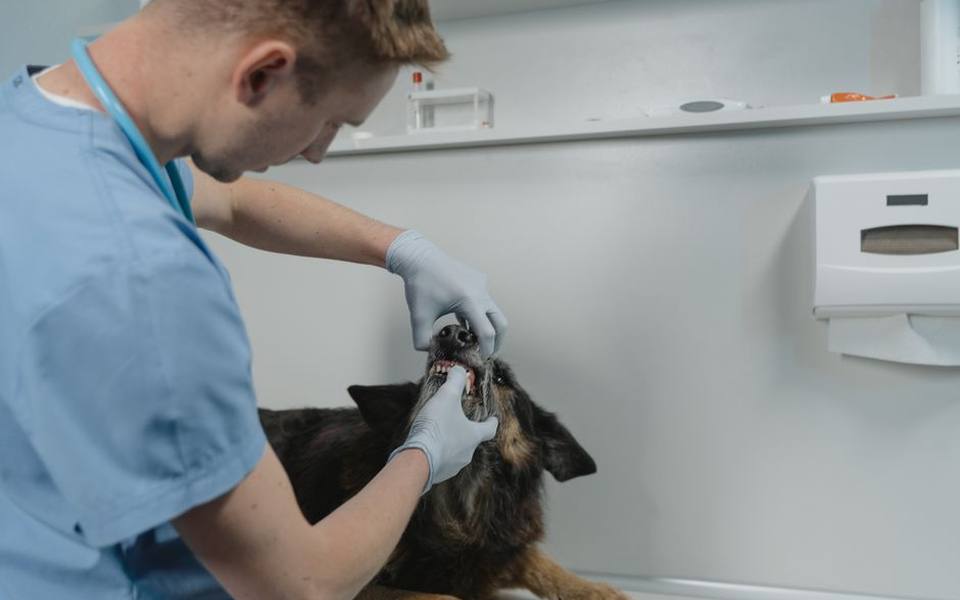
MoneyDog Teeth Cleaning Costs: Vet Anesthesia vs. Non-Anesthetic Options
-
 Service
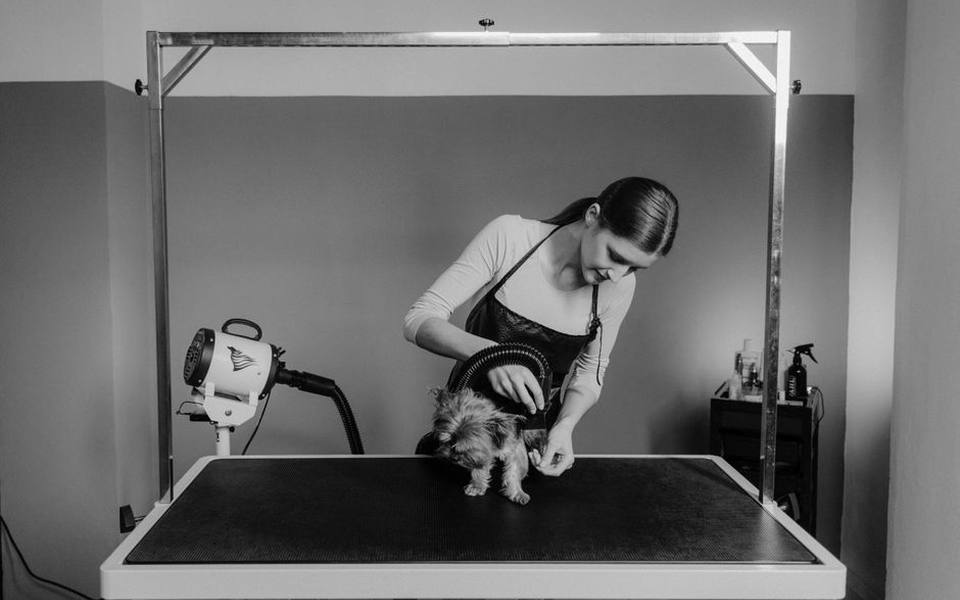
How to Choose the Best Local Dog Groomer: What to Look For
-
 Service
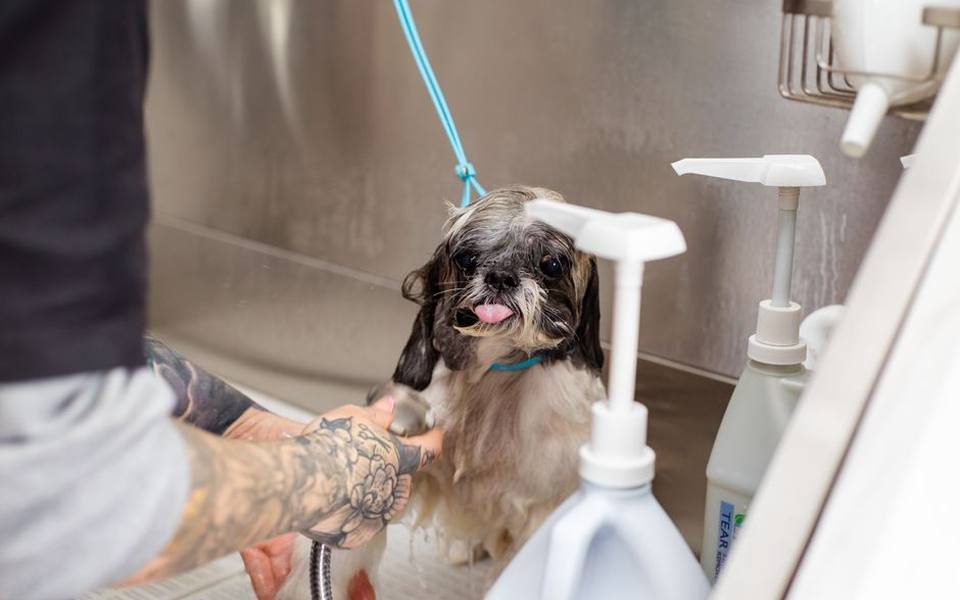
Self-Service Dog Wash Guide: Locations, Pricing, and How It Works
-
 Owning
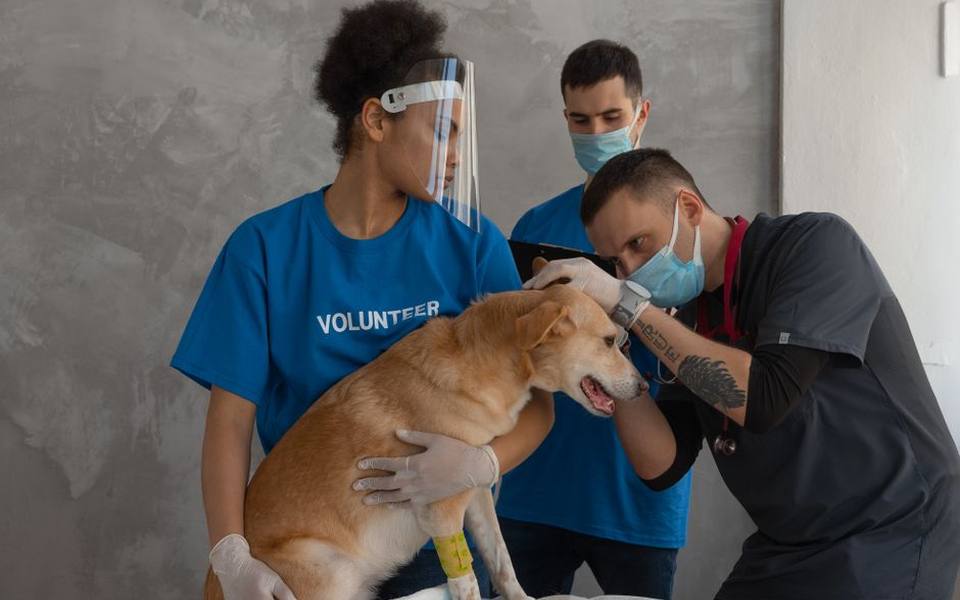
Complete Dog Anal Gland Care: How to Express, Symptoms, and Safe Techniques
-
 Service
Professional Dog Grooming and Self-Wash Stations: Comparing Costs, Services, and Formats
-
 Owning
Dog Nail Trimming and Grinding Guide: Clippers, Rotary Tools, and Safe At-Home Care
-
 Service
Popular Dog Haircut Styles: Breed Cuts, Teddy Bear Trims, and Styling Rules
-
 Owning
Managing Dog Itchy Skin and Fleas: Medicated Baths, Shampoos, and Remedies
-
 Service
Complete Cat Grooming Guide: Bathing, Haircuts, Nail Trimming, and Mobile Care
-
 Owning
Dog Ear Cleaning and Flushing Solutions: Preventing Wax Build-Up and Infections
-
 Owning
Dog Blow Drying, Coat Coloring, and Waterless Grooming Essentials
-
 Owning
Essential Grooming Tools: Brushes, De-Matting, Odor Neutralizers, and Paw Care
-
 Owning
Canine Dental Hygiene Guide: Toothbrushes, Powders, and Tartar Control
-
 Owning
Complete Guide to Dog Training: Methods, Equipment, Classes, and Costs
-
 Owning
Ultimate Guide to Dog Haircut Styles by Breed: Puppy Cuts, Teddy Bear, and Lion Clips
-
 Owning
How to Treat Dog Itchy Skin and Allergies: Medications, Shampoos, and Home Remedies
-
 Safety
How to Trim Dog Nails Safely: Clippers vs Grinders and Techniques
-
 Service
Professional Dog Grooming Services: Costs, Salons, and At-Home Options
-
 Owning
Dog Dental Care Guide: Toothbrushes, Powders, and At-Home Cleaning
-
 Safety
Dog Ear Cleaning Solutions, Wax Buildup, and Infection Care Guide
-
 Owning
Choosing the Right Dog Shampoo for Dry Skin, Dandruff, Fleas, and Ticks
-
 Owning
Self-Serve Dog Wash Stations and Home Bathing Setup Guide
-
 Buying
Essential Professional Grooming Tools, Clippers, and Blade Care
-
 Owning
Dog Nail Trimming, Grinding, Polish, and Safe Hair Dye: A Practical Guide
-
 Service
Dog Haircuts and Breed Styling Guide: Popular Cuts, Trims, and Coat Care
-
 Service
Cat Grooming and Styling: Lion Cuts, Bathing, and Coat Care
-
 Owning
Dog Ear Care and Skunk Odor Removal: Cleaning, Wax, and Emergency Deodorizing
-
 Safety
Dog Flea Baths and Medicated Shampoos: OTC and Prescription Remedies
-
 Owning
Complete Guide to Raw Dog Food Nutrition and Diets
-
 Owning
Dog Birthday Cakes, Safe Treats, and Celebration Guide
-
 Service
Hiring a Dog Walker: Services, Rates, and Agency Options
-
 Service
Dog Breed Haircuts, Styling, and Coat Maintenance Guide