The General Baseline for Dog Grooming Costs
Professional dog grooming across the United States typically ranges from $40 to $150 or more for a standard session, depending primarily on the size of the dog, coat condition, and the type of service provider you select. A routine bath, ear cleaning, and nail trim for a small, short-coated breed often sits near the lower boundary of that spectrum. In contrast, full styling, hand scissoring, and comprehensive deshedding for large or double-coated dogs routinely push invoices into the $80 to $160 bracket at brick-and-mortar facilities.
Grooming prices reflect both labor time and physical overhead. Unlike human haircutters who work on sitting clients for thirty minutes, a pet groomer spends anywhere from one to three hours bathing, drying, brush-stripping, and clipping an animal that may move unpredictably. The equipment required to handle varying dog temperaments safely—including hydraulic tables, commercial high-velocity dryers, specialized sanitizers, and heavy-duty clippers—represents substantial operational expense that directly shapes local retail rates.
Where you take your dog creates the first major price fork. Commercial retail chains generally publish uniform base tables with rigid weight categories, local independent salons price services according to customized styling and neighborhood rent, and mobile grooming vans charge premium rates to bring an entire self-contained workstation right to your driveway. Understanding how each tier structures its fees helps you avoid surprise bills at pickup.
What to Expect at National Retail Pet Store Chains
Corporate retail chains like PetSmart and Petco operate high-volume grooming salons that rely on standardized, weight-based service tiers. For a basic bath and brush package on a small dog under twenty pounds, base prices typically start around $30 to $45, while a full haircut package for the same size dog generally begins between $55 and $65. As the pet's weight moves into medium, large, and giant brackets, those starting figures step up progressively, often reaching $90 or more for basic styling on eighty-pound animals.
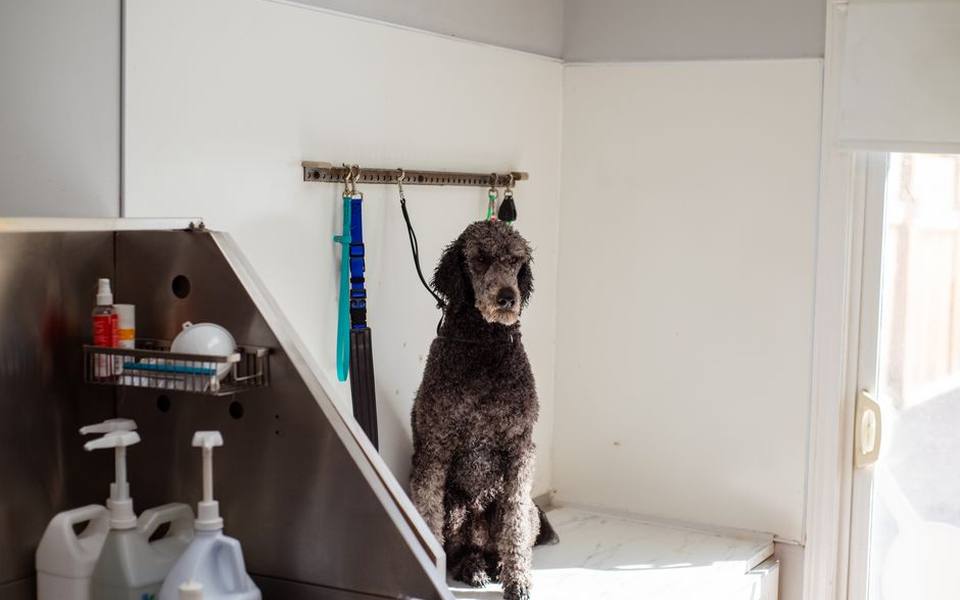
These retail chains separate their offerings into distinct packages: a standard bath service and a full grooming service. The bath package usually covers specialty shampoo, blow-dry, ear cleaning, paw pad trimming, and nail clipping. The full groom adds sanitary trimming and all-over coat clipping or breed-specific styling. However, corporate salons often rely heavily on a la carte add-ons at check-in, where services like blueberry facials, teeth brushing, deshedding treatments, and upgraded conditioner can quickly add $15 to $40 to the base quote.
One advantage of the large corporate chain model is consistency in policy and relatively transparent starting prices posted on service boards or mobile apps. Because these stores employ corporate safety standards, they usually require up-to-date rabies, distemper, and bordetella vaccinations before any dog enters the bathing area. The trade-off is often an environment with higher ambient noise, multiple dogs crated in drying banks, and groomers working on strict production quotas.
Independent Neighborhood Salons and Boutique Shops
Privately owned grooming shops and local pet spas typically set rates based on hands-on evaluation rather than rigid weight charts alone. Base prices at an independent salon generally run between $50 and $130, frequently tracking closer to local real estate costs and the groomer's personal expertise. A solo operator with twenty years of breed-standard show experience may charge significantly more than a multi-table neighborhood salon that focuses on family pets needing low-maintenance summer clips.
Independent groomers often bundle services that chains sell as extra add-ons. Many private shops include ear plucking, gland expression, and nail filing within their standard quote rather than charging five or ten dollars for each individual line item. In addition, boutique salons often provide a calmer atmosphere with fewer dogs present at once, which reduces overall stress for nervous pets and allows the groomer to spend dedicated, uninterrupted time on detail work.
The pricing variation among independent groomers depends heavily on regional reputation and overhead. In high-demand suburban neighborhoods or downtown districts, a full groom on a medium-sized doodle or poodle mix commonly exceeds $100 to $120 before tips. Most private shop owners require a brief intake consultation during your first visit, during which they physically run their fingers through the dog's coat to check for underlying tangles before confirming the final price.
The Convenience and Premium of Mobile Grooming Vans
Mobile dog grooming brings a customized, climate-controlled van equipped with warm water, professional tubs, and grooming stations directly to your home. Because the groomer comes to you and works on only one dog at a time, mobile grooming carries a significant convenience premium. Total costs for mobile appointments typically range from $90 to $200 or higher per session, representing roughly a thirty to fifty percent markup over traditional stationary salons.
The higher fee structure of mobile grooming reflects vehicle maintenance, commercial generator fuel, route travel time, and limited daily capacity. While a stationary salon groomer might bathe and style six to eight dogs in an eight-hour shift, a mobile operator can usually handle only three to five dogs daily due to driving between residential neighborhoods. Many mobile providers structure their bill with a flat base service charge plus a travel or convenience fee that covers the mileage within their operational service territory.
Despite the higher price point, mobile grooming remains heavily favored by owners of reactive, geriatric, or motion-sick dogs. The pet never spends hours waiting in a wire crate surrounded by barking animals, and the total appointment from driveway arrival to completion typically takes under an hour and a half. For busy households, skipping the drop-off and pickup commute makes the extra $40 to $70 cost a worthwhile tradeoff.
How Size, Weight, and Coat Types Shape the Price
A pet's physical size and coat structure represent the largest technical variables in determining grooming labor. A twenty-minute bath and brush on an eight-pound Chihuahua requires a fraction of the water, shampoo, drying time, and physical lifting demanded by a ninety-pound Newfoundland. Groomers universally break pricing down into size brackets—typically toy, small, medium, large, and giant—with base fees scaling upward alongside each ten-to-twenty-pound increase.
Coat texture introduces even more variation than weight alone. Short, smooth coats like those found on Boxers, Pointers, and Boston Terriers dry quickly and require zero scissor work, keeping them at the lowest tier of the price scale. Conversely, thick double-coated breeds like Huskies, German Shepherds, and Golden Retrievers require intensive high-velocity blowout and undercoat rake treatments to strip dead hair without damaging the protective outer layer, which often adds $25 to $60 in labor charges.
Non-shedding, fast-growing coats found on Poodles, Bichons, and popular designer crosses like Labradoodles and Goldendoodles consistently demand the highest service fees in any salon. Their hair mats easily if not brushed daily down to the skin, and clipping their dense curls dulls scissor blades quickly. Many salons maintain dedicated doodle price tiers that sit $20 to $40 above regular breeds of the same physical weight due to the extra hour of scissor shaping required.
Hidden Surcharges and Common Add-On Fees
Initial estimates provided over the phone or online often reflect ideal conditions, which means unexpected surcharges can appear on your final invoice if complications arise. One of the most frequent extra charges is a dematting fee, typically billed at $1 to $2 per minute or as a flat $15 to $30 surcharge. When coat tangles become tightly felted, safe removal requires delicate, slow clipper work beneath the mats to prevent tearing the animal's delicate skin.
Behavioral handling fees represent another common addition to the grooming bill. If a dog bites, flails, or requires a second staff member to assist with stabilization during nail clipping or drying, salons routinely apply a special handling charge ranging from $10 to $30. Groomers take on physical injury risk with uncooperative animals, and severe resistance slows down their entire appointment calendar for the afternoon.
Environmental and sanitation fees also factor into surprise costs. If a groomer discovers live fleas or ticks on your pet during the bath, almost every salon will immediately administer an unrequested medicated flea bath and charge between $15 and $25. Salons enforce this strictly because stray parasites threaten other boarding or grooming animals and require immediate commercial fogging or deep cleaning of the wash bays.
Regional Cost Disparities Across the United States
Where you live plays an enormous role in what local pet groomers charge. Salons operate under the same economic pressures as any other local business, meaning commercial lease rates, payroll taxes, utilities, and municipal licensing dictate their bottom line. A basic bath and haircut that costs $60 in a rural Midwestern community can easily run $110 to $140 for the identical breed in dense metropolitan centers.
High cost-of-living states regularly show higher average baseline estimates. For instance, booking a full-service styling session near major coastal cities across California dog wash locations or in northern urban centers typically demands twenty to forty percent higher fees than scheduling an appointment across broad southern markets like Texas wash bays. Suburban communities usually fall somewhere in the middle, balancing healthy local competition with moderate overhead costs.
Availability of trained groomers also shifts pricing dynamics locally. In regions facing a shortage of skilled pet stylists, waitlists often stretch four to six weeks out, empowering established shops to raise their base rates. Conversely, areas saturated with independent groomers, veterinary styling clinics, and corporate superstores tend to keep baseline pricing competitive to retain steady four-to-six-week repeat clientele.
Tipping Etiquette and Maintenance Scheduling
Tipping is standard practice in the American pet grooming industry, reflecting the physically demanding, hands-on personal service provided. Owners typically tip between 15% and 20% of the total service bill for satisfactory work, directly matching tipping customs in human hair salons. For a $75 salon appointment, a tip of $12 to $15 is customary and usually goes directly to the individual bather or stylist who managed your dog.
Certain situations warrant tipping toward the higher end of that range. If your dog arrived with challenging mats, showed extreme anxiety that required patient handling, or had an unexpected bathroom accident on the table that required a second bath, offering a 20% to 25% gratuity acknowledges that extra labor. In mobile grooming, where the technician operates as an independent driver, bather, and stylist in one, tipping 15% to 20% remains customary unless the owner explicitly states that gratuities are factored into their flat service fee.
Managing annual grooming expenses comes down to maintaining a realistic maintenance schedule. Dogs with continually growing hair require professional attention every four to eight weeks to stay sanitary and mat-free. Stretching appointments past eight weeks often feels like a way to save money, but it frequently backfires: the resulting coat pelt requires extensive dematting fees or forced shaving, ultimately costing more than regular upkeep visits.
Self-Serve Stations as a Budget-Friendly Alternative
For pet owners looking to reduce grooming expenses without dealing with back pain or a fur-coated bathroom at home, specialized DIY facilities offer an economical middle ground. Visiting local self-serve dog wash stations generally costs between $15 and $25 for a full wash cycle. These stations provide waist-high stainless steel tubs, commercial aprons, temperature-controlled water, high-grade shampoo dispensers, and industrial forced-air blow dryers.
Using public wash bays eliminates the expensive labor charge while keeping the practical advantages of professional equipment. High-velocity blow dryers available in self-wash facilities push trapped moisture and shed coat away from the skin far more effectively than standard human hair dryers, preventing skin irritation and bad odors. Many busy dog owners also utilize walk-in dog wash facilities or automated 24-hour dog wash options for quick cleanup after trail hikes, saving professional salon visits strictly for precision haircuts.
A hybrid approach works well for many households: take your dog to a professional stylist every ten to twelve weeks for structural clipping, sanitary trimming, and nail care, while using a self-serve tub every three weeks for interim baths and brush-outs. This split approach cuts your annual grooming budget roughly in half while keeping the dog clean, odor-free, and comfortably free of mats.
How to Get an Accurate Quote Before Booking
Because pet grooming is highly customized, asking over the phone how much it costs will almost always yield a generic starting range. To obtain a realistic quote before you drive over, provide the receptionist with specific information: your dog's exact breed, approximate weight, age, temperament around strangers, and the current state of their coat. Mentioning that your pet has not been brushed in six weeks helps them anticipate whether dematting or shaving will be necessary.
Ask the facility directly what is included in their base service package. Some shops advertise an attractive $50 bath rate but treat nail grinding, ear cleaning, and gland expression as separate ten-dollar add-ons. Asking whether nails are merely clipped with manual shears or smoothly finished with an electric rotary tool helps you compare actual value rather than just headline prices.
Finally, request a quick five-minute hands-on intake when you drop your dog off in person. Ask the groomer to examine the coat while you are standing there, confirm any potential handling or matting surcharges, and agree on a maximum spending ceiling. Establishing clear communication at the reception counter ensures that neither you nor the grooming staff face awkward billing surprises when pickup time arrives.
Published 2026-09-20 · reviewed with each rebuild, last September 2026.
Find self-serve dog washes near you
The directory lists 2,264 self-serve dog washes by state and city — pick your state or use the “Near me” button in the header.
More guides
-
 Money
MoneyUnderstanding the Costs of Grooming and Washing Your Dog
-
 Service
Canine Scent Gland Care: Symptoms, DIY Steps, and Professional Costs
-
 Service
Dog Anal Gland Expression: How It Works, When It Is Needed, and Typical Costs
-
 Owning
Essential Dog Grooming Tools: Choosing Clippers, Shears, and Maintaining Blades
-
 Money
MoneyDog Teeth Cleaning Costs: Vet Anesthesia vs. Non-Anesthetic Options
-
 Service
How to Choose the Best Local Dog Groomer: What to Look For
-
 Service
Self-Service Dog Wash Guide: Locations, Pricing, and How It Works
-
 Owning
Complete Dog Anal Gland Care: How to Express, Symptoms, and Safe Techniques
-
 Service
Professional Dog Grooming and Self-Wash Stations: Comparing Costs, Services, and Formats
-
 Owning
Dog Nail Trimming and Grinding Guide: Clippers, Rotary Tools, and Safe At-Home Care
-
 Service
Popular Dog Haircut Styles: Breed Cuts, Teddy Bear Trims, and Styling Rules
-
 Owning
Managing Dog Itchy Skin and Fleas: Medicated Baths, Shampoos, and Remedies
-
 Service
Complete Cat Grooming Guide: Bathing, Haircuts, Nail Trimming, and Mobile Care
-
 Owning
Dog Ear Cleaning and Flushing Solutions: Preventing Wax Build-Up and Infections
-
 Owning
Dog Anal Gland Care: Expression, Swollen Glands, and Hygiene Solutions
-
 Owning
Dog Blow Drying, Coat Coloring, and Waterless Grooming Essentials
-
 Owning
Essential Grooming Tools: Brushes, De-Matting, Odor Neutralizers, and Paw Care
-
 Owning
Canine Dental Hygiene Guide: Toothbrushes, Powders, and Tartar Control
-
 Owning
Complete Guide to Dog Training: Methods, Equipment, Classes, and Costs
-
 Owning
Ultimate Guide to Dog Haircut Styles by Breed: Puppy Cuts, Teddy Bear, and Lion Clips
-
 Owning
How to Treat Dog Itchy Skin and Allergies: Medications, Shampoos, and Home Remedies
-
 Safety
How to Trim Dog Nails Safely: Clippers vs Grinders and Techniques
-
 Service
Professional Dog Grooming Services: Costs, Salons, and At-Home Options
-
 Owning
Dog Dental Care Guide: Toothbrushes, Powders, and At-Home Cleaning
-
 Safety
Dog Ear Cleaning Solutions, Wax Buildup, and Infection Care Guide
-
 Owning
Choosing the Right Dog Shampoo for Dry Skin, Dandruff, Fleas, and Ticks
-
 Owning
Self-Serve Dog Wash Stations and Home Bathing Setup Guide
-
 Buying
Essential Professional Grooming Tools, Clippers, and Blade Care
-
 Owning
Dog Nail Trimming, Grinding, Polish, and Safe Hair Dye: A Practical Guide
-
 Service
Dog Haircuts and Breed Styling Guide: Popular Cuts, Trims, and Coat Care
-
 Service
Cat Grooming and Styling: Lion Cuts, Bathing, and Coat Care
-
 Owning
Dog Ear Care and Skunk Odor Removal: Cleaning, Wax, and Emergency Deodorizing
-
 Safety
Dog Flea Baths and Medicated Shampoos: OTC and Prescription Remedies
-
 Owning
Complete Guide to Raw Dog Food Nutrition and Diets
-
 Owning
Dog Birthday Cakes, Safe Treats, and Celebration Guide
-
 Service
Hiring a Dog Walker: Services, Rates, and Agency Options
-
 Service
Dog Breed Haircuts, Styling, and Coat Maintenance Guide