Understanding What Anal Sacs Actually Do
Dogs possess two small scent reservoirs situated beneath the skin on either side of the anus, roughly positioned at the four o'clock and eight o'clock marks. Under normal circumstances, firm stool puts mechanical pressure against these interior sacs as your pet eliminates, clearing out biological secretions without requiring human assistance. When an owner or groomer clears them manually, they simply exert gentle external pressure to discharge retained secretions that failed to evacuate naturally.
The secretions inside these glands carry an intensely pungent, metallic odor that canines naturally utilize in the wild to establish territory and identify familiar peers. The liquid consistency typically varies from an oily, brownish fluid to a thicker, grayish paste depending on hydration, diet, and individual physiology. While wild canids manage fine on their own, domesticated companions often suffer from sluggish drainage due to soft modern diets, lack of vigorous daily activity, or distinct anatomical variations.
Many dog owners mistakenly assume every canine requires manual emptying on a strict monthly schedule. In reality, dogs with solid digestion and sound physical anatomy frequently complete their entire lives without needing anyone to squeeze or express their glands. Meddling with healthy, supple glands when they are functioning normally can lead to tissue inflammation, micro-tears, and chronic scar tissue that actually causes lifelong drainage issues.
Recognizing When Your Dog Needs Relief
The clearest physical indicator that your pet is dealing with overfilled scent sacs is the unmistakable scooting behavior across carpets, grass, or area rugs. When the sacs become overly tight or slightly irritated, canines experience uncomfortable pressure near their tail base and attempt to alleviate the friction by sliding their rear across rough surfaces. Scooting can occasionally stem from intestinal worms or environmental allergies, but overfilled glands remain the most common cause.

Obsessive licking, nibbling, or sudden biting at the base of the tail and hindquarters serves as another clear warning sign. You may observe your pet spinning suddenly toward their back end as though startled by an insect bite or localized pinch. A telltale fishy, stale odor radiating from the hindquarters—even right after a routine bath—frequently signals that fluid is beginning to seep past the duct openings.
As internal pressure mounts, dogs often display behavioral signs like hesitating before sitting on hard floors, showing reluctance to jump up, or mild straining while passing stool. Lifting the tail gently reveals whether the perineal skin appears slightly swollen, taut, or asymmetrical compared to its usual flat shape. Catching these initial indicators early ensures you can address the fullness safely before it develops into a severe, painful impaction.
External Versus Internal Expression Techniques
Emptying scent sacs generally involves one of two distinct approaches: the external squeeze method or the internal clinical examination. Most pet owners and commercial groomers perform the external technique, which relies on compressing both pouches together from the exterior through the surrounding skin. This method minimizes the chances of scratching sensitive rectal linings, though it offers less mechanical precision if the secretions have thickened into a heavy paste.
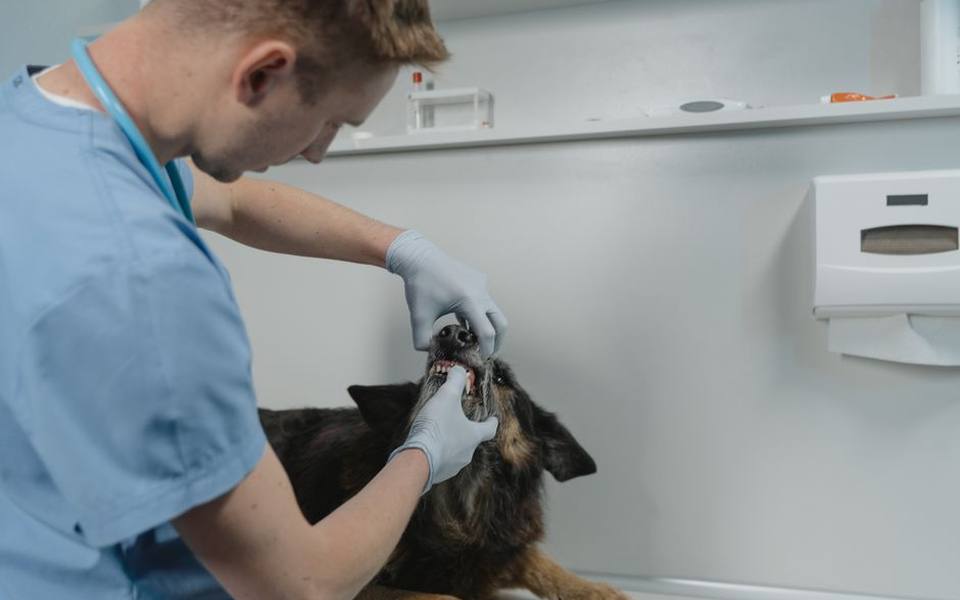
The internal method requires placing a gloved, lubricated index finger just inside the dog's anal opening while the thumb braces against the exterior skin. Professional veterinary staff typically prefer this method because it isolates each sac individually, assesses the thickness of the gland walls, and dislodges deep-seated plugs. Because internal manipulation carries slight risks of rectal tears or intense pain if performed improperly, novices should leave internal clearing to trained veterinary staff.
Opting for the external procedure at home makes sense for routine, mild fullness where your pet simply needs minor relief from occasional scooting. However, if the gland feels firm, hard, or tender to the touch, exterior pressure might simply compress trapped fluid against inflamed tissue rather than clearing the duct. Knowing the clear mechanical boundary between these two approaches keeps your pet safe and prevents accidental trauma to delicate rear-end tissues.
Gathering the Right Supplies Before You Begin
Proper preparation before you start is essential, largely because the expelled fluid produces one of the most stubborn and pungent smells encountered in pet care. You will need a pair of disposable nitrile or latex gloves, plenty of paper towels or thick moist wipes, and an enzymatic grooming spray. Enlisting an assistant to hold your dog securely around the neck and torso prevents abrupt movements, keeping the whole process safe and calm.
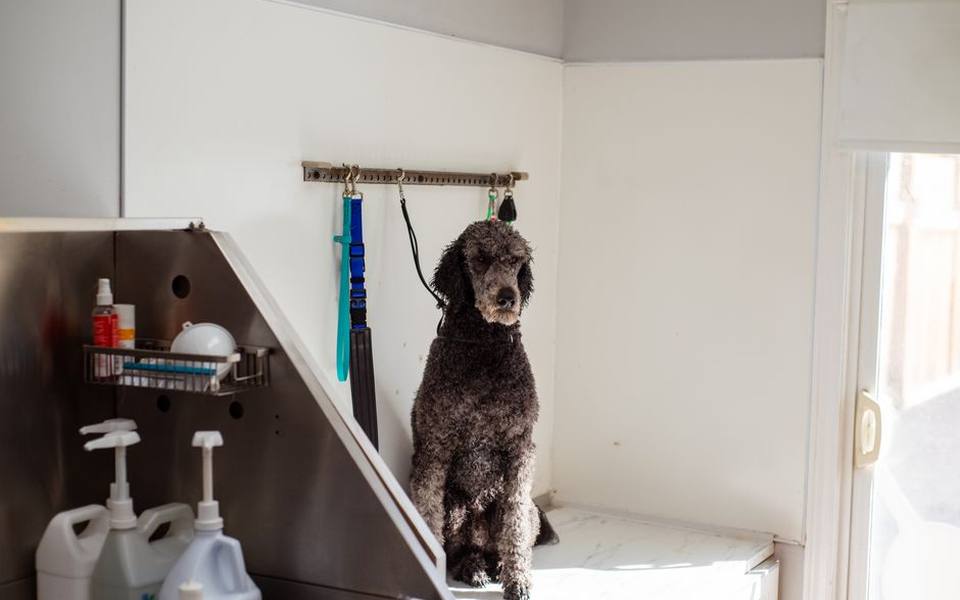
Choosing the right environment is just as vital as gathering clean tools, and working over carpets or upholstery is a recipe for lasting household odors. Many owners find success using an elevated porcelain tub at home or utilizing dedicated self-serve dog wash stations that offer waist-high tubs with commercial sprayers. Working in an elevated wash station protects your back, keeps your pet restrained safely, and permits immediate warm-water washing after the glands release.
Keep your face turned slightly away from the direct line of the perineum throughout the procedure, as fluid can occasionally discharge rapidly under pressure. Holding a damp paper towel loosely draped over the anal opening shields your clothes while catching every drop of expelled matter. For owners dealing with unexpected evening scooting, finding nearby 24-hour dog washes provides a bright, fully stocked facility to handle messy cleanup without contaminating household bathrooms.
Step-by-Step External Expression Method
Have your helper gently support your dog in a stable standing posture, placing a gentle forearm beneath the belly so the pet cannot suddenly drop into a sit. Put on your gloves and raise the tail gently upward toward the spine, which flattens the perineal area and moves the glands closer to your fingertips. Picture a clock face centered on the anus; the two sacs rest underneath the skin roughly at the four o'clock and eight o'clock positions.
Position a folded paper towel or clean washcloth loosely over the anal opening with one hand to shield against unexpected spray. With your dominant hand, position your thumb and index finger on the outer edges of the sacs, slightly below the horizontal midline of the anus. You should feel small, marble-like or grape-shaped oval pockets beneath the skin that feel somewhat spongy or firm depending on how full they are.
Apply gentle, consistent inward pressure while simultaneously rolling your fingers slightly upward toward the opening of the ducts. Avoid pinching the skin tightly with your fingernails; use the soft pads of your fingertips in a smooth, rhythmic motion toward the center. When the ducts open, you will feel the small pockets soften as dark, pungent fluid or paste expresses cleanly into your paper towel.
Finish by carefully inspecting the collected fluid on the towel for any unusual signs like bright red blood or pale yellowish pus. If the material looks like normal brownish fluid or dark paste, dispose of the paper towel inside a sealed plastic bag immediately. Gently wipe the surrounding fur with a fresh wet cloth before proceeding directly to a warm bath to eliminate residual oils.
Why Bathing Immediately After Is Essential
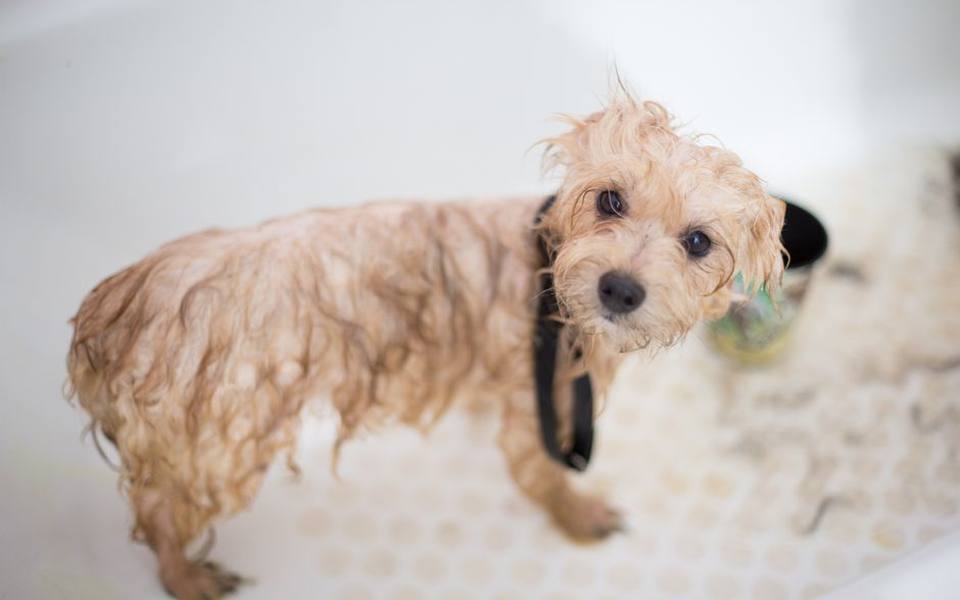
Once you have cleared the sacs, washing the entire perineal zone immediately is critical to eliminate lingering odors and oily residues. The discharged fluid contains persistent biological compounds and volatile fatty acids engineered to adhere tenaciously to skin and fur. Simply dabbing the area with dry paper towels leaves an invisible oily film that prompts the dog to lick incessantly, causing skin scald and rubbing the odor over furniture.
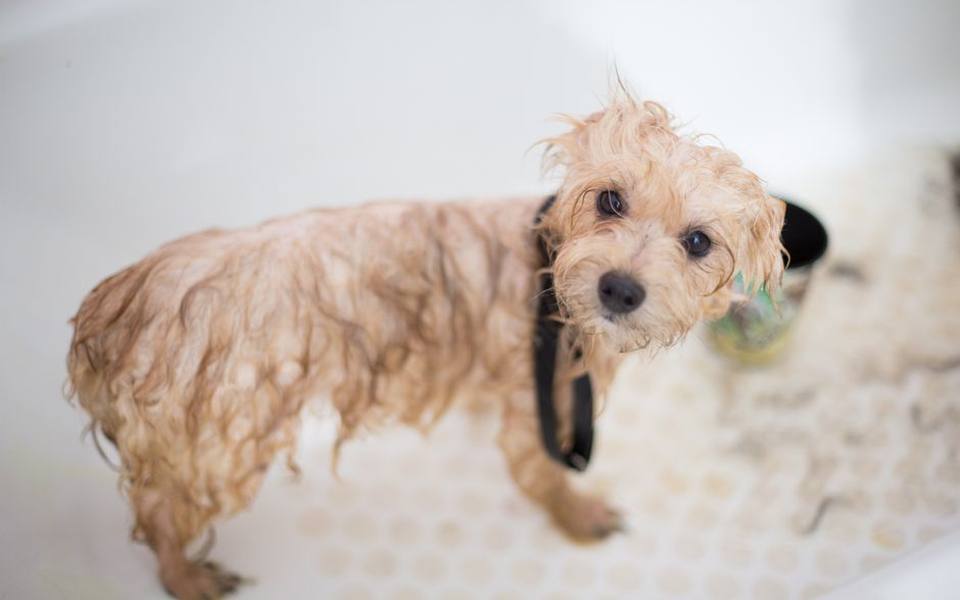
Work warm water and a dedicated deodorizing dog shampoo into the fur beneath the tail, covering the inner thighs and rear sanitary margins thoroughly. Commercial-grade cleaning formulas help dissolve stubborn animal lipids far faster than regular dish soaps or human shampoos, which can alter canine skin pH. Many owners prefer visiting well-equipped walk-in dog washes where powerful sprayers and specialized wash cycles rinse off persistent biological residues in minutes.
Rinse the rear coat thoroughly with lukewarm water until the runoff is completely clear and free of suds or oily residue. Dry your pet thoroughly using clean towels or a warm, low-velocity dryer, checking the skin around the ducts to confirm that no fluid is continuously leaking. A thorough post-expression wash leaves your dog comfortable, resets rear hygiene, and keeps your living space smelling completely fresh.
Common Mistakes That Can Cause Injury
One of the most frequent missteps among pet owners is emptying these delicate glands on an arbitrary schedule when the dog has no actual symptoms. Squeezing completely empty or minimally filled sacs creates friction against mucosal linings, producing micro-inflammation and unnecessary soreness. Over time, frequent unnecessary squeezing degrades the muscular tone that naturally pushes fluid out during defecation, turning a self-regulating dog into one dependent on human manual clearing.
Another serious hazard is applying escalating physical pressure when a gland refuses to release during the first few gentle tries. When a duct is blocked by dehydrated, hardened secretions, squeezing hard from the exterior simply drives trapped material backward against fragile glandular walls. In severe scenarios, heavy-handed squeezing can rupture the gland internally under the skin, resulting in an agonizing tissue abscess that demands surgical intervention and heavy antibiotic therapy.
Owners also frequently misread generalized skin itching or tail irritation as overfilled anal sacs, treating the wrong issue entirely. Flea allergy dermatitis, food sensitivities, tapeworm infestations, and urinary tract problems can all cause a pet to lick their rear or scoot across the floor. Squeezing normal glands when your pet is actually suffering from flea bites or food allergies simply adds localized soreness to an already uncomfortable animal.
Diet and Exercise for Natural Prevention
Preventing chronic scent sac trouble starts internally with balanced nutrition that consistently yields firm, well-structured bowel movements. As a dog passes a solid stool, it exerts natural outward pressure on the anal ring, clearing out a small measure of glandular fluid with each elimination. Diets that produce chronically loose, soft, or poorly formed stools fail to provide this vital mechanical compression, allowing old secretions to accumulate and thicken.
Adding safe sources of natural dietary fiber can dramatically improve stool consistency, bulk, and firm formation. Simple pantry additions like pure canned pumpkin, ground flaxseed, or psyllium husk supplements help regulate stool moisture and increase fecal volume safely. Always introduce added fiber slowly over several days to avoid gas or digestive upset, and make sure your pet has continuous access to clean water to support proper digestion.
Daily physical exercise plays an equally important role in preserving normal bowel motility and pelvic muscle tone. Regular outdoor walks stimulate healthy intestinal contractions and encourage dogs to assume natural squatting postures that naturally engage the perineal floor. Whether you take brisk morning strolls in Ohio or explore sunny dog parks across Texas, active canines typically maintain far better natural gland function than sedentary indoor pets.
When to Step Back and Call the Vet
While routine external expression is safe for many dogs, certain clinical warning signs require an immediate veterinary appointment. If you notice prominent localized swelling, bright red or purplish skin discoloration, or extreme warmth around the anal opening, stop immediately and apply no pressure. These indicators point to acute infection, severe gland impaction, or a developing abscess that requires sterile clinical care.
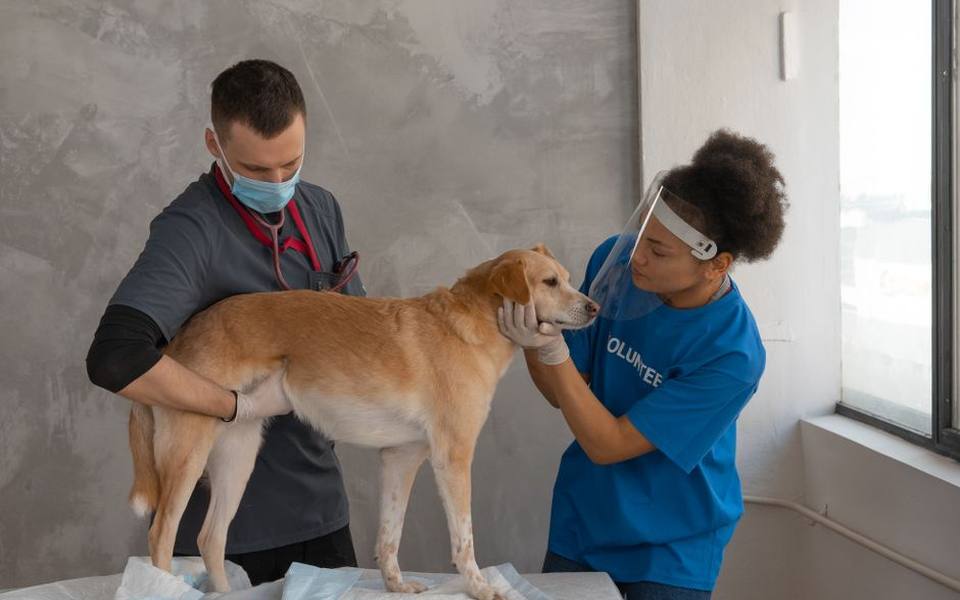
Any secretions that display bright red blood streaks, yellowish-green pus, or granular black sediment signal advanced disease rather than simple fullness. A dog that whimpers, snaps defensively, or trembles when you approach their tail is dealing with sharp pain that needs prescription pain relief and gentle veterinary handling. Squeezing an infected, abscessed sac at home frequently leads to skin ruptures that drain outward, causing immense distress.
If you have made two gentle attempts to express the glands without any discharge, let a veterinary technician handle the situation. Clinical teams can perform a comprehensive internal examination, flush blocked ducts with sterile antibacterial wash, and prescribe targeted oral medications if necessary. Relying on professional medical care when glands become stubbornly clogged prevents lasting scar tissue and keeps your companion comfortable.
Establishing a Reasonable Maintenance Routine
Creating an effective care plan requires observing your individual pet's symptoms rather than relying on a rigid, predetermined calendar interval. Many canines live their entire lives without needing human intervention because their diet and anatomy clear the sacs seamlessly every single day. For dogs that require intermittent assistance, the correct schedule depends entirely on subtle behavioral cues rather than arbitrary monthly dates.
If your dog belongs to a breed predisposed to sluggish drainage—such as Pugs, French Bulldogs, Bassets, or Cocker Spaniels—monitoring their habits weekly is sensible. Watching for subtle clues like minor scooting, tail chasing, or faint odors allows you to intervene before uncomfortable impaction develops. When home care is appropriate, timing the chore alongside your routine bathing sessions keeps the grooming experience neat, predictable, and stress-free.
Keeping a simple log or discussing changes with your veterinarian helps you identify whether dietary adjustments and exercise are improving your dog's condition over time. When healthy nutrition and occasional gentle cleanings manage the issue, your pet can enjoy an energetic, comfortable life without chronic rear irritation. Understanding your dog's unique physiology ensures you only step in when truly helpful, preserving their comfort and well-being.
Published 2026-09-20 · reviewed with each rebuild, last September 2026.
Find self-serve dog washes near you
The directory lists 2,264 self-serve dog washes by state and city — pick your state or use the “Near me” button in the header.
More guides
-
 Money
MoneyUnderstanding the Costs of Grooming and Washing Your Dog
-
 Service
Canine Scent Gland Care: Symptoms, DIY Steps, and Professional Costs
-
 Money
MoneyDog Grooming Cost Breakdown: Salons, Mobile Vans, and Retail Chains
-
 Service
Dog Anal Gland Expression: How It Works, When It Is Needed, and Typical Costs
-
 Owning
Essential Dog Grooming Tools: Choosing Clippers, Shears, and Maintaining Blades
-
 Money
MoneyDog Teeth Cleaning Costs: Vet Anesthesia vs. Non-Anesthetic Options
-
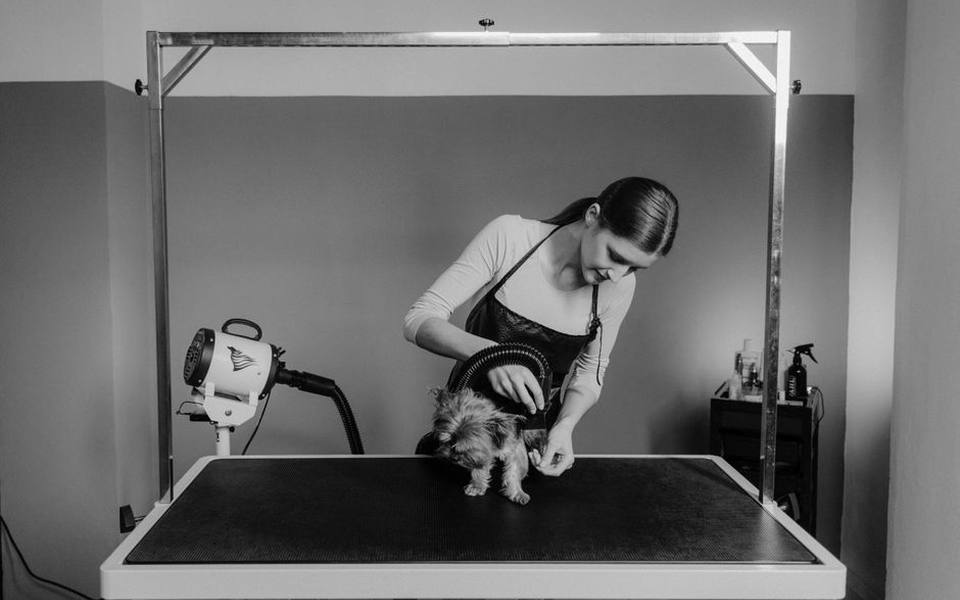 Service
How to Choose the Best Local Dog Groomer: What to Look For
-
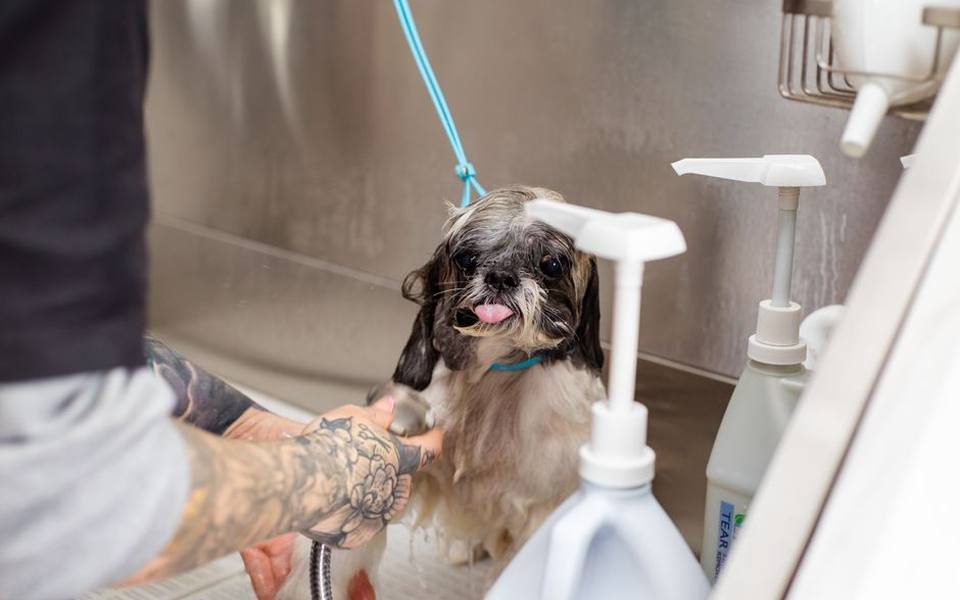 Service
Self-Service Dog Wash Guide: Locations, Pricing, and How It Works
-
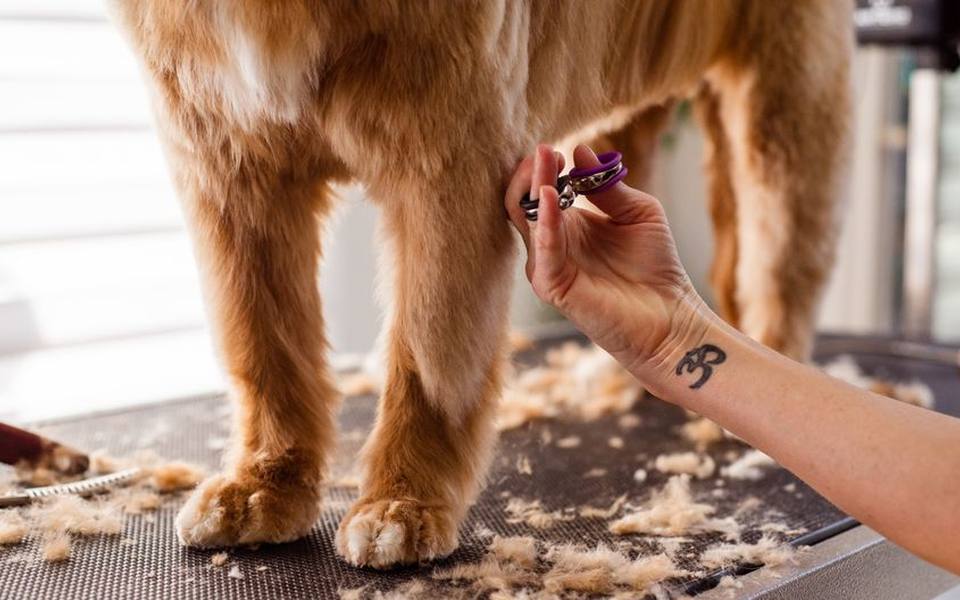 Service
Professional Dog Grooming and Self-Wash Stations: Comparing Costs, Services, and Formats
-
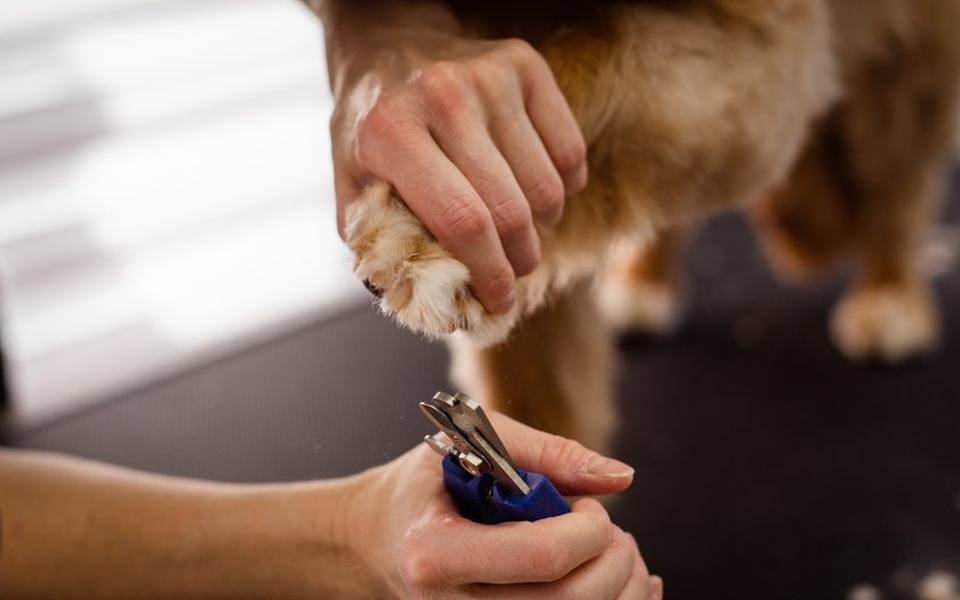 Owning
Dog Nail Trimming and Grinding Guide: Clippers, Rotary Tools, and Safe At-Home Care
-
 Service
Popular Dog Haircut Styles: Breed Cuts, Teddy Bear Trims, and Styling Rules
-
 Owning
Managing Dog Itchy Skin and Fleas: Medicated Baths, Shampoos, and Remedies
-
 Service
Complete Cat Grooming Guide: Bathing, Haircuts, Nail Trimming, and Mobile Care
-
 Owning
Dog Ear Cleaning and Flushing Solutions: Preventing Wax Build-Up and Infections
-
 Owning
Dog Anal Gland Care: Expression, Swollen Glands, and Hygiene Solutions
-
 Owning
Dog Blow Drying, Coat Coloring, and Waterless Grooming Essentials
-
 Owning
Essential Grooming Tools: Brushes, De-Matting, Odor Neutralizers, and Paw Care
-
 Owning
Canine Dental Hygiene Guide: Toothbrushes, Powders, and Tartar Control
-
 Owning
Complete Guide to Dog Training: Methods, Equipment, Classes, and Costs
-
 Owning
Ultimate Guide to Dog Haircut Styles by Breed: Puppy Cuts, Teddy Bear, and Lion Clips
-
 Owning
How to Treat Dog Itchy Skin and Allergies: Medications, Shampoos, and Home Remedies
-
 Safety
How to Trim Dog Nails Safely: Clippers vs Grinders and Techniques
-
 Service
Professional Dog Grooming Services: Costs, Salons, and At-Home Options
-
 Owning
Dog Dental Care Guide: Toothbrushes, Powders, and At-Home Cleaning
-
 Safety
Dog Ear Cleaning Solutions, Wax Buildup, and Infection Care Guide
-
 Owning
Choosing the Right Dog Shampoo for Dry Skin, Dandruff, Fleas, and Ticks
-
 Owning
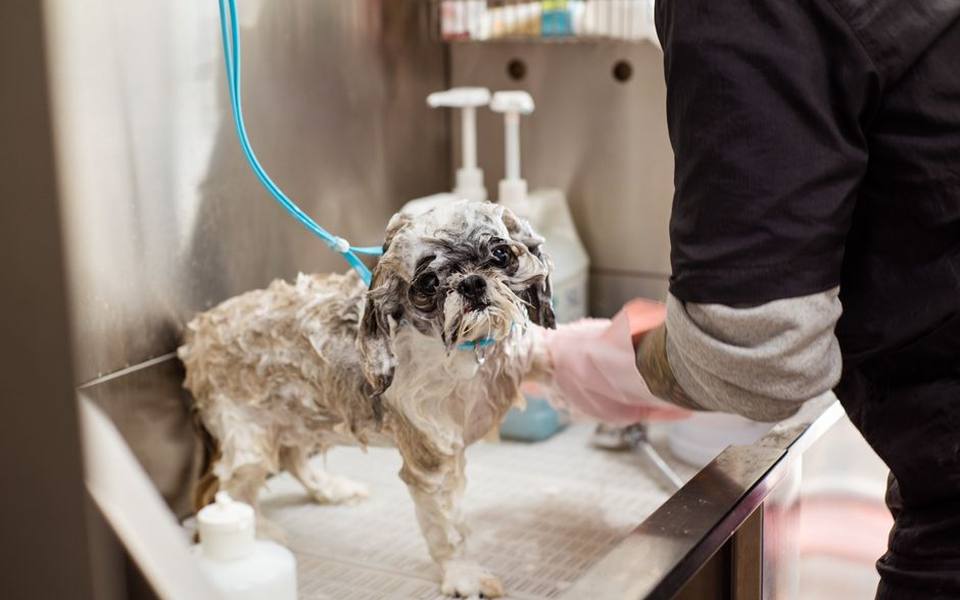
Self-Serve Dog Wash Stations and Home Bathing Setup Guide
-
 Buying
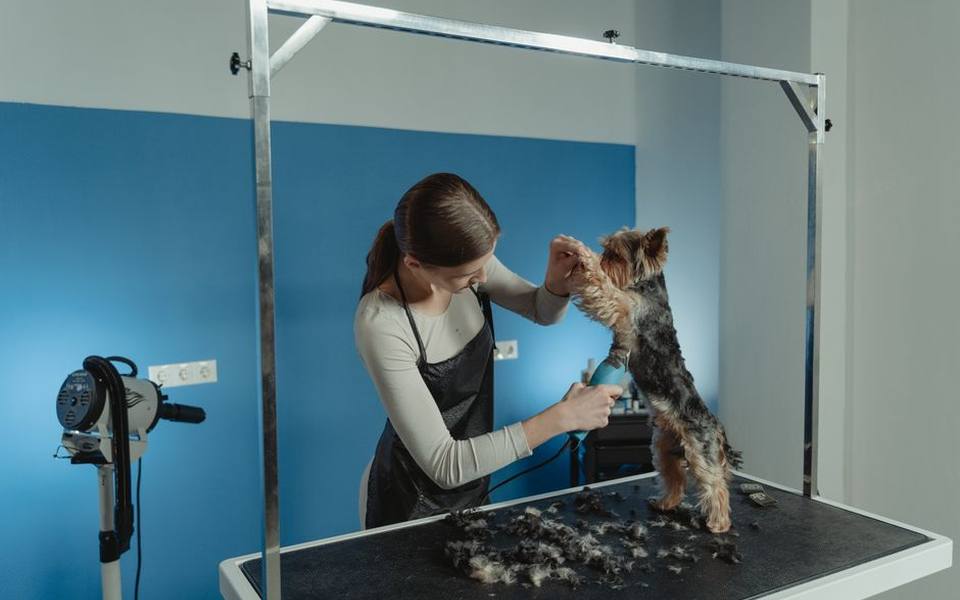
Essential Professional Grooming Tools, Clippers, and Blade Care
-
 Owning
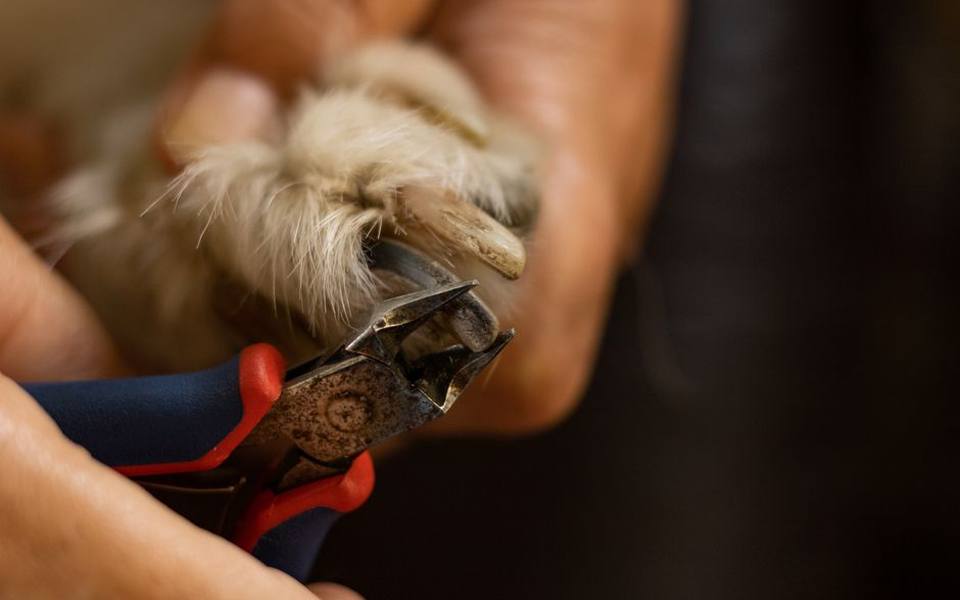
Dog Nail Trimming, Grinding, Polish, and Safe Hair Dye: A Practical Guide
-
 Service
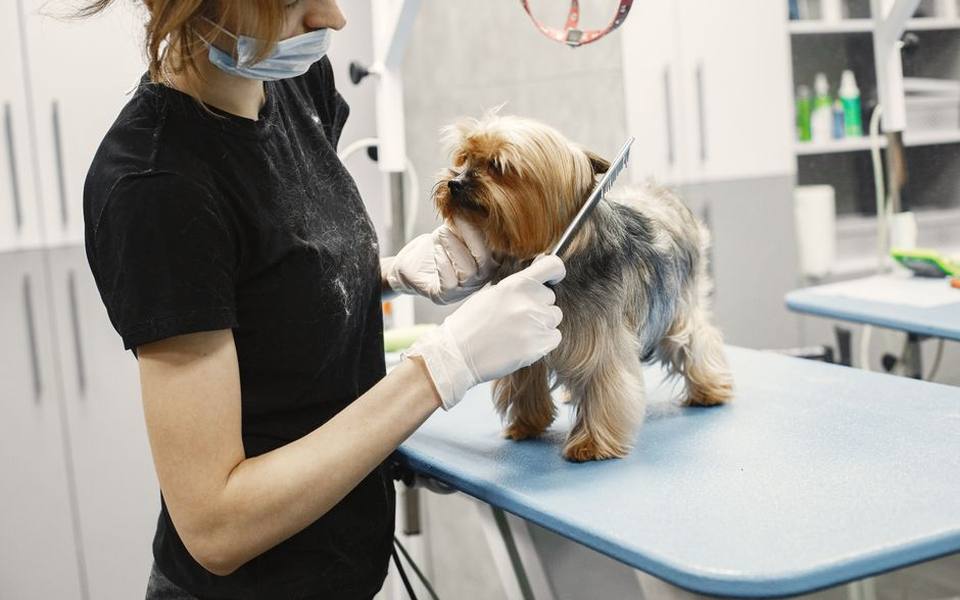
Dog Haircuts and Breed Styling Guide: Popular Cuts, Trims, and Coat Care
-
 Service
Cat Grooming and Styling: Lion Cuts, Bathing, and Coat Care
-
 Owning
Dog Ear Care and Skunk Odor Removal: Cleaning, Wax, and Emergency Deodorizing
-
 Safety
Dog Flea Baths and Medicated Shampoos: OTC and Prescription Remedies
-
 Owning
Complete Guide to Raw Dog Food Nutrition and Diets
-
 Owning
Dog Birthday Cakes, Safe Treats, and Celebration Guide
-
 Service
Hiring a Dog Walker: Services, Rates, and Agency Options
-
 Service
Dog Breed Haircuts, Styling, and Coat Maintenance Guide