Why Claw Maintenance Affects Whole-Body Comfort
Neglecting paw care does far more than create an annoying clicking sound across hard floors. When long dog claws touch the ground with every step, they push the delicate bones of the toes backward into unnatural angles. Over weeks or months, this continuous upward pressure alters the natural posture of the legs and shoulders, forcing a canine to shift weight onto their hindquarters or arch their spine awkwardly. Dogs that spend too much time walking with overgrown nails are far more prone to joint strain, tendon stress, and premature arthritis in their paws and ankles.
The anatomical structure inside every claw consists of an outer shell made of keratin and an internal core called the quick, which houses blood vessels and nerve endings. In active dogs that spend hours walking on concrete or rough terrain, claws naturally wear down at a moderate pace, but softer surfaces like grass and carpet do almost nothing to shorten them. When left untrimmed, the quick grows outward along with the shell, making each subsequent trim more challenging. Dewclaws require special attention because they never touch the ground, meaning they can curl into a complete circle and penetrate the skin pad if ignored.
Routine shortening does not just protect household furniture and prevent painful snags on area rugs; it directly restores balance and confidence to your dog's gait. An animal with correctly trimmed feet stands squarely over its digital pads, providing optimal traction on smooth tile, hardwood, and agility equipment. Catching the maintenance early prevents accidental splits and torn nails, which can lead to severe local infections and necessitate veterinary sedation to remove fractured claw sheaths.
Tackling Dark Claws Without Fear of the Quick
Trimming a black nail dog often creates intense anxiety for owners because the internal vascular quick is completely hidden behind thick, dark pigment. While translucent white claws clearly display the pink nerve core through the outer wall, dark claws offer no such visual transparency from the side. Attempting to chop off a large section in a single cut usually leads to nicking the quick, causing immediate pain and noticeable bleeding that sets back months of training trust. The secret to managing dark claws lies in altering your visual perspective and slicing in small, paper-thin increments.
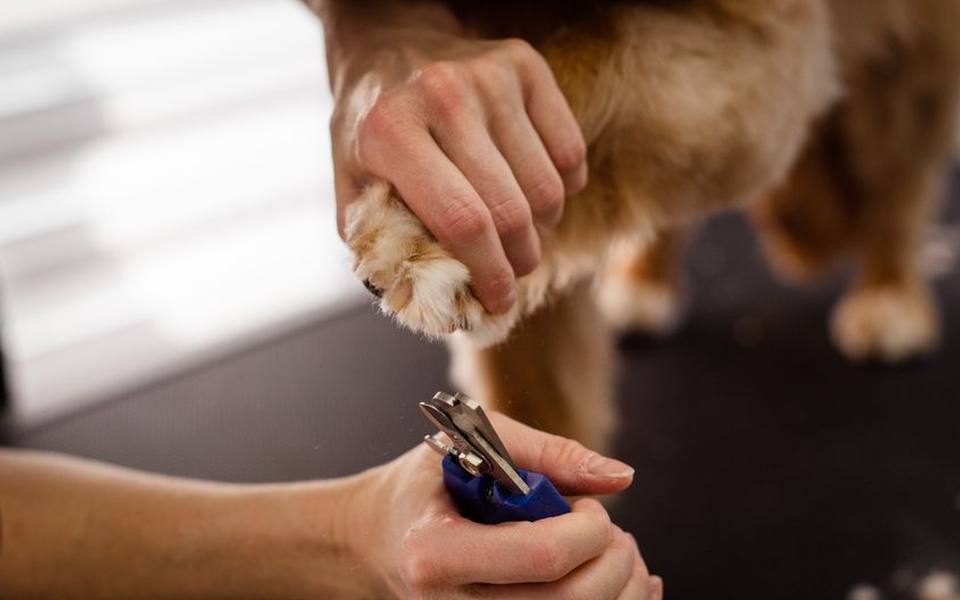
Instead of cutting across the top or middle of the claw, examine the underside of the foot where the claw curves. The outer dead shell typically forms a hollow groove underneath near the tip, which contains no living tissue and can be shaved off safely. As you remove thin slivers, look directly at the newly exposed cross-section of the nail rather than looking sideways. You will first see a dry, chalky white or grey ring inside the dark outer rim, which indicates you are still safely slicing through insensitive keratin.
As you gradually shave closer to living tissue, the interior changes distinctly from a dry texture to a softer, grayish-white circle. The definitive signal to stop cutting is the appearance of a small, shiny, dark grey or black dot right in the center of the cut face. That dark dot is the fleshy tip of the quick pulp. The moment that focal point becomes visible, cease cutting that claw immediately. Leaving that buffer ensures you take off maximum length without causing pain or drawing blood.
Clippers Versus Rotary Grinding Tools
Choosing between mechanical clippers and a motorized rotary grinder comes down to your dog's tolerance, the thickness of the claw, and personal comfort. Traditional scissor-style or guillotine clippers work silently and quickly, making them ideal for dogs that panic around mechanical buzzing or vibration. However, manual clippers create sudden, high-pressure pinching sensations across the nail right before the blade shears through, which can feel uncomfortable on dense, brittle claws. Cheap or dull clippers can also splinter dry keratin, leaving ragged edges that snag on household fabrics.
Using a specialized dremel tool for dog nails provides far superior precision, especially when working slowly around hidden quicks. The spinning sandpaper band or diamond-grit drum grinds the nail away fraction by fraction, allowing you to round off sharp corners and expose the central pulp dot without sudden cutting shocks. Rotary tools also bevel the edges, preventing the claw from splitting along its natural grain. The primary challenges with rotary grinding are the motor sound, the ticklish vibration felt through the leg bones, and the rapid generation of friction heat.
To grind nails safely without burning the sensitive interior tissue, employ a light, pulsing touch rather than holding the drum against the nail continuously. Tap the sanding surface to the claw for two or three seconds at a time, moving between different toes so the keratin has time to cool down. If your dog is nervous around power tools, spend a week pairing the hum of the switched-on tool with small treats before ever bringing the spinning wheel into contact with their toes.
Managing Accidental Bleeding and Split Keratin
Even seasoned veterinary professionals and master groomers occasionally nick a quick, particularly when dealing with squirming pets or unusually long quicks. Panicking when blood appears is the worst reaction, as canines immediately mirror human stress and learn to view nail trimming as an emergency. The quick bleeds heavily because it is rich in capillaries under steady blood pressure, but the bleeding is rarely a medical crisis on its own. Having clotting agents prepared and open beside you before making the first cut keeps accidents uneventful.
Commercial styptic powder containing ferric subsulfate is the standard tool for halting claw bleeding instantly by constricting local vessels. If you lack commercial styptic powder, clean cornstarch, baking soda, or a dab of plain unscented bar soap can act as temporary coagulants. Dip the bleeding tip directly into a bottle cap filled with the powder, or pack a generous pinch against the end of the claw, applying steady upward pressure with a clean tissue for thirty to sixty seconds without wiping away the developing clot.
Once the bleeding stops, restrict vigorous running and rough play for an hour so the fresh seal does not dislodge on rough carpet or outdoor gravel. If a claw sustains a deep vertical split that extends under the skin line rather than a minor cut, avoid pulling or twisting the loose piece yourself. Vertical fractures require a clean trim above the crack or veterinary stabilization to ensure bacteria cannot enter the nail bed and trigger an infection in the surrounding digit.
Streamlining Paws at Self-Service Wash Facilities
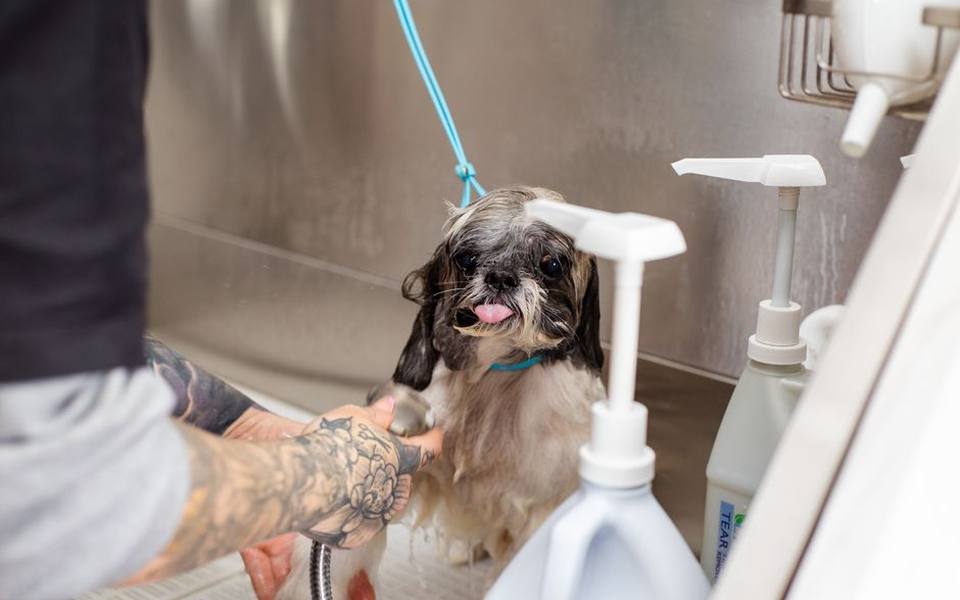
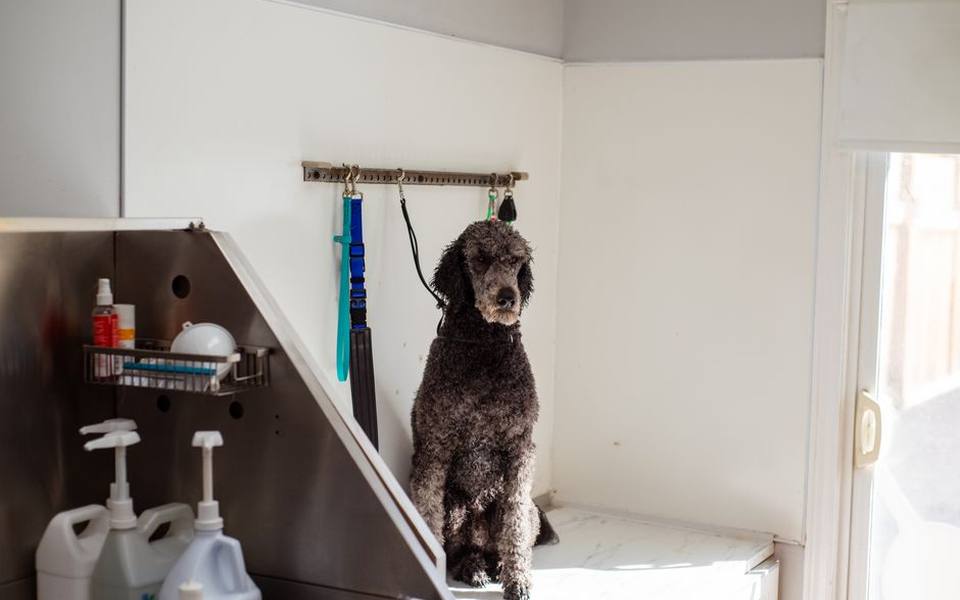
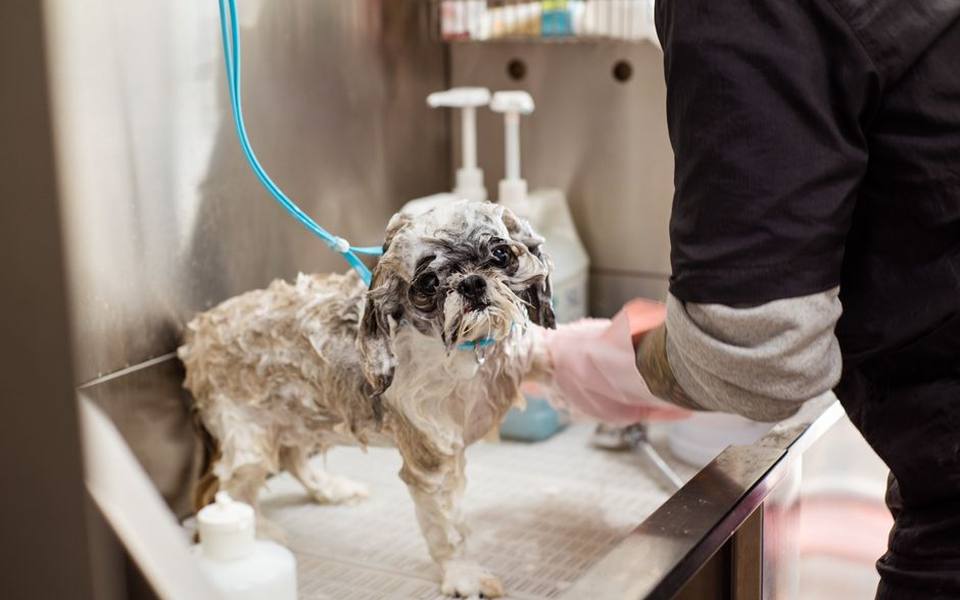
Many pet parents find that attempting nail care at home turns into an exhausting wrestling match on the living room rug. Visiting dedicated self-serve dog wash stations offers a practical alternative because the elevated professional tubs and restraint tethers keep dogs calmly contained at waist height. Working at eye level gives you clear visibility down the underside of dark claws, drastically reducing accidental nicks. The unfamiliar setting also tends to decrease stubborn territorial resistance that many dogs display in their own homes.
Integrating a nail trim directly into a bath routine softens the hard outer shell, making clippers slice through dense keratin like butter. Warm water and conditioning shampoo hydrate the paw pads and nails during the initial rinse. Taking five minutes to file or clip while your pet is secured in the tub prevents claw fragments from scattering across your bathroom floor. If you prefer expert assistance, many local stores offer professional dog nail trimming and grinding services alongside their washing bays.
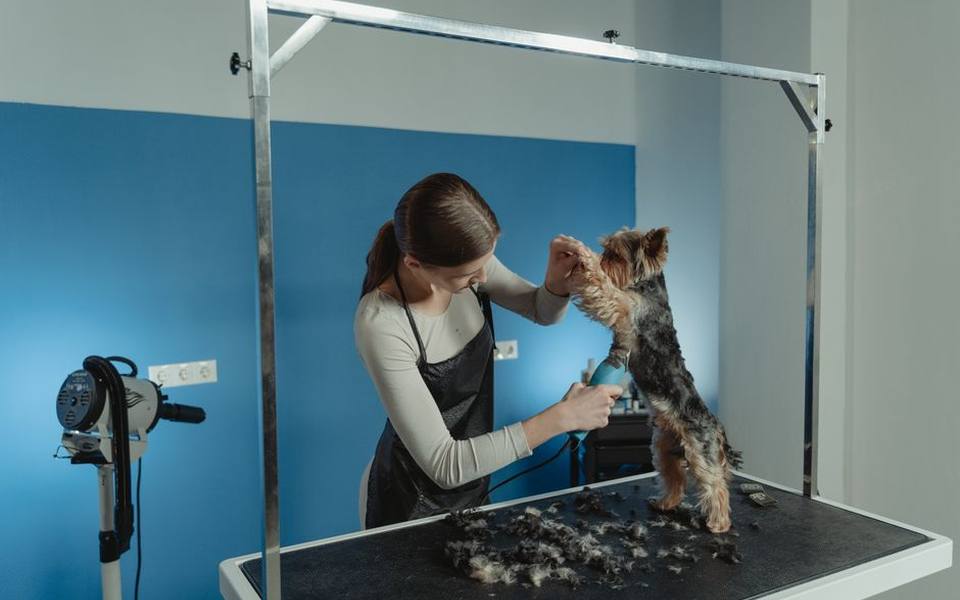
If you discover that your dog becomes excessively stressed when tools approach their feet, professional groomers on-site can step in to handle the task safely. Utilizing established dog nail clipping and trimming services ensures that overgrown quicks are managed systematically using high-grade equipment. Alternatively, finding local walk-in dog washes allows you to keep up with routine maintenance on your own schedule without waiting weeks for an appointment.
Creative Styling: Choosing Dog-Safe Nail Polish
Styling canine claws with bright colors has transitioned from competitive grooming rings into everyday pet ownership, but ordinary cosmetic products must stay far away from pets. Standard human nail polishes contain toxic chemical compounds including formaldehyde, toluene, and dibutyl phthalate, frequently referred to as the toxic trio. Because canines constantly groom their paws and lick their claws, chemical solvents from standard polishes can be ingested directly, leading to digestive upset, neurological signs, or respiratory irritation over prolonged exposure.
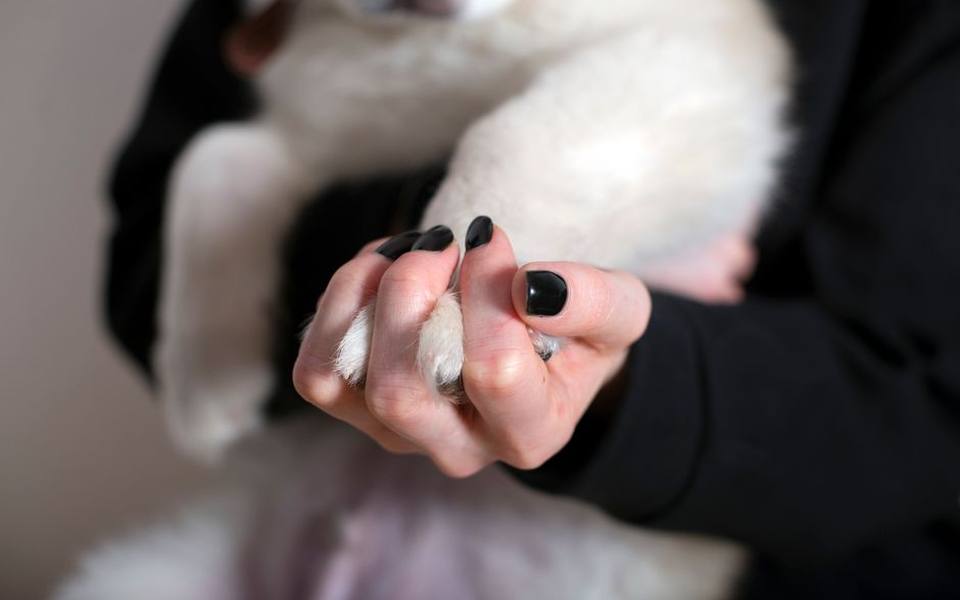
Dedicated dog safe nail polish is formulated specifically to eliminate these hazards, relying on water-based, odorless, non-toxic polymer emulsions. High-quality pet polishes dry rapidly, typically within forty to sixty seconds, reducing the window of time where a dog might smear wet paint across their fur or lick the polish. Furthermore, specialized canine polishes are designed to peel off naturally over time or wash away with warm water and soap, eliminating the need for harsh, acetone-based polish removers.
Applying polish successfully requires steady preparation and patience. Clean the claw surfaces thoroughly with rubbing alcohol or gentle witch hazel to strip natural body oils, ensuring the water-based layer adheres cleanly. If your pet has dark claws, apply an initial coat of pet-safe white base coat; this provides a neutral canvas that lets neon or pastel shades show up vividly. Keep paws elevated until the coat is completely dry to the touch, rewarding calm stillness with high-value treats.
Transforming Fur: Pet-Safe Dyes and Color Chemistry
Creative coat coloring has become a popular way to personalize pets for holidays, charity walks, or pure fun, but standard human hair dye is strictly forbidden on animals. Human hair coloring products rely on harsh chemicals like ammonia, peroxide, paraphenylenediamine, and heavy bleaching agents engineered to penetrate dense human hair shafts. When applied to pets, these chemicals can cause severe chemical burns on delicate canine skin, induce toxic shock through systemic absorption, or lead to poisoning when the animal instinctively licks the damp dye.
Any reliable hair dye for dogs safe for home or salon application utilizes cosmetic-grade, non-toxic pigments derived from plant extracts, food dyes, or approved semi-permanent pet compounds. These specialized formulas do not contain oxidizing agents and do not alter the internal melanin structure of the hair shaft; instead, they deposit temporary color strictly onto the outside of the hair cuticle. Reputable pet dyes are formulated to be tasteless or gently bitter to discourage dogs from licking the area while the pigment sets.
Before selecting a dog safe hair color, consider your pet's base coat shade and realistic expectations. Direct plant-based dyes and pet-safe brights show up brilliantly on white, cream, and silver coats, such as Poodles, Bichons, and light Terriers. On black, chocolate, or deep red coats, temporary dyes will produce only an understated sheen or subtle tint under direct sunlight. Lightening a dark coat to take vivid color requires pet-safe color lifts, which should only be performed by certified master creative groomers.
Types of Non-Toxic Coloring Products Available
Selecting the right product depends heavily on how long you want the creative pattern to remain and your pet's patience during application. The quickest and least permanent options are pet grooming chalks and blow-pens, which blow powder directly onto the coat through a stencil. Grooming chalks deposit dry color onto the hair tips in seconds without requiring wet baths or waiting periods, making them wonderful for quick accents on ears or tail tips that wash out entirely in a single bath.
For medium-duration color that lasts through several rain showers and light rinses, color shampoos and pet-safe color mousses provide an even, gentle wash of tone. These products lather into damp hair like regular shampoo, sit on the coat for five to ten minutes, and gradually fade over three to six weeks. They work exceptionally well for subtle pastel washes across ears, paws, or tails without staining household furniture once the coat is dried thoroughly.
Semi-permanent pet fur dyes provide the most vibrant, long-lasting results, holding color for months depending on bath frequency and sun exposure. These thick, gel-like creams are applied directly to clean, dry fur with tint brushes, covered with foil or plastic wrap to prevent transfer, and rinsed thoroughly after fifteen to twenty minutes. Regardless of format, always verify that the product label explicitly states it is non-toxic, cruelty-free, and formulated specifically for animals.
Application Protocol, Patch Testing, and Pet Comfort
Before applying any creative dye product across large sections of fur, conducting a spot patch test is an essential safety precaution. Apply a dime-sized dab of the chosen color to a small patch of skin on the inner thigh or belly, where the coat is thin, and leave it for twenty-four hours while observing the area. Check closely for redness, bumps, excessive itching, or swelling. While certified pet colors are non-toxic, individual dogs can have unique allergic sensitivities to specific botanical extracts or food colorings.
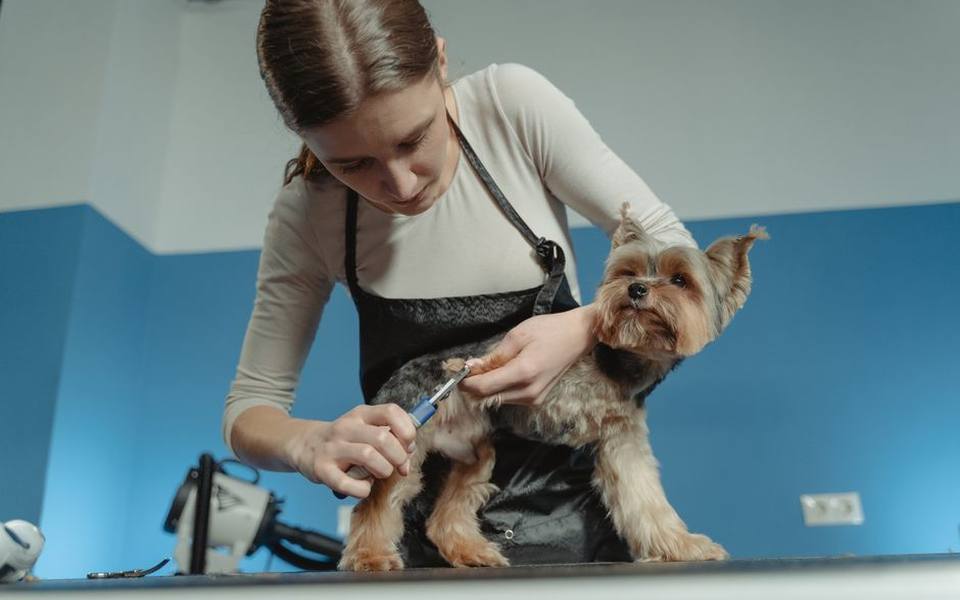
During application, keep colors strictly away from the eyes, mouth, nose, and inner ears. If you are tinting head fur or ears, use a fine-bristled toothbrush to paint precisely rather than squirting liquid dye near the face. Use a barrier cream, such as pure organic coconut oil or petroleum jelly, along the margins of the skin you wish to protect from staining. Wrap colored tail tips or ears in loose plastic wrap or soft cohesive bandages while the color cures to keep your pet from shaking dye across walls and furniture.
Always prioritize your pet's emotional state over aesthetic goals. Creative styling should be an enjoyable bonding session accompanied by steady treats and praise, never a stressful ordeal. If a dog shows discomfort, vocalizes, tries to pull away repeatedly, or displays anxious whale eyes, stop the process immediately and wash the product away with warm water. Creative grooming is purely an optional pleasure; your dog's physical security and emotional calm must always come first.
Building a Stress-Free Regular Grooming Routine
Long-term paw and coat health relies entirely on consistent, low-stress maintenance schedules rather than sporadic, chaotic sessions. Claws grow continuously, requiring inspection and shortening every two to four weeks depending on the animal's daily walking surfaces. When trims occur regularly, you only ever need to remove tiny millimeter shavings, which prevents the quick from lengthening and minimizes the risk of cutting living tissue. Small, frequent sessions keep the internal blood supply retreating steadily toward the foot pad.
Desensitizing a sensitive dog requires breaking the grooming process down into tiny, non-threatening micro-steps over several weeks. Start by simply handling your dog's paws while resting on the couch, gently squeezing individual toe pads and offering a pea-sized piece of cooked chicken or cheese. Once paw handling is completely accepted, introduce the tool by touching the cold metal clipper or vibrating rotary handle to the leg without cutting anything, pairing the contact with consistent rewards.
Never feel pressured to finish all four paws in a single sitting. Cutting just one or two claws each evening creates a calm, low-stress habit that leaves both you and your dog relaxed. When paired with high-quality, pet-safe creative products and patient handling, claw maintenance and styling transform from dreaded household chores into rewarding ways to nurture your companion's everyday well-being.
Published 2026-09-21 · reviewed with each rebuild, last September 2026.
Find self-serve dog washes near you
The directory lists 2,264 self-serve dog washes by state and city — pick your state or use the “Near me” button in the header.
More guides
-
 Money
MoneyUnderstanding the Costs of Grooming and Washing Your Dog
-
 Service
Canine Scent Gland Care: Symptoms, DIY Steps, and Professional Costs
-
 Money
MoneyDog Grooming Cost Breakdown: Salons, Mobile Vans, and Retail Chains
-
 Service
Dog Anal Gland Expression: How It Works, When It Is Needed, and Typical Costs
-
 Owning
Essential Dog Grooming Tools: Choosing Clippers, Shears, and Maintaining Blades
-
 Money
MoneyDog Teeth Cleaning Costs: Vet Anesthesia vs. Non-Anesthetic Options
-
 Service
How to Choose the Best Local Dog Groomer: What to Look For
-
 Service
Self-Service Dog Wash Guide: Locations, Pricing, and How It Works
-
 Owning
Complete Dog Anal Gland Care: How to Express, Symptoms, and Safe Techniques
-
 Service
Professional Dog Grooming and Self-Wash Stations: Comparing Costs, Services, and Formats
-
 Owning
Dog Nail Trimming and Grinding Guide: Clippers, Rotary Tools, and Safe At-Home Care
-
 Service
Popular Dog Haircut Styles: Breed Cuts, Teddy Bear Trims, and Styling Rules
-
 Owning
Managing Dog Itchy Skin and Fleas: Medicated Baths, Shampoos, and Remedies
-
 Service
Complete Cat Grooming Guide: Bathing, Haircuts, Nail Trimming, and Mobile Care
-
 Owning
Dog Ear Cleaning and Flushing Solutions: Preventing Wax Build-Up and Infections
-
 Owning
Dog Anal Gland Care: Expression, Swollen Glands, and Hygiene Solutions
-
 Owning
Dog Blow Drying, Coat Coloring, and Waterless Grooming Essentials
-
 Owning
Essential Grooming Tools: Brushes, De-Matting, Odor Neutralizers, and Paw Care
-
 Owning
Canine Dental Hygiene Guide: Toothbrushes, Powders, and Tartar Control
-
 Owning
Complete Guide to Dog Training: Methods, Equipment, Classes, and Costs
-
 Owning
Ultimate Guide to Dog Haircut Styles by Breed: Puppy Cuts, Teddy Bear, and Lion Clips
-
 Owning
How to Treat Dog Itchy Skin and Allergies: Medications, Shampoos, and Home Remedies
-
 Safety
How to Trim Dog Nails Safely: Clippers vs Grinders and Techniques
-
 Service
Professional Dog Grooming Services: Costs, Salons, and At-Home Options
-
 Owning
Dog Dental Care Guide: Toothbrushes, Powders, and At-Home Cleaning
-
 Safety
Dog Ear Cleaning Solutions, Wax Buildup, and Infection Care Guide
-
 Owning
Choosing the Right Dog Shampoo for Dry Skin, Dandruff, Fleas, and Ticks
-
 Owning
Self-Serve Dog Wash Stations and Home Bathing Setup Guide
-
 Buying
Essential Professional Grooming Tools, Clippers, and Blade Care
-
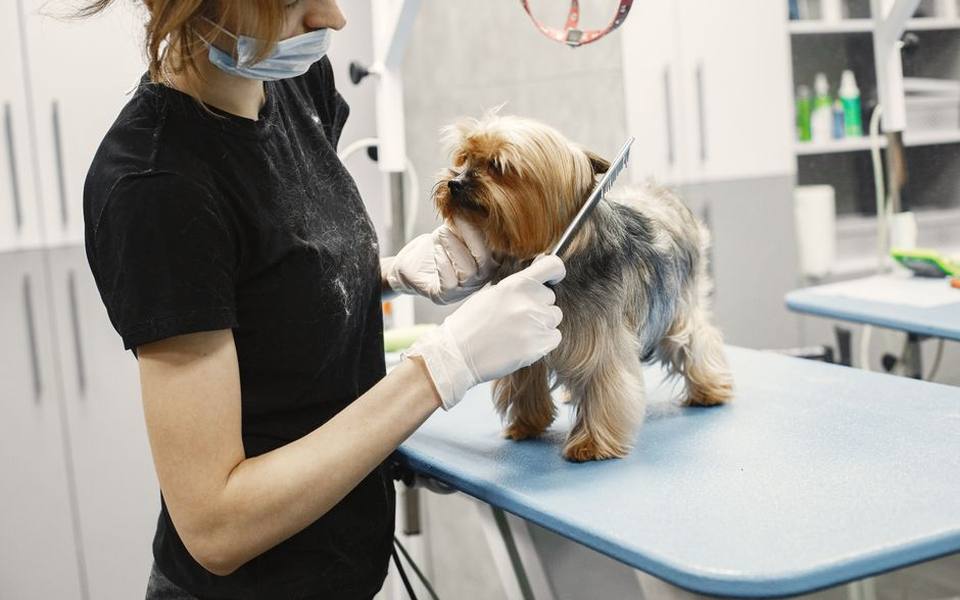 Service
Dog Haircuts and Breed Styling Guide: Popular Cuts, Trims, and Coat Care
-
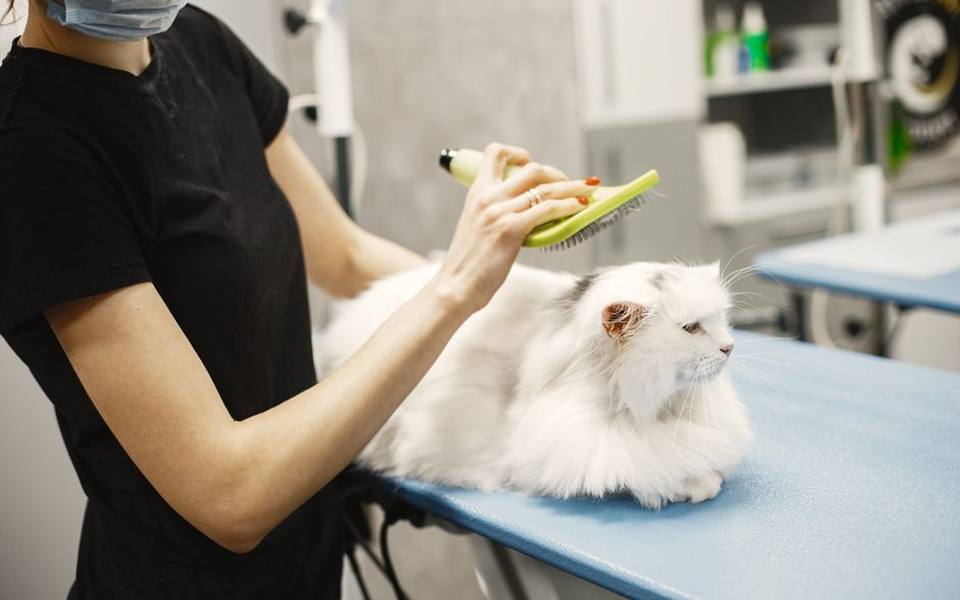 Service
Cat Grooming and Styling: Lion Cuts, Bathing, and Coat Care
-
 Owning
Dog Ear Care and Skunk Odor Removal: Cleaning, Wax, and Emergency Deodorizing
-
 Safety
Dog Flea Baths and Medicated Shampoos: OTC and Prescription Remedies
-
 Owning
Complete Guide to Raw Dog Food Nutrition and Diets
-
 Owning
Dog Birthday Cakes, Safe Treats, and Celebration Guide
-
 Service
Hiring a Dog Walker: Services, Rates, and Agency Options
-
 Service
Dog Breed Haircuts, Styling, and Coat Maintenance Guide